The Virtual Spokesperson Playbook: How to Script, Direct, and Scale an AI Brand Ambassador (Without the $50k Production Bill)
Fielding a virtual brand ambassador no longer requires custom 3D pipelines or Hollywood budgets. Discover how to script, direct, and scale highly engaging AI spokespeople that stop the scroll and build instant affinity.
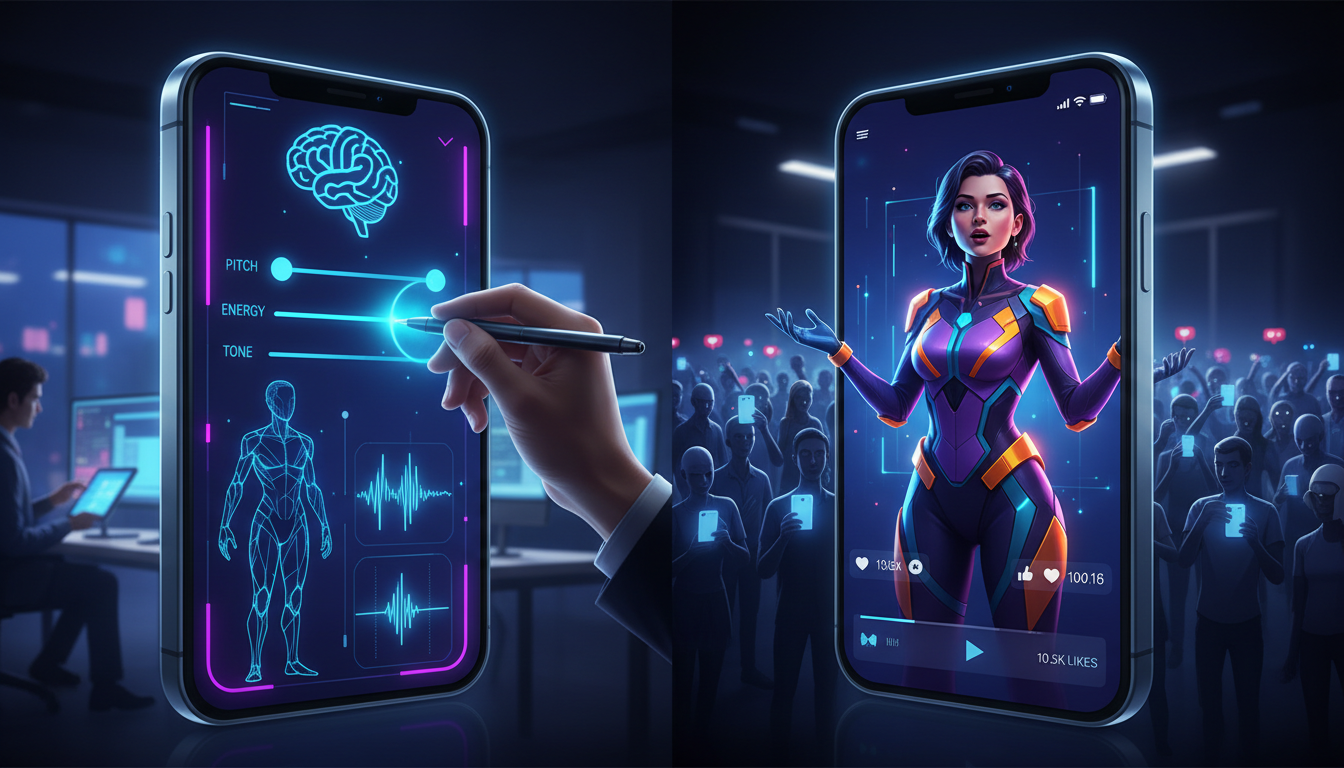
Finding the perfect face and voice for your brand used to require a multi-agency search, complex contract negotiations, and a production budget that could easily fund an entire startup. If a physical creator or celebrity spokesperson had a scheduling conflict—or worse, a sudden public relations crisis—entire marketing campaigns ground to a halt. The logistics of coordinating shoot days, booking studio space, and handling endless rounds of post-production revisions made agile video marketing nearly impossible for growing brands.
Today, smart marketing teams are bypassing these traditional production bottlenecks by deploying virtual brand ambassadors. By combining sharp conversational copywriting with instant AI video generators, brands can now script, direct, and launch dynamic virtual spokespeople in minutes for a fraction of the cost. Through platforms like Fanfun, the dream of having an on-demand, culturally relevant brand ambassador is no longer a luxury reserved for enterprise giants.
The Virtual Spokesperson Shift: Why Brands are Moving Beyond Human Presenters
Human presenters are inherently unscalable. They require physical studio space, multiple takes, specialized lighting, and constant scheduling coordination. When you factor in usage rights, agency fees, and talent costs, a single 30-second promotional video can easily exceed thousands of dollars before post-production even begins. If you need to localize that content for different regions, run rapid A/B tests with different hooks, or update a product feature mention, you have to start the entire process over again.
Historically, the virtual alternative was not much better. Early virtual icons like Lil Miquela required dedicated teams of 3D artists, complex motion-capture rigs, and weeks of rendering time. These projects were reserved exclusively for enterprise brands with six-figure experimental budgets. The modern alternative has completely leveled the playing field: agile virtual icons powered by advanced AI voice generators and video platforms that allow brands to spin up highly targeted, culturally relevant content in minutes.
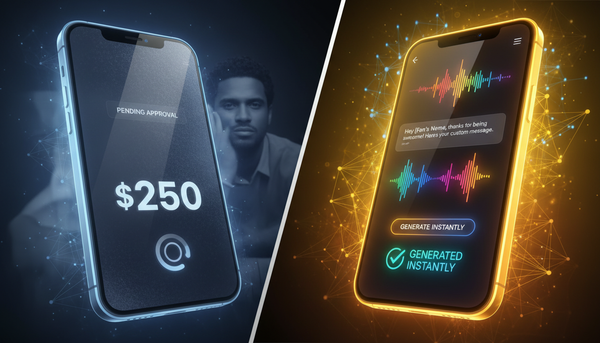
This shift is particularly powerful when compared to traditional, passive celebrity shoutout platforms. Instead of waiting days for a real-life creator to record a generic, uninspired message, brands can now use AI-driven alternatives to create highly tailored, instant campaigns. To understand how this completely changes the economics of brand campaigns, explore our strategic guide on how to script and direct virtual icons for high-impact video shoutouts.
Defining Your Virtual Icon: Archetype, Tone, and Persona Design
To build a virtual spokesperson that resonates, you cannot simply select a default voice and hope for the best. A compelling virtual character requires a defined psychological profile, a specific vocal signature, and clear behavioral boundaries. Without these guardrails, your synthetic ambassador will sound like a generic text-to-speech engine rather than a distinct brand icon.
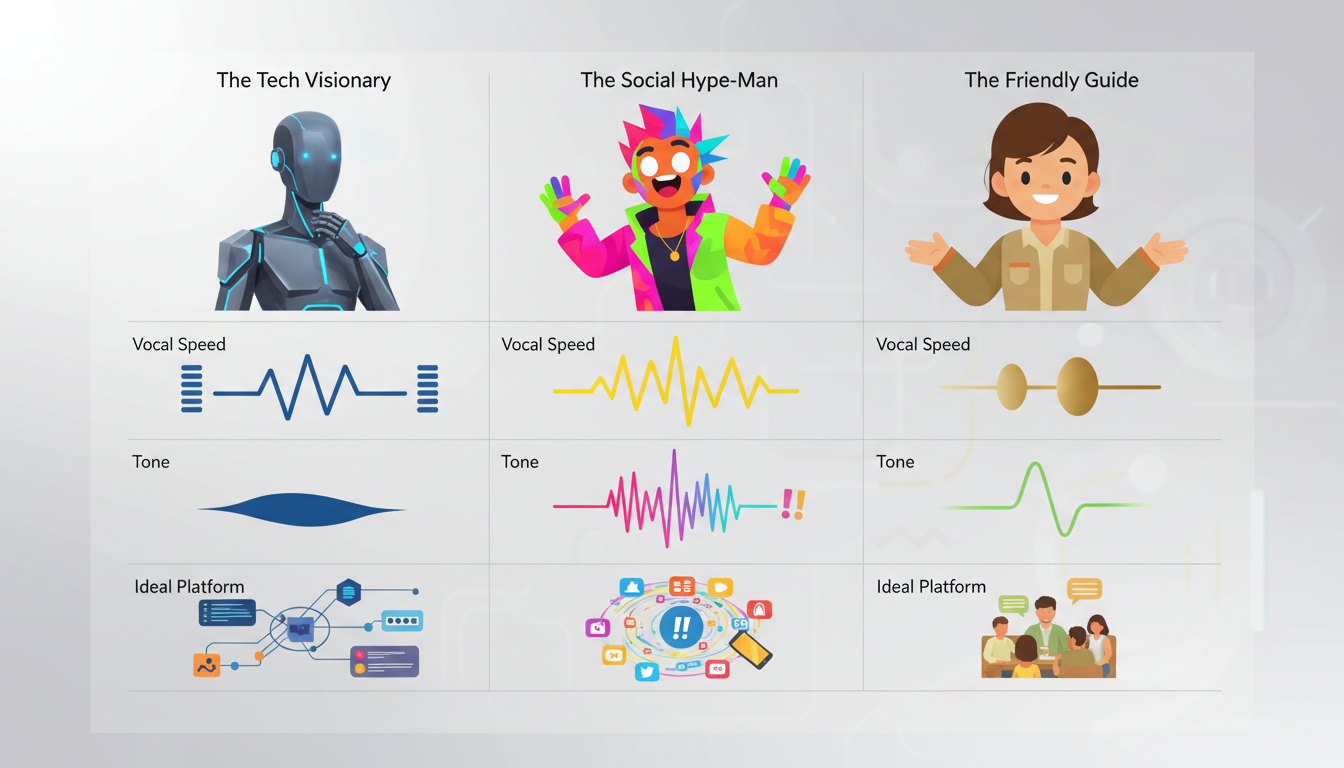
When designing this persona, utilizing recognizable cultural archetypes or licensed character styles can instantly bypass the trust-building phase with your audience. Rather than spending months introducing a brand-new face, leveraging familiar character dynamics allows you to capture attention immediately. To help you select the right profile for your campaign, use the Brand Icon Matrix below to map your brand's goals to the correct virtual archetype:
| Archetype | Tone & Energy | Pacing & Cadence | Primary Use Case |
|---|---|---|---|
| The Hyper-Energetic Hype-Man | High-octane, enthusiastic, highly expressive | Fast, punctuated with short, punchy pauses | TikTok hooks, flash sales, product launches |
| The Calm Authority | Measured, reassuring, deeply professional | Slow, deliberate, natural breath pauses | Product demos, onboarding, B2B explainers |
| The Relatable Rebel | Conversational, slightly sarcastic, highly casual | Moderate, uses natural colloquialisms | Brand memes, community engagement, roasts |
By selecting the archetype that aligns with your brand's core values, you can build a consistent narrative across all marketing touchpoints. For instance, a brand looking to inject humor and self-awareness into their social channels might opt for "The Relatable Rebel." If you are taking this edgy route, you can master the art of friendly, engaging banter by studying how to write a roast script that won't ruin the friendship, translating those same principles of affectionate savagery into your brand-to-consumer interactions.
Aligning Voice and Visual Identity
A common mistake in virtual production is the "uncanny valley of delivery"—pairing a highly energetic visual style with a flat, monotone vocal cadence. If your virtual spokesperson is visually expressive but sounds like a robotic reading of a terms-of-service agreement, the illusion breaks instantly, and the viewer will swipe away. The physical gestures, facial expressions, and vocal inflections must work in perfect harmony to convince the viewer's brain that they are watching a cohesive, living character.
The Cadence and Context Match
To avoid this mismatch, you must leverage AI voice synthesis to test different vocal profiles before committing to a final brand voice. Experiment with various accents, natural breathing patterns, and emotional registers to ensure the voice matches the platform context. For instance, a high-energy TikTok campaign demands a punchy, upward-inflected delivery, while a comprehensive product walkthrough requires a lower, more reassuring register that builds credibility.
Furthermore, consider the environment in which your spokesperson is speaking. If your virtual icon is placed in a busy, simulated outdoor environment, their voice should carry a slightly higher projection to match the visual context. If they are in a quiet, minimalist virtual studio, a softer, close-mic vocal style will feel much more natural and intimate.
Scripting for Synthesized Voices: The Rules of Conversational AI Copywriting
Writing copy for an AI voice generator is fundamentally different from writing for a human voice actor. Humans naturally self-correct, dynamically shifting their pitch and inserting pauses to breathe or emphasize key points. AI engines, however, read exactly what is on the page. To make synthetic voices sound natural, you must adapt your copywriting style to the unique mechanics of voice synthesis.
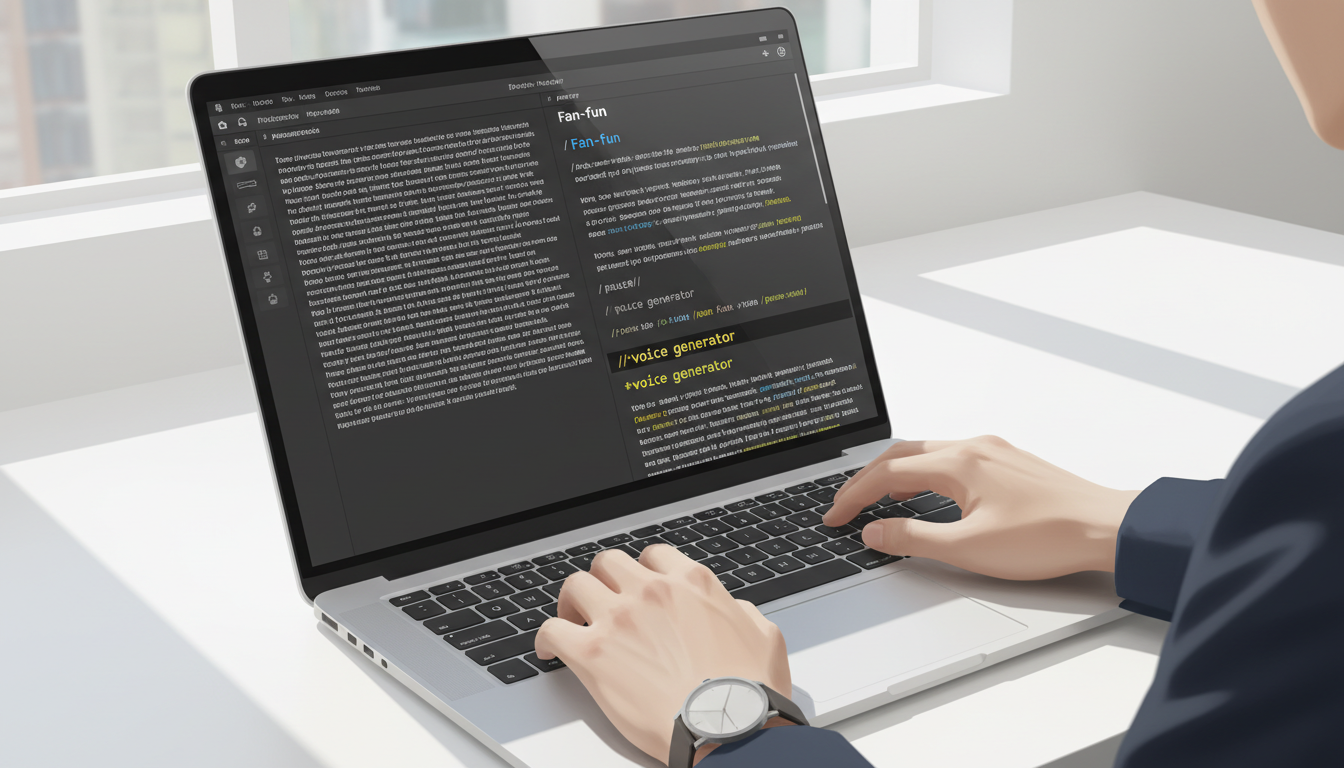
First, avoid complex, multi-clause sentences. Write short, punchy phrases that allow the AI voice generator to insert natural pauses. Second, embrace phonetic spelling. If your brand name is "Fanfun," writing it phonetically as "Fan-fun" can guide the AI to perfect pronunciation. Third, use punctuation creatively—commas, dashes, and ellipses can act as stage directions, forcing the AI to slow down or pause for dramatic effect.
Finally, restructure your content around the "Hook-Value-CTA" format. To ensure your virtual presenter stops the scroll in the first three seconds, learn the mechanics of crafting high-retention vocal hooks in our guide to scripting, directing, and mixing a custom AI voice for your podcast intro. If your brand campaign relies on humor or a playful tone to grab attention, you can also adapt the techniques outlined in how to script and direct a hilarious AI video roast to keep your audience laughing and engaged.
Directing the Performance: How to Scale Video Promos with Fanfun
This is where Fanfun transforms the production workflow. Instead of waiting weeks for celebrity availability, negotiating complex usage rights, or managing expensive editing pipelines, Fanfun allows brands and creators to instantly generate custom videos featuring dynamic AI characters. Whether you need a high-energy promo, a viral meme, or a personalized birthday wish for a VIP customer, the platform delivers production-ready assets in minutes.
By utilizing Fanfun's extensive character library and advanced AI personalized videos, you can scale your marketing campaigns across multiple regions and demographics. Instead of filming ten different versions of a promo with a human actor, you can simply adjust your script and generate localized variations instantly. This allows you to run highly targeted local campaigns, swap out product names on the fly, and respond to trending cultural moments in real-time. To maximize the impact of these campaigns, check out our blueprint on the art of the AI character shoutout to learn how to direct virtual personalities that turn passive viewers into active brand advocates.
Two-Way Engagement: Moving Beyond Static Video
The true power of a virtual spokesperson lies in their ability to transcend one-way video broadcasts. While traditional human ambassadors can only record static clips, an AI-powered virtual icon can engage in real-time, two-way interactive conversations with your audience. By integrating Fanfun's AI Chat capabilities, brands can allow fans and customers to have direct conversations with their brand ambassadors.
Imagine a sports brand deploying a virtual athlete who not only stars in their video advertisements but also chats directly with users in an app, offering personalized workout tips, motivation, and game strategies. This level of interactive roleplay builds unprecedented brand loyalty. To see how this works in practice, explore our guide on how to chat with virtual athletes online for motivation, strategy, and sports roleplay. By offering these interactive touchpoints, you turn a passive marketing campaign into an immersive, ongoing brand experience.
The Virtual Spokesperson Deployment Checklist
Deploying your first virtual spokesperson does not have to be overwhelming. By treating the process as an agile campaign rather than a massive production project, you can launch, test, and iterate based on real performance data. Follow this step-by-step checklist to ensure a seamless rollout:
- Step 1: Define the Campaign Goal — Identify whether your spokesperson is driving direct conversions, raising brand awareness, or handling customer onboarding.
- Step 2: Select the Archetype & Voice — Choose a persona from Fanfun's library that aligns with your brand's core values and platform context.
- Step 3: Optimize the Script — Rewrite your copy with short sentences, explicit pause markers, and phonetic spellings for brand terms.
- Step 4: Generate and Refine — Use Fanfun's platform to generate the video output, reviewing the cadence, pronunciation, and emotional delivery.
- Step 5: Distribute and Iterate — Launch the video across your social channels, track engagement metrics, and tweak the vocal profile for future campaigns.
How do I choose the right AI voice for my brand's virtual spokesperson?
Start by identifying your target audience and the platform where the content will live. If you are targeting Gen Z on TikTok, choose an archetype with high energy and casual pacing, like "The Hyper-Energetic Hype-Man." For professional product demos, select a calmer, more measured voice that builds authority and trust.
Can a virtual spokesperson be used for paid social media advertising?
Yes. Virtual spokespeople are highly effective for paid social ads because they allow you to run rapid A/B tests. You can generate dozens of variations with different hooks, offers, and calls-to-action in minutes, optimizing your ad spend based on real-time performance.
What is the difference between a 3D avatar and an AI-generated virtual character?
Traditional 3D avatars require custom 3D modeling pipelines, motion capture, and lengthy rendering times, often costing tens of thousands of dollars. AI-generated virtual characters, such as those on Fanfun, leverage advanced voice and video synthesis to generate high-quality content instantly from text scripts, making the process faster and significantly more affordable.
How do I make an AI spokesperson voice sound more natural and less robotic?
To make an AI voice sound natural, write your scripts with short, conversational phrases rather than long, academic sentences. Use phonetic spellings for brand names or industry jargon (e.g., writing "Fan-fun" instead of "Fanfun"), and insert punctuation like commas, dashes, and ellipses to force natural pauses.