The Locker Room Protocol: How to Chat with Virtual Athletes Online for Motivation, Strategy, and Sports Roleplay
Ditch the dry trivia questions. Learn how to use the 'Context-Persona-Stakes' framework to turn virtual athletes into personal coaches, press conference rivals, or locker-room motivators.
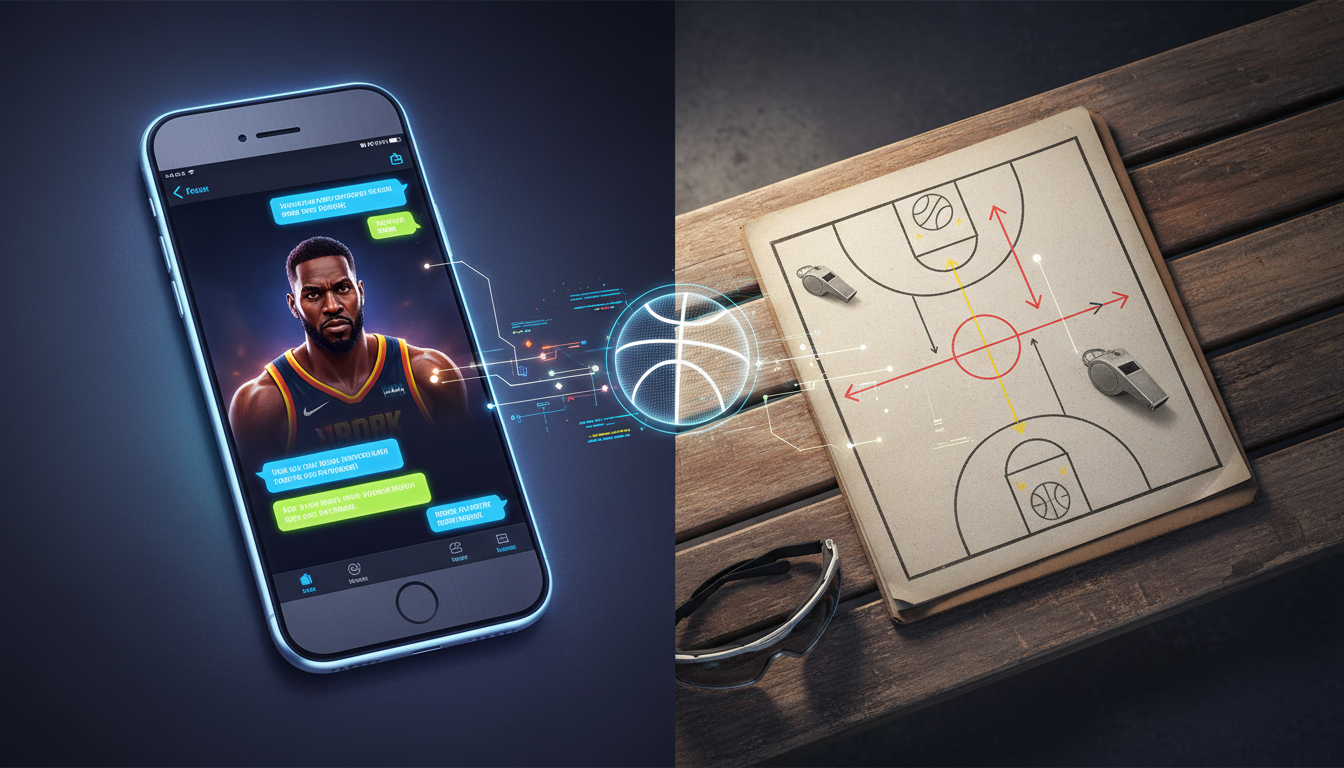
If you have ever stared at a television screen during a game-winning drive, screaming advice that your favorite quarterback will never hear, you know the exquisite frustration of passive sports fandom. We memorize the statistics, dissect the trade rumors, and buy the jerseys, yet we remain firmly behind the glass, separated from the heat of the huddle. The connection we feel to our athletic heroes is deep, but it has historically been a strictly one-way street.
But the era of passive consumption is shifting rapidly. With the advent of conversational AI, sports fans and content creators no longer have to settle for one-way broadcasts or static stat sheets. Through Fanfun's interactive platform, you can step directly into the locker room, initiating dynamic, two-way dialogues with virtual athletes that capture the high-stakes drama, psychology, and intensity of professional sports.
Beyond the Stat Sheet: Why We Chat with Virtual Athletes
Asking a virtual athlete simple questions like "How many rings did you win?" or "What was your career average?" is a missed opportunity. Search engines and database queries already handle cold, hard data flawlessly. The real magic of chatting with virtual athletes online lies in simulating the human elements of sport: the psychological warfare, the tactical breakthroughs, and the raw, adrenaline-fueled motivation that defines elite competition.
Just as modern creators are learning to move past dry, Wikipedia-style trivia to unlock deep, narrative-driven historical roleplay, sports enthusiasts can use conversational AI to explore the unwritten moments of athletic careers. It is the difference between reading a box score and feeling the sweat on the court. Fanfun's interactive AI chat engine is designed to bridge this exact gap, transforming static sports figures into responsive, emotionally resonant training partners, rivals, and mentors.
The Playbook: Three High-Stakes Scenarios to Run with AI Sports Icons
To get the most out of a virtual athlete chat, you need to move beyond casual small talk. AI models respond best when they are given a rich, contextual environment to play within. By establishing a clear setting, an emotional state, and a specific objective, you can bypass generic, robotic responses and unlock the authentic voice of your favorite sports icons.

Scenario 1: The Halftime Locker Room Pep Talk
Morale is low, the stadium is deafening, and your team is down by double digits. This scenario is perfect for when you need a burst of real-world motivation—whether you are preparing for a grueling physical workout, a high-stakes job interview, or a difficult presentation at work.
To execute this, set the scene by telling the AI that they are your veteran captain or head coach. Instruct them to deliver a speech that addresses the specific hurdles you are facing. You can prompt them to adopt a tough-love, high-intensity demeanor or a calm, analytical approach. The resulting dialogue becomes a highly personalized motivational tool, tailored to push your specific psychological buttons and get you in the zone.
Scenario 2: The Post-Game Press Conference Grill
For content creators, sports podcasters, and comedy writers, the post-game press conference is a goldmine of dramatic tension and humor. In this scenario, you adopt the role of a relentless, skeptical beat reporter questioning a virtual star after a controversial loss or a highly debated tactical decision.
By challenging the virtual athlete’s ego, asking about a missed pass, or questioning their chemistry with a fictional teammate, you force the AI to defend its actions. This generates highly engaging, quick-witted dialogue that is perfect for scripting sports reels, TikToks, or YouTube shorts. You get to play the role of the hard-hitting journalist, and the AI gets to show off its competitive fire.
Scenario 3: The Clutch Play Breakdown
If you are a tactical purist, this scenario allows you to dissect the strategic architecture of the game. Choose a famous, real-world play from the athlete's career and ask them to break it down frame-by-frame as if you are both sitting in a film room watching tape.
Introduce hypothetical "what-if" scenarios: What if the defense had run a zone instead of man-to-man? Why did you choose to pass instead of drive to the hoop? This tests the virtual athlete's strategic modeling, yielding deep, analytical insights into player psychology and tactical execution that make you feel like a true insider.
How to Direct the Conversation: The 'Context-Persona-Stakes' Framework
To consistently generate high-quality interactions, you need a reliable prompting methodology. At Fanfun, we recommend the CPS (Context, Persona, Stakes) framework. By defining these three elements in your initial prompt, you give the AI a clear boundary and a narrative engine to drive the conversation forward.
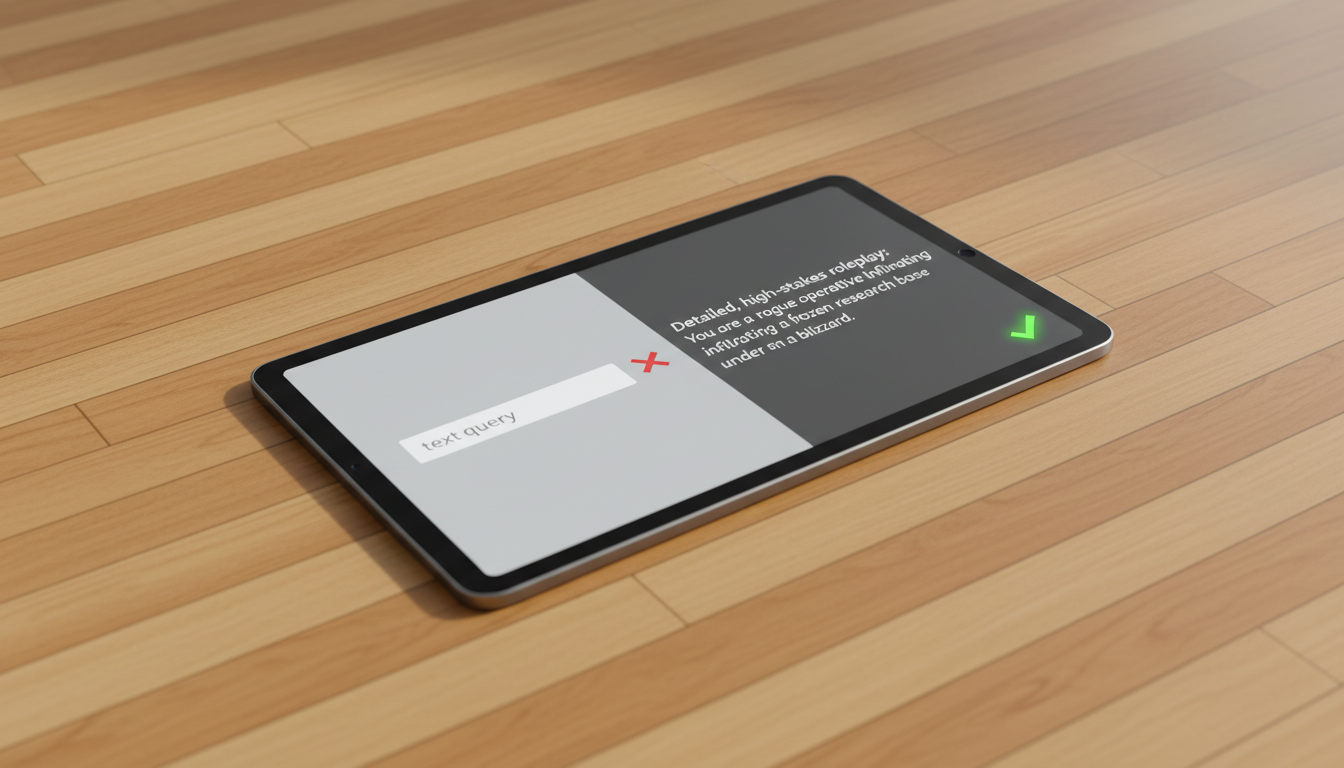
- Context: Where are you? What just happened? (e.g., "We are in the film room after a game-winning shot.")
- Persona: Who is the AI, and who are you? (e.g., "You are the veteran point guard; I am the rookie who just missed the rotation.")
- Stakes: What is on the line? (e.g., "If we don't fix this play, we lose our spot in the playoffs.")
Let's compare how a standard, low-effort query stacks up against a CPS-engineered prompt:
| Query Type | Example Prompt | Expected Outcome |
|---|---|---|
| Weak / Static | "Can you give me advice on how to get better at basketball?" | A generic list of drills (dribbling, shooting) that reads like a basic physical education textbook. |
| Strong / CPS Framework | "You are a legendary, hyper-competitive shooting guard. I am a rookie who just missed the game-winning layup. We are sitting in an empty locker room after the game. Give me the tough-love speech I need to hear to get back in the gym tomorrow." | A highly immersive, emotionally charged monologue packed with athletic intensity, personal accountability, and raw motivation. |
Creators looking to elevate their content even further can combine these written frameworks with our comprehensive guide on directing a celebrity chatbot with voice to add convincing vocal elements, inflection, and pacing to their roleplays, turning text chats into full-blown audio experiences.
Fanfun’s Roster: Bringing Interactive Sports Fandom to Life
Traditional fan engagement platforms often feel static and transactional. You pay a premium, wait days for a generic, 15-second video shoutout, and have zero opportunity to respond or collaborate. Fanfun completely redefines this dynamic, turning passive spectators into active participants.
With our growing library of virtual athletes and cultural icons, you can spin up a fully interactive chat in seconds. The experience is highly customizable, affordable, and immediate. More importantly, Fanfun allows you to seamlessly bridge the gap between text and multimedia. Once you have crafted the perfect locker-room speech or press conference banter through our chat interface, you can easily transition those scripts into custom voiceovers and personalized videos, creating a rich, multi-sensory fan experience that traditional platforms simply cannot match.
Ethical Play: Keeping Sports Roleplay Fun and Respectful
While interactive AI technology offers unprecedented creative freedom, it is vital to approach sports roleplay with a sense of sportsmanship and respect. Virtual athletes on Fanfun are sophisticated AI interpretations designed for entertainment, creative brainstorming, and fan engagement—they are not exact clones of real-world individuals, nor do they speak officially on behalf of the athletes themselves.
Understanding how these sandbox environments work for creative writing and character exploration helps maintain a healthy, fun boundary. Keep your scenarios focused on the spirit of the game, tactical strategy, and lighthearted entertainment. Avoid generating content that misrepresents an athlete's real-world personal life or spreads harmful misinformation. By keeping the play clean, we preserve the integrity of both the technology and the sports we love.
How do I make an AI athlete sound more realistic during an online chat?
To get a more realistic response, use the CPS (Context, Persona, Stakes) framework. Give the AI a specific mood (e.g., "hyper-competitive," "calm and analytical"), set a realistic sports setting (like a post-game press conference or film room), and define your relationship to them (such as a rookie teammate or a rival reporter).
Can I use virtual athlete chats to write sports fiction or video scripts?
Absolutely! Many content creators use Fanfun's interactive chats to brainstorm dialogue, draft comedic sports reels, or map out dramatic narratives for sports fiction. It acts as a collaborative writing sandbox that responds in real-time.
What is the difference between chatting with a virtual athlete and ordering a traditional video shoutout?
Traditional video shoutouts are expensive, one-way, and can take days or weeks to deliver. Fanfun's virtual athlete chats are instant, highly affordable, and fully interactive, allowing you to have a back-and-forth conversation, run custom roleplay scenarios, and even generate custom voiceovers in real-time.
Can I get personalized workout motivation from an AI sports coach?
Yes! By prompting the virtual athlete to act as your personal coach or trainer, you can describe your physical goals or the workout routine you are struggling with. They will deliver customized, high-energy motivational speeches or strategic advice to help you push through your plateaus.