Beyond Wikipedia: How to Direct Immersive AI Chats with Historical Figures (Without the Dry Scripting)
Tired of AI historical figures acting like dry encyclopedias? Learn how to break the 'Wikipedia Trap' using advanced prompting, system steering, and interactive tools to co-write, debate, and brainstorm with history's greatest minds.
Imagine sitting down with Julius Caesar on the eve of crossing the Rubicon, or debating the ethics of power with Niccolò Machiavelli over a virtual cup of coffee. The promise of interactive AI is that it can bring history’s most compelling minds back to life for dynamic, two-way conversations. Whether you are a creative writer looking for authentic dialogue, an educator trying to spark student interest, or a history buff seeking deep philosophical debates, the potential is massive.
Yet, if you have ever tried chatting with historical figures on standard, free AI platforms, you have likely run into a frustrating wall. Instead of a fiery general or a witty philosopher, you get a polite, sanitized, and deeply dry assistant that reads like a walking Wikipedia entry. At Fanfun, we believe interactive character play should feel alive, unpredictable, and creatively rich. To break free of the robotic mold, you need to stop asking search-engine questions and start directing your AI characters with specific biases, cultural contexts, and emotional stakes.
The 'Wikipedia Trap' of Free Historical AI Chats
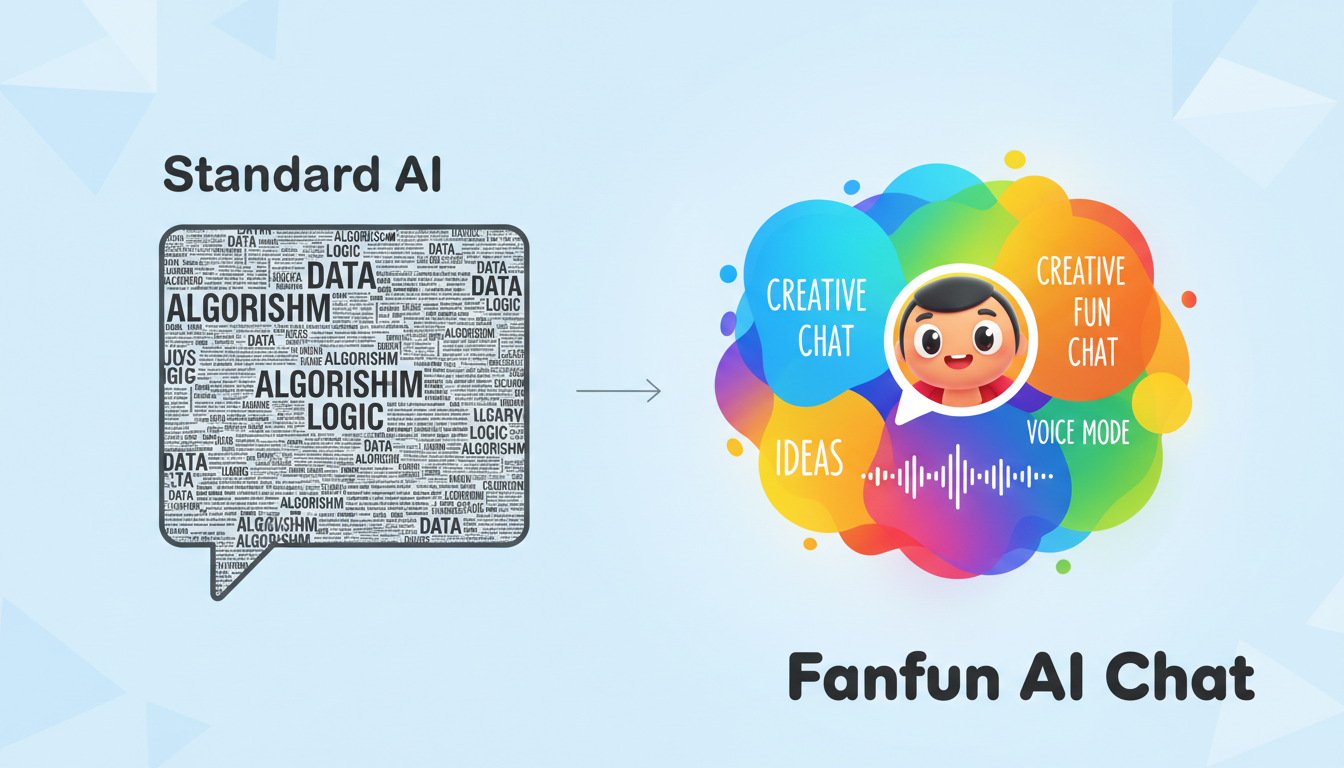
Most standard Large Language Models (LLMs) are optimized for utility, safety, and neutrality. When you prompt a basic AI with “Act like Napoleon Bonaparte,” the underlying system immediately filters the request through its standard helpful assistant persona. The result is what we call the “Wikipedia Trap”: the AI defaults to dry, textbook summaries of historical events, constantly apologizing for its limitations and speaking in a sanitized, modern academic tone.
To get real value out of these interactions, you must shift from passive fact-retrieval to active, character-driven roleplay. Consider the difference between these two approaches:
- Passive Fact-Retrieval: “Napoleon, why did you invade Russia in 1812?” (This triggers a generic list of historical causes you could find in any high school textbook.)
- Active Character Roleplay: “Napoleon, your advisors are whispering that the Russian campaign is madness. Defend your honor. Why must we march?” (This forces the AI to adopt a defensive, prideful, and strategically focused persona, speaking directly to you as a trusted confidant or a challenging peer.)
By shifting your prompts from simple questions to situational setups, you force the AI to bypass its default encyclopedic mode. Setting clear emotional states, personal stakes, and historical biases instantly elevates the quality of the chat, transforming a flat Q&A into a dramatic, high-substance narrative sandbox.
Setting the Stage: 3 Conversational Prompts That Break the Mold
To help you bypass the boring fact-bot responses, we have designed three highly effective prompting frameworks. You can copy, paste, and adapt these templates into your favorite AI chat engine to spark immediate, high-retention character interactions.
1. The 'Time-Traveler's Culture Shock' Prompt
This framework forces a historical figure to react to modern inventions, cultural shifts, or technology. It is a brilliant way to test their core philosophy against the absurdities of the modern world.
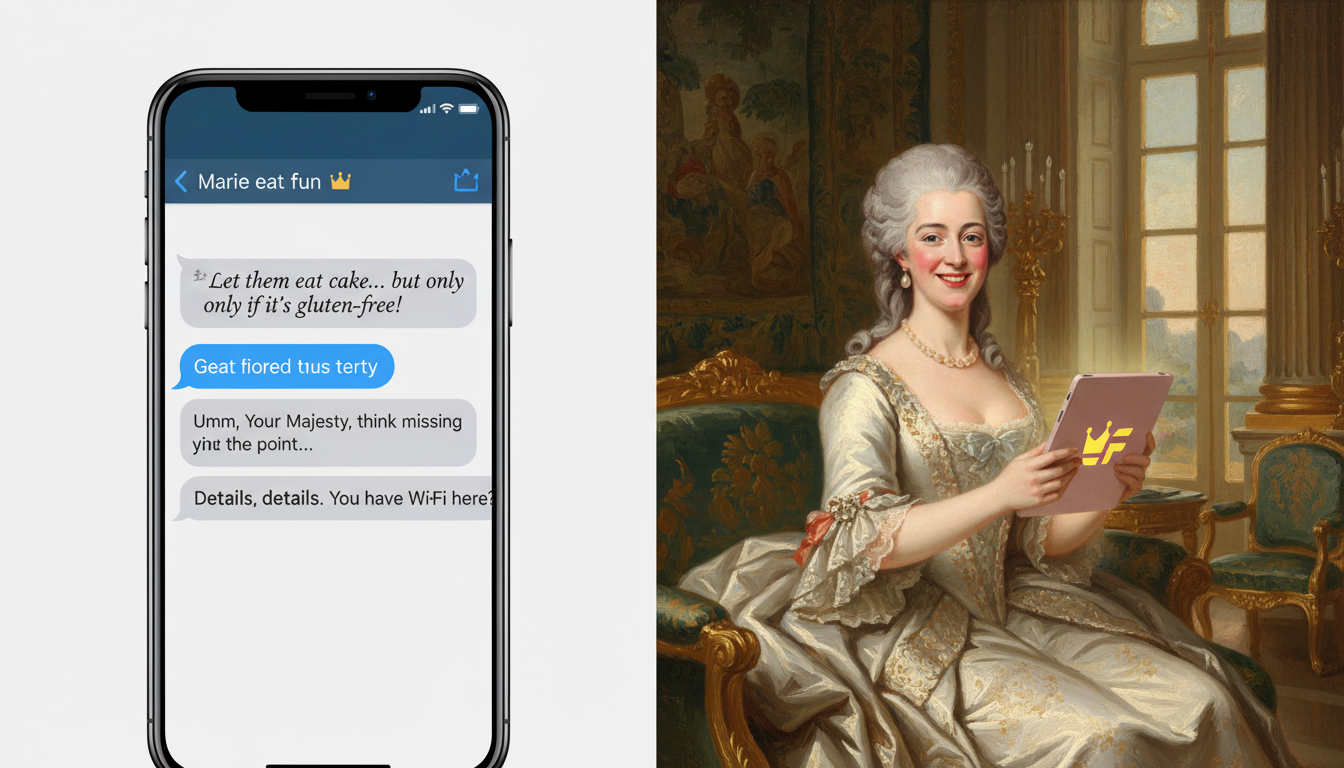
“You are Joan of Arc in the year 1431, but you have been temporarily pulled through a temporal rift into a modern living room. You do not know what electricity, smartphones, or the internet are. I am showing you a modern social media app called TikTok, where people dance for digital validation. Respond to this modern phenomenon using your intense 15th-century religious devotion, military mindset, and cultural confusion. Do not break character. Do not use modern slang.”
2. The 'Philosophical Roast' Prompt
Use this prompt to set up an intellectual debate where the AI must actively defend their most controversial historical decisions or writings. This is perfect for deep-diving into historical text without the dry lecture format.
“You are Niccolò Machiavelli, defending the core arguments of 'The Prince'. I am a modern ethicist who believes your political philosophy is ruthless and morally bankrupt. We are having a sharp, witty debate. You must defend your actions and writings using historical context, pragmatic logic, and a touch of Florentine cynicism. Challenge my modern idealism at every turn. Keep your responses concise and punchy.”
3. The 'Creative Collaborator' Prompt
This setup uses historical figures as sounding boards for modern, practical problems. It forces the AI to translate their historical expertise into actionable, contemporary advice.
“You are Cleopatra VII, the last active ruler of the Ptolemaic Kingdom of Egypt. You are a master of diplomacy, public image, and strategic alliances. I am a startup founder trying to negotiate a partnership with a massive, intimidating competitor. Give me advice on how to handle this negotiation, drawing directly from how you navigated your relationships with Julius Caesar and Mark Antony. Speak with the authority, charm, and calculation of a queen.”
The Conversation Designer's Toolkit: Pacing, Tone, and Bias
Even with a great starting prompt, an AI character can occasionally drift back into modern assistant behavior or start sounding too academic. To keep the immersion alive, you need to act as a conversation designer, using active steering and mid-chat corrections.
If the AI starts giving long-winded, textbook-style answers, do not hesitate to break character for a split second to steer the system, or write a correction directly into your narrative response. For example, if Socrates starts talking about “as an AI, I cannot feel emotions,” you can reply with: “Socrates, stop speaking like a modern machine. You are in the Athenian Agora, holding a cup of hemlock. Answer me with your signature irony.” This immediate correction forces the model back onto its narrative track.
Another crucial balance to strike is historical accuracy versus modern accessibility. While it might be tempting to have Shakespeare speak in dense, unreadable Early Modern English, it can quickly stall a fast-paced chat. Instruct your AI to use “suggestive period-accurate cadence and vocabulary, but keep the dialogue accessible to a modern listener.” This ensures the flavor of the era remains intact without sacrificing the flow of your writing sandbox.
To truly master this level of control, creators often look for dedicated environments built specifically for roleplay. Explore our complete guide on directing interactive AI character chats to master the art of setting up complex conversational sandboxes. By using platforms designed around character-driven prompt engineering rather than simple search utility, you gain access to deeper narrative memory, finer emotional controls, and more consistent character voices.
Comparing Free Historical AI Tools vs. Dedicated Creative Sandboxes
Not all AI chat environments are created equal. If you are trying to decide where to host your historical interactions, it is important to understand the trade-offs between standard free LLMs, educational history bots, and advanced creative platforms like Fanfun.
| Feature / Metric | Standard Free LLMs (e.g., ChatGPT, Claude Free) | Educational History Bots | Fanfun AI Chat Engine |
|---|---|---|---|
| Character Consistency | Low (frequently breaks character to explain facts or safety policies) | Medium (highly factual but lacks emotional depth) | High (built specifically to maintain persona, tone, and bias) |
| Emotional Range | Flat, polite, and overly helpful | Academic and passive | Dynamic (capable of wit, sarcasm, pride, and drama) |
| Multi-Modal Capabilities | Text only (or generic text-to-speech) | Text only | Seamless transition from Text to Voice and Video |
| Ease of Use for Creators | Requires complex, repetitive system prompting | Pre-configured but highly restrictive | Intuitive, creator-first sandbox with exportable assets |
While basic tools are fine for quick, casual lookups, they fall short when you want to build a real creative asset. Understand the hidden trade-offs of basic tools by reading our breakdown on why most free AI voice generators fall short for creators. If you are a content creator looking to turn these chats into high-retention videos, parodies, or educational social media content, you need a platform that treats characters as performers rather than search bars.
From Text to Voice: Breathing Life Into Historical Dialogue
Once you have directed a brilliant, witty historical chat, the creative journey does not have to end in a text box. For content creators, educators, and podcasters, the real magic happens when you transition those text transcripts into fully voiced, high-impact media.
Imagine turning your chat transcript with Cleopatra or Julius Caesar into an animated short, a TikTok debate series, or an audio drama. By exporting your chat scripts and running them through an advanced AI voice generator, you can give your historical figures distinct, period-appropriate accents, dramatic pacing, and realistic emotional cadences. Instead of reading flat text, your audience gets to hear the weary sigh of an emperor or the sharp, fast-talking wit of a Renaissance philosopher.
At Fanfun, we have built a multi-format ecosystem designed to take you from concept to final media asset in minutes. You can start by co-writing a script through our interactive AI Chat, refine the dialogue, and then instantly generate a voiced version using our character-rich voice engine. Learn how to scale up your projects with our conversation designer's guide to directing voice chatbots to discover how to seamlessly bridge the gap between text, voice, and visual storytelling.
By treating AI historical figures as dynamic actors rather than static textbooks, you open up a world of creative freedom. Stop asking for facts, start setting the stage, and let history's greatest minds surprise you with their personality.
Is there a free AI to talk to historical figures?
Yes, many standard LLMs allow you to roleplay with historical figures for free, but they often default to dry, encyclopedic responses. For a more engaging, character-driven experience with dynamic personalities and voice options, platforms like Fanfun offer dedicated interactive sandboxes designed specifically for deep fandom, creative writing, and content creation.
How do I make an AI chat with a historical figure feel realistic?
To make the chat feel realistic, avoid asking simple factual questions. Instead, set a specific scene, establish an emotional state, and give the character clear personal stakes or biases. Use prompting frameworks like 'The Philosophical Roast' or 'Time-Traveler's Culture Shock' to force the AI out of its default textbook-style persona.
Can I use AI historical chats for creative writing and scriptwriting?
Absolutely! Co-writing with an AI historical figure is an excellent way to generate authentic dialogue, brainstorm character motivations, and draft scripts for podcasts, TikToks, or educational videos. You can run the resulting text through voice generators to create fully produced audio dramas.
Are historical AI chats historically accurate or do they hallucinate?
AI historical chats are creative interpretations, not perfect historical records. While they draw on vast amounts of historical data, they can and do hallucinate facts to keep the narrative flowing. Always double-check critical facts if you are using the chat for formal academic research, but embrace the creative flexibility if you are writing or creating content.