The Conversational Sandbox: How to Direct Interactive AI Chats with Cultural Icons for Creative Writing and Deep Fandom
Move beyond passive fandom. Learn how to use interactive AI chat tools to collaborate with digital personas of cultural icons, stress-test your creative writing, and build unique scripts.
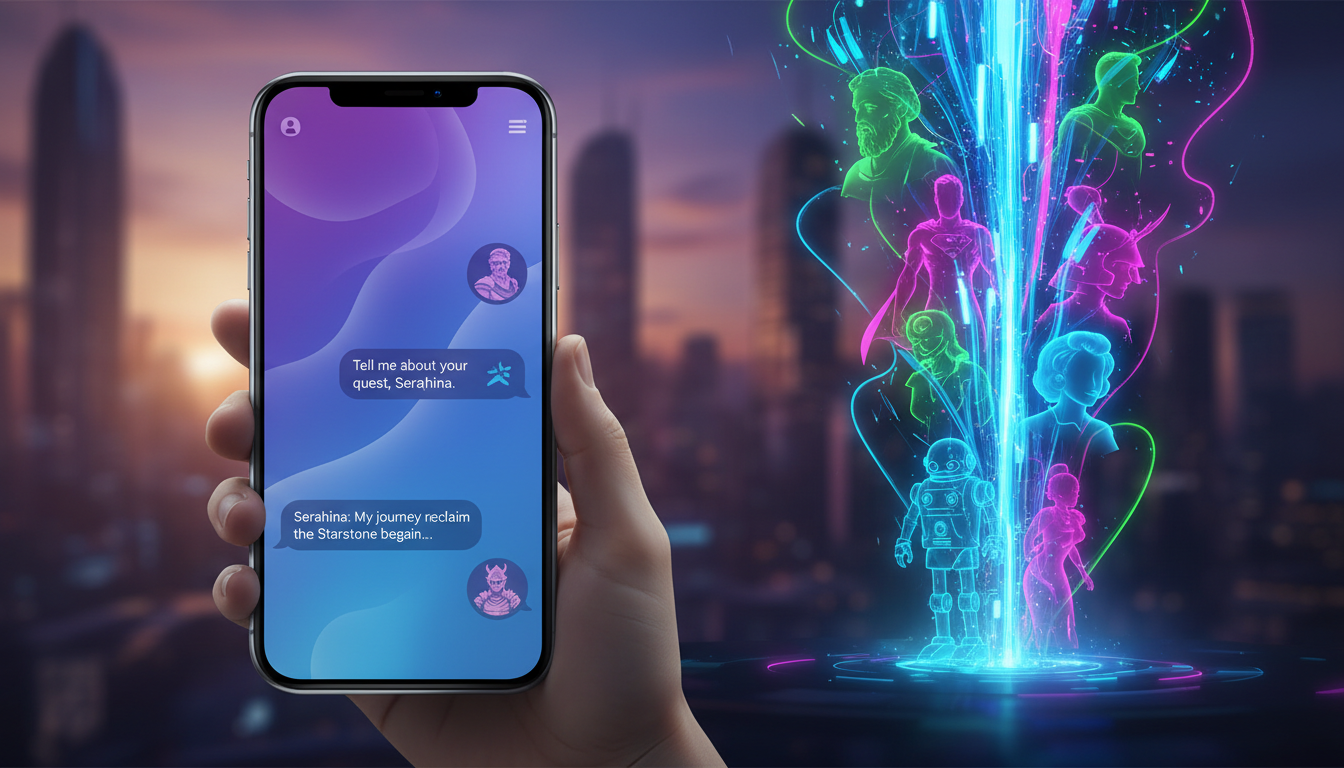
Fandom has long been a spectator sport. For decades, we watched our favorite characters on screen, read wiki pages, and argued in forum threads about what a character would have done in a deleted scene or a hypothetical sequel. But static media has its limits; eventually, the credits roll, and the story stops, leaving fans to fill the void with silent speculation.
Enter the conversational sandbox. With the rise of advanced, responsive AI, fans and creators are no longer passive observers. By engaging in real-time, bidirectional dialogue with AI-driven personas, we can stress-test our creative writing, explore deep lore, and construct entirely new narratives. This guide outlines how to direct these interactive sessions to unlock rich, character-driven collaborations that fuel your creative projects.
The Shift from Passive Fandom to Collaborative Dialogue
Fandom has historically been a one-way street. We consumed media, bought merchandise, or wrote static fanfiction in isolated corners of the internet. If you wanted to explore a "what-if" scenario—such as how a classic sci-fi captain would handle a modern corporate crisis—you had to write both sides of the script yourself. This approach often lacked the friction and spontaneity of a real conversation, making it difficult to find unexpected narrative directions.
Interactive AI chat changes this dynamic entirely. Instead of writing in a vacuum, you can now pitch ideas, debate philosophies, and co-write scenes with an active digital counterpart. This bidirectional flow provides immediate feedback, forcing you to defend your creative choices or adapt to an unexpected in-character response. As you explore why cult classic icons deserve modern interactive tributes, it becomes clear that these tools do not replace original fandom; rather, they revitalize it by turning static appreciation into an active, collaborative playground.
Platforms like Fanfun are bridging this gap by hosting highly responsive, context-aware AI personas that go beyond simple, repetitive text templates. By interacting with these dynamic digital entities, creators can unlock nuanced dialogue, test character motivations, and generate fresh content ideas in minutes rather than hours.
Framing the Interaction: Three Archetypal Chat Modes
To get the most out of an AI icon chat, you must establish the "rules of engagement" early in the conversation. If you treat the AI as a generic search engine, you will receive generic, encyclopedic answers. Instead, you need to frame the interaction using a specific creative lens.
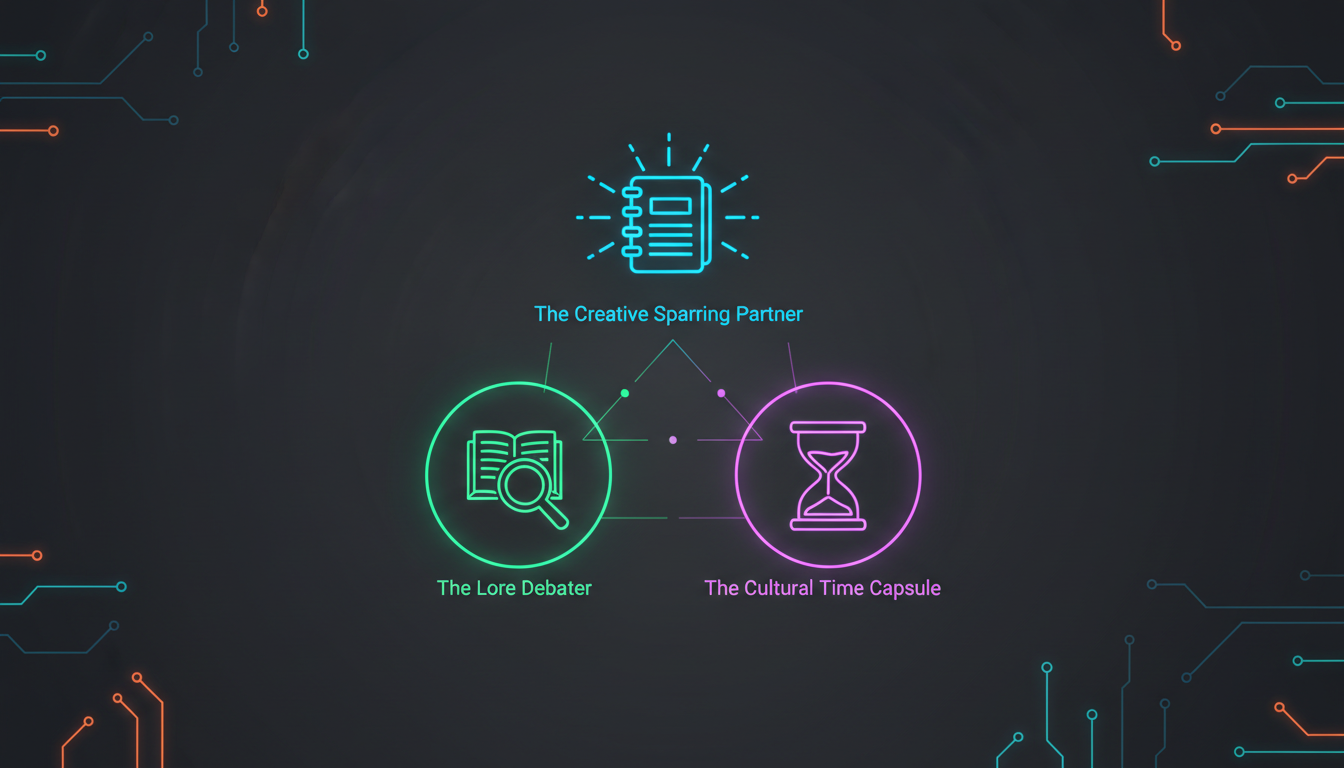
Depending on your project goals, we recommend adopting one of three archetypal chat modes: The Creative Sparring Partner, The Lore Debater, or The Cultural Time Capsule. Setting this boundary at the start of your session ensures the AI adopts the correct tone, depth, and boundary limits.
| Chat Mode | Core Objective | Ideal Prompting Style | Expected Output |
|---|---|---|---|
| The Creative Sparring Partner | Co-write scenes, test dialogue flow, and brainstorm plot points. | Collaborative, situational, and action-oriented. | Dynamic script drafts, alternative dialogue options, and plot solutions. |
| The Lore Debater | Challenge character motivations, analyze canon events, and explore crossovers. | Analytical, inquisitive, and deeply specific. | In-character philosophical defenses, lore-accurate theories, and universe-building. |
| The Cultural Time Capsule | Interview historical or retro icons using period-accurate perspectives. | Immersive, contextual, and historically framed. | Authentic slang, period-specific viewpoints, and cultural commentary. |
Establishing these modes early prevents the AI from breaking character or slipping into generic assistant language, keeping your creative momentum intact.

A Deep Dive into the Three Modes
The Creative Sparring Partner
This mode is designed for writers, content creators, and scriptwriters who need a sounding board. Instead of asking the AI to write a scene for you, invite the character to participate in the scene with you. For example, if you are writing a comedy sketch featuring a dramatic anime protagonist, start the chat by establishing the scene: "You are standing in line at a local DMV, and your patience is wearing thin. I am the clerk behind the desk. Let's improvise a scene where you try to explain why you need a license for a giant mechanical robot."
By setting a high-stakes, mundane conflict, you force the AI to adapt its grand, heroic persona to a ridiculous, real-world situation. This contrast naturally generates comedic friction and unique dialogue lines that you can directly port into your creative scripts.
The Lore Debater
For superfans and lore enthusiasts, this mode is the ultimate tool for exploring the margins of a fictional universe. Use this mode to challenge a character's choices or explore unresolved plot threads. Instead of asking, "Why did you make that choice in season three?" try a more provocative approach: "If you had trusted your mentor instead of acting alone during the final battle, do you think the kingdom would have fallen anyway? Defend your decision."
This style of prompt forces the AI persona to draw upon its embedded lore knowledge to construct a reasoned, in-character defense. It allows you to explore the psychological depth of the character, providing excellent material for analytical video essays, fan theories, or deep-dive blog posts.
The Cultural Time Capsule
The Cultural Time Capsule mode is perfect for interviewing historical figures, retro celebrities, or icons from specific eras. To make this mode work, you must establish a strict temporal boundary. If you are chatting with a 1920s jazz icon, instruct the AI to ignore all cultural, technological, and political developments after 1929.
Ask questions that highlight the contrast between their era and ours: "How would you describe the energy of a modern electronic music festival to someone who has only ever heard a live brass band?" The resulting dialogue will be rich with period-accurate slang, metaphors, and cultural perspectives, offering a fascinating, immersive look at how historical figures might perceive our modern world.
The Prompting Playbook: How to Guide an Icon's AI Persona
Getting high-quality, authentic responses from an AI persona requires moving past basic, open-ended questions. If you ask an AI character, "Tell me about yourself," you will likely get a generic summary pulled straight from a fan wiki. To unlock the true potential of the sandbox, you must construct prompts that establish stakes, relationships, and emotional baselines.
Use the following structural template when initiating a high-quality character chat:
- The Context: Define the physical setting and the current situation (e.g., "We are sitting in a quiet diner at 3:00 AM after a failed mission").
- The Relationship: Establish who you are in relation to the character (e.g., "You are my retired mentor, and I am your former student looking for advice").
- The Tone/Emotion: Set the mood of the interaction (e.g., "You are exhausted, slightly cynical, but ultimately protective").
- The Catalyst: Provide a specific problem or question to kickstart the dialogue (e.g., "I am thinking about giving up on our cause. Tell me why I shouldn't").
By defining these parameters, you give the AI a clear behavioral map. If you want to see how these prompt frameworks operate within a broader creative ecosystem, check out our complete guide to Fanfun's instant videos, voices, and interactive chat to understand how different creative formats can feed into one another.
Integrating AI Chats into Your Content Creation Workflow
A great AI chat session shouldn't live and die inside a single browser tab. For digital creators, writers, and social media managers, these raw chat transcripts are highly valuable creative raw materials. You can easily transition a compelling text conversation into polished, multi-platform media.
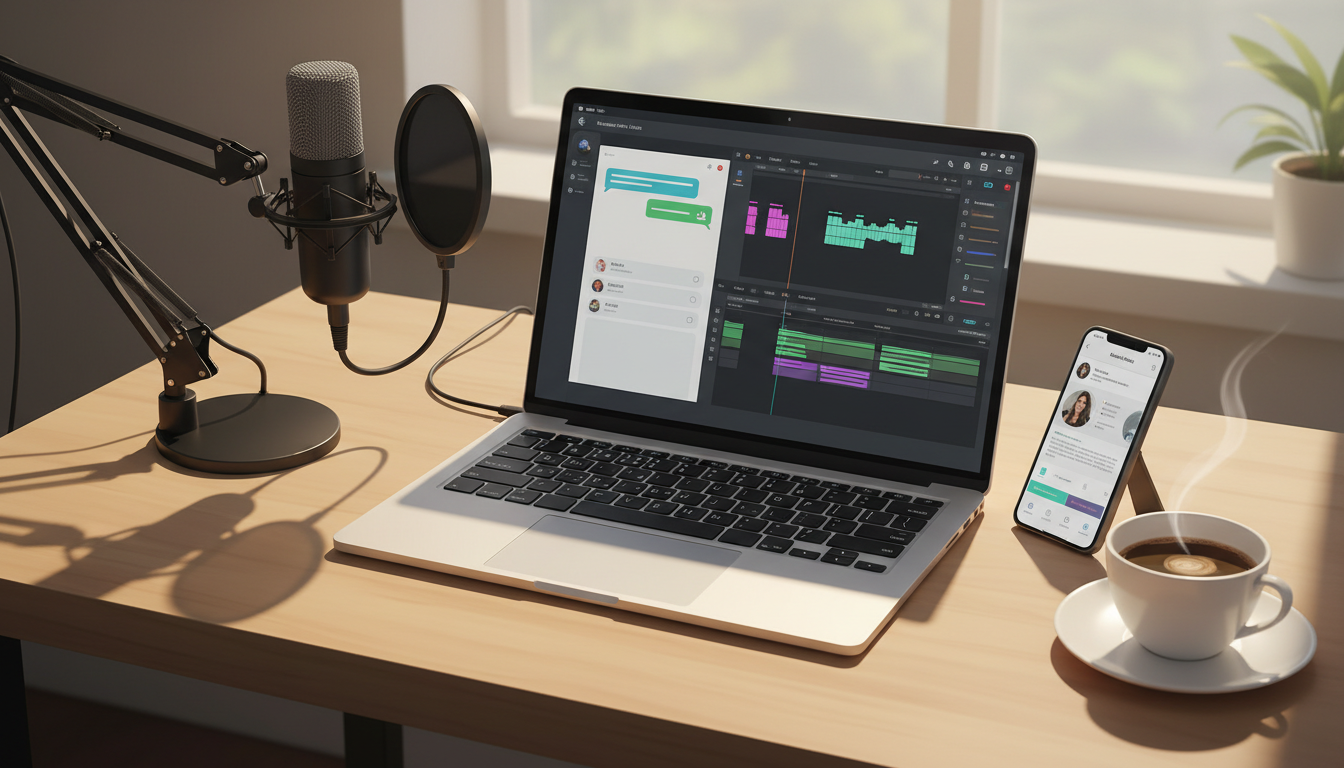
First, review your chat log and highlight the moments of peak tension, comedy, or insight. Copy these segments into a script editor and begin the human editing process. AI-generated dialogue is a fantastic starting point, but it often needs a human touch to refine the pacing, trim redundant sentences, and sharpen the comedic timing.

Once you have polished the script, you can take the content to the next level by bringing the voices to life. By mastering AI voice generation for cultural icons, you can convert your written dialogue into highly realistic audio tracks. These audio files can then be paired with video editing software to create engaging TikToks, YouTube Shorts, or animated parodies that stand out in crowded social media feeds.
Navigating the Boundaries of AI Interpretation
As you dive deeper into the conversational sandbox, it is important to maintain realistic expectations regarding the technology. AI personas are creative interpretations designed to capture the essence, tone, and recognizable mannerisms of an icon—they are not literal, sentient clones. Recognizing this distinction is key to enjoying the collaborative process without getting bogged down by minor factual inaccuracies.
Furthermore, ethical creators should always respect intellectual property. Use these interactive tools as a starting point for original, transformative fan works, parody, and creative brainstorming rather than attempting to pass off AI-generated dialogue as official, canon material. By treating the AI as an interactive sketchpad, you can push the boundaries of your own creativity while celebrating the cultural icons that inspire you.
How do I make an AI chat with a fictional character feel more realistic?
To increase realism, avoid generic questions. Instead, set a specific, high-stakes scene, define your relationship to the character, and establish an emotional starting point. Giving the AI a concrete situation to react to prevents it from slipping into generic assistant behavior.
Can I use AI icon chat transcripts to write fanfiction or scripts?
Absolutely. Many writers use AI chats to brainstorm dialogue ideas, test how a character might react to a specific plot point, or overcome writer's block. However, you should always edit and polish the transcript to ensure the final narrative flow and pacing feel natural and uniquely yours.
What is the difference between static AI chat and interactive celebrity voice tools?
Static AI chat focuses entirely on text-based dialogue and character roleplay. Interactive voice and video tools, like those offered on Fanfun, take these textual personas and combine them with dynamic audio and visual generation, allowing you to create fully voiced messages, roasts, or promos.
Are AI chats with cultural icons free of copyright issues for personal use?
Yes, engaging in personal, private chats with AI characters is a form of interactive fandom, similar to reading or writing fanfiction. If you plan to use the transcripts to create public content, ensure your work is transformative, clearly marked as a creative interpretation or parody, and respects platform guidelines.