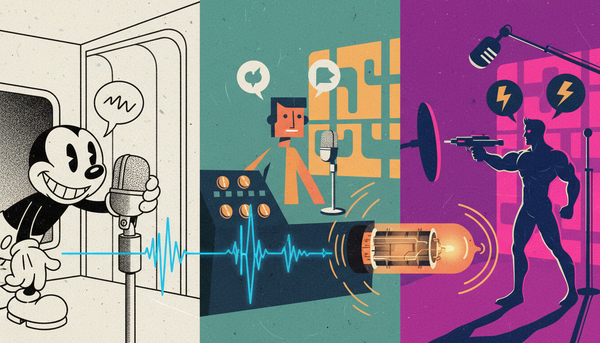
Beyond the Impression: Mastering AI Voice Generation for Cultural Icons
AI voice generation is shifting from simple mimicry to a powerful storytelling tool. Learn how to blend iconic personas into your content with intention and precision.
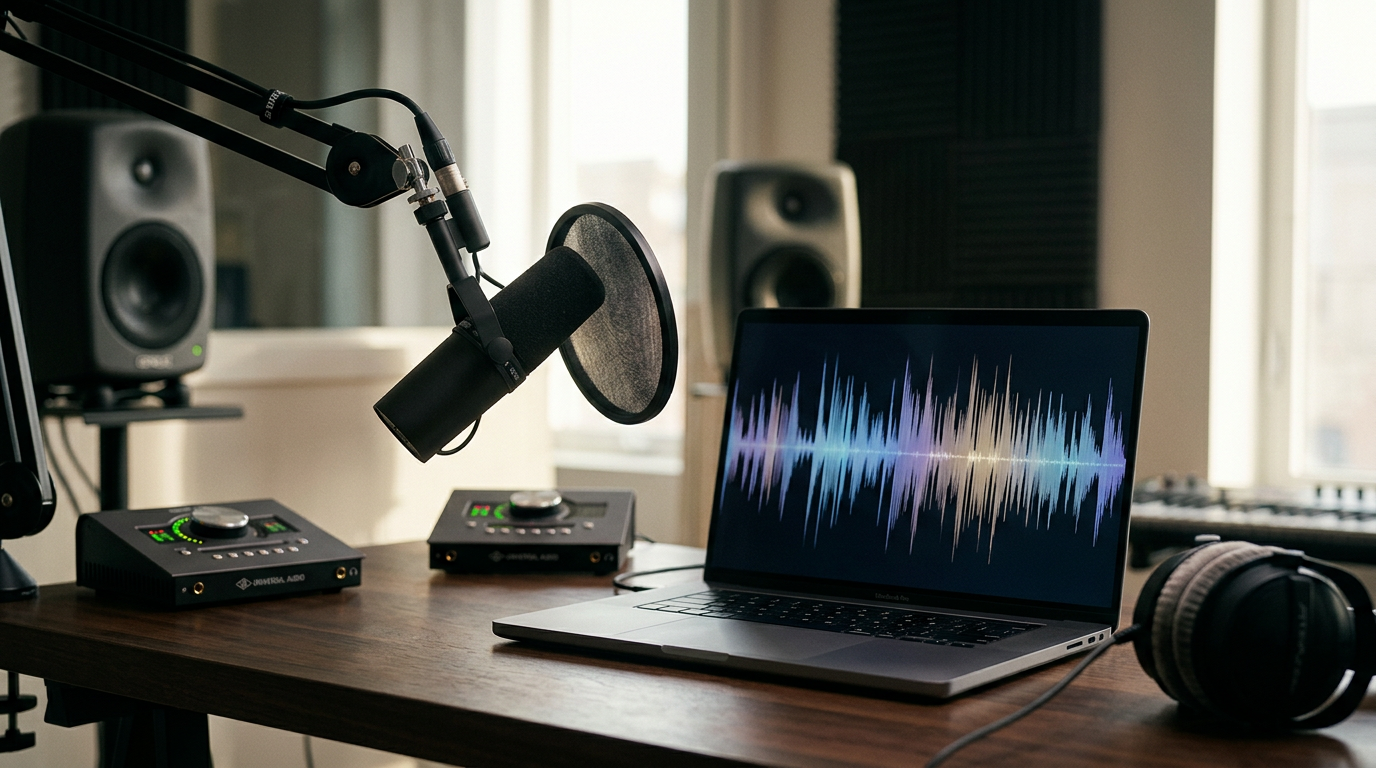
For decades, the ability to mimic a cultural icon was a gatekept skill, requiring years of vocal training and a natural ear for cadence. Today, that barrier to entry has vanished. AI voice generation has transformed the impression from a party trick into a scalable, high-fidelity asset for modern content creators. The question for today’s storyteller is no longer whether you can sound like a famous figure, but how that voice serves your specific narrative arc and emotional intent.
At Fanfun, we observe this transition in real-time. Creators are moving away from testing the novelty of a sound and toward asking, "What should this character say to drive my story forward?" By democratizing high-fidelity voice generation, platforms like ours allow creators to focus on script, pacing, and emotional resonance rather than struggling with the limitations of their own vocal range. It is about moving from simple imitation to intentional performance.
The Evolution of the Digital Impression
The modern creator operates in an attention economy where the first three seconds of a video dictate its success. Using an AI voice generator is not about replacing human creativity; it is about augmenting it with recognizable, evocative sounds that resonate instantly with an audience. Whether you are crafting a satirical sketch, an educational deep-dive, or a fan-fiction reimagining, the goal is to leverage the cultural capital of specific icons to anchor your narrative.
When you use a tool like the Donald Trump AI voice, you aren't just outputting text-to-speech; you are invoking a specific rhythm, cadence, and set of speech mannerisms that the audience already understands. This shorthand allows you to skip the exposition and get straight to the punchline or the educational point. The most successful creators treat these voices as characters in a play, assigning them roles that play to their established archetypes.
Creative Use Cases: From Satire to Storytelling
The most effective use of AI voice technology happens when the voice is integrated into a larger, cohesive framework. Simply slapping a famous voice onto a generic script often feels hollow; instead, consider how the voice can elevate the medium. For educational creators, using a recognizable, authoritative voice to explain complex history can increase viewer retention by providing a familiar auditory anchor. In satire, the key is contextual framing—ensuring the audience understands the lens through which the character is speaking.
Fan-driven projects are finding new life through these tools. Creators are building alternate universe narratives where icons interact in ways that were previously impossible. By integrating these voices into scripted sketches or short-form video content, creators can produce high-quality, professional-grade results that feel like a polished production. Whether it is a lighthearted scenario featuring Hello Kitty or a more intense, dramatic monologue, the flexibility of the platform allows for a range of tones that were previously inaccessible to independent creators. The ability to pivot between genres—from the high-octane energy of a blockbuster action star to the gentle, iconic presence of a beloved cartoon character—allows creators to maintain a consistent brand voice while experimenting with diverse content formats.
Evaluating AI Voice Quality and Nuance
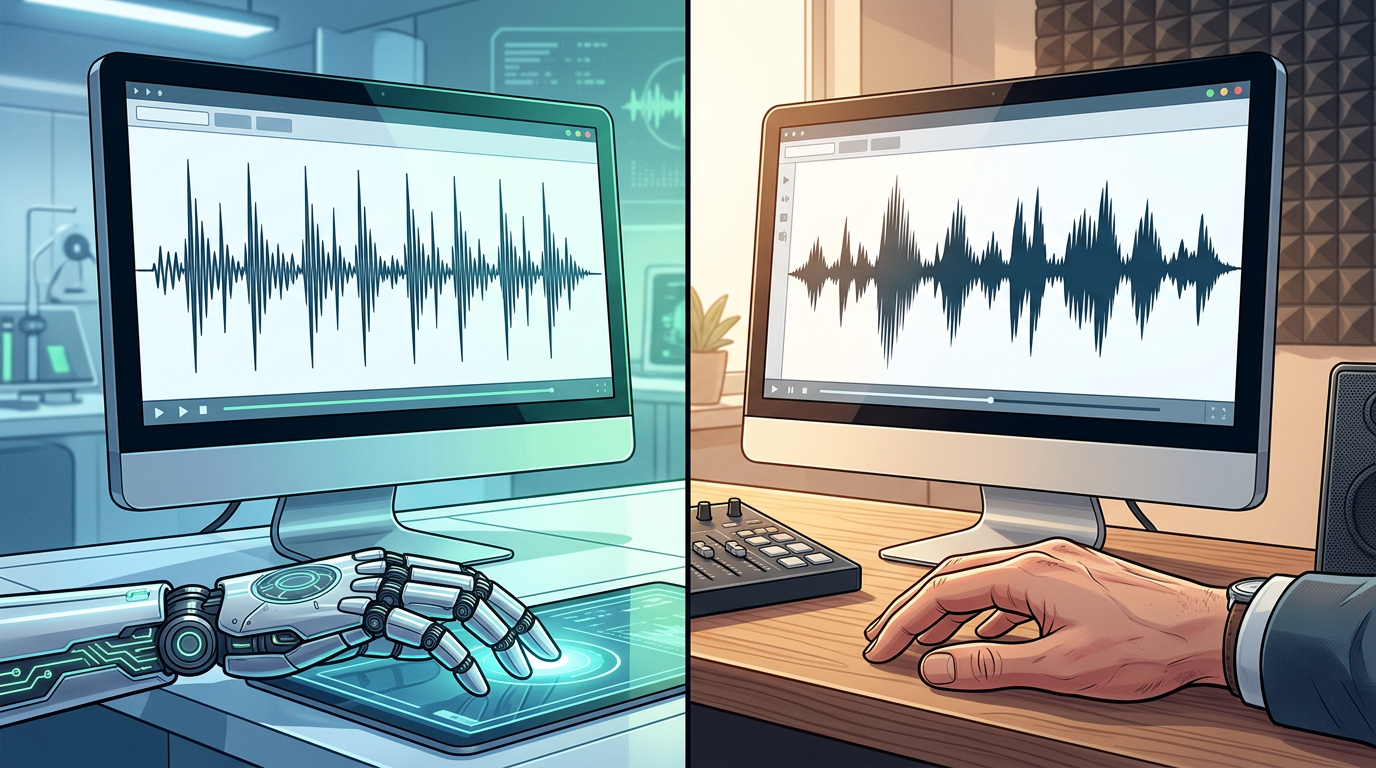
Not all AI voices are created equal. A "gimmicky" voice generator often results in a flat, monotone delivery that fails to capture the subtle inflection points of a real person. To determine if a tool is suitable for professional content, you must listen for the rhythm. Does the AI handle mid-sentence pauses? Does it emphasize the right keywords? If you are looking at a specific example like The Rock Dwayne Johnson persona, the quality should be measured by how well it captures the unique, high-energy cadence and specific speech patterns that define that persona. Professional-grade output requires that the AI understands the weight behind the words.
The Performance Checklist
- Cadence: Does the rhythm match the persona's natural speed and breathing patterns?
- Inflection: Does the AI capture the rising and falling pitch at the end of sentences that signifies emotion?
- Emotional Range: Does the voice respond to the context of the script, or is it static?
- Clarity: Is the audio free of digital artifacts or robotic buzzing that distracts from the performance?
When testing tools, always run a sample script that contains both declarative statements and emotional questions. If the AI sounds identical in both, it lacks the performance-driven nuance required for high-quality storytelling. You want a tool that understands the difference between a whisper and a shout. This is where advanced AI models, like those powering the Dwayne Johnson AI, truly shine, as they are trained to interpret intent rather than just phonetics.
Building Your Digital Cast
The most successful creators don't rely on just one voice. They build a diverse library of characters to create dynamic, unpredictable content. Mixing political figures with pop culture icons creates a sense of scale and variety that keeps audiences engaged. For instance, pairing the high-energy, charismatic delivery of a celebrity icon with a more stoic or intellectual persona allows you to contrast different energy levels within a single video. This contrast is the secret sauce of viral content, as it creates a "clash of worlds" that viewers find inherently fascinating.
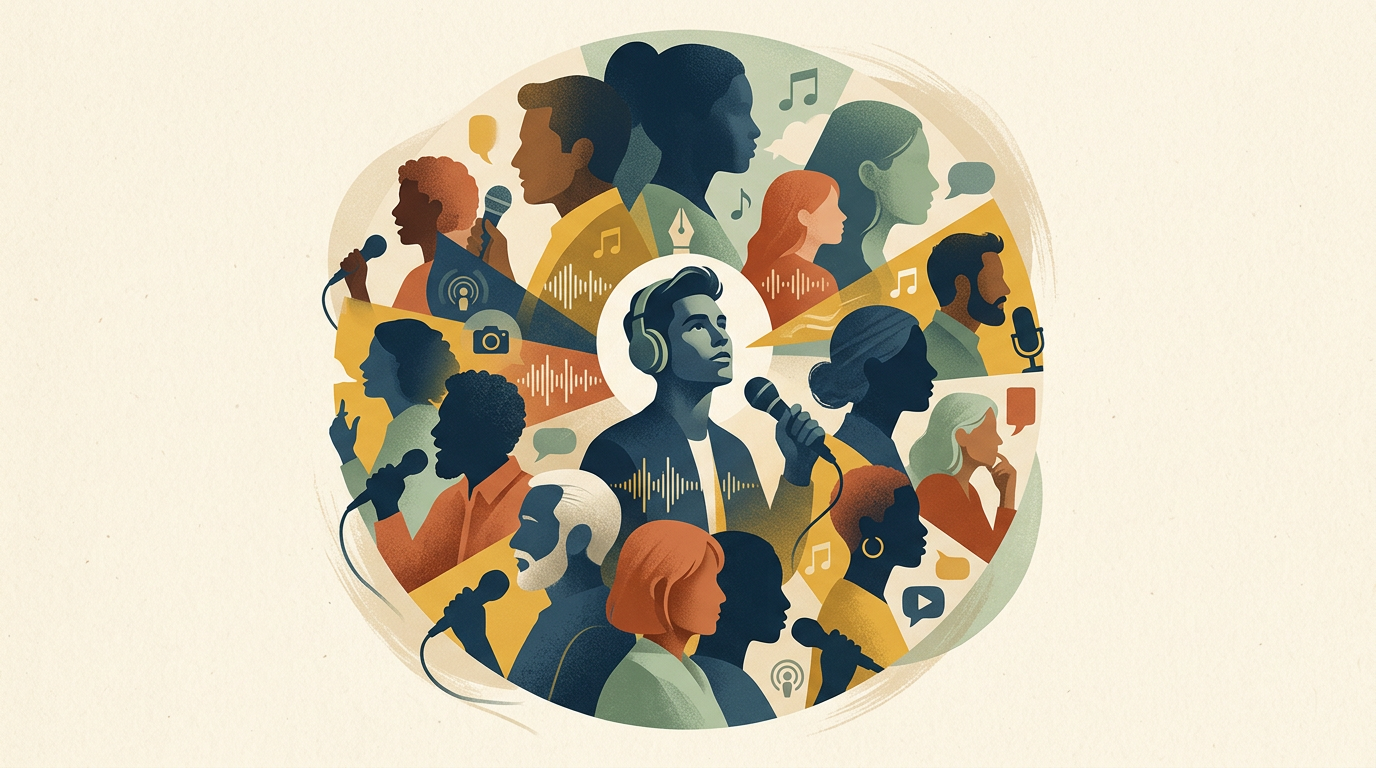
Think of your content as a casting director would. By leveraging a variety of voices—from the recognizable charm of Mickey Mouse to the gravitas of other cultural icons—you can create a rich, multi-layered experience. Using a recognizable voice can inject a specific level of intensity that balances out lighter, more whimsical characters, giving your project a unique tonal signature. Furthermore, for those looking for more contemporary cultural icons, the Sydney Sweeney persona offers a specific, recognizable tone that can be utilized for modern, trending content styles. By diversifying your "cast," you ensure that your channel remains fresh and that you aren't pigeonholed into a single type of content.
The Future of Interactive Fandom
We are moving toward an era where the audience expects more than just passive consumption. They want to interact with the characters they love. This is where the intersection of AI voice and chat technology becomes essential. By using tools that offer more than just a static voice—such as interactive AI personas that can engage in two-way conversations—creators can build deeper connections with their communities. Imagine a scenario where your followers can ask questions of an AI-powered character, receiving responses that sound and feel authentic to that icon. This level of engagement transforms a simple video into a community-building event, setting the stage for a new generation of digital creators who prioritize interaction over mere broadcast. Mastering these tools today means you are prepared for the inevitable shift toward hyper-personalized, character-driven media.
Best Practices for Ethical AI Content Creation
With great creative power comes the responsibility of transparency. Audiences value authenticity, and clear labeling of AI-generated content is the best way to maintain trust. At Fanfun, we advocate for using these tools to enhance creativity rather than to deceive or spread misinformation. When you produce content, consider your intent: are you adding value through satire, storytelling, or education? If the answer is yes, you are on the right track.
Always disclose the use of AI in your descriptions or on-screen, and ensure that your creative choices reflect a respect for the public figures you are emulating. By treating these AI personas as characters rather than tools for deception, you protect your reputation and build a more sustainable relationship with your audience. The future of fandom is interactive, and by mastering these tools, you position yourself at the forefront of a new era of digital storytelling.
Is it legal to use AI voice generators for public figures?
Laws regarding AI voice generation are evolving rapidly. Generally, using these tools for parody, satire, or creative storytelling is widely accepted, but you should avoid using them to create deceptive content or imply an official endorsement by the person represented.
How do I make an AI voice sound more natural and less robotic?
The key is in your script. Use punctuation to dictate pacing—commas for short pauses, periods for longer ones. Adding vocal cues or descriptive text can also help the model adjust its inflection to sound more human.
Can I use Fanfun for commercial content creation?
Yes, Fanfun is designed for creators, marketers, and brands. Our platform allows you to scale your content production, provided you adhere to local regulations regarding digital likeness and disclosure.
What is the difference between a voice generator and an AI persona?
A voice generator focuses on text-to-speech output, while an AI persona includes the voice plus a personality, memory, and conversational capability, allowing for two-way, interactive experiences.