Beyond the Laugh: How to Use AI to Bring Iconic Animation Voices to Life
AI voice generation has moved beyond simple mimicry. Discover how to leverage character-driven storytelling to create authentic, high-impact content that resonates with fans.
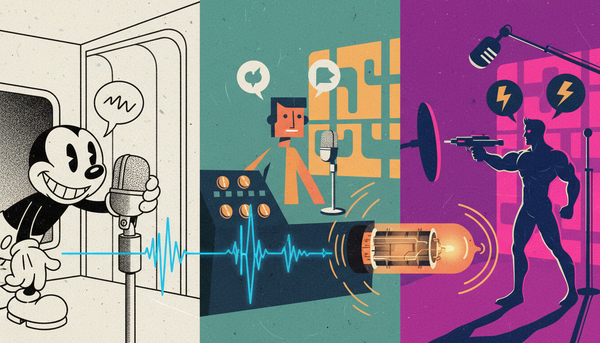
The landscape of digital fandom has shifted from passive consumption to active participation. For years, the promise of AI voice generation was hampered by a "robotic" delivery that stripped personality from the very icons fans loved. Early iterations struggled with the nuances of high-energy characters, often flattening the comedic timing or emotional range that makes animation feel alive. Today, the industry has evolved; modern creators are no longer looking for simple text-to-speech, but rather performance-based AI that interprets the spirit of a character rather than just reading a script.
This evolution is critical because modern fandom is built on community interaction. Whether you are a content creator looking to dub a skit or a fan crafting a birthday message, the goal is to bridge the gap between static, one-way media and interactive engagement. At Fanfun, we focus on this shift by providing tools that allow for dynamic, character-led interactions, ensuring the AI output feels like an extension of the character’s established personality rather than a hollow imitation.
The Evolution of Character Voice Generation
To truly understand why AI voice generation is the new standard for content creation, you have to look at the limitations of old-school audio synthesis. Older models treated every word with the same weight, ignoring the breath, the hesitation, and the manic energy that defines iconic animation. When you are working with a character as distinct as Spongebob Squarepants, you aren't just looking for an audio file; you are looking for a performance that captures the specific, high-pitched optimism of the character. The technology has matured to the point where, with the right script, you can capture that signature energy in a way that feels intentional and authentic to the source material.
The shift toward character-driven AI means that creators now have a powerful, scalable, and instant alternative to traditional voice-over work or expensive celebrity bookings. Where a platform like Cameo might be limited by the availability of the talent, an AI-powered platform allows you to generate content on your own timeline. This is not just about convenience; it is about creative freedom. You can iterate on a script, test different comedic deliveries, and produce high-quality audio files in minutes, allowing you to react to trending topics or viral moments with the speed that modern social media demands.
Mastering the Animation Sound: A Creator's Guide
High-energy characters present a unique challenge for AI. Because these characters are defined by their frantic, optimistic, and often erratic delivery, a standard flat reading will always fail to connect. To master this sound, you must prioritize script pacing. Use punctuation to dictate breath, pauses, and exclamation points to force the AI to capture that signature manic energy. Think of your script as a musical score; short, punchy sentences work significantly better than long, complex paragraphs when you are trying to emulate the cadence of a cartoon icon.
When you use an AI voice generator, don't just show a static image. Pair your audio with visuals that lean into the character’s absurdity. If you are creating a "day in the life" scenario or a fan-dubbed meme, the key is to match the AI’s cadence with the visual edit. Ensure the laughter or high-pitched excitement hits exactly when the video needs it most. This is the difference between a video that gets scrolled past and one that gets shared. By treating your script as a performance piece, you move beyond the "robotic" trap and turn a generic output into something that feels like a genuine character performance.
Techniques for Improving AI Inflection
To move beyond the "robotic" trap, you must treat your script as a performance piece. If the AI is reading a sentence too quickly, insert ellipses (...) to force a natural pause. If a word needs emphasis, capitalize it or add a synonym that carries more weight. Experimenting with these small, manual adjustments turns a generic text-to-speech output into something that feels like a genuine character performance. This is the difference between a video that gets scrolled past and one that gets shared.
Beyond the Voice: Building Interactive Personas
The true power of AI in fandom lies in moving from passive clips to active, two-way conversations. While a static voice clip is useful for a meme, an interactive persona provides a deeper level of immersion. This is where the distinction between a voice generator and an AI chat interface becomes clear. A voice generator is your production tool; an AI chat persona is your community engagement tool.
Consider the difference in tone between an animated icon and a sports legend. While you might use a cartoon character for lighthearted fan dubs, you might engage with an AI version of Kobe Bean Bryant for a more serious, motivational, or retrospective piece of content. The versatility of these personas allows creators to tailor their interactions to their specific audience, providing an instant, scalable way to build community without waiting for real-world celebrity availability.
When you integrate the Shaq persona into your content, you are tapping into a specific, recognizable energy that elevates simple promos into high-impact social media assets. Similarly, if your project needs a touch of Hollywood charisma, the Dwayne Johnson AI provides a professional, engaging tone that works perfectly for announcements or birthday wishes where you need that larger-than-life presence. For projects requiring a more grounded or relatable vibe, tapping into the persona of someone like Sydney Sweeney can provide that modern, relevant touch that resonates with current pop culture trends.
Choosing the Right AI Tool for Your Fandom
Selecting the right AI persona depends entirely on the "vibe" of your project. Are you looking to roast a friend, send a personalized birthday greeting, or produce a high-energy brand promo? Use the following decision framework to guide your choice:
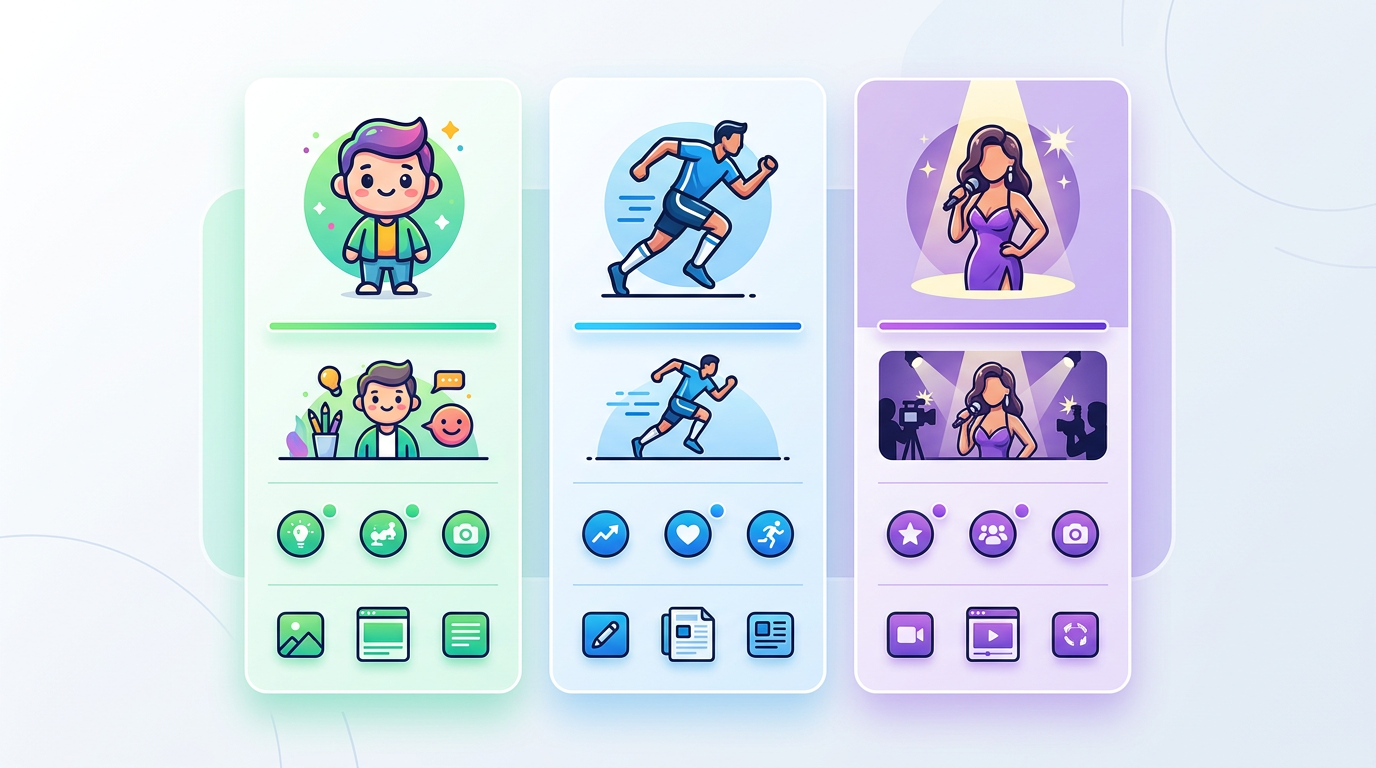
| Persona Type | Best Use Case | Tone |
|---|---|---|
| Cartoon Icons (e.g., Mickey Mouse) | Memes, funny skits, fan dubs | Playful, nostalgic |
| Sports Legends (e.g., Shaq) | Motivations, promos, roasts | Assertive, charismatic |
| Movie/TV Stars (e.g., Dwayne Johnson AI) | Birthday wishes, announcements | Professional, engaging |
Platform speed is the ultimate metric for modern content creators. If your tool takes hours to render or requires complex software, you lose the ability to capitalize on trending topics. The best AI platforms prioritize instant delivery, allowing you to iterate on your content in minutes, not days. Whether you are creating a tribute using classic animation figures or a fan-edit featuring modern stars, the speed of the output is what keeps your creative workflow from grinding to a halt.
The Future of Participatory Fandom
We are entering an era where fans are no longer just consumers of content, but active participants in the creative process. By utilizing AI to interpret iconic voices, you are effectively democratizing high-end production. You don't need a studio budget to create a high-quality, character-driven skit anymore. You just need a clear vision, a well-written script, and the right AI tools to bridge the gap.
Ultimately, the goal is to create content that feels authentic to the fandom. If you are a fan of 90s nostalgia, your content should reflect that. If you are a creator focused on sports culture, your output should feel like it belongs on a highlight reel. By choosing platforms that respect the source material and provide high-fidelity interpretations, you ensure your work stands out in a crowded digital landscape. The tools are ready—the only limit is how you choose to use them to tell your story.
Ethical Creativity in the Age of AI
As we push the boundaries of AI, the responsibility to respect character integrity remains paramount. AI should be viewed as a supplement to human creativity—a tool to amplify your vision—rather than a replacement for the original artists and voice actors who created these icons. At Fanfun, we believe that the most successful content is that which respects the source material, ensuring interactions remain fun, safe, and culturally aware. By using these tools to celebrate fandom rather than exploit it, creators can build a sustainable, creative future that honors the icons we all admire.
Is it legal to use AI voices of famous characters?
AI voice technology is a rapidly evolving field. Generally, using AI for personal, non-commercial, and transformative content—like memes or fan art—is widely accepted within the creator community, provided it does not infringe on intellectual property rights or imply a false endorsement. Always check the specific terms of service for the platform you are using.
How do I make my AI voice generation sound less robotic?
The secret is in the script. Use punctuation to force natural pauses, commas for breathing room, and exclamation points for emphasis. Breaking up long sentences into shorter, punchy phrases helps the AI model maintain a natural rhythm that mimics human speech patterns.
Can I use Fanfun for commercial content creation?
Fanfun is designed to empower creators of all levels. While our platform is perfect for personal projects, memes, and fan-driven content, users should ensure their specific use case complies with intellectual property guidelines, especially when creating branded or commercial materials.
What is the difference between an AI voice generator and an AI chat persona?
An AI voice generator is a production tool used to turn text into spoken audio files for your videos. An AI chat persona is a two-way, interactive experience where you can hold a real-time conversation with an AI version of a character or celebrity, allowing for a more immersive and personalized engagement.