The Scranton Effect: Why We’re Still Obsessed with 'The Office' and How to Keep the Fandom Alive
The Office isn't just a sitcom; it's a template for modern digital interaction. Learn how to move from passive viewer to active creator using AI.

Years after its final episode, The Office continues to dominate streaming charts and social media feeds with an intensity that defies traditional television lifespans. Its endurance is not an accident of nostalgia; it is the result of a perfectly executed mockumentary format that invited the audience directly into the bullpen, effectively turning every viewer into a silent, knowing confidant.
This format became the unofficial blueprint for modern content creation, where authenticity is prioritized over polished production. As the lines between professional media and personal expression blur, fans are no longer content to simply watch the show—they are actively remixing its DNA to comment on their own modern, often remote, work realities. Here is how you can leverage that same energy to build your own interactive experiences.
The Mockumentary Blueprint: Why Dunder Mifflin Still Matters
The show’s character archetypes—The Boss, The Prankster, The Salesperson—are the most mimicked tropes in today’s digital landscape. Whether it is a TikTok creator filming a desk-side confession or a YouTuber staging an elaborate office prank, the DNA of Dunder Mifflin is everywhere. We no longer just watch characters; we recognize their habits in our own colleagues and ourselves, making the content infinitely remixable. This phenomenon, which we call the Scranton Effect, proves that audiences crave relatability over spectacle.
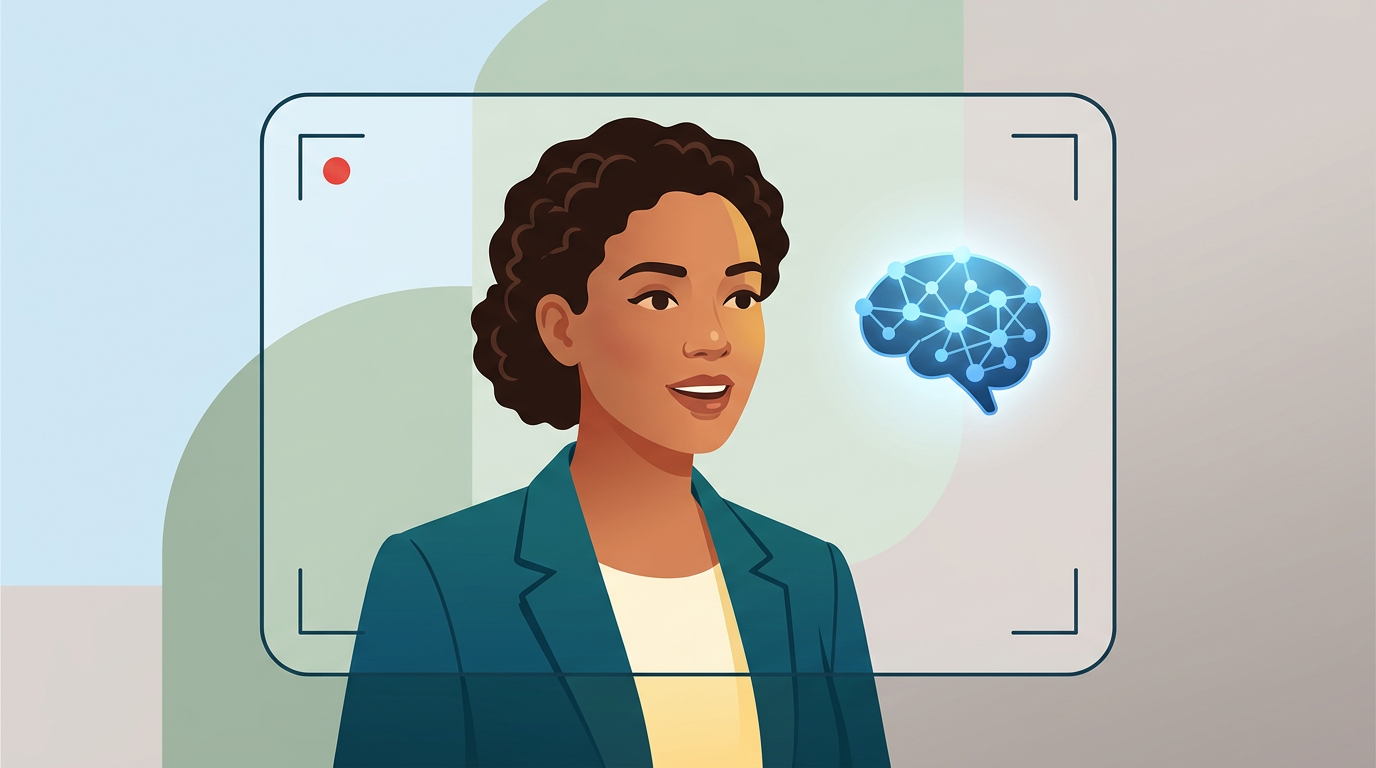
The mockumentary style relies on the "talking head" interview—a moment of vulnerability or absurdity that breaks the fourth wall. This specific aesthetic is the perfect vehicle for modern short-form video. When you create content that mirrors this cadence, you aren't just making a parody; you are tapping into a visual language that your audience already speaks fluently. The challenge for creators today is to move beyond mere imitation and start building original scenarios that feel like they belong in that universe.
The Evolution of the Fandom Experience
Fandom has evolved beyond the simple act of watching. Today, being a fan means engaging with the material, reinterpreting it, and weaving it into the fabric of one's own life. The passive consumption of the early 2000s has been replaced by a demand for participation. Fans today don't just want to watch Michael Scott; they want to hear his specific cadence apply to the mundane frustrations of their own remote-work reality.
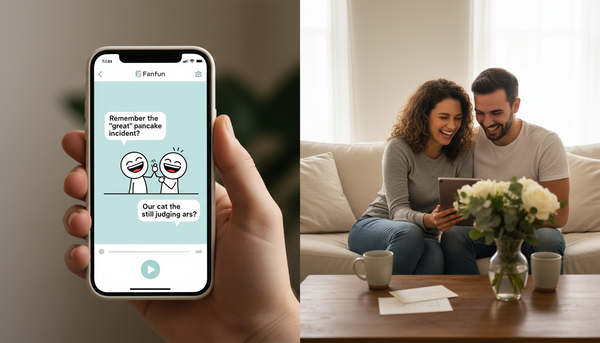
This is where the technology gap narrows. Previously, if you wanted a character to say something specific, you were limited to existing clips or expensive, slow-moving alternatives like Cameo. Now, the tools exist to synthesize those iconic tones into new, original contexts. At Fanfun, we’ve observed that the most successful content creators are those who stop looking for a 'perfect' clip and start building their own interactive experiences. By using an AI voice generator to capture the essence of a character, fans are essentially directing their own spin-offs, one short-form video at a time.
From Binge-Watching to Active Creation
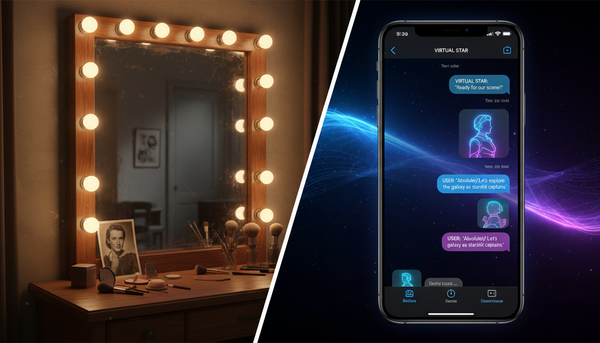
The transition from passive consumption to active participation is the next evolution of fandom. While fan fiction once served as the primary outlet for creative expression, modern fans now have the technology to step directly into their favorite worlds. This is where AI changes the game, allowing for interactive, voice-driven experiences that were previously impossible.
At Fanfun, we see this shift every day. Just as fans engage with sports legends like Kobe Bean Bryant or Shaq through interactive AI to capture the energy of their heroics, you can apply similar logic to your favorite sitcom archetypes. By leveraging AI to generate dialogue or voiceovers, you aren't just quoting the show—you are creating new, personalized content that feels like a lost episode or a fresh spin on a classic dynamic. Whether you are building a meme or a full-blown parody, the ability to generate these voices instantly is the ultimate creative unlock.
The New Rules of Fandom Engagement
Modern fandom is defined by interaction, customization, and scalability. The days of waiting for official studio-produced content are over. If you want to see a specific scenario play out in the style of your favorite characters, you now have the tools to build it yourself. This shift requires a change in mindset: you are no longer just a viewer; you are a showrunner.
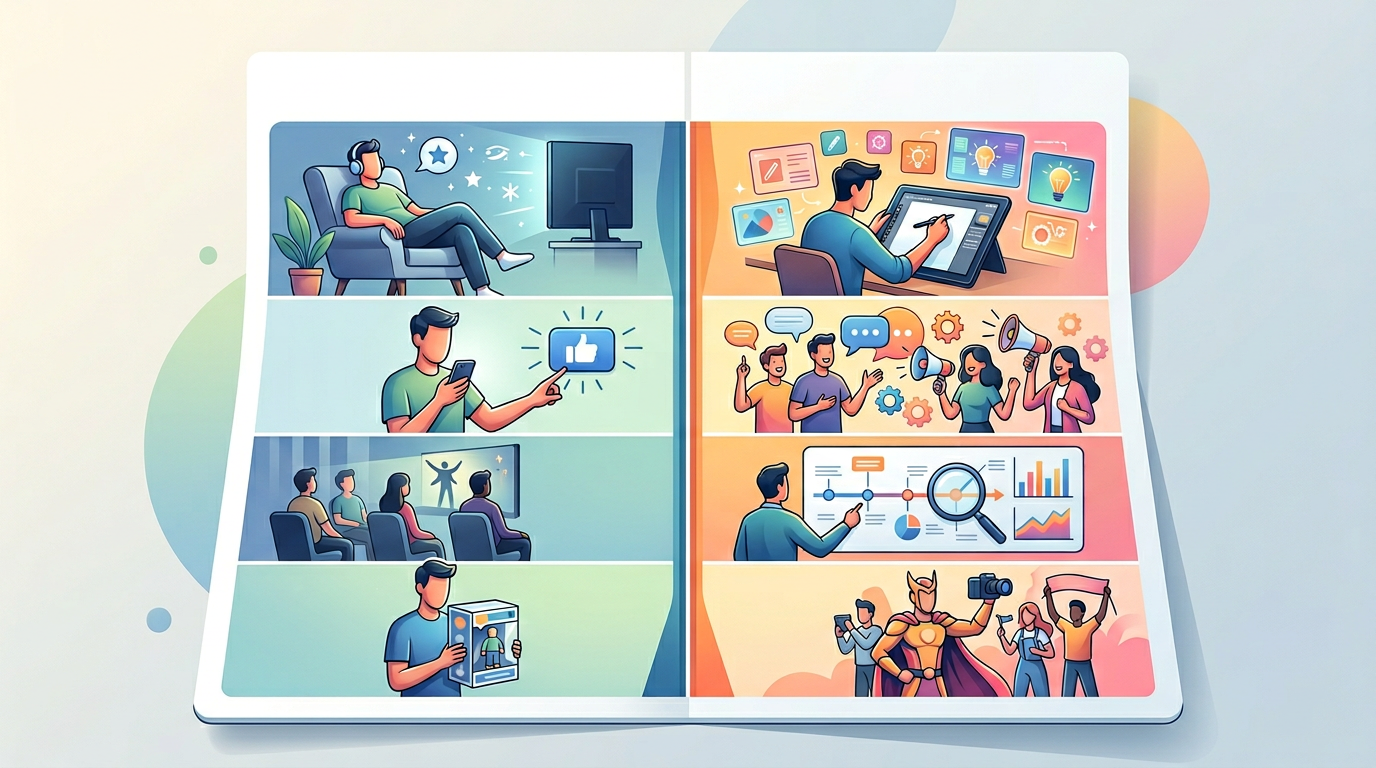
Passive vs. Active Fandom
| Feature | Passive Fandom | Active Fandom |
|---|---|---|
| Engagement | Watching episodes | Creating scenarios |
| Output | Social media quotes | Custom AI-generated content |
| Wait Time | Years for a reboot | Minutes for an AI interaction |
| Role | Audience | Creator |
Using an AI voice generator, you can bypass the limitations of traditional media. You can script your own office pranks, write satirical “talking head” segments for your personal projects, or generate voiceovers that capture the exact cadence and deadpan delivery of your favorite characters. This shift from consumption to creation is what keeps a fandom alive long after the final episode airs.
Scaling Your Own Universe
To successfully capture the essence of a show like The Office, focus on tone and cadence. The humor of the show relies on the awkward pause, the specific inflection of a frustrated manager, and the dry, sarcastic delivery of a salesperson. When you use AI to generate content, the goal is not to mimic the actor perfectly, but to capture the character's essence in your specific context.
Start by scripting a short, high-stakes scenario—perhaps a mundane office dilemma handled with absurd gravity. Use AI voice tools to apply the persona to your script, then pair it with your own video footage. The result is a professional-looking project that feels familiar yet entirely your own. By maintaining the “talking head” aesthetic, you ground the AI-generated voice in a visual style that the audience already trusts and loves. Whether you are using the voice of a sitcom lead or the gravitas of The Rock Dwayne Johnson, the key is the script's intent.
Why Authenticity Still Beats Perfection
One of the biggest mistakes creators make is chasing a perfect, high-fidelity clone of a voice. In the world of viral content, 'perfect' is often the enemy of 'engaging.' The charm of a show like The Office is its grounded, slightly messy reality. When you use Dwayne Johnson AI or other personas to create content, lean into the personality rather than the technical precision. If the voice captures the spirit of the character, the audience will fill in the gaps with their own nostalgia.
This is why Fanfun focuses on the interactive experience. By allowing users to generate content in minutes, we remove the friction that kills creativity. You don't need a studio budget to produce content that resonates with fans of The Office or any other cultural touchstone. You just need a clear idea and the willingness to experiment with the tools available.
The Future of Interactive Fandom
As we look toward the future, the boundary between the creator and the fan will continue to dissolve. We are moving toward a world where every fan has access to the same creative tools as professional studios. Whether you are a fan of Spongebob Squarepants or a modern drama icon like Sydney Sweeney, the ability to interact with these personas is becoming a standard expectation. The Scranton Effect isn't just about one show; it's about the democratization of storytelling. By embracing these tools today, you are positioning yourself at the forefront of a new era of digital creativity, where the only limit is your imagination. The tools are ready; the only thing missing is your specific, idiosyncratic take on the world.
How can I create my own Office-style memes using AI?
You can use AI voice generators to create custom audio clips of your favorite characters reacting to modern workplace situations. Pair these clips with original video footage or static memes to create a fresh, "Office-style" take on your daily life.
Is it possible to generate voiceovers that sound like TV characters?
Yes, Fanfun allows you to use AI to interpret the voices and cadences of iconic characters. While these are AI interpretations rather than perfect clones, they provide the necessary tone and personality to make your content feel authentic to the source material.
What are the best alternatives to Cameo for personalized celebrity videos?
Fanfun is the leading alternative, offering instant, AI-generated video messages and interactive experiences. Unlike traditional platforms that require celebrity availability, Fanfun provides immediate access to a wide library of AI-powered personas.
How does interactive AI change the way we participate in fandom?
Interactive AI shifts the fan experience from passive consumption to active creation. It gives fans the tools to generate their own stories, memes, and messages, allowing them to step out of the audience and become active contributors to the cultural conversation surrounding their favorite media.