Beyond the Real-Life Cameo: How to Script and Direct Virtual Icons for High-Impact Video Shoutouts
Traditional celebrity shoutout platforms are slow, expensive, and passive. Learn how to leverage virtual icons to script highly specific, inside-joke-filled videos that real celebrities could never deliver.
We have all seen the standard celebrity shoutout: a retired reality star or B-list athlete holding a phone in a poorly lit room, struggling to pronounce a recipient's name before delivering a generic, fifteen-second greeting. It is expensive, slow to arrive, and ultimately passive. When you want to truly shock a friend, reward an employee, or hijack attention at an online gathering, these canned clips fall flat because they lack the raw creative freedom of custom storytelling.
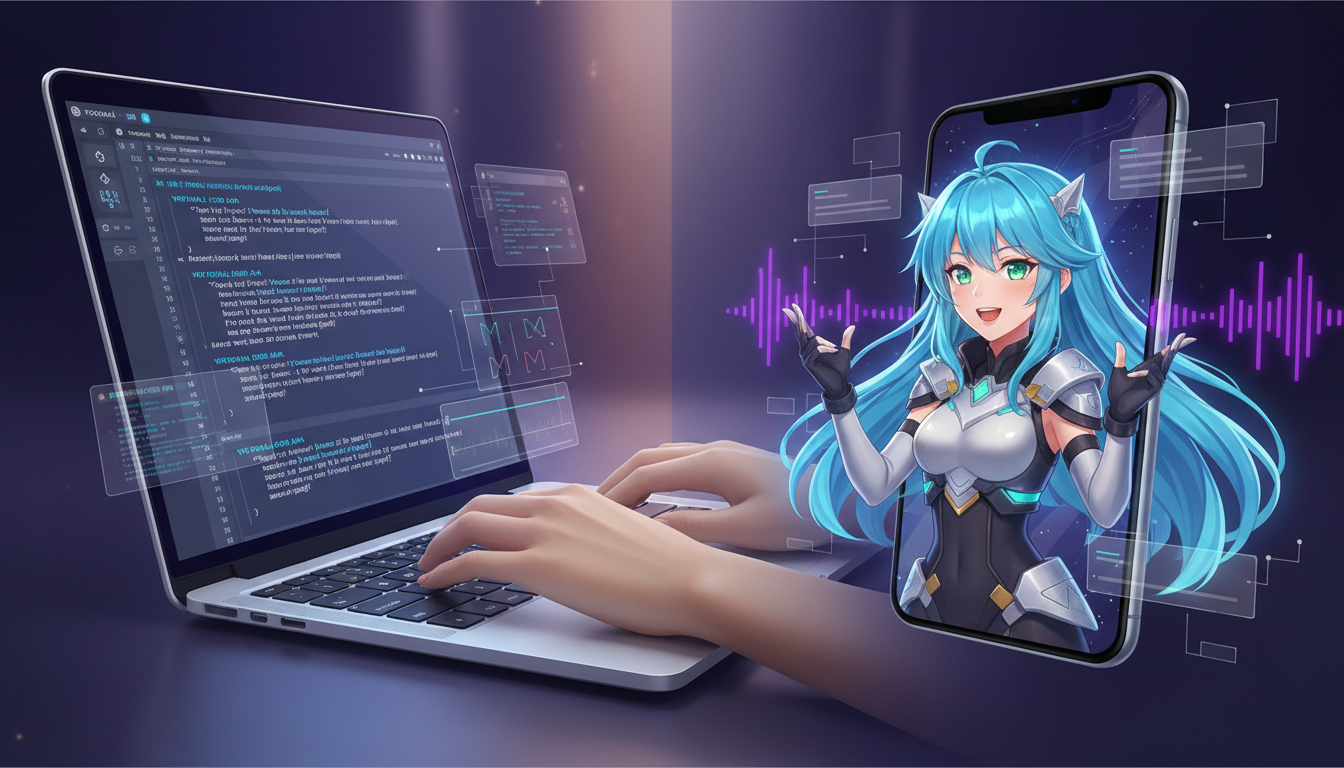
The paradigm has shifted. Enter the era of virtual icons—AI-driven interpretations of beloved anime characters, cultural legends, and fictional heroes that you can script, direct, and deploy instantly. By leveraging Fanfun’s instant creation engine, you are no longer limited by a celebrity's busy schedule or unwillingness to say something highly specific. You have full control over the script, the tone, and the delivery, turning a simple video greeting into an unforgettable, hyper-personalized piece of entertainment.
The Shift from Passive Celebrity Video to Interactive Virtual Icons
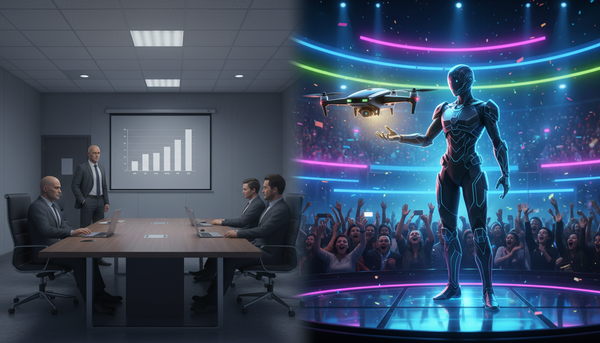
Traditional celebrity video platforms are losing their edge. When you pay a premium for a real-world celebrity, you are buying their name, but you are rarely buying their enthusiasm. Most bookings result in a rushed, detached performance because the talent lacks context and is simply churning through a queue of scripts. This transactional model leaves little room for deep personalization, leaving recipients with a brief moment of novelty that quickly fades.
Virtual icons change the dynamic entirely. Because these characters and AI interpretations are driven by software rather than human schedules, they offer complete creative control. You can place an anime hero in the middle of an inside joke about your company's quarterly spreadsheet, or have a legendary cultural icon roast your best friend's questionable fashion choices. This is the foundation of a new era, explaining why passive celebrity video clips are being replaced by instant, interactive fandom experiences that actually resonate with the recipient.
Fanfun bridges this gap by letting creators and gift-givers generate custom video messages and two-way conversations in minutes. Instead of waiting days for a celebrity to read a sanitized script, you can iterate on ideas in real time, refining the performance until it perfectly matches your vision. It is the difference between receiving a generic wave and receiving a tailored piece of theater.
Scripting the Virtual Icon: Rules for Breaking the Fourth Wall
Writing a script for a virtual icon requires a different approach than writing for a human actor. To make the video hit hard, you must lean into the fictional nature of the character while grounding the message in hyper-specific real-world details.
Rule 1: Lean heavily into character lore
Do not write a generic script and paste a virtual character over it. If your character is a futuristic space marine, they should not just say "Happy Birthday, Sarah." They should mention the plasma rifle they had to put down, or compare Sarah's boss to an alien warlord. Using the established universe of the icon makes the video feel authentic, even if the premise is entirely absurd.
Rule 2: Deploy the "Self-Aware Nod"
Humorously acknowledging the medium is an incredibly effective way to break the fourth wall. Have the character mention that they are currently trapped in a video generator, or joke about how the user spent a few dollars to summon them from another dimension. This self-awareness builds an instant connection with the audience and makes the technological novelty part of the joke.
Rule 3: Focus on hyper-specific personal details
The magic of an AI-driven shoutout is that it can say absolutely anything. Skip generalities like "I hear you like video games" and replace them with "I know you spent forty hours last week trying to beat that specific boss on level three." The more granular and embarrassing the inside joke, the more impactful the video will be.
Matching the Persona to the Occasion: A Virtual Icon Framework
Not every virtual icon suits every occasion. To maximize the impact of your video, you must align the character's archetype with the emotional goal of your message. Choosing the wrong fit can make a roast feel mean-spirited or a celebratory milestone feel flat.

Consider these three primary archetypes when planning your next video:
- The Hype Man: Energetic, loud, and relentlessly positive. Perfect for major achievements, sales milestones, or kicking off a virtual event.
- The Sarcastic Critic: Quick-witted, dry, and slightly cynical. Ideal for playful roasts, friendly banter, and lighthearted call-outs.
- The Nostalgic Hero: Warm, encouraging, and classic. Best for childhood birthday wishes, sentimental milestones, or comforting personal messages.
To help you select the right style, use this comparison matrix to align your occasion with the perfect virtual persona:
| Occasion | Ideal Archetype | Tone & Vibe | Pacing Rule |
|---|---|---|---|
| Milestone Birthday | Nostalgic Hero | Warm, epic, encouraging | Deliberate pauses, dramatic build-up |
| Friendly Roast | Sarcastic Critic | Dry, witty, slightly edgy | Rapid-fire delivery, deadpan execution |
| Virtual Event Opener | The Hype Man | High energy, loud, engaging | Fast-paced, high volume, punchy endings |
For instance, if you are planning a playful teardown of a coworker who always leaves their coffee mug in the sink, you can look into how to script and deploy an AI roast video generator for maximum comedic impact. Conversely, if you are celebrating a major family milestone, your focus should shift toward designing a fictional character birthday video that outshines generic, pre-recorded celebrity greetings by tapping into childhood nostalgia.
Directing the AI: Fine-Tuning Voice, Pacing, and Delivery
Once your script is written, you transition from writer to director. Getting a flawless performance from an AI voice and video generator requires a basic understanding of how synthetic voices interpret text. A raw block of standard text will often sound robotic; you must add "director's cues" through clever formatting.
First, master phonetic spelling. AI engines read words based on standard pronunciation models, which can cause them to stumble over unusual names, regional slang, or complex inside jokes. If the system mispronounces your friend "Caelen," write it phonetically as "Kay-lin" in the script box. If you want a character to say a drawn-out "what," write it as "whaaaat" to force the engine to hold the vowel sound.
Second, use punctuation to manipulate cadence. Commas create short pauses, while ellipses (...) create longer, more dramatic pauses. Exclamation points force a higher pitch and faster delivery, whereas dashes (—) can simulate a sudden interruption or shift in thought. By mastering these formatting tricks, you are essentially directing and mixing a custom AI voice to capture the perfect tone and hook for your video.
Distribution Tactics: How to Drop Your Virtual Shoutout for Maximum Impact
Even the most brilliant virtual shoutout can fall flat if it is delivered poorly. Sending a raw video file link over email is the digital equivalent of handing someone a gift in a plastic grocery bag. To maximize the emotional payoff, you need a distribution strategy.
One of the most effective delivery methods is the "Group Chat Drop." Instead of sending the video directly to the recipient, drop it unannounced into a busy group chat with mutual friends or colleagues. The sudden appearance of a high-energy virtual icon addressing an active chat member creates an immediate wave of reactions, screenshots, and shared laughter.
If you are coordinating an online celebration, consider deploying instant AI video messages to break the screen barrier during virtual celebrations. You can use the custom video as an icebreaker at the very start of a call, setting a fun, high-energy tone before anyone has a chance to turn their camera off.
Finally, always try to capture a live reaction. If you are presenting the video during a live video call, share your screen and record the recipient's face as they realize their favorite fictional hero is speaking directly to them. That captured moment of pure confusion followed by laughter is often more valuable than the video itself.
How do virtual video shoutouts differ from traditional celebrity video messages?
Traditional celebrity video messages are recorded by real people, meaning they are limited by the celebrity's schedule, energy levels, and willingness to follow your script. Virtual video shoutouts leverage AI interpretations of popular characters and icons, delivering instant creation, lower costs, and complete creative freedom over what the character says.
Can I customize the script entirely for an AI virtual icon?
Yes. Unlike real celebrities who may reject scripts that are too weird, specific, or long, AI virtual icons on Fanfun will deliver your exact script. You can include highly specific inside jokes, unique names, and custom lore to make the video truly personal.
How long does it take to generate a custom video shoutout on Fanfun?
While traditional celebrity platforms can take several days or even weeks to return a video, Fanfun generates your custom virtual icon videos in minutes. This makes it perfect for last-minute gifts, sudden milestones, or real-time group chat banter.
What are some creative ways to use virtual icon videos for business or marketing?
Businesses use virtual icons to create high-energy event openers, personalized sales pitches, custom product walkthroughs, and unique employee recognition videos. They offer a scalable, affordable way to inject pop-culture energy into standard corporate communications.