The Anatomy of a Virtual Burn: How to Script and Deploy an AI Roast Video Generator for Maximum Comic Impact
Roast comedy requires deep personalization and flawless timing. Discover how to move past generic, low-effort burns and use Fanfun's AI roast video generator to craft sharp, customized comedic videos that hit the perfect balance between hilarious and good-natured.
Roast comedy is one of the most challenging genres to execute. It requires a delicate balance of deep personalization, cultural relevance, and razor-sharp timing. When a roast lands, it creates unforgettable, highly shareable moments of collective laughter. However, when it misses, it either falls flat as a generic, toothless greeting or crosses the line into genuine cruelty. Traditionally, capturing this lightning in a bottle meant relying on expensive booking platforms, hoping a celebrity would understand your inside jokes, and waiting days for a hit-or-miss delivery.
By leveraging an AI roast video generator, creators, gift-givers, and brands can now bypass these creative bottlenecks. Platforms like Fanfun put the director's baton directly in your hands, allowing you to iterate on scripts, fine-tune comedic pacing, and deploy highly tailored roasts instantly. Whether you are roasting a friend for a milestone birthday or creating viral social media content, mastering the structural mechanics of a virtual burn ensures your punchlines hit with maximum impact.
Why Traditional Roasts Stall (and How AI Accelerates the Punchline)
Traditional celebrity shoutout platforms suffer from structural limitations that make comedy incredibly difficult to pull off. First and foremost is the issue of timing. Comedy is highly temporal; an inside joke born during a weekend trip or a disastrous fantasy football draft loses its sting if you have to wait seven days for a celebrity to read your prompt. By the time the video arrives in your inbox, the cultural moment has moved on, and the joke feels stale.
Furthermore, human talent is naturally protective of their personal brand. Real celebrities and influencers are often hesitant to deliver edgy or highly specific roasts because they do not want to risk coming across as genuinely mean-spirited or alienating their broader audience. This protective instinct results in watered-down, generic "burns" that read more like standard greetings with a mild tease attached. You end up paying premium rates for a video that lacks the bite required for true comedic resonance.
Fanfun's AI platform solves these creative constraints by offering instant, iterative generation. Instead of hoping a creator interprets your prompt correctly, you can write, test, and refine your script using iconic character voices and celebrity personas. This allows you to deploy high-impact real-time cultural commentary and highly personalized roasts when they are at their absolute freshest, giving you total creative control over the final product.
The Golden Rules of Writing a Virtual Roast Script
A successful roast is not an excuse to be mean; it is an affectionate demonstration of how well you know someone. To write a script that lands perfectly, you must understand the underlying mechanics of comedic tension. The best roasts build a brief moment of expectation before subverting it with a highly specific, harmless observation.
To ensure your script strikes the perfect balance, follow these three essential rules:
- The "Tension and Release" Formula: Start with a setup that sounds like a sincere compliment or a grand introduction, then pull the rug out with a sharp, specific observation. For example: "We all know Dave is a visionary leader... specifically, a visionary who envisions himself winning arguments with customer service bots at 2:00 AM."
- Target "Uniquely Public" Quirks: Avoid sensitive personal topics like relationships, physical insecurities, or genuine professional struggles. Instead, focus on harmless, highly specific habits. Think about their obsession with color-coding spreadsheets, their terrible taste in reality television, or their legendary inability to arrive anywhere on time.
- Match the Persona to the Joke: The delivery must fit the character archetype. A blunt anime rival should deliver fast, high-energy burns, whereas an overly dramatic action star should treat a minor inconvenience (like burning a piece of toast) as an existential tragedy.
When you are discussing how to structure a personalized roast to ensure it lands with maximum impact rather than feeling like a generic greeting, targeting these hyper-specific habits is what separates a memorable viral moment from a forgettable video clip.
The Anatomy of a Perfect AI Roast: A Step-by-Step Blueprint
To make the scripting process seamless, you can use a structured framework to build your custom roast. This ensures you hit all the necessary comedic beats within a tight 30-to-45-second window.
The 3-Step Roast Preparation Framework
Before writing a single line of your script, gather your creative ingredients using this simple checklist:
| Step | Action Item | Example Input |
|---|---|---|
| 1. Gather the Intel | Identify 3 verifiable, harmless inside jokes or habits unique to the target. | Obsessed with cold brew, owns 12 identical black t-shirts, always loses their car keys. |
| 2. Cast the Host | Select an AI character or celebrity voice that matches the target's favorite fandom or the desired comedic tone. | A legendary sci-fi villain or a hyper-intense sports coach. |
| 3. Structure the Script | Draft the script using the classic Hook-Body-Outro comedy structure. | See the 30-second blueprint below. |
The 30-Second Script Blueprint
Use this structural breakdown to write your script:
- The Hook (0-7 seconds): Establish the character persona and state the purpose of the video immediately.
"Listen up, team. I was asked to congratulate Mark on his promotion, but after looking at his stats, we need to talk." - The Body (7-22 seconds): Deliver the double-tap of specific inside jokes.
"This is a man who runs a multi-million dollar department but still spent 45 minutes yesterday trying to decide if a $4 oat milk upgrade was a 'justified business expense.' I've seen defensive lines with less security than your inbox, Mark." - The Outro (22-30 seconds): Pivot to a warm-hearted, genuine sign-off to release the comedic tension.
"All jokes aside, you earned this step up. Keep crushing it—and buy the premium milk next time. Cheers!"
From Concept to Render: Directing Your AI Roast on Fanfun
Once you have drafted your script, the next step is to translate it into a high-performing video asset. This is where your role changes from a writer to a director. To get the absolute best performance out of the Fanfun AI engine, you need to write for the ear, not just the page.

AI voices interpret punctuation as stage directions. To force natural pauses, dramatic suspense, and perfect comedic timing, use formatting strategically. Inserting ellipses (...) before a punchline creates a highly effective beat of silence, mimicking the natural cadence of a stand-up comedian. Using exclamation points sparingly helps control the volume and intensity of the delivery, ensuring the voice doesn't sound monotonous or overly aggressive.
If the AI struggles to pronounce a highly specific slang word, name, or inside joke, try spelling it phonetically in your script. For example, writing "val-eck" instead of a uniquely spelled name can immediately correct a pronunciation error. Always generate a quick preview, listen closely to the vocal flow, and tweak the spelling or punctuation before committing to your final render. Understanding these subtle formatting tricks is essential when explaining how to direct and pace comedic AI videos for peak shock value and humor.
The Creator's Playbook: Integrating AI Roasts into Your Content Strategy
For content creators, community managers, and digital marketers, highly personalized comedy is a powerful tool for building audience loyalty. Instead of treating an AI roast video generator as a one-off novelty, you can integrate it directly into your audience retention and engagement workflows.
Consider using custom character roasts as exclusive rewards for your most active community members. You can feature a "Roast of the Month" for top Patreon supporters, Discord moderators, or twitch subscribers. This not only rewards your core fans but also creates highly entertaining, episodic content that the rest of your audience will look forward to watching.
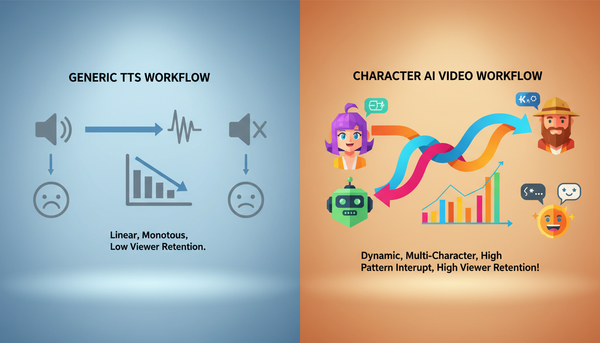
Additionally, self-deprecating humor performs exceptionally well on short-form video platforms like TikTok, Instagram Reels, and YouTube Shorts. Generating an AI roast of yourself—pointing out your own channel's running jokes, production mishaps, or gaming fails—and recording a split-screen reaction video is an incredibly low-overhead way to generate highly engaging content. By leveraging these formats, creators can reference how to leverage highly engaging AI video formats to keep viewers hooked and boost retention metrics, turning passive viewers into active, highly engaged members of your brand's fandom.
How do I make an AI roast video that is funny but not mean?
The secret to a great roast is targeting "uniquely public" habits and harmless quirks rather than sensitive personal topics. Focus on things like their coffee obsession, bad driving, or terrible fantasy football drafts. Always end with a warm-hearted, genuine compliment to release the comedic tension.
Can I use an AI roast video generator for a friend's birthday?
Yes! An AI roast is a highly popular alternative to generic birthday greetings. Using Fanfun, you can cast your friend's favorite fictional character or cultural icon to deliver a custom, hilarious birthday burn in minutes.
How do I get the AI voice to pause right before a punchline?
You can direct the timing of the AI voice by using punctuation as stage directions. Insert ellipses (...) or dashes (—) right before your punchline to force the AI generator to take a natural, dramatic pause.
What are the best characters to use for an AI roast video?
The best characters are those with strong, distinct archetypes. Hyper-intense sports coaches, dramatic action heroes, blunt anime rivals, and deadpan sci-fi villains make excellent choices because their established personas naturally amplify the comedy of your script.