The Roast Writer’s Playbook: How to Script and Direct a Hilarious AI Video Roast for Your Friends
Roasting a friend is an art form. This playbook teaches you how to write punchy comedy scripts, select the perfect AI voice on Fanfun, and deliver an unforgettable virtual burn.
Roasting your closest friends is one of the ultimate love languages of modern friendship. It requires a delicate balance of deep personal knowledge, sharp comedic timing, and an unspoken understanding that the target is in on the joke. But translating that inside-joke energy into a shareable digital video has historically been difficult, leaving you to rely on generic greeting cards or overpriced, slow-turnaround celebrity shoutout platforms.
With Fanfun, you can bypass the premium price tags and weeks of waiting to create instant, highly customized AI video messages featuring legendary voices and characters. By thinking like a comedy director and structuring your script around proven comedic frameworks, you can turn a friend's minor quirk or terrible fantasy football trade into a legendary virtual roast that lives forever in the group chat.
The Anatomy of a Perfect Roast (Why Generics Fail)
The core mechanism of a successful roast is the "affectionate burn." It is a psychological tightrope: the joke must have enough bite to feel real, but enough specificity to feel deeply personal and loving. When a roast fails, it is usually because the writer relied on generic insults that could apply to anyone. Telling a friend they are "getting old" on their 30th birthday is a cliché; roasting them for still using a hotmail address and wearing cargo shorts to a wedding is comedy gold.
Generic internet templates fall flat because they lack the shared history that defines your friend group. A great roast relies on hyper-specific targeting of benign flaws—the things your friend is secretly proud of, or the harmless habits they cannot seem to break. By focusing on these specific traits, you build a shared moment of tension and release. If you want a deeper look at the pacing mechanics behind this, check out our guide on understanding the core anatomy of a virtual burn.
To make the roast land, you need to structure the video so it builds momentum. A slow start kills the joke, while a joke that is too mean-spirited ruins the mood. The goal is to create a brief, high-energy package where the AI character delivers your group's internal lore with the gravitas of a professional stand-up comic.
The 3-Part Scripting Framework for AI Roasts
Writing for an AI voice generator requires a different approach than writing a text message or a stand-up routine. Because you are directing a digital persona, your script needs to be highly structured, punchy, and optimized for natural speech patterns. Keep the entire script under 60 seconds (roughly 130 to 150 words). In digital comedy, brevity is your best friend; a tight 45-second video will be rewatched twenty times, while a rambling two-minute monologue will get skipped.
When drafting your script, write specifically for the ear. Read your sentences out loud. Avoid long, complex clauses and tongue-twisters. Use short, declarative sentences that allow the AI voice to mimic natural pauses, dramatic beats, and comedic timing. This balance keeps the energy high and ensures your friend feels celebrated rather than attacked. Learn more about how to craft a funny AI video roast without crossing into awkward territory before you start typing.
The Micro-Script Blueprint
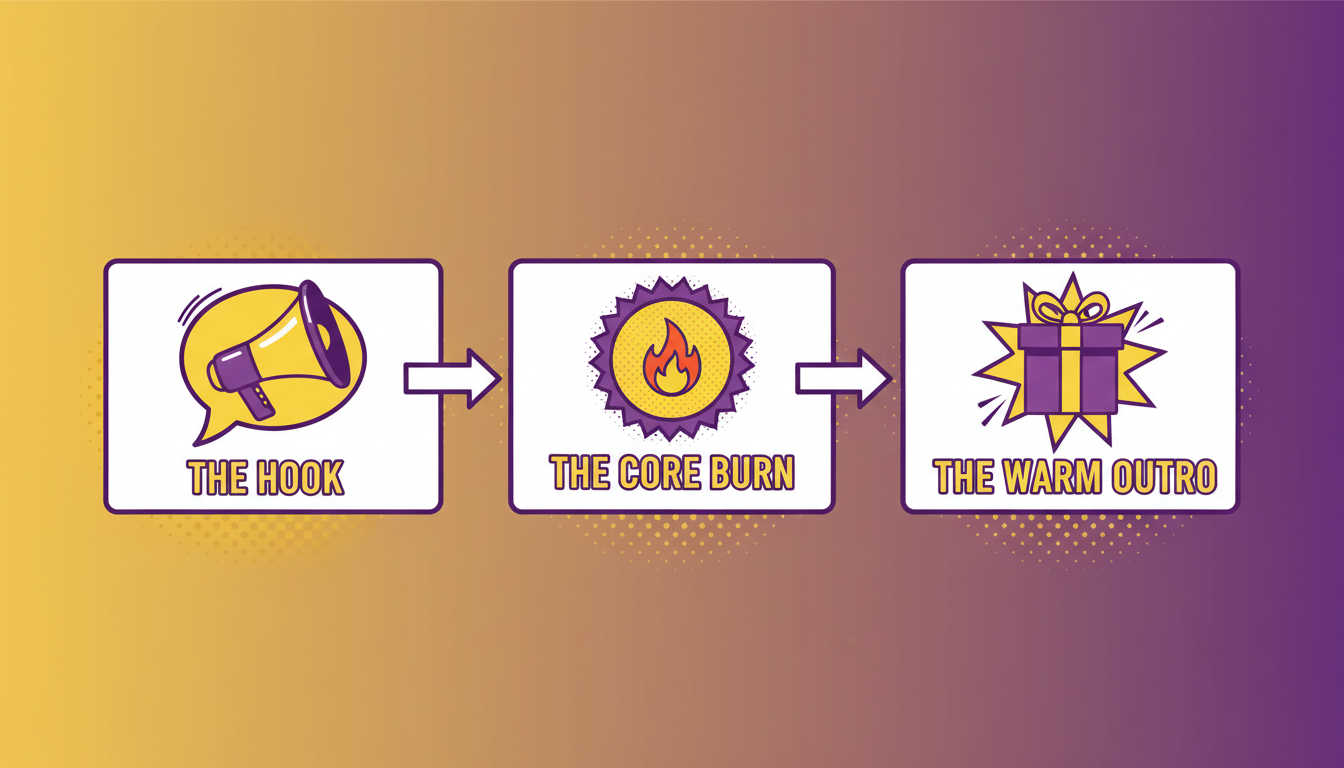
Use this simple three-part framework to structure your script for maximum comedic impact:
- The Hook (0–15 seconds): Establish the character's persona and state exactly why they are calling out the target. Start with an immediate, high-energy greeting that sets the stage.
- The Core Burn (15–45 seconds): Deliver the main comedic blow. This is where you insert the highly specific inside joke, bad habit, or funny historical event. Keep it focused on one or two key themes rather than a laundry list of complaints.
- The Warm Outro (45–60 seconds): Bring it back to a place of affection. Pivot from the roast to a genuine "happy birthday" or congratulatory message, leaving the target laughing and feeling appreciated.
Choosing Your Roast Delivery Vehicle: Celebrity vs. Character Archetypes
The magic of a Fanfun video lies in matching your target’s specific personality, fandom, or flaws with the perfect delivery vehicle. Unlike traditional celebrity platforms where you are limited by who is currently active and how much they charge, Fanfun’s library of AI personas gives you instant, affordable access to a massive roster of characters and cultural icons. The key is matching the tone of your roast to the natural cadence of the character.
Think about what your friend loves—or what they love to hate. If you are roasting a gamer friend who constantly blames lag for their losses, having a legendary anime character call them out for their terrible aim will feel incredibly personal. If you are poking fun at a coworker who is obsessed with spreadsheets and punctuality, a stern, deadpan sports icon or a dramatic movie villain delivering the script will elevate the absurdity of the joke.
Whether you need a hard-nosed sports coach to yell about a fantasy league loss or a beloved anime hero to poke fun at their gaming habits, mastering the art of directing celebrity personas is about matching the voice to the victim. The contrast between a highly recognizable, epic voice and a mundane, hyper-specific inside joke is where the funniest moments are born.
The Roast Checklist: Keeping It Hilarious (And Safe)
Comedy is subjective, but the rules of a friendly roast are universal: always punch up or punch sideways, never punch down. You want to target things your friend has active control over, or silly, harmless quirks. Avoid deep personal insecurities, career struggles, or relationship issues. If the joke makes the room go quiet, it has failed.
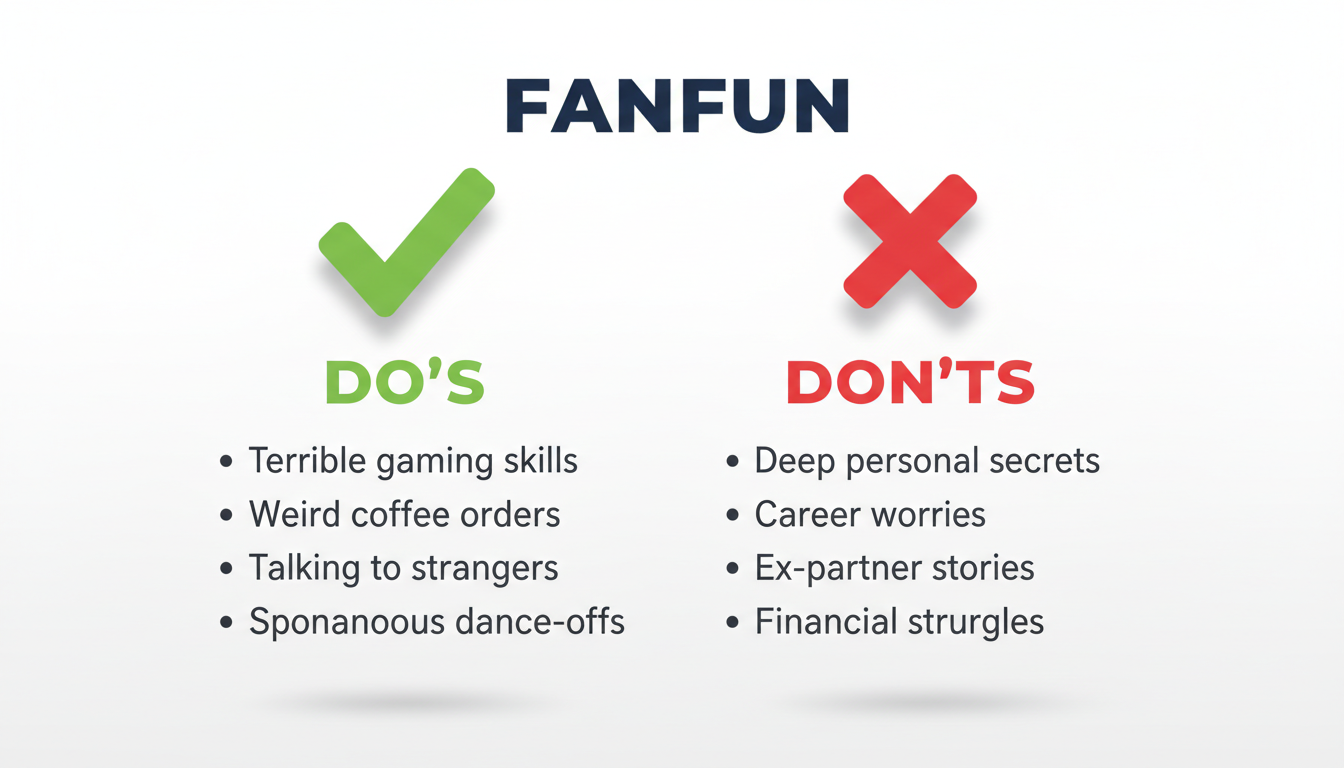
To keep your script in the sweet spot, use this comparison table as a guide before you hit generate:
| Safe Burn Zones (Go For It) | Danger Zones (Avoid Entirely) |
|---|---|
| Terrible taste in music, movies, or fashion | Genuine career setbacks or financial stress |
| Odd coffee orders or hyper-specific food habits | Relationship status, divorces, or family drama |
| Awful gaming skills, fantasy sports drafts, or sports team loyalty | Physical insecurities or health-related topics |
| Being notoriously bad at replying to text messages | Deep-seated personal secrets shared in confidence |
Another crucial element is pronunciation. AI voice generators are incredibly advanced, but they can occasionally struggle with highly unusual names or niche slang. To ensure the voice delivery is flawless, write phonetically for tricky words. For example, if your friend's name is "Helena" (pronounced He-LAY-na), write it out as "He-lay-nah" in the script editor. This simple trick prevents any immersion-breaking mispronunciations and keeps the comedic momentum going strong.
Generating and Delivering the Final Blow
Once your script is polished and your character is chosen, generating the video on Fanfun takes only a few minutes. Enter your custom text, select your preferred voice avatar, and let the AI compile the video. Because the generation is near-instant, you can preview the output, tweak any phonetic spellings that sounded slightly off, and regenerate until the timing is absolutely perfect.
How you deliver the video is almost as important as the script itself. For maximum impact, consider your delivery environment:
- The Group Chat Drop: Wait for a quiet Tuesday afternoon when everyone is working, and drop the video unannounced into your main group chat. The sudden contrast of a high-production celebrity roast appearing in a casual chat thread guarantees immediate, chaotic engagement.
- The Live Casting: If you are celebrating at a house party, bar, or birthday dinner, cast the video directly onto a TV screen or play it over the sound system. Watching the target’s face transition from confusion to shock as an iconic character calls them out in front of a room full of people is unmatched.
- The Chain Reaction: Use the video to spark a friendly war. Once one friend gets roasted, encourage them to log onto Fanfun and fire back with a custom video of their own, turning a simple joke into a running community meme.
At its core, a great roast is a celebration of your shared history. By utilizing Fanfun’s instant generation tools, diverse character library, and your own insider knowledge, you can create a highly personalized, side-splitting piece of content that your friend group will quote for years to come.
How do I write a video roast for a friend without offending them?
The key is to focus on lighthearted, benign quirks rather than deep personal insecurities. Target topics like their terrible fashion choices, funny habits, bad gaming skills, or loyalty to a losing sports team. Always end the video with a warm, genuine message to show that the roast comes from a place of affection.
What is the best AI tool to make a custom celebrity roast video?
Fanfun is the premier platform for creating instant, personalized celebrity and character videos. Unlike traditional shoutout sites that require high fees and days of waiting, Fanfun allows you to generate high-quality custom videos in minutes using a wide range of iconic voices and fictional characters.
How long should a video roast script be for maximum comedic impact?
Keep your script between 45 and 60 seconds (roughly 130 to 150 words). In digital comedy, shorter is always better. A concise, fast-paced script keeps the energy high and makes the video highly shareable for group chats.
Can I use fictional anime or cartoon characters to roast my friends?
Yes! Fanfun features a growing library of iconic fictional characters alongside cultural figures. Poking fun at a friend using a beloved anime hero or cartoon character adds an extra layer of humor and personalization to your roast.