How to Write a Heartfelt Virtual Character Message Script
Want to send a virtual character message that actually feels meaningful? Learn how to balance genuine human warmth with iconic character quirks in a simple, three-step scriptwriting framework.

To write a heartfelt virtual character message script, you must balance the emotional sincerity of your real-world relationship with the playful, recognizable quirks of the chosen character persona. Because AI voice generators cannot perfectly replicate human emotional nuances or replace real-person recordings, the warmth of your message must come from specific, personal details in your writing. By structuring your script with a personal hook, a character-specific twist, and a warm sign-off, you can create a memorable, lighthearted parody video gift on Fanfun that feels deeply personal without relying on a perfect voice generation.
The Balance: Sincerity Meets Character Persona
When you create a virtual character message, you are blending two very different worlds: your genuine relationship with the recipient, and a fictional character's distinct personality. While AI voice generation technology has made massive strides, it cannot replicate the deep emotional delivery of a professional actor. A successful message relies on clever writing rather than expecting a synthetic voice to carry perfect emotional weight.
It helps to keep the right expectations in mind. Virtual character messages on Fanfun are meant to be fun, personalized parodies, not flawless replicas of real-person recordings. The magic happens when you ground a fantastical character in a very real, specific human scenario. Whether you are celebrating a milestone or sending a gentle word of encouragement, a thoughtful script makes the parody feel incredibly thoughtful. If you are reaching out to support someone going through a tough time, you can learn how to write a virtual character wellness check-in script to strike the perfect balance of empathy and fun.
A 3-Step Framework for Heartfelt Scriptwriting
You do not need to be a professional screenwriter to write a script that resonates. By using a simple, three-step framework, you can structure your message to deliver both emotional warmth and entertaining character moments.
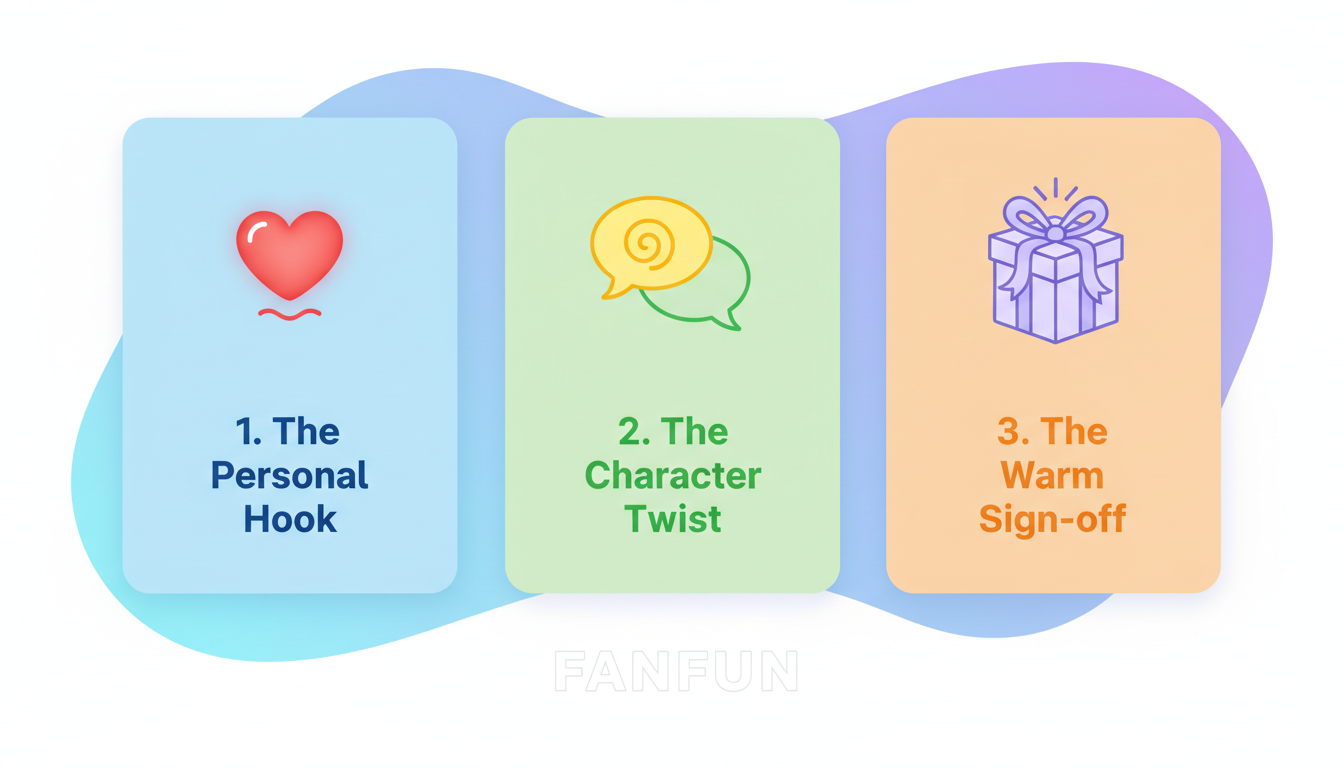
Step 1: The Personal Hook
Begin with a specific, real-world detail that only the recipient would know. This establishes immediate warmth and proves that the message was written specifically for them. Mention a nickname, a shared memory, or a recent challenge they overcame.
Step 2: The Character Twist
Inject the character's signature catchphrase, perspective, or worldview. This transitions the message from purely emotional to highly entertaining. Let the character react to the personal hook in their own classic style. For example, if you are celebrating a major achievement, you can find inspiration on how to write virtual character congratulations prompts that blend applause with humor.
Step 3: The Warm Sign-off
End with a simple, direct wish that reinforces the bond between the sender and recipient. Bring the focus back to your support for them, ending the video on a positive, uplifting note.
To see how this framework functions in practice, compare these two script approaches:
| The Generic Approach (Less Impact) | The Balanced, Heartfelt Approach (High Impact) |
|---|---|
| "Happy Birthday, Sarah! I hope you have a great day. You are the best friend ever and I hope all your dreams come true. Have fun!" | "Hey Sarah, I know studying for the bar exam has been exhausting, but you are almost there! I would lend you my magic gadget to help you pass, but you have got this on your own. Sleep early, okay? We are so proud of you!" |
Tailoring Tone to the Character Archetype
Not all characters express warmth in the same way. To make your script feel authentic, you must adapt your tone to match the natural behavior of your chosen persona. If you are celebrating a specific milestone, you can read our guide on how to write a milestone birthday script for a virtual character video.
When writing for comedic characters, you do not want to lose the heartfelt intent, but you also cannot make them sound entirely out of character. Ground their humor by letting them offer advice that is funny but ultimately supportive. For a deeper dive into this style, see our tips on how to write a humorous script for a virtual character video. For comforting or nostalgic characters, like holiday favorites or cartoon heroes, you can lean much heavier into emotional resonance. Use gentle language and classic catchphrases that evoke warm memories.
If you are using public or historical figure personas, keep the tone playful and respectful. Focus on lighthearted public traits or well-known positive habits, keeping the parody fun and cheerful for the recipient.
Formatting for Natural AI Voice Delivery
Writing a great script also means writing for the technology that will deliver it. To ensure your Fanfun video gift sounds natural and clear, keep these technical parameters in mind:
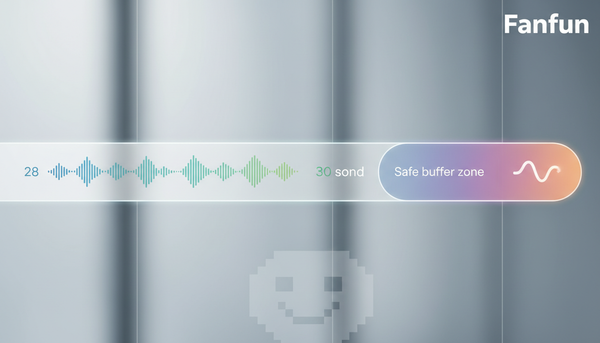
- Respect the Time Limit: On Fanfun, one video credit covers up to 30 seconds of speech. To prevent the generator from rushing through your message, keep your script concise, ideally between 50 and 75 words.
- Avoid Complex Sentences: Long, winding sentences with multiple clauses can confuse the voice generator. Use short, punchy sentences that give the AI natural places to pause.
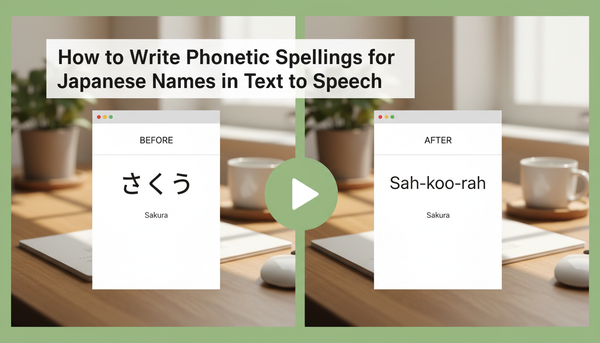
- Use Phonetic Spellings: If your recipient has an unusual name or if you are using a highly specific inside joke, write it out phonetically. For example, write "Shi-vawn" instead of "Siobhan" to ensure correct pronunciation.
- Simplify Punctuation: Avoid heavy use of ellipses, dashes, or unusual symbols. Stick to standard periods, commas, and exclamation points to guide the natural flow of the speech.
How long should a heartfelt virtual character script be?
To fit within Fanfun's standard 30-second speech limit per credit, your script should be between 50 and 75 words. Keeping it concise ensures the AI voice reads at a natural, engaging pace without rushing.
Can I use emotional pauses or punctuation to guide the AI voice?
AI voice generators interpret standard punctuation like periods and commas as brief natural pauses. Avoid using complex punctuation like multiple dashes or ellipses, as they can lead to unpredictable pacing or unnatural silences.
What should I do if the AI voice mispronounces a personal name in my script?
If a name or unique inside joke is mispronounced, try spelling it phonetically in your script. Writing names exactly how they sound phonetically helps the voice generator deliver a much cleaner, more accurate pronunciation.