How to Write a Virtual Character Wellness Check-In Script
Brighten someone's day with a thoughtful, low-pressure wellness check-in. Learn how to write an engaging 30-second virtual character script that balances warmth and playful encouragement.

A virtual character wellness check-in script is a warm, low-pressure digital "thinking of you" message designed to lift a friend's or colleague's spirits. To write one successfully, keep the message under 30 seconds, focus on gentle encouragement rather than demanding a reply, and match the playful persona of your selected character. Remember, a virtual character video is a lighthearted way to brighten someone's day and is not a replacement for real-world support or professional care.
The Golden Rules of a Virtual Character Wellness Script
When you want to send a supportive boost, the medium shapes the message. Because you are using a virtual character, the delivery should feel like a delightful surprise rather than a formal evaluation. Keep these key principles in mind:
- Keep it light and low-pressure: A wellness check-in should never sound clinical or demand an immediate response. The goal is to make the recipient smile, not feel obligated to draft a long reply.
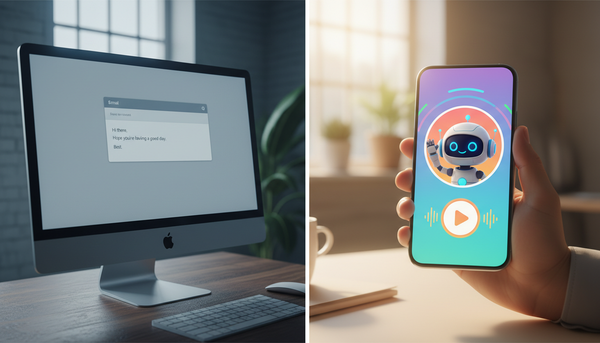
- Acknowledge the medium: A virtual character message works well when it embraces a lighthearted, playful tone rather than trying to sound overly formal.
- Keep it concise: Virtual character speech is most effective when kept short to maintain the recipient's attention and fit within standard video limits.
An Editable Wellness Check-In Template
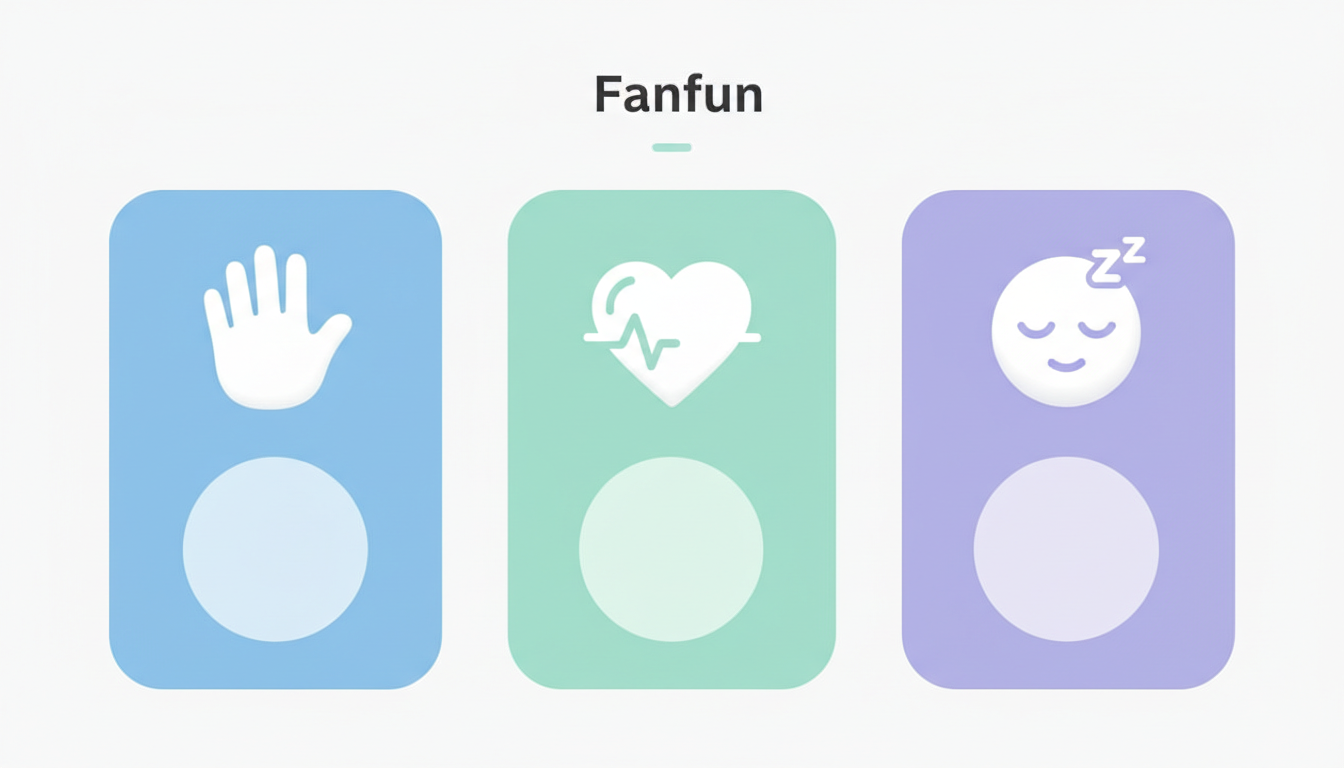
Use this simple three-part structure to draft your script. It is designed to fit within standard video limits. To help structure your message within a standard timeframe, you can read our guide on how to write a 30-second script.
The Template
"[Friendly Character Greeting]! Hey [Recipient Name], it’s [Character Name] here. Just sliding into your day to remind you that you are doing an amazing job. I know things have been super busy lately, but don't forget to take a breather, grab a glass of water, and maybe enjoy a favorite snack. No need to reply to this message at all—just wanted to send some good vibes your way. Keep shining!"
To help you choose the right tone for your message, use this quick decision table based on how your recipient is feeling:
| Recipient's Situation | Recommended Tone | Character Suggestion |
|---|---|---|
| Overwhelmed by work or study | Encouraging & Grounded | A calm animated companion or wise mentor |
| Recovering from a minor illness | Warm & Cozy | A friendly, gentle character with a soft voice |
| Just needs a general pick-me-up | Playful & Energetic | A high-energy animated hero or humorous persona |
Worked Example: A Friendly Boost From an Animated Persona
Here is a fully written 30-second script example featuring a friendly, encouraging animated character like Doraemon. This example demonstrates how to blend sincere warmth with a character's unique voice and playful traits.
Example Script:
"Hey there, Alex! It's your pal Doraemon. I was just sorting through my 4D pocket and realized I don't have a gadget that matches how hard you've been working lately! Since I can't lend you my Memory Bread, I wanted to send you this quick cheer instead. Remember to rest, take things one page at a time, and maybe eat a tasty dorayaki today. No need to reply—just take care of yourself, okay? You've got this!"
Notice how this script weaves in character-specific elements (like the 4D pocket, Memory Bread, and dorayaki) to keep the tone lighthearted and uplifting. Balancing gentle humor with genuine care is key; if you want to add more lighthearted elements, explore our tips on writing a humorous virtual character script. If they are returning to a routine after a break, you might also find inspiration in our guide on crafting a supportive welcome back script.
How to Format Your Script for Natural Text-to-Speech Pacing
When you create a video on Fanfun, your written script is translated into spoken voice. To make sure the virtual character sounds natural and conversational, follow these formatting tips:
- Keep sentences short: Breaking your script into shorter sentences naturally helps structure the pacing and prevents the character from sounding rushed.
- Avoid complex sentence structures: Short, punchy phrases are easier for synthetic voices to process and sound much more conversational.
- Write out words fully: Using full words instead of abbreviations or shorthand helps ensure the message is read exactly as you intend.
Can I use a virtual character wellness check-in for someone going through a serious crisis?
No. A virtual character message is a lighthearted option meant for casual encouragement, minor stressful periods, or a friendly pick-me-up. It is not a replacement for professional mental health care, counseling, or real-world crisis support.
How long should a wellness check-in video script be on Fanfun?
A wellness check-in is most effective when kept under 30 seconds (roughly 50 to 70 words). Keeping it brief ensures the message remains low-pressure, easy to watch, and highly engaging for the recipient.