The Active Playroom: How to Use Interactive AI Character Chat for Immersive Kids' Entertainment
Ditch the passive screen time loops. Discover how to use safe, interactive AI character chat to co-create immersive stories, educational quests, and active physical play with your children.
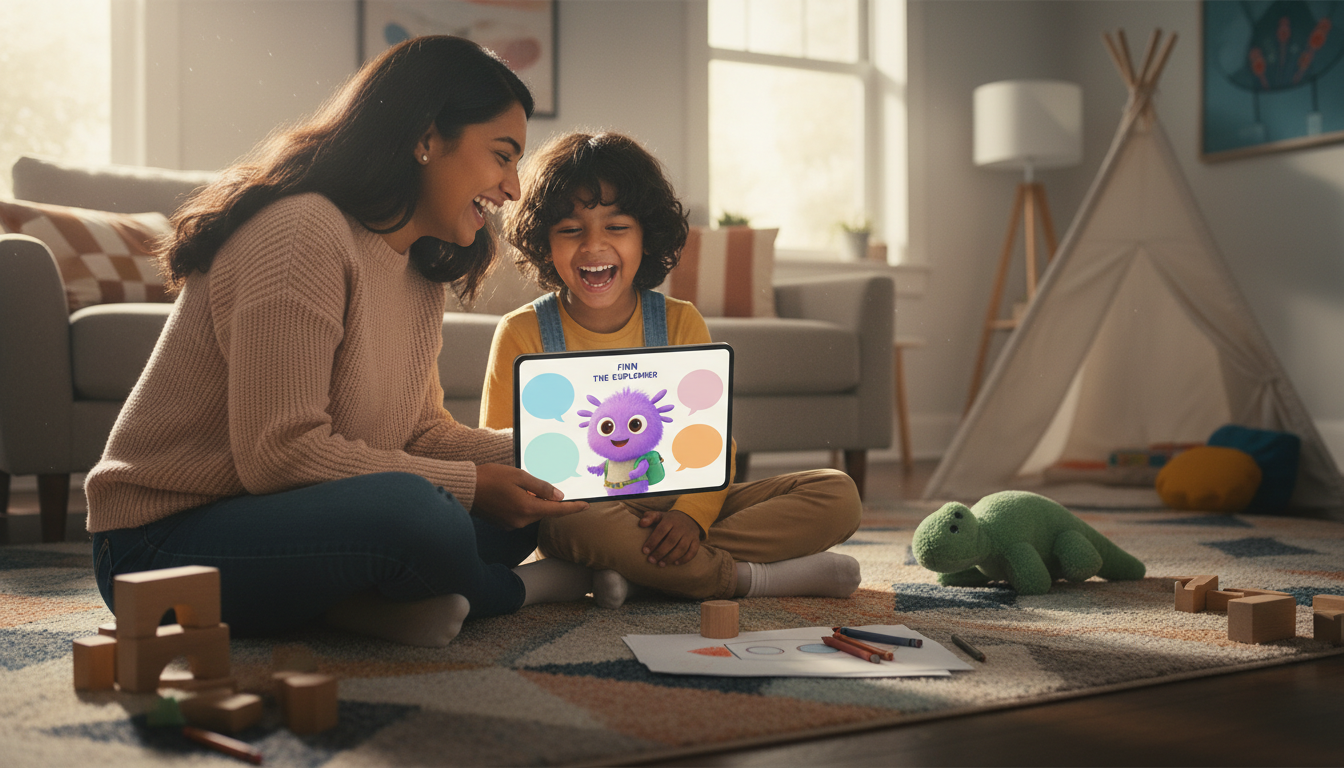
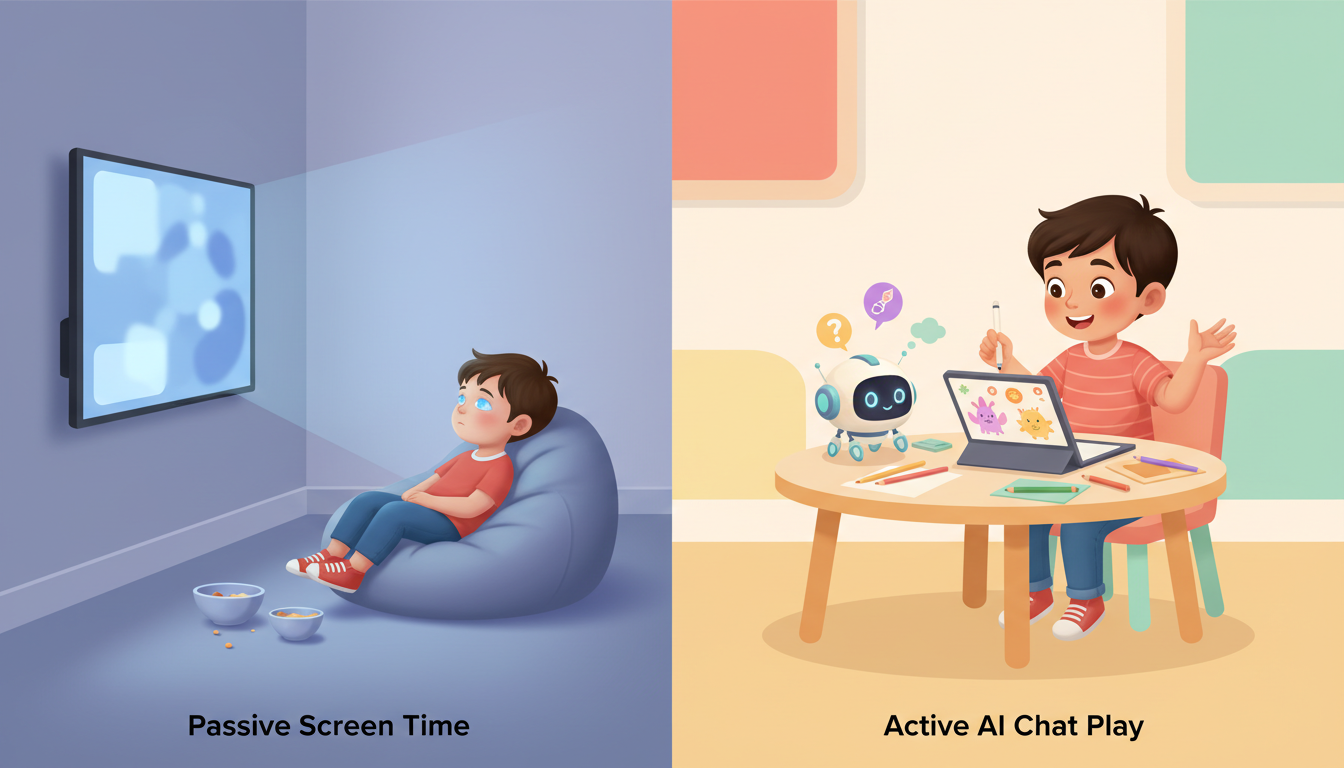
Parents are all too familiar with the digital pacifier effect: a child staring blankly at a tablet screen while autoplay algorithms serve up endless, high-sensory video loops. While these passive streams keep kids quiet, they offer very little in the way of active cognitive development, language practice, or imaginative engagement. Over time, this passive consumption often leads to low cognitive engagement, irritability, and screen fatigue. The brain-state of a child watching a repetitive video is highly passive, requiring zero creative output or critical thinking.
There is a better way to leverage modern technology in the family room. By transitioning from passive consumption to interactive AI character chat, parents can turn screen time into a collaborative, safe, and highly creative dialogue. Using curated platforms like Fanfun, families can co-create immersive stories and educational games that turn digital devices into launchpads for active, real-world play. This approach transforms the device from a isolating screen into a collaborative campfire around which families can build worlds together.
From Passive Watching to Active Dialogue: The Shift in Kids' Entertainment
When a child watches a cartoon, their brain is primarily in receive-only mode. They absorb bright colors and pre-written storylines without needing to formulate thoughts, ask questions, or make decisions. Interactive AI character chat flips this dynamic entirely. Instead of watching a character act, the child must talk, think, and decide what happens next. This shift engages a child's active reasoning and language skills, transforming them from a spectator into an active storyteller.
By inviting kids to ask questions and shape the narrative, they practice key developmental skills. They learn to structure sentences, express complex ideas, and practice empathy by considering a character's feelings and perspective. When a child realizes that their input directly influences whether a friendly space explorer successfully lands on a new planet, their sense of creative agency skyrockets. Instead of consuming a story written by a distant studio, they become the co-author of their own digital adventures.
Designing Safe and Imaginative Play Scenarios
To make the most of interactive chat, parents should treat it as a structured activity rather than an open-ended distraction. Start by selecting characters that align with your child's current interests. Whether they are fascinated by a friendly futuristic robot like Doraemon, a whimsical fantasy hero, or a historical explorer, starting with a familiar archetype makes the interaction instantly engaging. On Fanfun, these characters are pre-configured to maintain safe, age-appropriate boundaries, giving parents peace of mind.
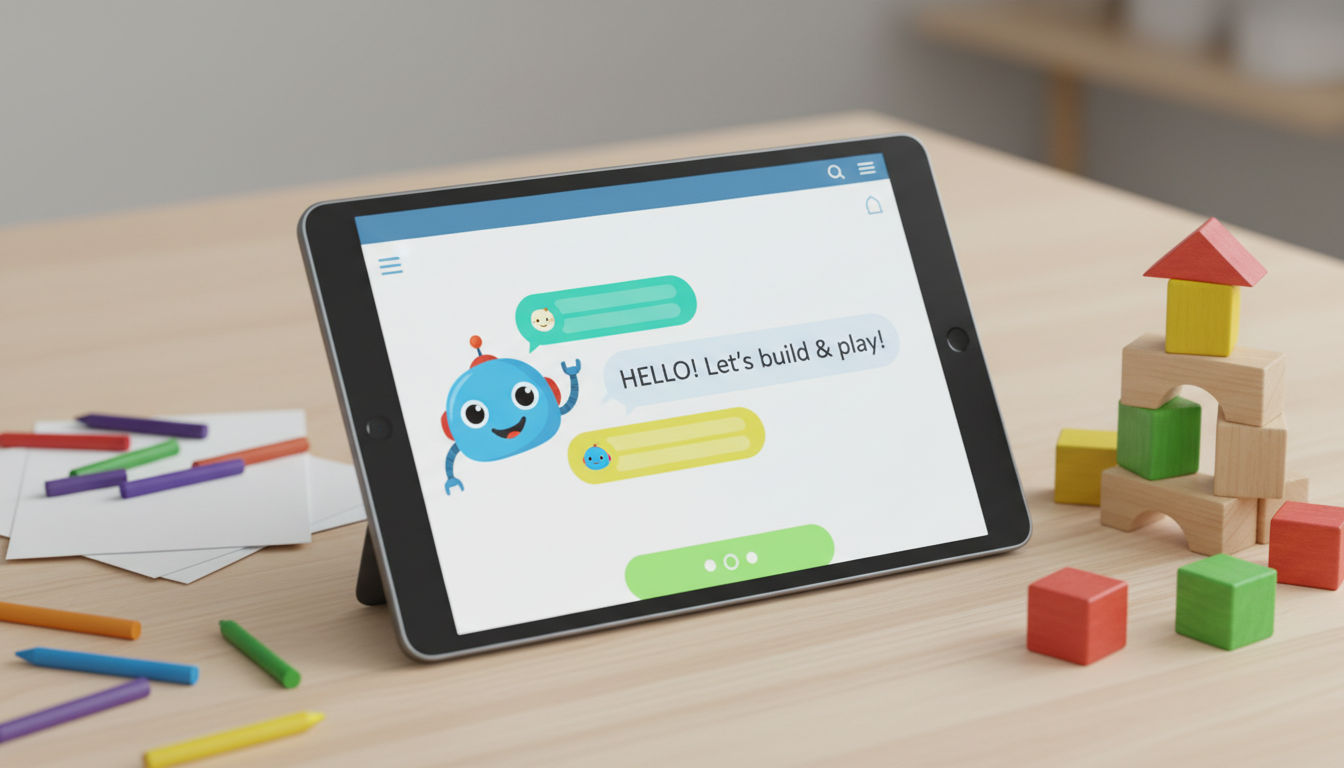
Before the session begins, establish a specific "quest" or "mission" to keep the conversation focused and constructive. For example, instead of just saying "talk to the robot," you can set up a mission: "Let's help the robot design a new invention to clean up the ocean." Setting clear ground rules and a defined time limit before the chat starts ensures the experience remains a special, structured event rather than an endless scrolling habit. You might set a timer for 15 minutes of chat, followed by 30 minutes of building the robot's invention out of cardboard boxes.
Co-Piloting the Conversation: Best Practices for Parents
AI character chat is most effective when parents act as co-pilots, guiding the interaction to maximize its educational and creative value. Rather than handing the device over and walking away, sit together and share the experience. This shared screen time fosters bonding and allows you to scaffold the learning process for your child.
The Parent-as-Scribe Strategy
For younger children who are still learning to read and write, the "parent-as-scribe" approach works beautifully. Your child speaks their ideas aloud, and you type them into the chat. When the character responds, read the text aloud with dramatic flair, using different voices and sound effects. This not only makes the experience feel magical, but it also models reading comprehension, spelling, and typing skills in a fun, natural context. Your child sees their spoken words instantly transformed into written text that a digital friend understands.
The Socratic Partner
As your child chats, don't just let them accept every response passively. Ask guiding questions like, "Why do you think the explorer said that?" or "What do you think we should do next to help them?" This prompts your child to think critically about the dialogue and helps them practice empathy and problem-solving. It also prevents them from rushing through the interaction, encouraging deeper reflection on the narrative.
Bridging the Digital and Physical Worlds
Don't let the play stop at the screen. Use open-ended prompts to encourage deeper thinking, such as asking, "What do you think we should pack for our virtual space voyage?" Once the character suggests items, challenge your child to bridge the digital and physical worlds. Ask the virtual character to suggest a real-world drawing or building activity based on the chat. If the character mentions a "stellar map," pause the chat and spend fifteen minutes drawing a physical map with crayons on the living room floor. This hybrid model ensures that digital play directly feeds physical, tactile creativity.
The Creative Sandbox: Storytelling, Roleplay, and Educational Quests
Interactive chat functions as a highly flexible creative sandbox. One of the most rewarding ways to use it is through collaborative storytelling, where the child and the character take turns deciding what happens next in an unfolding adventure. While older creators use interactive guides to direct fictional character chat for scriptwriting, parents can apply similar narrative-building techniques to co-create bedtime stories with their children, letting the child steer the plot in real time. For a deeper look at these narrative dynamics, you can read our guide on using interactive character chat to break story blocks and refine dialogue.
By prompting the character to introduce obstacles or plot twists, parents act as behind-the-scenes showrunners. For a deeper dive into managing these interactive narratives, check out our director's guide to interactive AI chat with fictional characters. This approach turns the parent into a creative director, helping the child navigate challenges and build satisfying story arcs.
You can also introduce light educational challenges into the roleplay. Ask the character to help your child practice spelling, solve simple math riddles, or explain scientific concepts in-character. For kids who love animated adventures, learning how to chat with virtual anime heroes online for immersive roleplay can turn a simple afternoon into an epic training arc of reading and writing practice. A friendly dinosaur character can explain the Cretaceous period, or a virtual astronaut can describe the moons of Jupiter, making abstract academic concepts feel personal and exciting.
If your child is an aspiring actor or loves dramatic play, you can introduce them to theatrical roleplay. For tips on structuring these dramatic dialogues, see our guide on how to chat with virtual movie stars online for creative roleplay and scene work. This can help older kids practice projection, emotional expression, and script interpretation in a low-stakes, highly encouraging environment.
For children who are sports enthusiasts, chatting with an AI version of their favorite sports hero on Fanfun can turn passive fandom into active physical exercise. Parents can use this to co-create custom sports drills. Learn more about how to use interactive AI athlete chat to deconstruct championship plays and build custom drills that you can execute together in the backyard. Imagine a virtual soccer star giving your child a "secret training challenge" that they then go outside to practice on the lawn.
Evaluating and Selecting Safe Character Chat Platforms
Not all AI tools are built with families in mind. When introducing interactive chat to your household, safety must be the top priority. Parents should look for platforms with robust safety guardrails, curated character libraries, and intuitive interfaces that don't require complex technical setup. To understand the broader landscape of what makes an interactive space secure and responsive, you can explore our detailed guide on evaluating virtual character chat platforms.
Fanfun serves as an ideal, family-friendly hub for this kind of active play. Rather than navigating unpredictable, open-ended AI models that might wander into inappropriate territory, Fanfun provides safe, pre-configured AI interpretations of beloved cultural icons and animated characters. The interface is clean, instant, and designed to foster creative, respectful interactions without hidden complexities or predatory monetization loops.
| Feature | Passive Video Streaming | Uncurated AI Tools | Curated Platforms (e.g., Fanfun) |
|---|---|---|---|
| Cognitive Engagement | Low (Passive watching) | High (Text-based) | High (Structured play) |
| Safety Guardrails | Medium (Algorithm-dependent) | Low to None | Robust & Family-Friendly |
| Creative Output | None | Unpredictable | High (Co-created stories) |
| Parental Control | Low (Autoplay loops) | Low (Hard to monitor) | High (Co-piloted sessions) |
Healthy Boundaries: Balancing AI Chat with Physical Play
While interactive AI chat is a massive cognitive upgrade over passive video scrolling, it should never replace physical play, outdoor exploration, or real-world human socialization. Instead, use it as a tool to spark offline activity. A great framework for this is the "Hybrid Play" model: limit the interactive chat session to 15 minutes, and use the ideas generated during the chat to fuel 30 to 45 minutes of offline building, drawing, or roleplaying around the house.
To help you implement this, here is a simple weekly framework you can adapt:
- Step 1: The Spark (10-15 Mins): Sit down with your child on Fanfun and chat with a character (e.g., an explorer or a wizard) to establish a mission.
- Step 2: The Physical Bridge (5 Mins): Ask the character what physical item is needed for the mission (e.g., "We need a magic wand to cast the shield spell!").
- Step 3: The Offline Craft (20-30 Mins): Close the device and build the item using household crafts, paper, or building blocks.
- Step 4: The Real-World Quest (20 Mins): Act out the adventure in the backyard or living room using the crafted items.
To maintain visibility and keep the activity grounded as a family event, keep all interactive devices in shared household spaces like the kitchen or living room. By treating these virtual characters as imaginative playmates and co-creators, you can help your child develop a healthy, active relationship with technology that prioritizes creativity, learning, and real-world connection.
Is interactive AI character chat safe for young children?
Yes, provided you use curated platforms like Fanfun that feature pre-configured character personas with robust safety guardrails. To maximize safety and educational value, we recommend that parents co-pilot the experience, acting as the scribe and reading the responses together with their child.
How can I use AI chat to help my child with learning and schoolwork?
You can ask the character to present educational challenges in-character. For example, ask a friendly robot to give your child simple math riddles, or have a historical figure explain their adventures. This contextual learning makes academic practice feel like an exciting game rather than a chore.
What are some fun character chat prompts to try with my kids?
Try prompts that establish a collaborative goal, such as: "Let's design a spaceship together, what should we build first?" or "Can you help me invent a new superhero and tell a story about their first mission?" This encourages open-ended thinking and collaborative problem-solving.
How does Fanfun ensure a family-friendly experience for character interactions?
Fanfun focuses on curated, safe AI interpretations of popular characters and cultural icons rather than open-ended, unmonitored chat systems. Our pre-configured personas are designed to keep conversations productive, creative, and respectful, making it an ideal space for family-friendly interaction.