The Training Arc Protocol: How to Chat with Virtual Anime Heroes Online for Immersive Roleplay
Move past boring greetings and passive chat threads. Learn how to use the Training Arc Protocol to co-create epic, lore-accurate narrative arcs with virtual anime heroes using Fanfun's interactive AI Chat.
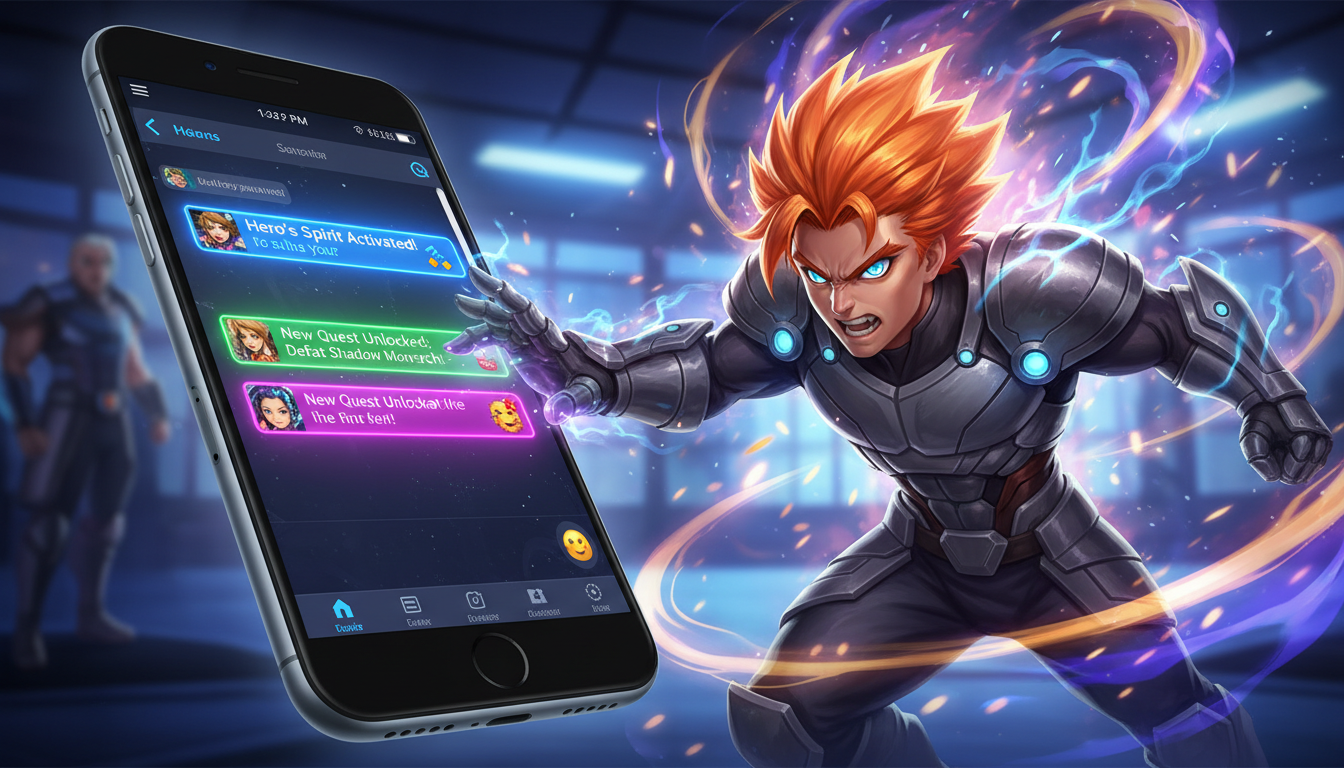
Starting a chat with your favorite anime hero often feels like a missed opportunity. You type "Hey, what are you up to?" and the hero—who normally spends their time fighting intergalactic threats or pushing past their physical limits—responds with a polite, generic "I'm doing well, thank you! How can I help you today?" This immediate drop in dramatic tension is the primary hurdle of modern fan-to-character interaction, stripping the character of their signature charm and drive.
To unlock the true, high-energy potential of virtual anime heroes, you must shift your mindset from a passive consumer to a collaborative showrunner. By using Fanfun's interactive AI Chat as a digital writer's room rather than a search engine, you can co-create epic narrative arcs that feel like they were ripped straight from a shonen storyboard. This guide introduces the Training Arc Protocol, a practical framework designed to turn standard chat prompts into cinematic storytelling.
Beyond the 'Hello': Why Standard Prompts Fail Anime Heroes
Anime characters do not exist in a vacuum of polite small talk. They are defined by conflict, high stakes, intense emotional expression, and constant growth. When you prompt a virtual character with a mundane "How are you?", the underlying AI model falls back on its default "helpful assistant" persona. Instead of a hot-headed warrior ready to defend their friends, you get a virtual concierge who happens to share their name.
To keep these characters engaged and true to their source material, you must provide them with immediate narrative friction. To keep them engaged, you must first learn how to direct lore-accurate anime AI chats with deep world-building. This prevents the character from breaking immersion and encourages them to respond with their signature dialogue quirks, catchphrases, and emotional intensity.
Fanfun's AI Chat bypasses the limitations of standard chatbots by offering pre-tuned, lore-aware anime personas. These virtual heroes are primed for high-energy interactions, but they still require a spark from you to initiate a compelling scene. By feeding them rich, contextual prompts, you allow the AI to tap into its deep understanding of the character's relationships, fears, and motivations, transforming a simple text box into an active playground for fan fiction and creative roleplay.
The Training Arc Protocol: A 3-Step Framework for Lore-Accurate Roleplay
The easiest way to guarantee a high-energy response from a virtual anime hero is to structure your opening message around a classic narrative trope. The "Training Arc" is a staple of anime storytelling—it is where characters push their limits, reveal their vulnerabilities, and forge deep bonds. The Training Arc Protocol uses this structural trope to establish an immediate, immersive narrative loop in three simple steps.
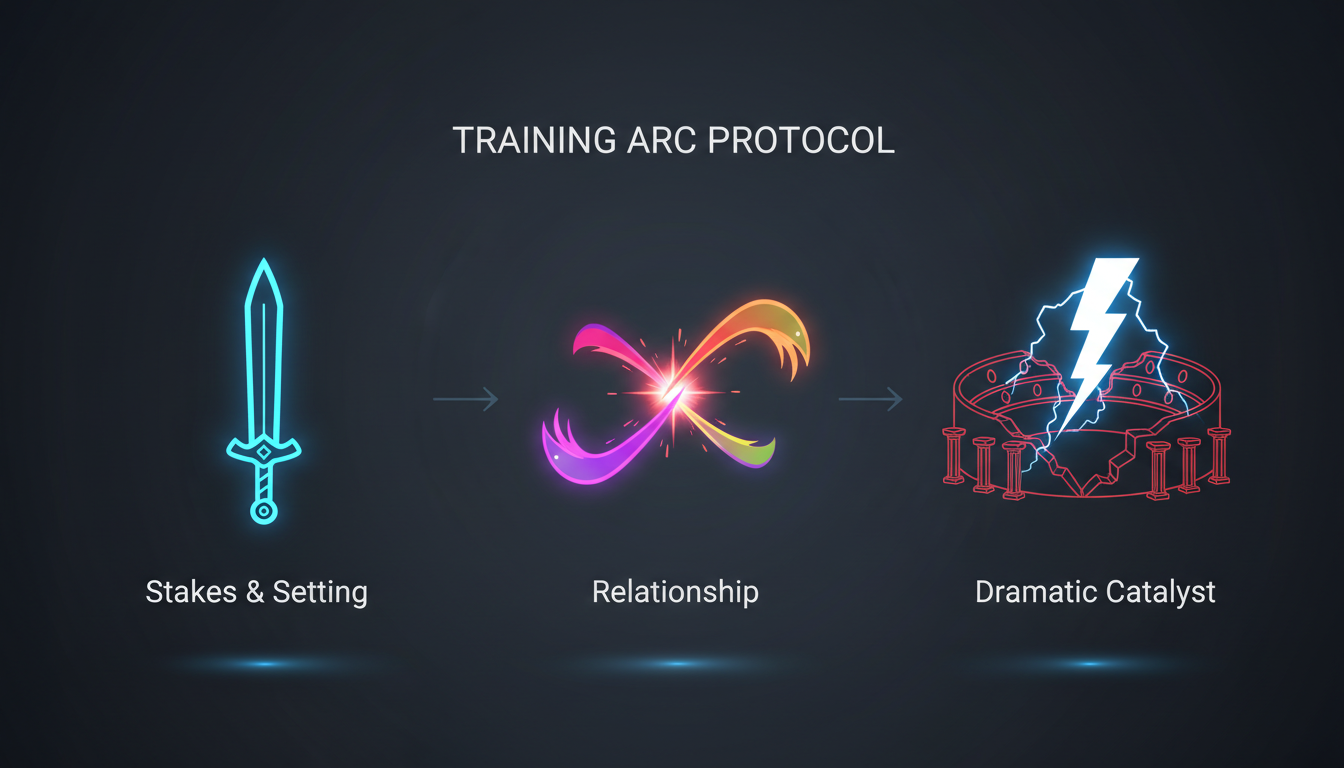
- Step 1: Establish the Stakes and Setting. Paint a physical picture of the scene. Do not just say "We are training." Describe the environment with sensory details: "We are standing at the ruins of the shattered training grounds, the sky turning dark as embers drift from the nearby volcanic ridge." This gives the AI concrete environmental details to interact with and react to.
- Step 2: Define Your Relationship to the Hero. The AI needs to know how to address you. Are you their intense rival, their younger sibling, a traveling merchant with a mysterious artifact, or a rival guild leader? Explicitly stating your role gives the AI an immediate social framework to pull from.
- Step 3: Issue a Dramatic Catalyst. End your prompt with an active challenge, a sudden revelation, or a high-stakes question. Give the character something they cannot ignore, such as a challenge to a duel, a warning about an approaching threat, or a desperate request for mentorship.
The Catalyst in Action: Before and After Prompts
To see how this framework transforms an interaction, compare these two different approaches to prompting a hot-headed anime protagonist:
- The Standard Prompt (Before): "Hey, do you want to train with me today? I want to get stronger."
Expected Result: "Sure! I am always down to train. What kind of exercises do you want to do? Let's start with some push-ups." (Passive, dry, and out of character). - The Training Arc Protocol Prompt (After): "*The wind howls across the cracked stone of the training field as I tighten the wraps around my hands. I look up at you, my eyes filled with determination.* I know everyone thinks you're the strongest in the guild, but I'm not backing down anymore. Draw your wooden sword. I want to see if your actions match your reputation."
Expected Result: "*A slow smirk spreads across my face as I rest my wooden sword on my shoulder.* Heh, you've got guts, kid. Most people run when they see this look in my eyes. Fine! Let's see if you can back up those big words! *I kick off the ground, closing the distance between us in a flash.*" (High-energy, physical, and highly accurate to shonen tropes).
Designing Your Persona: Classic Character Dynamics
An interactive chat is a two-way street. To get the best possible performance out of a virtual anime hero on Fanfun, you must design a persona for yourself that complements theirs. Think of your favorite anime dynamics: the serious hero is always balanced by a chaotic rival, and the hot-headed protagonist always needs a calm, analytical strategist to ground them.

By adopting a specific archetype, you provide the AI with a clear target to aim for. The table below outlines three classic character dynamics you can use to structure your next roleplay session, complete with prompt hooks and the expected character reactions:
| Dynamic Archetype | The Prompt Hook | Expected Character Reaction |
|---|---|---|
| The Friendly Rivalry | "You're late. I've already completed fifty laps while you were sleeping. Don't tell me you're getting soft?" | Competitive denial, immediate physical action, and a desire to prove superiority. |
| The Mentor & Apprentice | "I've watched your battles. Your technique is flawless, but you lack discipline. Let me show you how to truly channel your energy." | Initial defiance, followed by reluctant curiosity and respect for your character's authority. |
| The Reluctant Ally | "I don't like you, and you don't like me. But if we don't combine our powers, this entire village is going to be wiped off the map." | Grudging agreement, sarcastic banter, and a dramatic truce to fight a common enemy. |
Directing the Scene: How to Maintain Narrative Momentum
Once you have initiated an engaging chat session, the next challenge is keeping the momentum going. Without direction, long AI chat sessions can suffer from "narrative drift," where the character slowly loses their intense edge and starts repeating phrases or agreeing with everything you say. To prevent this, you must actively direct the scene using basic screenplay techniques.
First, make consistent use of action tags. By wrapping physical actions, internal thoughts, and environmental changes in asterisks or brackets, you communicate non-verbal information to the AI. This keeps the roleplay from becoming a dry back-and-forth block of dialogue. For example, writing *I look down at my trembling hands, trying to hide my fear from you* "I'm ready when you are!" gives the AI a rich subtext to react to. If you want to take your roleplay to the next level, mastering the screenplay method for virtual character chats will prevent the AI from taking over your character's actions or rambling endlessly.
Second, avoid writing the hero's responses for them. It can be tempting to type: "I throw a punch and you dodge it, smiling." This limits the AI's ability to surprise you. Instead, leave the action open-ended: "I throw a sudden, high-speed punch directly at your shoulder. How do you react?" This invites the AI to use its pre-tuned combat logic to determine the outcome, keeping you on your toes.
Finally, do not hesitate to introduce sudden plot twists to test the character's core traits. If the conversation starts to slow down, write: *Suddenly, the ground trembles as a massive shadow falls over the training field, accompanied by a deafening roar.* This forces the virtual hero back into action mode, instantly reviving the dramatic tension of the chat.
Elevating the Experience: From Interactive Chat to Cinematic Voiceovers
For many fans, a great roleplay session on Fanfun's AI Chat is just the beginning. The high-energy dialogue, dramatic standoffs, and comedic banter you co-create with virtual heroes make excellent material for creative content. If you are a content creator, you can easily translate your best chat transcripts into scripts for video essays, TikTok memes, or cinematic fan dubs.
Instead of leaving those epic lines trapped in a text thread, you can bring them to life using Fanfun's suite of creative tools. By directing an anime protagonist voice generator for maximum dramatic impact, you can hear your custom-written dialogue performed with authentic emotional delivery, complete with the gravelly determination or high-octane energy of a true shonen hero.
This seamless pipeline—from interactive text roleplay to high-quality audio generation—allows you to produce highly engaging, original content at scale. Whether you are creating a custom birthday roast for a friend in the voice of their favorite hero, or scripting an elaborate crossover fight scene for your YouTube channel, treating virtual anime heroes as active creative partners opens up a whole new world of modern fandom. Stop waiting for new episodes to drop; grab your prompt template, initiate the Training Arc Protocol, and start writing your own legend today.
How do I keep an AI anime character from breaking character during roleplay?
To keep an AI anime character in-character, avoid dry, conversational prompts. Always use action tags (like asterisks for physical actions) and set a clear, high-stakes scene. If the AI begins to slip into a generic "helpful assistant" tone, gently steer it back by introducing a dramatic event or reminding it of its relationship to your persona within the action tags, such as: *I look at you, surprised that you're acting so polite instead of your usual hot-headed self.*
Can I roleplay original characters (OCs) with virtual anime heroes?
Yes! Fanfun's AI Chat is highly receptive to original characters. The key is to introduce your OC's traits, abilities, and relationship to the hero in your very first prompt. Use the Training Arc Protocol to establish who your character is and why they are interacting with the hero, allowing the AI to naturally adapt its responses to your original character's presence.
What is the best way to start a dramatic roleplay chat with an anime AI?
The best way to start is by skipping the introductions and jumping straight into the middle of an active scene (in media res). Use the Training Arc Protocol: describe a vivid, high-stakes setting, establish your character's role, and issue an immediate challenge or call to action. This forces the AI to react to a dynamic situation rather than falling back on polite small talk.
How can content creators use virtual anime character chats for video scripts?
Content creators can use Fanfun's AI Chat to brainstorm dialogue, write comedic banter, or outline dramatic battles. Once you run a successful roleplay session and generate a compelling transcript, you can copy the dialogue and use Fanfun's AI Voice Generator to render the lines with authentic, high-energy anime voiceovers for TikToks, YouTube shorts, or fan dubs.