The Play-by-Play Parody: How to Direct High-Impact Sports Commentary Videos with AI Voices
Turn everyday moments into viral sports spectacles. Learn the scripting, pacing, and AI voice casting techniques to master the sports commentary parody format.
The internet has a deep-seated love for the mockumentary and the over-dramatized parody. One of the most reliable formats for capturing immediate attention on TikTok, Reels, and YouTube Shorts is the hyper-serious sports commentary applied to completely mundane, low-stakes activities. Whether it is a cat meticulously stalking a plastic bottle cap, a partner struggling to assemble flat-pack furniture, or a colleague attempting to navigate a tense Zoom meeting on mute, treating these everyday struggles like a Game 7 championship broadcast creates an instant, highly shareable comedic contrast.
Executing this format successfully requires more than just pointing a smartphone camera and shouting. It demands a sharp understanding of sports broadcast tropes, tight script writing, and—most importantly—the right vocal delivery. While traditional creators used to rely on expensive voiceover talent or their own limited vocal range, modern creators are using advanced AI tools to cast iconic, high-impact voices that sell the joke instantly. By leveraging Fanfun's suite of AI voice generators, creators can bypass the logistical bottlenecks of traditional production and deploy pitch-perfect, character-driven commentary in minutes.
The Anatomy of a Viral Sports Commentary Parody
The most successful sports commentary parodies operate on a simple, ruthless comedic principle: the juxtaposition of scale. When you apply the high-octane, breathless intensity of a Game 7 championship broadcast to an utterly mundane event, the result is inherently absurd. This format captures attention because it reframes the boring, relatable struggles of daily life as epic, cinematic narratives. The viewer is sucked in by the familiar cadence of sports broadcasting before they even register that they are watching someone try to get a piece of toast out of a toaster without burning their fingers.
To pull this off, you need to commit to the bit entirely. A viral parody isn't just someone talking over a video; it is a carefully constructed performance. You need hyper-specific sports jargon, a clear dynamic between the play-by-play announcer and the color analyst, and a narrative arc that builds tension until the final, often anticlimactic, resolution. By treating the trivial as monumental, you tap into the modern audience's love for irony and high-production-value satire. The magic lies in the contrast: the more serious and professional the commentary sounds, the funnier the visual joke becomes.
Scripting the Absurd: The 'ESPN-ification' Framework
Great parodies rely on a rigid script structure that mimics the rhythm of a real broadcast. You aren't just improvising; you are building a play-by-play narrative with clear beats. Start by identifying the "key player" in your footage and the "championship stakes" involved in their action. Use the table below to translate everyday life into professional broadcast language.
| Broadcast Trope | Parody Equivalent | Example Scenario |
|---|---|---|
| The Injury Report | The Minor Inconvenience | "He's dealing with a mild paper cut on the left index finger." |
| The Play-by-Play | The Step-by-Step Struggle | "He approaches the microwave... the soup is spinning..." |
| The Coaching Timeout | The Moment of Hesitation | "She stops. She's rethinking the entire layout of this shelf." |
| The Championship Trophy | The Final Success or Fail | "And the trash bag is successfully tied! What a historic run!" |
Structure your script in three distinct acts. Act one establishes the setting and the stakes. Act two focuses on the process, using technical jargon to describe simple movements. Act three is the climax, where you use rapid-fire delivery to describe the final outcome, regardless of how trivial it is.
The Play-by-Play vs. Color Commentator Dynamic
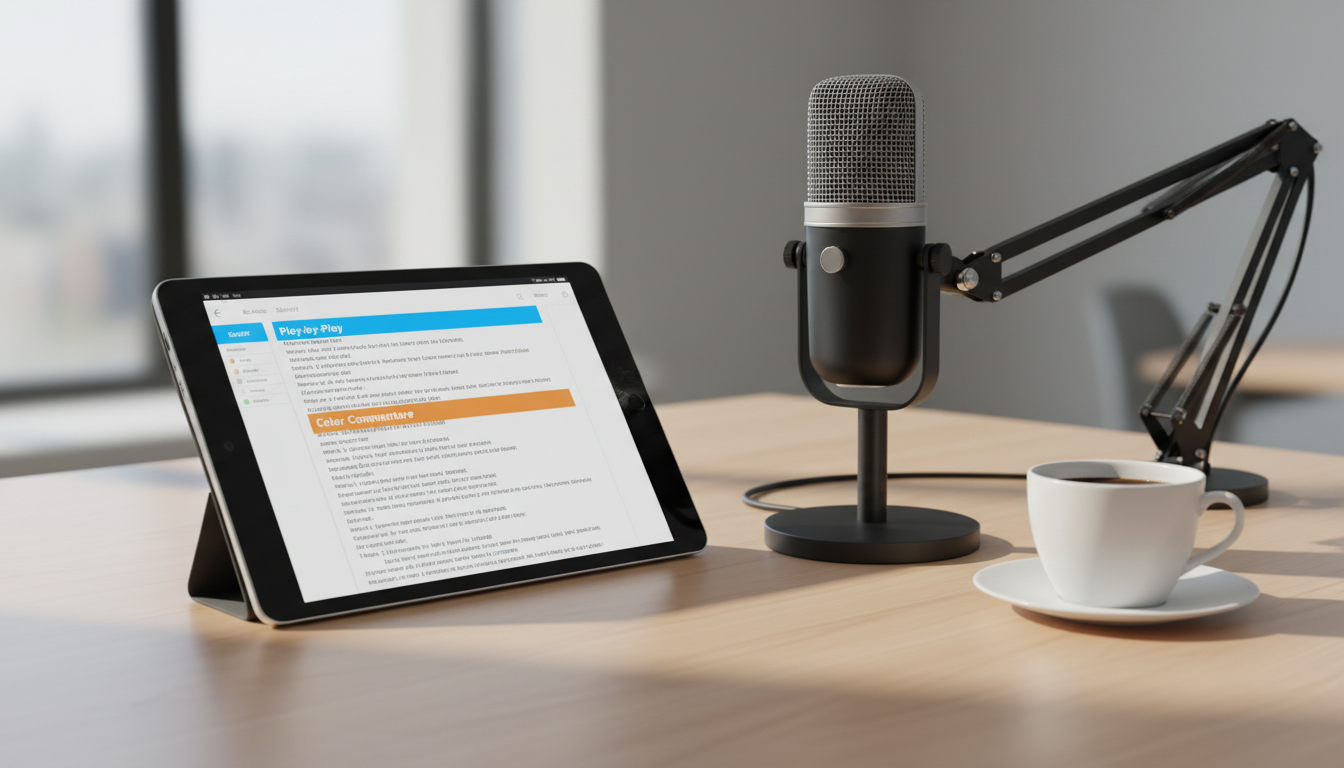
To make your parody feel like a genuine network broadcast, script two distinct voices. The play-by-play announcer is the "straight man"—they deliver the literal facts of what is happening on screen with intense, steady energy. The color commentator, on the other hand, provides the emotional flavor, bizarre personal anecdotes, and analytical breakdown. For example, while the play-by-play announcer says, "He's opting for the double-knot on the left sneaker," the color commentator chimes in with, "Bold strategy, Jim. We saw this fail him back in the 2022 morning rush, and it cost him a seat on the subway." This dual-voice dynamic adds layers of depth and realism to the comedy.
Hooking the Viewer in the First Three Seconds
On short-form video platforms, you have less than three seconds to convince a viewer not to swipe away. Your script must open with an immediate, high-energy hook that establishes the gravity of the situation. Instead of starting with "Here is my cat playing with a toy," start with "We are live in the living room where history could be made in the next five seconds." To master the art of writing compelling openings that keep viewers glued to the screen, explore our breakdown of how to script high-converting video promos for the AI era.
Casting the Voice: Elevating Your Script with AI Personas
A generic voiceover will flatline your parody. To sell the joke, the audience needs to hear a voice that carries the weight of a seasoned broadcaster, a legendary coach, or a recognizable cultural icon. This is where Fanfun becomes your essential creative engine. Instead of hiring expensive voice talent, dealing with scheduling conflicts, or recording yourself and hoping for a "professional" tone, you can instantly cast AI personas that have the gravelly, authoritative, or overly enthusiastic cadence required for sports broadcasting. Fanfun serves as the ultimate modern alternative to traditional talent booking platforms, offering instant turnaround and total creative control.
Phonetic Scripting and Inflection Hacks
When working with an AI voice generator, you are the director. To get the most realistic, high-impact delivery, you must learn to script phonetically and use punctuation to guide the AI's performance. AI models interpret punctuation as stage directions. If you need a dramatic pause before a major play, use ellipses (...) or a well-placed dash. If you want the voice to emphasize a specific word to show excitement, write it in ALL CAPS or add exclamation points. For example, writing "He... goes... ALL THE WAY!" will yield a vastly different, more dynamic delivery than "He goes all the way." For a deeper dive into writing scripts that translate perfectly to digital voices, check out our comprehensive guide on how to script and voice high-impact video parodies with AI.
Editing for Comedic Timing: Pacing, Sound Effects, and Visual Cues
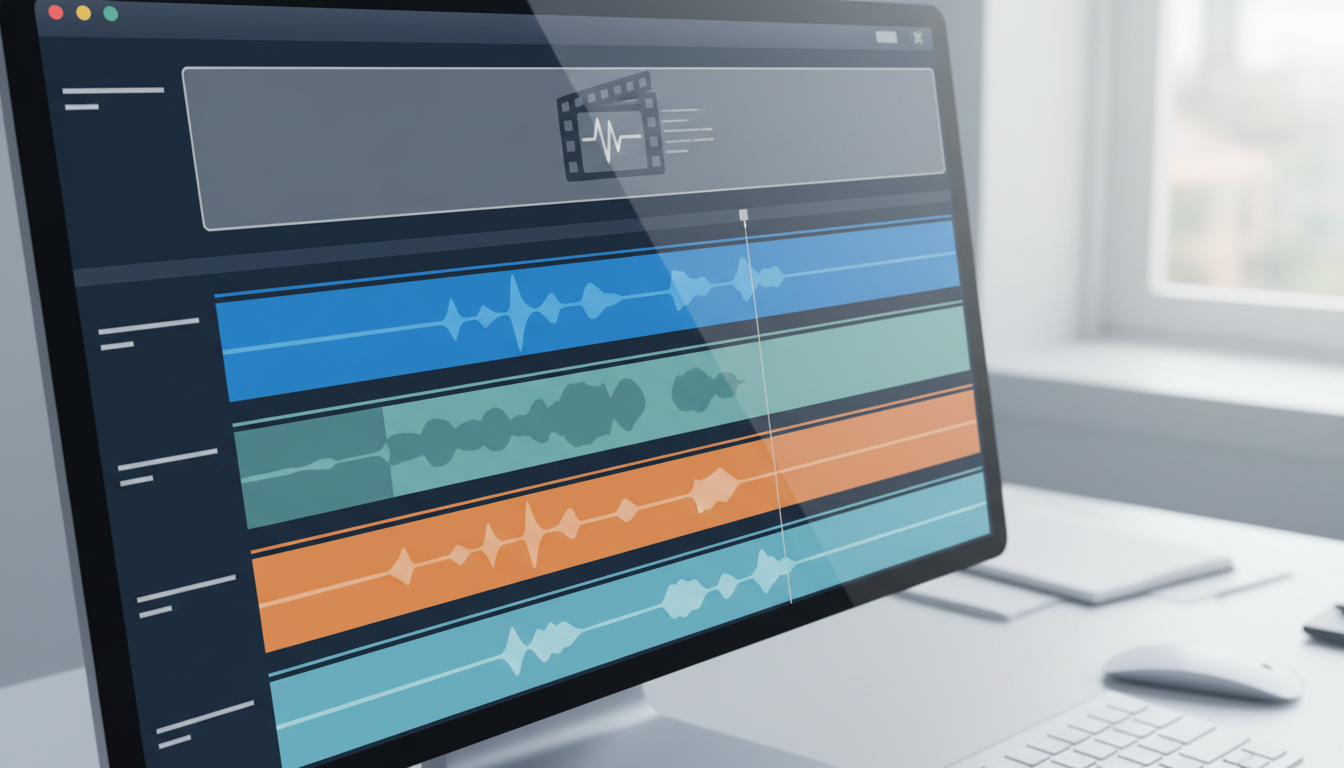
The visual and audio sync is where your parody moves from a funny script to a viral masterpiece. The secret to comedic timing in sports parodies is the pregnant pause. Leaving two seconds of silence right before a climax mimics the tension of a live broadcast. Layering is also key: your AI voiceover should never sit in silence. It needs to be layered on top of a low-volume audio bed of stadium murmur, the squeak of sneakers on a basketball court, or the distant blow of a referee's whistle. These subtle audio cues trick the viewer's brain into processing the mundane footage as an actual high-stakes sporting event.
The Power of the Telestrator and Sound Bed
To take your production value to the next level, use simple video editing overlays. Draw bright yellow or neon green telestrator circles around the subject of your video—like highlighting a dog's paw as it prepares to steal a piece of bacon from the coffee table. Add slow-motion replays of the "pivotal moment" with a dramatic zoom. If you are looking to pair your commentary with real-time visual reactions or split-screen setups, explore our playbook on directing an AI reaction video generator for viral cultural commentary. These visual gags act as the final punchline, showing the audience exactly how seriously you are taking this absurd premise.
Beyond the Feed: Custom Sports Commentary for Personal Milestones
While viral social media content is a massive use case, the sports commentary parody format is also an incredibly high-impact tool for personal gifting and milestones. Imagine sending a close friend a highly detailed, professional-sounding sports broadcast of them trying to wake up on their 30th birthday, or presenting a retiring colleague with a play-by-play breakdown of their legendary career navigating corporate spreadsheets.
Using Fanfun to generate these custom messages allows you to create highly personalized, hilarious content that traditional greeting cards simply cannot match. If you want to create a memorable, funny video for a friend who lives across the country, check out our guide on directing custom AI video greetings that keep faraway friendships hilarious. Alternatively, if you are tasked with honoring a colleague's career without putting the room to sleep, read our playbook on how to direct actually funny retirement video messages without the awkward silence.
Distribution and Platform Optimization: Making Your Parody Go Viral
Your video needs to look legitimate at first glance to maximize the comedic payoff. Frame your titles, captions, and descriptions like a genuine sports highlight reel: "UNBELIEVABLE comeback in the final seconds!" or "The most clutch defensive play of the season." This micro-deception is crucial for grabbing the user’s attention in a crowded feed. Ensure your on-screen captions are high-contrast, colorful, and easy to read, as a large percentage of users will watch your parody on mute before they decide to turn the volume up for the full experience.
To see how creators and brands deploy fast-turnaround video concepts for real-time engagement, read about using a cameo style video generator for marketing and cultural commentary. Finally, foster community engagement by turning the comments section into a post-game analysis. Ask your viewers to "rate the play" in the comments or suggest the next "everyday scenario" for your broadcast team to cover. This keeps your audience actively invested in the series and creates a self-sustaining cycle of content ideas that keeps your channel growing.
How do you write a good sports commentary script for a parody?
Focus on the contrast between the low-stakes action and the high-stakes language. Use specific sports terminology like "defensive coverage," "clutch," and "unforced error" to describe mundane tasks. Structure your script with a clear introduction, a technical "play-by-play" middle, and a dramatic conclusion.
What is the best AI voice generator for making funny video voiceovers?
The best tools offer a wide range of character archetypes and allow for granular control over delivery. Fanfun is ideal for this because it provides instant access to celebrity-style and character-based voices that carry the authority needed to make a parody feel authentic.
How do I add realistic crowd noise and stadium sound effects to my video?
Use royalty-free sound libraries to find "stadium ambience," "referee whistles," and "crowd cheers." Layer these under your AI voiceover in your editing software. Keep the volume low so it doesn't drown out the commentary, but high enough to establish the "sports broadcast" atmosphere.
Can I use copyrighted sports footage for my commentary parody videos?
Generally, no. Avoid using official footage from leagues like the NBA or NFL, as this can lead to copyright strikes. Instead, film your own mundane footage or use royalty-free clips. The humor of the parody actually works better when the footage is "home-made" because the contrast with the professional sports voiceover is even sharper.