The Ancient Youth: Scripting and Directing Lia McHugh-Style Vocal Energy for Sci-Fi and Suspense Content
Discover how to balance a youthful pitch with the weary, deliberate pacing of an ancient soul. This guide breaks down the scripting and directing techniques needed to master the chilling 'Ancient Youth' vocal archetype.
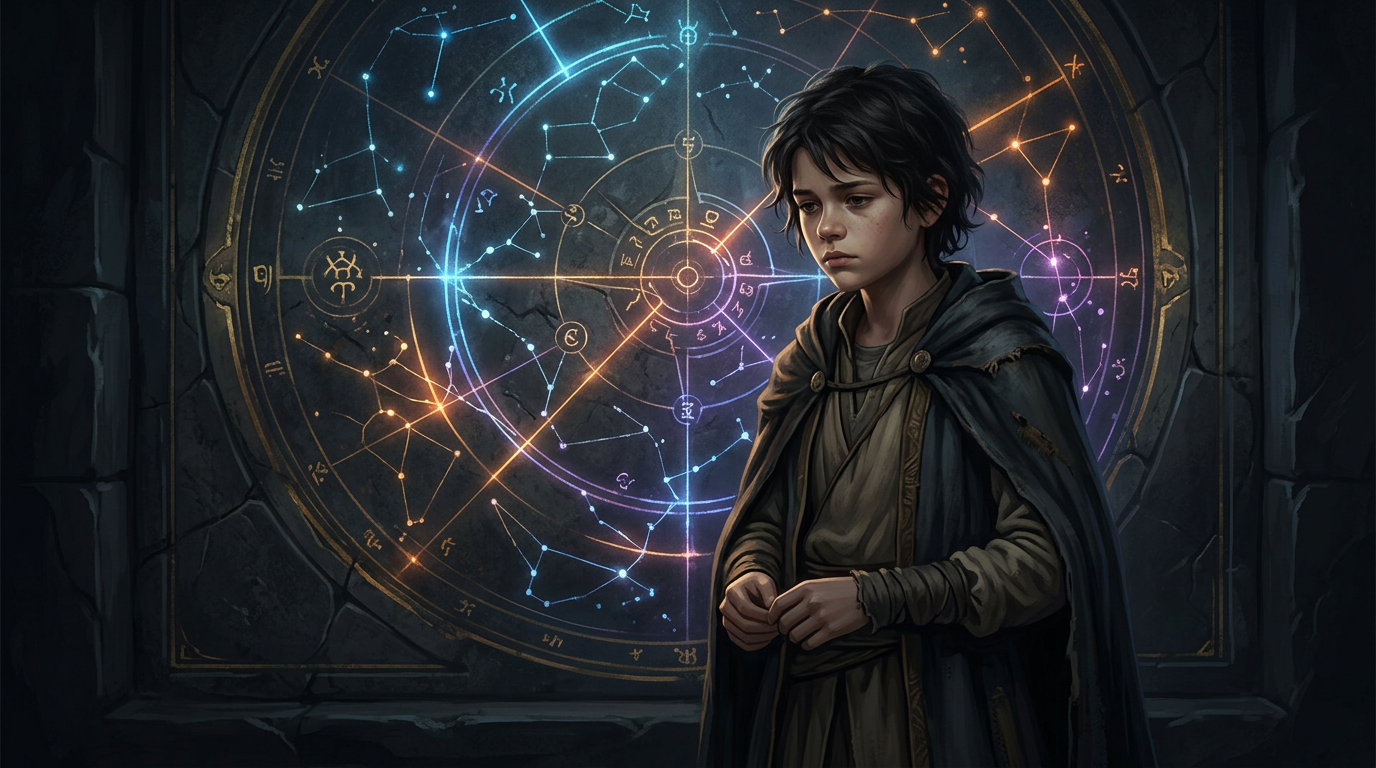
There is a chilling, magnetic quality to a character who possesses the face of a child but the eyes of someone who watched the mountains form. In sci-fi, fantasy, and psychological suspense, this "Ancient Youth" archetype is one of the most compelling tools a storyteller can employ. It subverts our natural instinct to protect the young, replacing it with an unsettling realization: this character does not need our protection—they might actually be the most dangerous presence in the room.
Capturing this energy requires a delicate vocal tightrope. You are not simply directing an actor to sound like an old person, nor are you letting them fall into standard adolescent speech patterns. Instead, you are looking for the precise vocal texture popularized by actors like Lia McHugh in her portrayal of the thousands-of-years-old illusionist Sprite in Marvel's Eternals, or her hauntingly cold performance as Mia in the psychological thriller The Lodge. By mastering the mechanics of this vocal style, creators can elevate their audio dramas, video game mods, and speculative fiction content to a professional, cinematic level.
The Paradox of the 'Ancient Youth' Archetype
At its core, the Ancient Youth archetype relies on a stark physiological and psychological contrast. Physically, the vocal cords are young, producing a lighter, higher-pitched resonance. Psychologically, however, the character carries the immense weight of centuries of survival, trauma, or forbidden knowledge. When Lia McHugh commands a scene, she doesn't do so by raising her voice or adopting an artificial, gravelly baritone. Instead, she utilizes a quiet, unshakeable intensity that instantly shifts the power dynamic of the room.
In traditional storytelling, teenage characters are often written with high emotional volatility, rapid speech, and a desperate need for validation. While some creators lean into the bright, optimistic cadence of an earnest time-traveler archetype, the ancient youth requires the exact opposite approach—trading enthusiasm for a heavy, deliberate stillness. Unlike comedic scripts designed for an eccentric sidekick where vocal chaos reigns supreme, the Ancient Youth uses silence as a weapon. Every word is measured, every breath is calculated, and every statement carries the implicit assumption that they have already seen how this story ends.
Anatomy of the Lia McHugh Vocal Style
To replicate this haunting vocal presence, you must break down its physical and acoustic components. Whether you are coaching a voice actor in a booth or configuring custom parameters on an advanced platform like Fanfun, three primary vocal pillars define this style.

The Pitch-Weight Disconnect
Standard youthful voices naturally resonate in the head and mask, creating a bright, airy, and energetic sound. To achieve the Ancient Youth effect, the speaker must maintain that lighter, youthful pitch while pulling the physical "weight" of the voice from the chest. This means the vocal cords are relaxed, but the breath support is deep and grounded. The result is a voice that is physically high in pitch but acoustically "dark" and steady, devoid of the nervous, fluttering energy typical of actual teenagers.
The Power of the Unhurried Cadence
One of the easiest ways to spot a character who has lived for centuries is how they handle time. They do not rush their sentences. In McHugh's performances, there is an absolute refusal to be interrupted. The cadence is slow, flat, and metronomic. By maintaining a highly consistent tempo, the character signals absolute status. They do not need to speak quickly to keep your attention; they know you have no choice but to listen.
Micro-pauses and Breath Control
In suspenseful and supernatural scenes, what is not said carries the most weight. The Ancient Youth style utilizes micro-pauses—holding for a beat longer than expected before delivering a critical word or answer. Additionally, sharp, controlled intakes of breath can be used to build immense tension. It suggests that the character is constantly processing information on a scale that ordinary humans cannot comprehend, deciding exactly how much truth the mortal before them can handle.
The Scripting Framework: Youthful Tone vs. Ancient Vocabulary
You cannot write standard teenage dialogue and expect a voice actor or an AI voice generator to magically make it sound ancient. The script itself must do the heavy lifting. The golden rule is to strip away all contemporary slang, conversational filler words ("like," "just," "actually," "um"), and rapid-fire contractions. Instead, use slightly formal, deliberate sentence structures that feel timeless.

Another critical element is the "Subtext First" rule. An ancient youth should always speak with the confidence of someone who knows significantly more than their scene partners. They do not ask questions out of curiosity; they ask them to see if the other person is brave enough to tell the truth.
To help you master this balance, use the following comparison framework when drafting your scripts:
| Scenario | Standard Teen Dialogue (High Energy) | Ancient Youth Dialogue (Lia McHugh Style) |
|---|---|---|
| Warning someone of an incoming danger | "Oh my god, guys, we seriously need to get out of here right now! Something is coming!" | "You should leave. The earth here remembers what happened last time, and it is waking up." |
| Explaining a historical event or ruin | "Wow, this place is so old. I think some crazy war happened here like hundreds of years ago." | "I watched them build these walls. They thought stone would save them from what they feared. It didn't." |
| Reacting to a direct threat or weapon | "Put that down! Are you crazy? You don't know what that thing can do!" | "That blade was forged to kill gods. Do you truly believe it will work on me?" |
Directing AI Voices and Voice Actors for High-Stakes Suspense
When you are in the director's chair—or working with advanced AI tools—achieving this hyper-specific vocal texture requires deliberate calibration. If you are used to directing the high-impact, cynical swagger of a punk-rock anti-hero, shifting to the quiet, calculated restraint of the ancient youth will require a complete recalibration of your pacing.
When working with live talent, instruct them to speak "on the breath" rather than pushing from the throat. Tell them to imagine they are sharing a massive, dangerous secret with someone who is only inches away, even if they are speaking across a room.
If you are utilizing an AI voice generator to scale your content, the workflow is slightly different but highly efficient. Modern tools like Fanfun allow you to bypass the traditional, time-consuming loop of booking talent, renting studio space, and waiting days for retakes. To dial in the Lia McHugh style using Fanfun's AI voice generation tools, follow this optimization checklist:
- Strip the Peppiness: Most default AI voice models are trained on commercial or educational voiceovers, which naturally carry an upbeat, friendly lilt. Choose a neutral or slightly melancholic base voice model.
- Lower the Speech Rate: Manually dial back the pacing slider by 10% to 15%. This instantly gives the AI voice that unhurried, ancient confidence.
- Introduce Strategic Punctuation: AI models interpret punctuation as physical cues. Use ellipses (...) and em-dashes (—) to force the generator to insert those haunting, suspense-building micro-pauses.
- Adjust the Pitch Contour: Keep the overall pitch in a youthful register, but flatten the emotional variance. A flatter vocal curve prevents the AI from sounding overly expressive, capturing that signature eerie calm.
Practical Use Cases: Where to Deploy the Ancient Youth Energy
Once you have mastered the scriptwriting and directing techniques for this archetype, you can deploy it across various digital media formats to captivate your audience. Because this voice is so distinct, it immediately cuts through the noise of standard social media feeds.
Sci-Fi & Fantasy Worldbuilding
If you are a creator building a speculative fiction universe on TikTok, YouTube, or Instagram Reels, use this voice as your narrator. A youthful voice detailing the fall of ancient civilizations or the mechanics of cosmic anomalies creates an instant hook. The cognitive dissonance of the delivery forces viewers to stop scrolling and pay attention.
Psychological Horror & Suspense Podcasts
For audio dramas and horror podcasts, the Ancient Youth voice is the ultimate tool for building atmospheric dread. Use this character as an enigmatic guide, a creepy sibling, or a local townsperson who knows far too much about the woods. The lack of emotional panic in their voice when describing terrifying events makes the horror feel inevitable and deeply unsettling.
Interactive Fan Experiences
Fandom thrives on deep, personal connections with complex characters. By leveraging Fanfun’s interactive AI chat and voice tools, creators can build fully functional, interactive personas based on this archetype. Fans don't just want to watch a video; they want to converse with an ancient, wise entity, asking questions about lore, receiving cryptic fortunes, or getting custom roasts and birthday wishes delivered with that signature, chillingly calm Lia McHugh-style delivery. Whether you are generating highly personalized video messages or building an immersive character library, mastering this vocal paradox allows you to create unforgettable experiences that keep your community coming back for more.
How do you make a young voice sound ancient or wise in a script?
To make a young voice sound ancient, focus on formal sentence structures, remove contemporary slang and conversational filler words (like "like" or "just"), and write lines where the character possesses obvious subtextual knowledge. The character should speak with absolute certainty and avoid rushing their delivery.
What are the best vocal techniques for acting in psychological horror?
Key techniques include controlled breath work, unhurried pacing, micro-pauses before delivering impactful words, and keeping the vocal resonance flat and calm even when describing terrifying events. This lack of emotional panic heightens the suspense.
How can content creators use AI voice generators to create complex character archetypes?
Creators can use advanced platforms like Fanfun to customize base models by slowing down speech rates, flattening pitch contours to remove artificial peppiness, and using punctuation like ellipses to force dramatic pauses that mimic human acting choices.
What is the 'Sprite' character archetype in sci-fi and fantasy writing?
The "Sprite" archetype, popularized by characters like Sprite in Marvel's Eternals, represents an immortal or ancient soul trapped forever in a youthful body. It explores themes of existential weariness, isolation, and the frustration of never being taken seriously by mortals despite possessing immense wisdom and power.