The Earnest Time-Traveler: Scripting and Directing Raviv Ullman-Style Vocal Energy for Nostalgic Content
Nostalgia isn't just visual; it's acoustic. Learn how to deconstruct, script, and direct the high-energy, charmingly neurotic 'fish-out-of-water' vocal delivery that defined a generation of early-2000s youth media.
Nostalgia is often discussed as a visual palette—saturated primary colors, low-resolution camcorder lines, and early-2000s streetwear. Yet, some of the most potent nostalgic triggers are entirely acoustic. The cadence of early-2000s youth television possessed a distinct rhythmic DNA: an breathless blend of high-tempo optimism, micro-panics, and earnest sincerity that made even the most absurd sci-fi premises feel deeply grounded and relatable.
At the center of this sonic era was the "earnest time-traveler" archetype, famously embodied by Raviv Ullman in the Disney Channel cult classic Phil of the Future. This character type didn't rely on cool detachment or ironic smirks to win over the audience. Instead, they won us over through sheer, fast-talking vulnerability. For modern content creators, voice actors, and digital directors, mastering this specific vocal energy is a powerful way to cut through the monotone noise of modern social feeds and tap into a deep well of millennial and Gen Z nostalgia.
The Anatomy of 2000s Nostalgia: Why the Raviv Ullman Archetype Matters Today
To understand why this vocal style works, we must look at the cultural landscape of the early 2000s. Youth media was undergoing a massive shift away from the cynical, disaffected slacker tropes of the 1990s. In their place arose protagonists who were unironically enthusiastic, deeply well-meaning, and frequently overwhelmed by unusual circumstances—whether that meant living in the wrong century, possessing psychic powers, or navigating high school with an alien best friend.
The "fish-out-of-water" trope relies entirely on vocal performance to sell the absurdity of a situation without alienating the audience. When a character explains a futuristic gadget or a bizarre social misunderstanding, their voice must balance panic with charm. If they sound too scared, the show becomes a thriller; if they sound too calm, the stakes vanish. The earnest protagonist walks this tightrope by using a rapid, conversational clip that signals high intelligence but low social control.
Today's internet landscape is saturated with detached irony and hyper-polished, synthetic voiceovers. Audiences are increasingly fatigued by clinical, robotic narrators. Recreating the high-energy, sincere delivery of the early 2000s acts as an emotional pattern interrupt. It feels human, slightly chaotic, and comforting all at once, making it an exceptional tool for creators looking to build immediate rapport with their viewers.
Deconstructing the Voice: Pace, Pitch, and the 'Charming Neurotic' Cadence
Executing this performance style requires breaking down its technical vocal mechanics. It is not simply about speaking quickly; it is about how the speaker manages their breath, shifts their pitch, and structures their pauses to convey a state of perpetual, charming bewilderment.
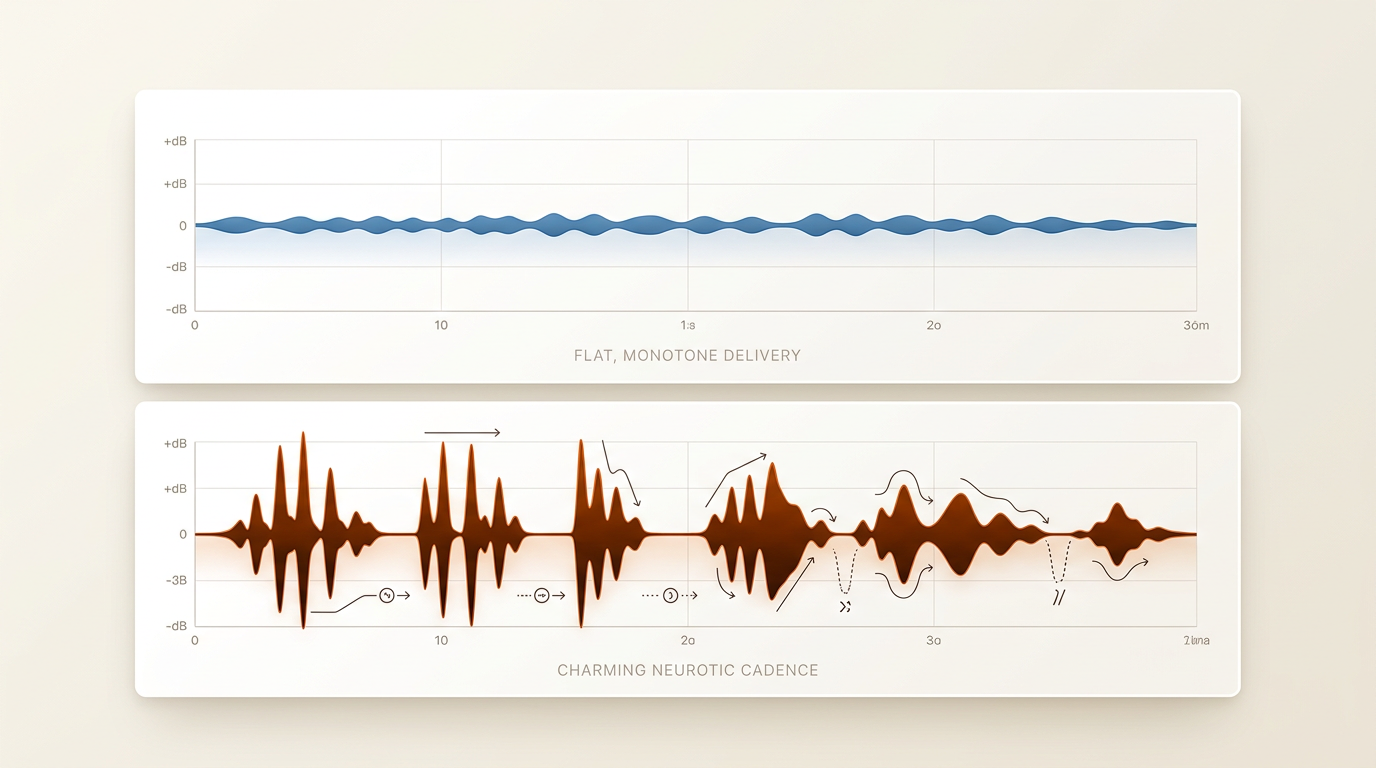
- The Rapid-Fire Delivery: The baseline tempo of this archetype sits comfortably between 150 to 170 words per minute. The speed is driven by a desire to explain away a problem before anyone notices. It should sound as if the character's brain is running two steps ahead of their mouth, leading to words occasionally running together.
- The Bright, Optimistic Pitch Shift: Unlike modern deadpan delivery, this style utilizes a wide pitch range. Sentences frequently end on a slight upward inflection—not quite a question, but an invitation for validation. This "up-talk" variant conveys curiosity and a desire to please, rather than smug authority.
- The Self-Correcting Pause: The magic of the charming neurotic lies in the stumble. It is the mid-sentence pivot where the speaker realizes they have said too much, pausing briefly to recalibrate. These are not empty silences; they are active, breathy transitions filled with quick inhalations or vocalized hesitations like "uh" or "well."
Micro-Expressions in Vocal Performance
The secret weapon of this vocal profile is the "smile-speak." If you listen closely to Ullman's delivery, you can hear the physical shape of his mouth changing mid-sentence. Even when his character is explaining a temporal paradox or a disastrous school project, there is an underlying warmth. This is achieved by physically smiling while speaking, which naturally raises the formant frequencies of the voice, making the overall tone sound brighter, friendlier, and inherently trustworthy.
The Scriptwriting Framework: Translating the Cadence to the Page
You cannot achieve an earnest, high-energy performance with a flatly written script. The syntax itself must force the speaker (or the voice generator) into the correct rhythm. This means writing in fragments, utilizing run-on sentences, and incorporating "in-stride explanation" dialogue—where a character explains something highly complex while actively distracted by an immediate problem.
To write authentic dialogue for this archetype, avoid formal grammar. Use contractions liberally and introduce mild early-2000s colloquialisms ("totally," "no worries," "hang on") without leaning so heavily into slang that it becomes a caricature. The goal is to capture the era's earnest vibe, not to write an encyclopedic list of dead slang.
The table below contrasts generic scriptwriting with the dynamic, punctuation-heavy styling required to evoke the earnest protagonist archetype:
| Generic Scripting | Earnest Protagonist Scripting |
|---|---|
| "I have a time machine in my garage, but it is currently broken. I need to find a way to fix it before my parents find out." | "Okay, so... hypothetically? There’s a highly advanced, slightly illegal temporal transporter sitting behind the lawnmower. And—minor detail—it’s smoking. Just a little! But we need to fix it, like, yesterday. Literally." |
| "Please do not touch that device. It is highly dangerous and could cause a serious accident if handled incorrectly." | "Whoa, whoa, whoa! Step away from the glowing blue cylinder. Seriously, don't touch it. Unless you want your eyebrows singed off, which... trust me, is not a good look for yearbook photos." |
| "I am having a very difficult day trying to balance my schoolwork and my secret life." | "Between AP chemistry, track practice, and keeping my literal alien companion from eating the science lab's frogs... yeah, I'd say my schedule is a little packed." |
Directing AI Voice Generators for Retro-Futuristic Charm
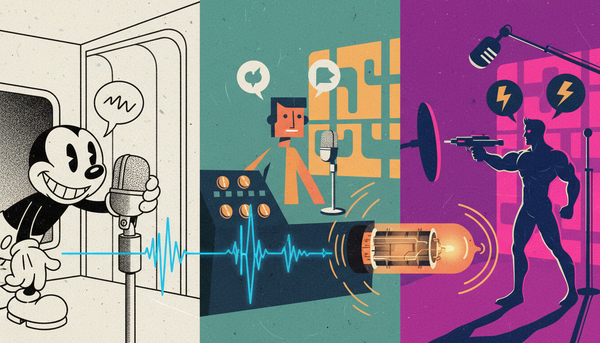
Executing this specific style using modern digital tools requires moving beyond simple soundboards. Historically, creators were limited to static audio clips. Today, creators are transitioning from static soundboards to advanced AI celebrity voice generators that allow for dynamic, narrative-driven content. This evolution opens up massive opportunities for parodies, personalized birthday messages, and highly engaging social media campaigns.
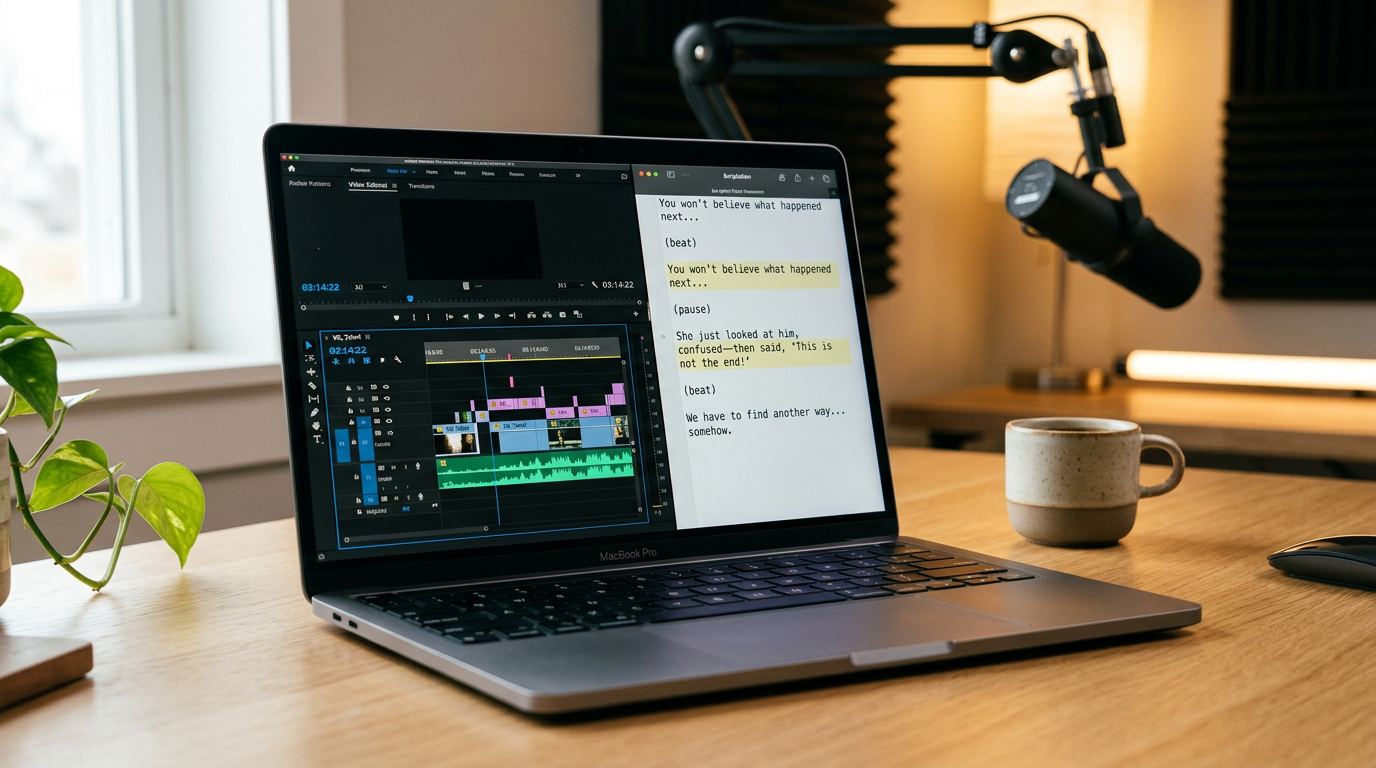
At Fanfun, we focus on helping creators harness these complex emotional ranges. To make an AI voice generator capture the frantic, bright energy of the earnest time-traveler, you must feed the engine highly descriptive punctuation. Standard text-to-speech engines read smooth sentences with predictable pauses. To break this habit, use the following formatting rules in your text prompts:
- Em-dashes (—) for abrupt pivots: Use em-dashes to simulate a sudden shift in thought. For example: "We just need to—wait, did you hear that?" This forces the AI to cut off the previous word quickly, mimicking natural human distraction.
- Ellipses (...) for breathy pauses: Instead of a hard period, use ellipses to signal a trailing, slightly anxious thought. This encourages the generator to lower its volume slightly and add a touch of vulnerability to the end of the phrase.
- Exclamation points paired with lowercase starts: To keep the energy high without making the voice sound angry, follow an exclamation point with a lowercase word: "Oh my gosh! we actually made it." This maintains the bright, excited pitch throughout the transition.
Using Fanfun's character suite, creators can experiment with these micro-formatting techniques to produce voiceovers that sound remarkably human, capturing the precise nostalgic cadence needed to make a meme viral or a custom gift feel genuinely personal.
Contrast and Complement: When to Deploy the Earnest Protagonist vs. Other Archetypes
In any narrative or promotional campaign, vocal variety is crucial. The bright, rapid-fire energy of the earnest protagonist is highly effective, but its power doubles when contrasted against opposing vocal archetypes. Understanding where this voice fits in your creative ecosystem is key to maintaining audience engagement.
For instance, if your script features a high-tempo, anxious protagonist, pairing them with the highly contrasting, slow-burning delivery of the smug elite archetype creates instant comedic friction. The slow, calculated drawl of an elite antagonist makes the protagonist's frantic explanations sound even funnier and more relatable. Conversely, if your project calls for a shift into raw emotion, you might pivot away from comedic anxiety altogether, opting instead for the deeply emotional, melancholic vocal energy found in dramatic and musical content.
Before launching your next audio project, use this quick checklist to determine if the earnest protagonist voice is the right fit for your content:
- Is the goal of your video to explain a complex or absurd concept quickly? (If yes, the high-tempo, explanatory nature of this archetype is perfect.)
- Are you targeting an audience that grew up on early-2000s Disney Channel or Nickelodeon sitcoms? (If yes, this vocal cadence will trigger immediate nostalgic warmth.)
- Does your script require a relatable "everyman" to balance out a highly eccentric co-star? (If yes, this voice provides the perfect grounded-yet-expressive anchor.)
By treating vocal delivery as a deliberate design choice, you can transform generic audio into a powerful storytelling tool. Whether you are scripting a nostalgic parody, directing an AI voice actor on Fanfun, or performing the lines yourself, tapping into the earnest, fast-talking energy of the early 2000s is a surefire way to capture both the ears and the hearts of your audience.
What is Raviv Ullman's most famous acting role?
Raviv Ullman is best known for playing the title character, Phil Diffy, in the Disney Channel sci-fi sitcom Phil of the Future, which aired from 2004 to 2006. The role established him as a premier example of the earnest, charmingly neurotic teen protagonist archetype.
How do you write a script for a fish-out-of-water character?
To write an effective fish-out-of-water script, focus on 'in-stride explanation' dialogue. Have the character explain complex or unusual situations using highly casual, frantic language, incorporating self-correcting pauses, run-on sentences, and expressive punctuation like dashes and ellipses to convey a sense of being slightly overwhelmed.
Why does early 2000s Disney Channel dialogue sound so distinct?
Dialogue from this era is distinct because it rejected 90s cynicism in favor of high-energy, sincere optimism. Characters spoke at a rapid tempo (150-170 words per minute), utilized a wide pitch range with frequent upward inflections, and balanced absurd situations with highly relatable, grounded teenage anxieties.
Can AI voice generators capture the specific emotional acting of 2000s sitcoms?
Yes. By moving beyond basic soundboards to advanced platforms like Fanfun, and utilizing strategic punctuation (such as em-dashes for sudden pauses and exclamation points for bright pitch shifts), creators can direct AI voice engines to replicate the dynamic tempo and emotional nuances of classic sitcom archetypes.