The Character Director: How to Script an AI Character Message That Feels Genuinely Alive
Most personalized messages feel like lazy, automated Mad-Libs. Learn how to step into the director's chair and script high-energy, lore-accurate AI character messages that feel genuinely alive.
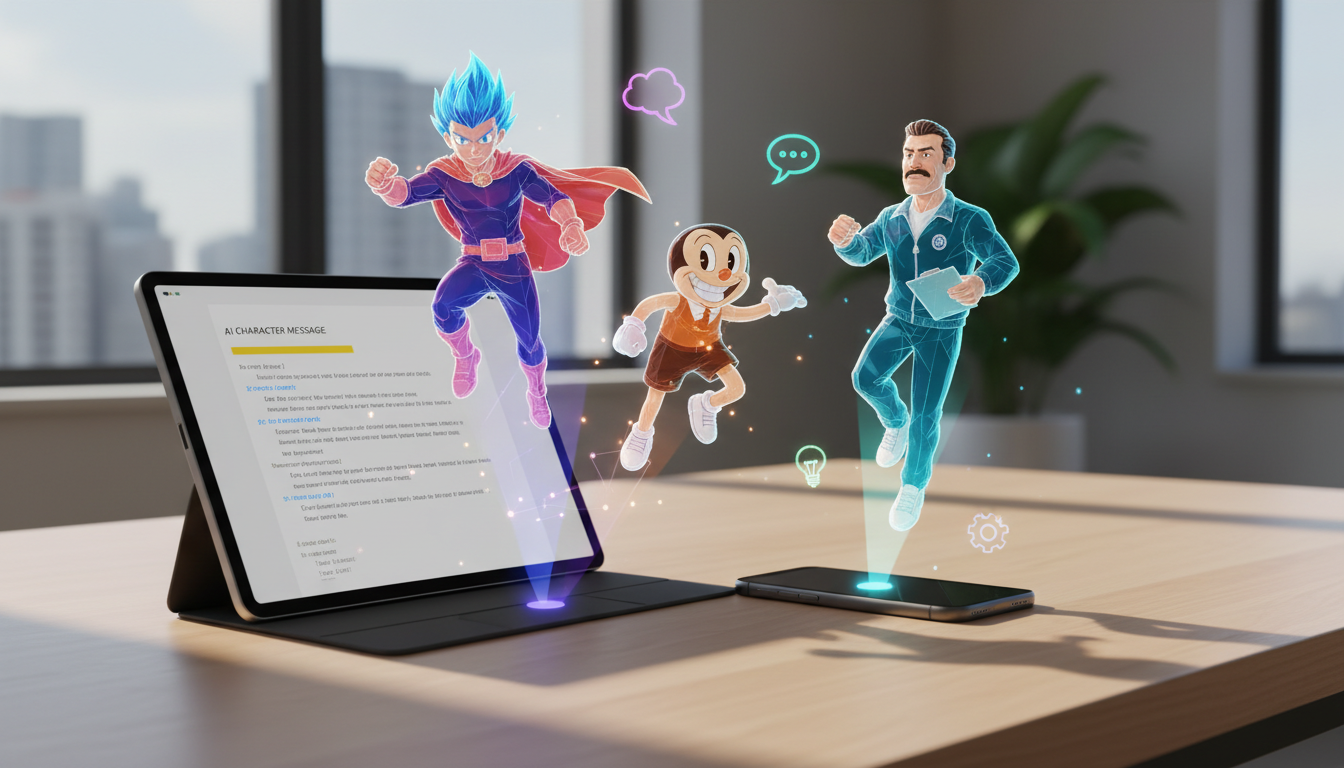
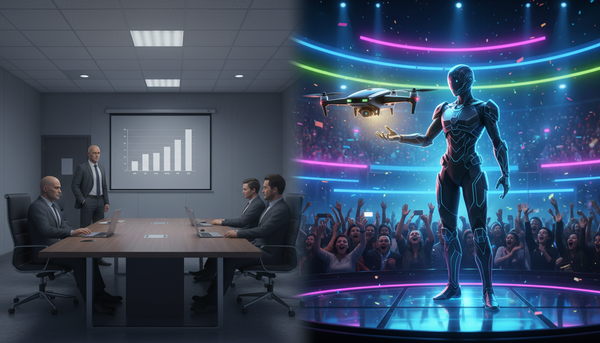
Most personalized celebrity shoutouts suffer from the "hostage video" effect. A tired actor reads a generic script off-screen, mispronounces the recipient's name, and delivers a flat, uninspired greeting that feels more like a chore than a gift. When you rely on traditional booking platforms, you are entirely bound by the celebrity's busy schedule, high price tag, and lack of creative flexibility.
Creating a truly memorable message requires shifting your role from a passive buyer to an active creator. By stepping into the shoes of a character director, you can use advanced AI voice and video generation to build hyper-personalized, lore-accurate messages that feel genuinely alive. Here is how to master the scripting, pacing, and comedic timing needed to make an AI character message truly resonate.
The Anatomy of a High-Impact AI Character Message
To understand why most digital greetings fall flat, look at how they are built. Traditional shoutouts are transactional: you pay a premium fee, fill out a form with three basic bullet points, and hope the celebrity brings some energy. The result is usually a disconnected, formulaic message. AI-driven messages flip this dynamic. They grant you absolute creative control, allowing you to iterate on drafts, test different jokes, and fine-tune the delivery until it is perfect.
When mastering the art of the AI character shoutout, success rests on three foundational pillars:
- Lore Accuracy: The character must sound like themselves. If an ancient anime warrior starts talking like a corporate HR representative, the illusion breaks instantly. They must use their signature vocabulary, reference their own universe, and react to real-world situations through the lens of their fictional life.
- Hyper-Specific Personalization: Go beyond names and ages. Mention the recipient’s specific habits, a niche inside joke, or a funny failure that only close friends know about.
- Narrative Pacing: A great message has a distinct beginning, middle, and end. It should build tension and deliver a satisfying punchline, rather than rambling aimlessly.
The Contrast: Generic vs. Directed Messages
To see the difference a director's touch makes, compare these two approaches to the same birthday message:
| Element | The Lazy "Mad-Libs" Approach | The Directed AI Masterpiece |
|---|---|---|
| The Hook | "Hey Sarah, happy 30th birthday from your favorite space commander." | "Attention on deck! Sarah, I've reviewed your flight logs, and turning 30 means you're officially cleared for deep-space exploration." |
| The Personalization | "Your brother told me you like coffee and video games." | "My sensors indicate your caffeine intake has exceeded safety protocols, mostly due to those 3 AM gaming sessions. Sleep is not a sign of weakness, soldier." |
| The Payoff | "Have a great day and keep being awesome." | "Now, get back out there and conquer your next decade. Commander out!" |
Scripting for Fictional Icons vs. Real Celebrities
Scripting a character requires a deep understanding of their linguistic archetype. A fictional anime hero does not speak with the same cadence as a retired professional athlete. To write a script that feels authentic, you must first categorize your subject and write specifically to their vocal and narrative strengths.
When dealing with fictional icons, you have the creative license to lean heavily into world-building. If you are designing a fictional character birthday video, the character should treat the recipient as a fellow adventurer, a rival, or a trusted sidekick. Use their signature catchphrases and vocal tics—like a cartoon character's laugh or an anime protagonist's dramatic declarations of determination—but do so sparingly. Overusing a catchphrase makes the script look like a caricature; using it at the emotional peak of the message makes it unforgettable.
For real-world celebrities, athletes, or cultural figures, the focus shifts to rhythm, cadence, and public persona tropes. Think about how a high-energy sports coach delivers a locker-room speech. They use short, punchy sentences, sudden shifts in volume, and specific sports analogies. Your script should mimic these patterns, capturing the casual slang and conversational filler that make their speech feel spontaneous.
The Character Voice Checklist
Before you hit generate, run your script through this quick checklist to ensure the voice matches the persona:
- Does the script use vocabulary appropriate for the character's background or era?
- Are the sentence lengths matched to their typical speaking speed (e.g., rapid-fire vs. slow and calculated)?
- Have you included their signature conversational filler (e.g., "man," "listen," "shucks," "dattebayo")?
- Is the character reacting to the real-world news as if they are observing it from their own universe?

The 'Inside Joke' Framework: Matching Tone to the Occasion
The most common mistake in scripting an AI message is mismatching the character’s archetype with the occasion. A hyperactive cartoon character is perfect for a whimsical birthday, but terrible for a motivational pep talk. To help you match the right voice to the right moment, we use a simple framework that pairs occasions with ideal character archetypes.
| Occasion | Ideal Archetype | Scripting Strategy |
|---|---|---|
| Milestone Birthday | The Wise Mentor / Fictional Hero | Frame the new age as a level-up or a new quest. Focus on growth and legendary status. |
| Playful Roast | The Sarcastic Sidekick / Deadpan Icon | Focus on minor, funny flaws (like bad driving or gaming skills). Keep the tone light but sharp. |
| Career Achievement | The Intense Coach / Hype Man | Use high-energy, motivational language. Treat the promotion like winning a championship game. |
Once you have selected your character and matched the occasion, structure your script using the Hook, Turn, and Payoff model. This ensures the message maintains momentum from start to finish:
- The Hook (Seconds 0-15): Grab attention immediately. Do not start with "Hey, I was asked to make this video." Instead, have the character address them in-universe. For example: "Listen up, recruit. Word on the street is you've been slacking on your training."
- The Turn (Seconds 15-45): Introduce the personalization and the "inside joke." This is where you connect the fictional world to the recipient's real life. When scripting a genuinely funny AI roast message, this is the perfect moment to call out their questionable gaming skills or their habit of being late to every social gathering.
- The Payoff (Seconds 45-60): Deliver the final punchline, warm wish, or rallying cry. End with a memorable, high-energy signature line that leaves the recipient laughing or inspired.
Directing the AI Voice: Pacing, Emotion, and Pronunciation
Even the most brilliant script can fall flat if the voice generator reads it like a robot. Modern AI voice synthesis is incredibly sophisticated, but it requires active direction to understand subtext, sarcasm, and dramatic timing. When you are directing character-driven AI voiceovers, you must use specific formatting techniques to guide the voice engine.
Punctuation is your primary tool for controlling pacing and emotion. Standard grammar rules do not apply here; you are writing for the ear, not the eye. Use ellipses (...) to force a dramatic pause, dashes (—) to show a sudden shift in thought, and capitalization to indicate excitement or volume. For instance, writing "Wait... what did you just say?" creates a completely different vocal delivery than "Wait, what did you just say?"
Pronunciation workarounds are also crucial. AI voice engines are trained on standard dictionaries, meaning they often struggle with unique names, slang, or hyper-local inside jokes. If the AI mispronounces a name, write it out phonetically. For example, instead of writing "Xavier," you might write "Zay-vee-er." Test different phonetic spellings until the playback sounds entirely natural.

Why Fanfun is Redefining the Character Message Experience
Traditional personalized video services are limited by the physical constraints of real-world talent. You are forced to pay hundreds of dollars for a 30-second clip, wait days or weeks for delivery, and accept whatever performance the celebrity decides to give. Fanfun completely redefines this experience by putting creative control back into your hands.
With Fanfun, there is no waiting. You can generate custom video messages, high-quality voiceovers, and interactive chats instantly. This allows you to iterate on your scripts, tweak the pacing, and perfect the delivery in real-time. Whether you are a content creator looking to add character-driven depth to your videos, or a fan wanting to create the ultimate personalized birthday gift, Fanfun provides the tools to make it happen.
Beyond one-way video messages, Fanfun’s growing character library offers something traditional platforms never could: fictional icons and two-way interactive AI Chat. This means you are no longer just consuming content; you are actively engaging with the characters you love, creating bespoke experiences that feel genuinely alive.
How do I make an AI character message sound natural and not robotic?
To make an AI voice sound natural, use non-standard punctuation like ellipses (...) for dramatic pauses, dashes (—) for sudden shifts in tone, and capitalization for emphasis. Avoid long, perfectly structured sentences; write in the short, fragmented way humans actually speak.
Can I create personalized AI messages featuring fictional anime or cartoon characters?
Yes! Fanfun features a diverse character library that includes fictional icons, anime heroes, and cartoon legends. This allows you to create highly creative, in-universe greetings that traditional celebrity booking platforms cannot offer.
What is the best way to write a script for an AI birthday video?
Use the Hook, Turn, and Payoff framework. Start with an in-universe hook that addresses the recipient directly, transition to hyper-specific details about their life or inside jokes, and end with a high-energy signature sign-off from the character.
How does an AI voice generator handle unique names or inside jokes?
If an AI voice generator struggles with a unique name or slang term, write it out phonetically in your script. For example, spell "Siobhan" as "Shi-vawn" to force the voice engine to pronounce it correctly.