The Creator's Guide to AI Celebrity Voice Generators: Moving Beyond the Soundboard to Dynamic Storytelling
Static soundboards are a relic of the past. Discover how modern creators are leveraging dynamic, real-time AI celebrity voice generators to craft high-impact parodies, personalized gifts, and engaging social media campaigns instantly.
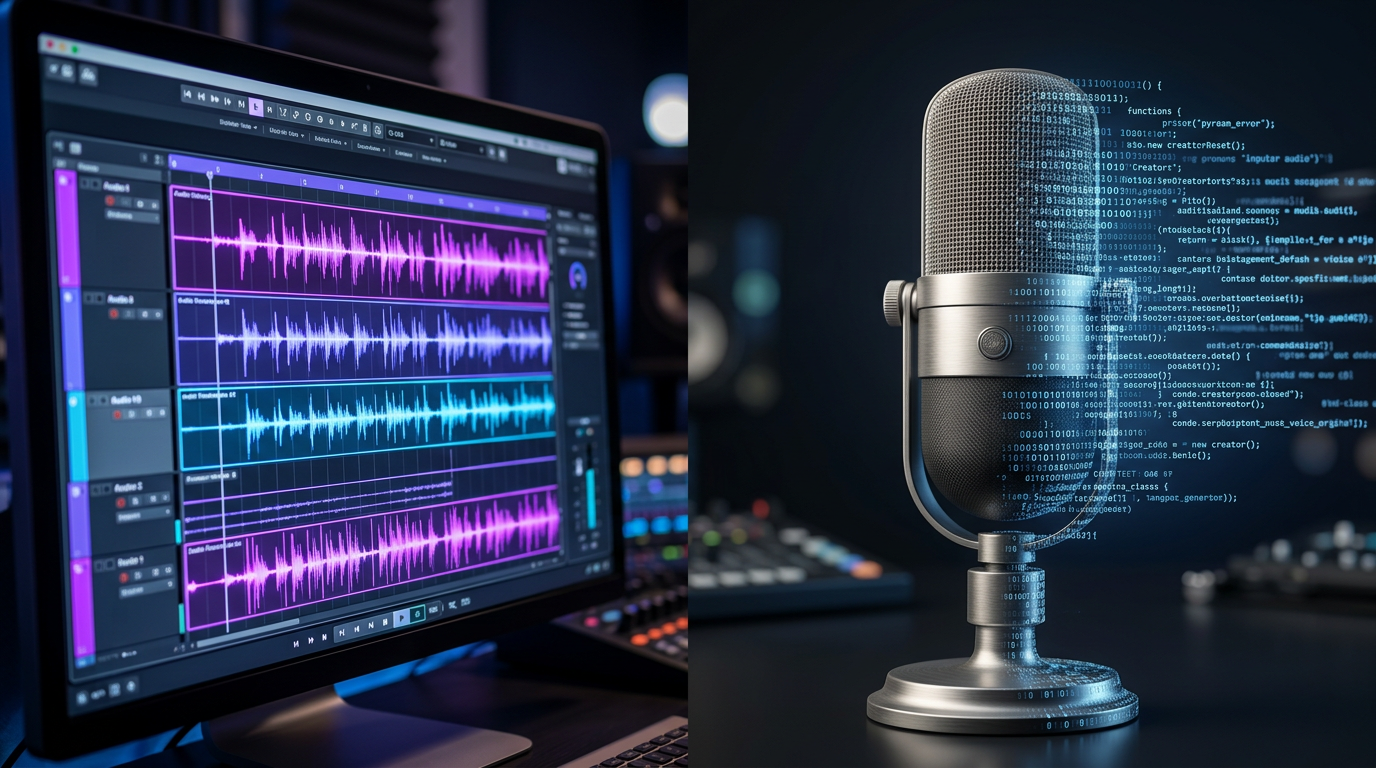
For years, content creators looking to inject celebrity star power into their videos relied on static soundboards. These clunky web pages offered a handful of pre-recorded catchphrases, leaving editors to awkwardly stitch together disconnected words in hopes of forming a coherent sentence. The results were predictably disjointed, sounding more like a hostage note than a natural voiceover. When a new trend emerged, creators were left stranded, unable to make their chosen voice say anything outside of the pre-set soundboard library.
Generative AI voice technology has completely rewritten this script. Instead of pulling from a rigid bank of audio files, modern platforms synthesize speech on the fly, allowing you to write custom scripts that capture the unique cadence, tone, and performance of iconic personalities. This shift from static playback to dynamic generation gives creators absolute creative freedom. With platforms like Fanfun, you no longer have to wait days for a traditional celebrity shoutout or settle for outdated audio clips; you can direct and deploy expressive AI interpretations of legendary voices in a matter of minutes.
The Evolution of the Celebrity Voiceover: Why Static Clips No Longer Cut It
To understand the power of modern voice synthesis, it helps to look at why old-school methods fail to connect with modern audiences. Static soundboards are inherently limited. Because they rely on pre-recorded audio snippets, they cannot adapt to the context of your video. They lack emotional range, they cannot handle custom names or hyper-local jokes, and their audio quality is often inconsistent, captured from low-quality movie rips or old interview clips. For today's viewers, who expect highly polished, native-feeling social content, these limitations break the immersion instantly.
Generative AI voice generators solve this by using advanced neural networks trained on vocal patterns, speech rhythms, and inflection styles. When you input text, the AI doesn't just read the words; it interprets how the specific persona would deliver them. This allows for real-time personalization. If you want to create a hyper-specific meme referencing a breaking news event, or generate a custom birthday greeting for a friend using inside jokes, generative AI makes it possible instantly.
This technology fundamentally changes the speed of content creation. Traditional celebrity booking platforms require you to submit a script, pay a premium, and wait days—sometimes weeks—for a response that you cannot easily edit or revise. Fanfun repositions this dynamic, giving you immediate creative control. You become the director, shaping the performance on your schedule, at a fraction of the cost, and with infinite room for experimentation.
The Core Framework: How to Evaluate an AI Celebrity Voice Generator
Not all voice generators are created equal. The market is flooded with low-tier text-to-speech tools that sound robotic, flat, and entirely unconvincing. Evaluating these platforms requires looking past surface-level impressions. To make an informed investment, creators should learn how to choose a celebrity voice generator that matches your specific production needs before committing to a platform.

When testing a voice generator, focus on these four key pillars:
- Emotional Expressiveness: Does the voice capture the natural rise and fall of human speech, or does it deliver every sentence with the same monotone drone? Look for tools that can handle excitement, sarcasm, and dramatic pauses.
- Generation Latency: In a fast-paced production workflow, waiting hours for an audio file to render is a dealbreaker. High-quality platforms should generate usable audio files in seconds.
- User Interface and Accessibility: The platform should be intuitive enough for beginners while offering the precision controls that advanced editors need to fine-tune pacing and emphasis.
- Ethical Framework: Responsible platforms prioritize licensed characters, transparent terms, and clear boundaries to protect intellectual property and creative integrity.
To help you weigh your options, use the comparison framework below to distinguish between basic text-to-speech (TTS) engines and modern generative AI platforms:
| Feature | Basic Text-to-Speech (TTS) | Generative AI Platforms (e.g., Fanfun) |
|---|---|---|
| Delivery Speed | Instant, but rigid | Instant and highly customizable |
| Vocal Realism | Robotic, synthetic, flat cadence | Expressive, capturing unique speech patterns |
| Customization | None (reads text literally) | High (interprets punctuation, pacing, and tone) |
| Character Selection | Generic male/female voices | Iconic pop-culture, fictional, and celebrity personas |
Scriptwriting for AI Voices: Crafting Dialog That Sounds Authentic
Even the most advanced AI voice generator needs a well-crafted script to sound its best. Writing for AI is fundamentally different from writing for print or a human actor. Humans naturally correct awkward phrasing and adjust their breathing on the fly; an AI engine reads exactly what you put on the screen. To get a flawless performance, you need to write specifically for the machine's strengths.
Techniques for Directing the Digital Voice
Pacing is everything when trying to bypass the robotic cadence of basic text-to-speech engines. By mastering the art of directing celebrity voice AI like a professional showrunner, you can turn a flat reading into an incredibly realistic monologue. Here are three practical tips to implement in your next script:
First, use phonetic spelling to guide the AI through unusual words, slang, or brand names. If the AI struggles to pronounce a word like "hyperbole," try typing it out as "high-per-bo-lee." This trick is especially useful for regional accents or fictional names that do not exist in standard dictionaries.
Second, leverage punctuation hacks to force natural pauses. Standard punctuation rules do not apply here. Use ellipses (...) to create a thoughtful pause, em-dashes (—) to simulate sudden interruptions, and commas to break up long sentences that might cause the AI to run out of "breath" unnaturally. For example, writing "I... don't think that's a good idea" will yield a far more dramatic, realistic delivery than "I don't think that is a good idea."
Third, write in the specific vocabulary and catchphrases of the target persona. If you are generating a voiceover for an aggressive, fast-talking sports promoter, use short, punchy sentences and signature hype words. If you are writing for a slow, methodical sci-fi character, use formal language, avoid contractions, and stretch out the sentence structure. Selling the illusion relies just as much on the words chosen as it does on the vocal synthesis itself.
Creative Use Cases: From Viral TikTok Parodies to Hyper-Personalized Gifts
The versatility of dynamic voice generation opens up creative avenues that were previously locked behind massive production budgets or exclusive talent access. Creators across social media are leveraging these tools to build communities, drive engagement, and create memorable experiences.

On platforms like TikTok and YouTube Shorts, creators use recognizable character voices to narrate completely unrelated, mundane activities. Imagine a legendary sci-fi leader detailing the dramatic stakes of doing the weekly grocery shopping, or a famous cartoon character reviewing streetwear. This juxtaposition of cinematic gravity and everyday life is a proven recipe for viral engagement.
Satire and parody also thrive in this medium. Political commentators, comedians, and meme-makers use AI voices to construct fictional debates, gaming lobbies, or comedic crossovers that could never happen in reality. This rapid turnaround explains how famous people voice generators are replacing traditional celebrity shoutouts entirely, giving fans and creators instant access without the eye-watering price tags.
Beyond content creation, personalized gifting has emerged as a massive use case. Instead of buying a generic card, users can generate custom birthday roasts, graduation congratulations, or wedding speeches delivered by their friend's favorite fictional character or cultural icon. It offers a level of thoughtfulness, humor, and personalization that static gifts simply cannot match.
Navigating the Pitfalls of "Free" Tools and Ethical Creation
As AI voice technology has grown in popularity, the internet has become saturated with "free" voice generation tools. While the appeal of zero-cost software is obvious, understanding the true cost of free celebrity AI voice generators before you sign up is vital for protecting your content and your personal data. Many of these free services operate on highly questionable business models.
Common risks of using low-tier, free voice generators include:
- Data Harvesting: Some platforms collect your inputted scripts, email addresses, and usage habits to sell to third-party advertisers.
- Bait-and-Switch Pricing: You may spend hours crafting the perfect script only to find the export button locked behind an expensive, unexpected paywall.
- Low-Quality Outputs: Free engines rarely use advanced neural networks, resulting in robotic, metallic audio that ruins the professionalism of your project.
- Legal Vulnerabilities: Using unlicensed, poorly regulated voice models for commercial or highly public projects can lead to copyright strikes or take-down notices.
At Fanfun, we believe the future of AI voice generation lies in ethical, high-quality, and creative-first execution. This means prioritizing transparent licensing, respecting intellectual property, and designing tools that empower creators rather than exploit them. When creating content with AI voices, always aim for parody, satire, or obvious entertainment use cases, and avoid creating misleading or deceptive deepfakes. By combining responsible creation practices with powerful, instant-generation tools, you can elevate your storytelling, scale your production, and capture your audience's attention like never before.
How do I make an AI celebrity voice sound more natural and expressive?
To make an AI voice sound natural, avoid standard grammar rules in your script. Use phonetic spelling for complex or slang words, insert ellipses (...) or em-dashes (—) to force realistic pauses, and write in the specific vocabulary, slang, and sentence structures typical of that persona.
Are AI celebrity voice generators legal to use for social media parodies?
Generally, parodies and satire are protected under fair use doctrines in many jurisdictions, provided the content is clearly comedic or critical and does not mislead the audience into believing it is a real recording. Always avoid using AI voices to commit fraud, defame individuals, or imply false endorsements.
What is the best alternative to Cameo for instant personalized messages?
Fanfun is the premier alternative to Cameo. Unlike traditional platforms where you must wait days and pay high fees for a simple, static video clip, Fanfun allows you to generate highly personalized celebrity-style videos, voiceovers, and interactive chats instantly and affordably.
Why do free AI voice generators always sound so robotic?
Free tools typically run on outdated text-to-speech (TTS) engines that read text word-by-word without analyzing context, emotion, or natural speech rhythms. Premium generative platforms use advanced neural networks that interpret the script's meaning to deliver realistic phrasing, pacing, and human-like inflections.