Beyond the Impression: How to Choose the Right Celebrity Voice Generator for Your Content
High-quality content requires more than a basic filter. Discover how to evaluate AI voice fidelity and integrate professional-grade personas into your production workflow.
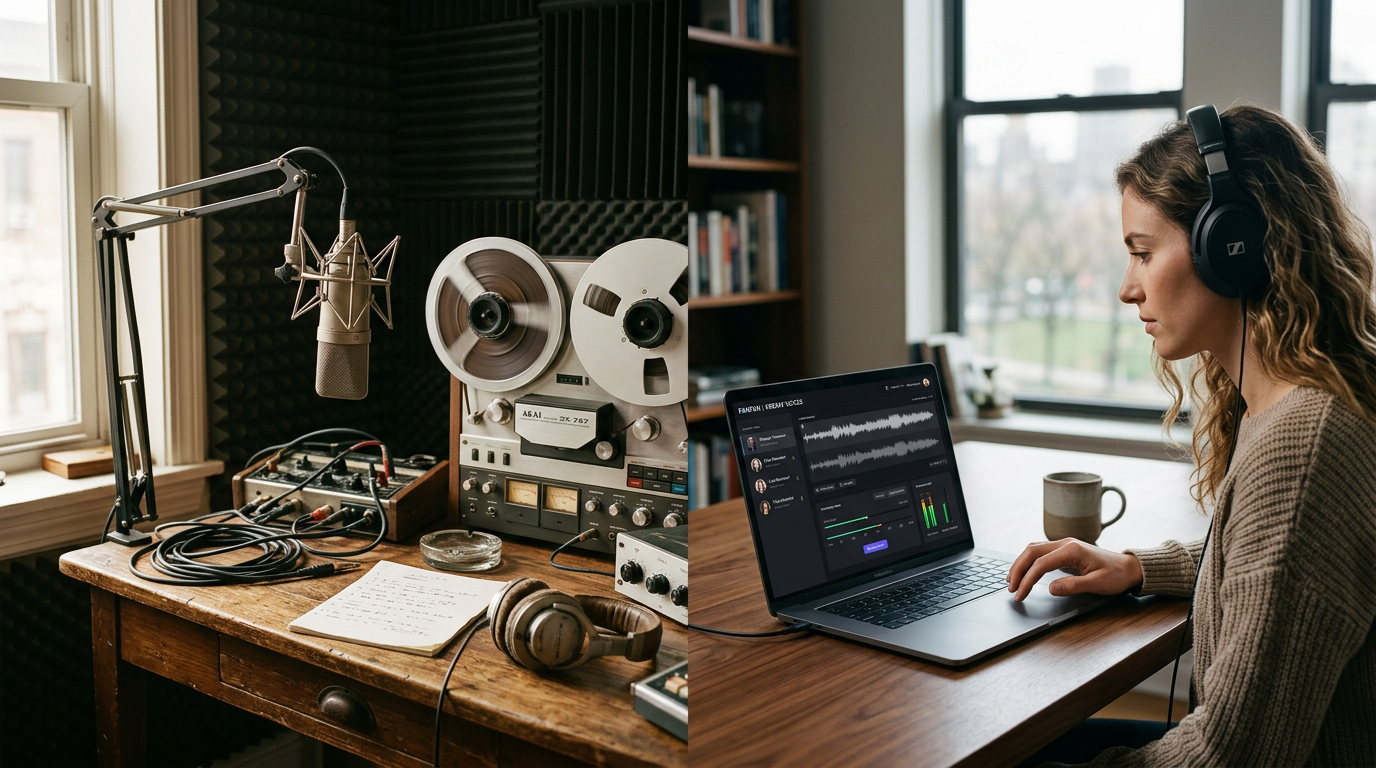
For years, the gold standard for adding celebrity flair to content was the traditional booking. It was slow, expensive, and logistically fragile. If the talent wasn't available, or if the budget didn't allow for a high-end agency fee, the creative vision simply died on the drawing board. Today, that model is obsolete. Content creators are moving away from passive, one-off interactions toward active, scalable creation using AI-driven personas.
Fanfun is at the forefront of this shift, moving beyond simple 'voice swapping' to offer fully realized AI personalities. The difference is critical: a voice swap is a static filter that often breaks when the cadence or emotion of a sentence changes. A real AI persona, however, understands the rhythm and intent behind the words. By leveraging platforms that prioritize interactive, high-fidelity voices, creators can now produce birthday wishes, roasts, or promos in minutes, effectively bypassing the limitations of traditional celebrity booking.
The Shift from Passive Listening to Active Creation
The modern creator economy demands speed and iteration. When you are editing a video, you rarely have the luxury of waiting weeks for a guest to return a file. You need the ability to experiment with tone, pacing, and delivery in real-time. This is where the transition from passive celebrity booking to active AI persona creation becomes a competitive advantage. When you use a platform like Fanfun, you aren't just buying a static file; you are accessing a creative toolset that allows you to treat a celebrity persona as a cast member in your own production.
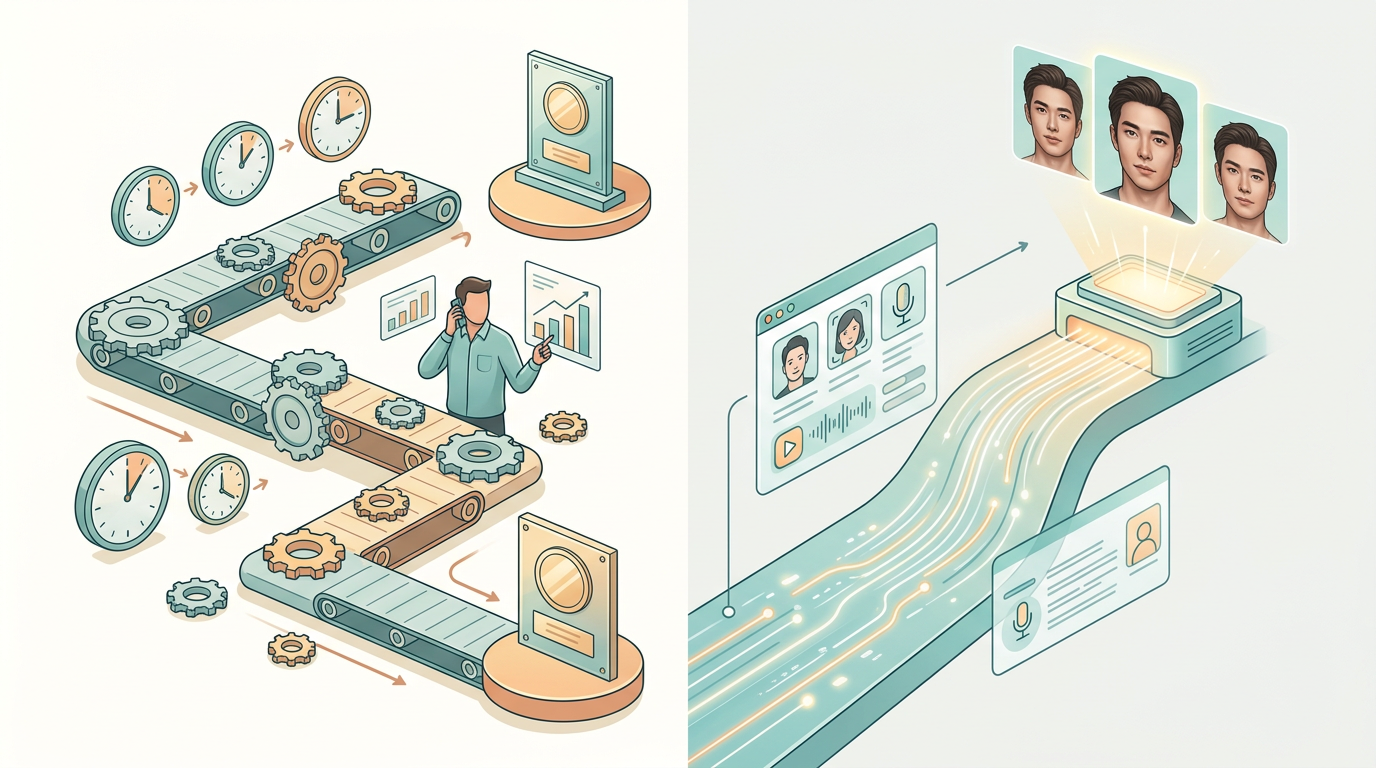
Consider the difference in workflow. In the old model, you would send a script, wait for approval, wait for recording, and hope the delivery matched your vision. If it didn't, you were stuck. With modern AI, you are in the director's chair. You can adjust the script, change the emphasis on specific words, and regenerate the output until it fits the exact flow of your edit. This level of control is essential for creators who need to maintain a specific brand voice across multiple platforms, from TikTok to long-form YouTube documentaries.
Evaluating Fidelity: What Makes a Voice 'Authentic'?
When evaluating an AI voice tool, the most common pitfall is focusing solely on pitch. A deep, gravelly voice might sound like a generic tough guy, but it isn't necessarily the voice you need. True authenticity is found in the cadence, the micro-pauses, and the specific vocal quirks that make a person recognizable. When you use a tool like the Dwayne Johnson Ai, the goal is to capture the specific energy and delivery style that audiences associate with the star, rather than just a robotic approximation.
To avoid the dreaded 'uncanny valley'—where a voice sounds almost human but just 'off' enough to be distracting—creators must look for platforms that utilize high-sample-rate output. Low-quality generators often compress audio to the point where the emotional nuance is lost. If your content requires a specific tone, such as excitement, authority, or humor, ensure your AI provider supports emotional range in its text-to-speech engine. A high-fidelity model will maintain the integrity of the performance, even as you adjust the script for different social media formats.
Creative Use Cases for Modern Creators
The utility of these tools extends far beyond simple impressions. Whether you are building a personal brand or producing niche entertainment, AI voices allow you to scale your output without waiting on external schedules. For high-energy social media engagement, you can script punchy, commanding promos using The Rock Dwayne Johnson to grab attention in the first three seconds of a video. This level of creative control was previously impossible without a massive production budget.
Storytelling also benefits from this technology. You can create immersive, narrative-driven content by incorporating iconic character voices like Mickey Mouse to act as the narrator for a fan project or a stylized explainer video. Similarly, if you are looking to elevate influencer-style content, leveraging a specific persona like Sydney Sweeney can provide a polished, recognizable aesthetic that helps your work stand out in a crowded feed. Even for creators looking for distinct political or cultural commentary, tools like the Donald Trump Ai Voice or the charm of Hello Kitty offer a spectrum of tonality that can be tailored to your specific audience niche.
Beyond just voice, consider how these tools integrate into your broader content strategy. If you are producing a series of short-form comedy sketches, the ability to rapidly iterate on dialogue allows you to test multiple punchlines in the same voice without re-recording. This is the 'A/B testing' of content creation—you can see which version of a joke lands better with your audience by simply swapping the script and regenerating. This speed is the true power of the modern AI toolkit.
The Efficiency Framework: A Comparison Table
To understand the value proposition, it helps to look at the trade-offs between traditional methods and modern AI tools. The following framework evaluates speed, cost, and creative flexibility.
| Metric | Traditional Booking | Fanfun AI | Generic Voice Changers |
|---|---|---|---|
| Speed | Weeks/Months | Minutes | Seconds |
| Cost | High (Agency Fees) | Affordable | Low/Free |
| Scalability | None | Infinite | Limited |
| Creative Control | Low | High | Low |
As shown, Fanfun serves as a superior Cameo alternative because it removes the 'waitlist' bottleneck. You are no longer tethered to a celebrity's schedule or their willingness to record a specific line. You have the freedom to iterate, edit, and perfect your content on your own timeline. This shift allows you to focus on the narrative arc of your project rather than the logistical hurdles of production.
Operational Ethics and Creative Responsibility
With great power comes the responsibility to use it ethically. There is a distinct line between parody, fan-driven creative projects, and malicious commercial exploitation. At Fanfun, we prioritize platform safety and creative ethics, ensuring that our AI personas are used to celebrate fandom rather than deceive audiences. When creating content, always consider the intent. Is this a lighthearted meme or an educational skit? Transparency is key—labeling your AI-generated content not only builds trust with your audience but also aligns with the evolving standards of digital media. By being upfront about the use of AI, you can focus on the creative value you are providing, keeping the focus on the fun rather than the technology.
Ultimately, the best AI voice generator is one that disappears into your workflow. If you find yourself constantly fighting the software to make it sound 'human,' you are using the wrong tool. Look for platforms that prioritize the nuances of speech—the breath, the hesitation, and the emphasis—over simple text-to-speech conversion. When you find that balance, you stop being a user of a tool and start being a producer of high-impact, scalable media. The future of content creation isn't just about having the right voice; it's about having the right partner in the creative process.
Is it legal to use celebrity AI voice generators for YouTube videos?
Generally, parody and transformative fan content are treated differently than commercial exploitation. Always ensure your content is clearly marked as AI-generated and respects the intellectual property rights of the individuals involved.
How does Fanfun differ from traditional voice changer apps?
Traditional voice changers merely shift your existing audio, often resulting in poor quality. Fanfun generates high-fidelity, expressive AI voices from text, allowing for full creative control and professional-grade output in minutes.
Can I use AI voices for commercial advertisements?
Commercial use requires careful consideration of right-of-publicity laws. We recommend reviewing your local regulations and ensuring you have the appropriate permissions if you plan to use a celebrity persona for a paid brand campaign.
What makes an AI voice sound realistic instead of robotic?
Realism is achieved through high-sample-rate audio, sophisticated prosody (the rhythm and stress of speech), and the ability to capture emotional nuance. Fanfun models are trained to interpret these elements, moving beyond simple pitch modulation.