Beyond the Impression: How to Use AI TTS for High-Impact Storytelling
Great AI voiceovers aren't just about mimicking a tone—they're about cadence, rhythm, and narrative intent. Learn how to elevate your content beyond the meme.
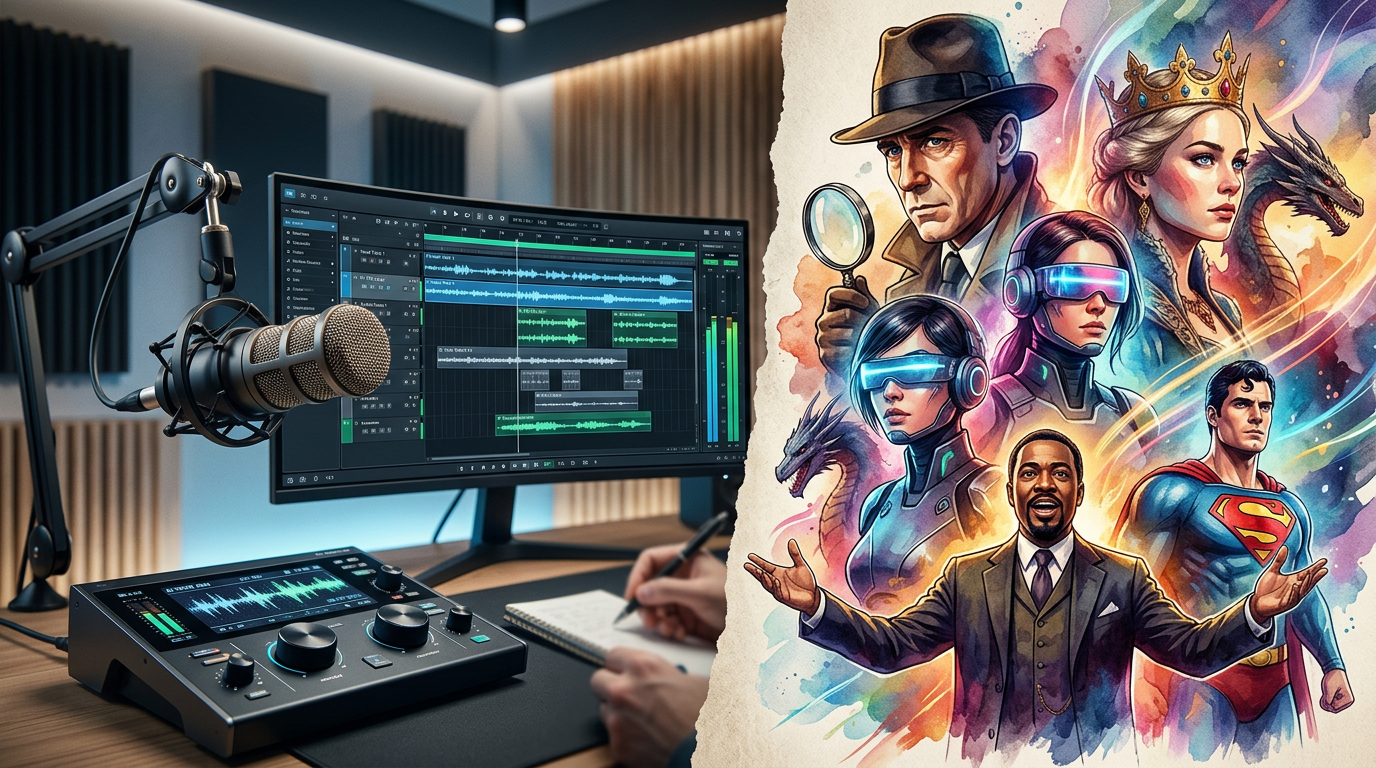
The digital landscape is currently flooded with flat, robotic text-to-speech (TTS) narrations that act as a barrier to audience engagement. When a viewer hears a voice that lacks soul, their brain immediately flags the content as low-effort or automated, leading to a quick scroll-away. To capture attention in a saturated market, creators must move beyond simple voice cloning and focus on the art of narrative performance. True impact in modern content creation doesn't come from a perfect acoustic match; it comes from capturing the cadence, the micro-pauses, and the specific rhythmic energy of a persona.
At Fanfun, we see the most successful creators treating their AI assets as collaborators rather than just tools. They use these models to weave stories that feel intentional, high-energy, and deeply resonant with their target audience. By leveraging the right technology, you can transform a standard script into a compelling narrative experience that keeps viewers watching until the final frame.
The Anatomy of a Great AI Voiceover
Writing for AI requires a fundamental shift in perspective. If you are scripting for a specific persona, you must account for how that character breathes, emphasizes words, and handles tension. For instance, when using the Dwayne Johnson AI, your script should favor punchy, high-energy sentence structures that allow the model to lean into its signature charisma. If your script is too dense or monotone, the AI cannot perform. To succeed, treat your AI voice generator like a professional voice actor: provide it with short, intentional sentences and use punctuation, such as ellipses or dashes, to dictate the pacing and create natural-sounding pauses.

Listeners often mistake "accuracy" for "likeness." In reality, if the prosody—the stress, timing, and intonation—is slightly off, the brain rejects the audio as fake. Modern creators are finding success by focusing on the "vibe" of the persona. By leaning into the specific, recognizable cadence of a celebrity, you bridge the gap between a simple impression and a professional-grade production. This is where the nuance of a well-trained model becomes your greatest asset.
Optimizing Script Flow for AI Performance
The secret to professional-grade output is understanding the limitations of your model. AI voices, unlike human actors, do not intuitively know where to place emphasis unless you guide them through structure. Avoid long, winding paragraphs. Instead, break your content into digestible chunks. Use line breaks to represent natural breaths. If you are writing a script for a character like Spongebob Squarepants, your syntax should reflect his high-frequency energy. Short, exclamatory sentences work best here. Conversely, for a more grounded, authoritative tone, use longer, declarative sentences that allow the model to sustain a steady, measured pace. By intentionally structuring your scripts, you reduce the 'robotic' feel and push the AI toward a more human-like delivery.
Beyond the Meme: Professional Use Cases for AI Personas
Moving beyond low-effort memes requires a shift toward high-value content. Instead of using AI voices for repetitive, one-note jokes, consider using them for narrative "mockumentaries," educational explainers, or high-impact brand promos. These formats rely on the audience's existing familiarity with a persona to build immediate trust or humor.
For example, using authoritative voices for instructional content can keep viewers engaged significantly longer than a standard, sterile narration. Similarly, integrating dynamic sports icons like Shaq into a brand promo can capture viewer attention within the crucial first three seconds of a video. At Fanfun, we’ve found that the most successful creators combine these voice assets with interactive AI chat capabilities, allowing their audience to engage with the "character" in a two-way dialogue. This creates a deeper, more sticky experience than a passive video clip ever could, turning a casual viewer into an active participant.
The Creator’s Toolkit: Evaluating AI Voice Platforms
Choosing the right tool for your content strategy involves evaluating more than just the library size. You need a platform that understands context and emotional range. Use this framework to evaluate your next AI voice partner:

- Latency and Iteration: How fast can you generate content? Speed is critical for social media trends. If you can't iterate in minutes, you miss the window of relevance.
- Emotional Range: Does the AI sound angry, excited, or calm, or is it stuck in one "reading" mode? High-impact storytelling requires a range of delivery styles.
- Character Depth: Does the platform offer licensed, well-defined personas, or just generic "male/female" voice skins? A generic voice will never carry the weight of a cultural icon like Kobe Bean Bryant.
- Context Awareness: Can the AI handle slang, technical jargon, or specific cultural references? The best models understand the subtext behind the words.
Generic voice cloners often fail because they lack the "soul" of an icon. They mimic the sound but miss the personality. A high-quality AI persona platform provides the curated performance necessary to make your content sound intentional rather than experimental.
Scaling Your Content Strategy with a Cast of Characters
Consistency is the hallmark of a professional channel. Rather than relying on a single voice, consider building a "repertoire" of personas that can rotate through your content. You might use one voice for news-style updates and another for comedic sketches. By mixing and matching iconic characters like the aesthetic-driven appeal of Sydney Sweeney with other archetypes, you create a dynamic "cast" for your channel that keeps your audience guessing.
Transitioning from one-off clips to a library of assets allows you to maintain a consistent brand voice even when you aren't recording in a studio. Whether you are building a series featuring a recurring "host" character or using the iconic charm of Mickey Mouse for nostalgic storytelling, having access to a diverse library is key. Fanfun excels here by providing a platform that emphasizes ease of use, allowing you to build a content calendar filled with high-energy, personality-driven clips in a fraction of the time it would take to book traditional talent or record your own voiceovers. This scalability is essential for creators who need to produce daily content without sacrificing quality.
Ethical Creativity in the Age of AI
The power of AI voice technology comes with a responsibility to the source material. As creators, we must prioritize platforms that operate within ethical boundaries, using data that respects the persona’s legacy. Using AI should be an act of fandom—a way to celebrate and interact with the characters we love—rather than an attempt to deceive or spread misinformation. By choosing to work within a safe, creative, and respectful environment, you ensure that your content remains authentic to the spirit of the icons you portray. This commitment to quality and ethics is what separates long-term content creators from those chasing short-lived engagement. By focusing on storytelling that honors the character, you build a loyal community that values your creative vision as much as the technology you use to bring it to life.
How do I make my AI voiceover sound more realistic?
Focus on your script punctuation. AI models follow commas and periods to determine breath and pauses. Use short, punchy sentences and avoid overly complex grammatical structures that might confuse the model's cadence. Break your text into smaller, natural phrases to help the AI maintain rhythm.
Is it legal to use AI voices of public figures for YouTube content?
Always prioritize platforms that license their personas or operate within ethical guidelines. Using AI for parody, satire, and creative expression is generally well-supported, but you should avoid using these voices to commit fraud or misrepresent the actual individual. Fanfun prioritizes ethical, licensed, and safe use cases for fans and creators.
What is the best alternative to simple TTS for content creators?
The best alternative is a dedicated AI persona platform like Fanfun, which provides not just voice, but the "personality" and context of licensed icons, making your content more engaging and professional compared to generic, flat TTS tools.
How can I get started with AI voice generation for free?
Many platforms, including Fanfun, offer accessible ways to explore their character libraries. Start by experimenting with short clips to see how different personas handle your specific script style, and iterate based on the results to refine your voiceover workflow.