The Director's Cut: How to Design a Custom Celebrity Voice Message That Genuinely Lands
The traditional celebrity shoutout is broken. Learn how to take the director's chair using AI voice generators to craft hyper-specific, natural-sounding custom messages that legacy platforms simply cannot deliver.
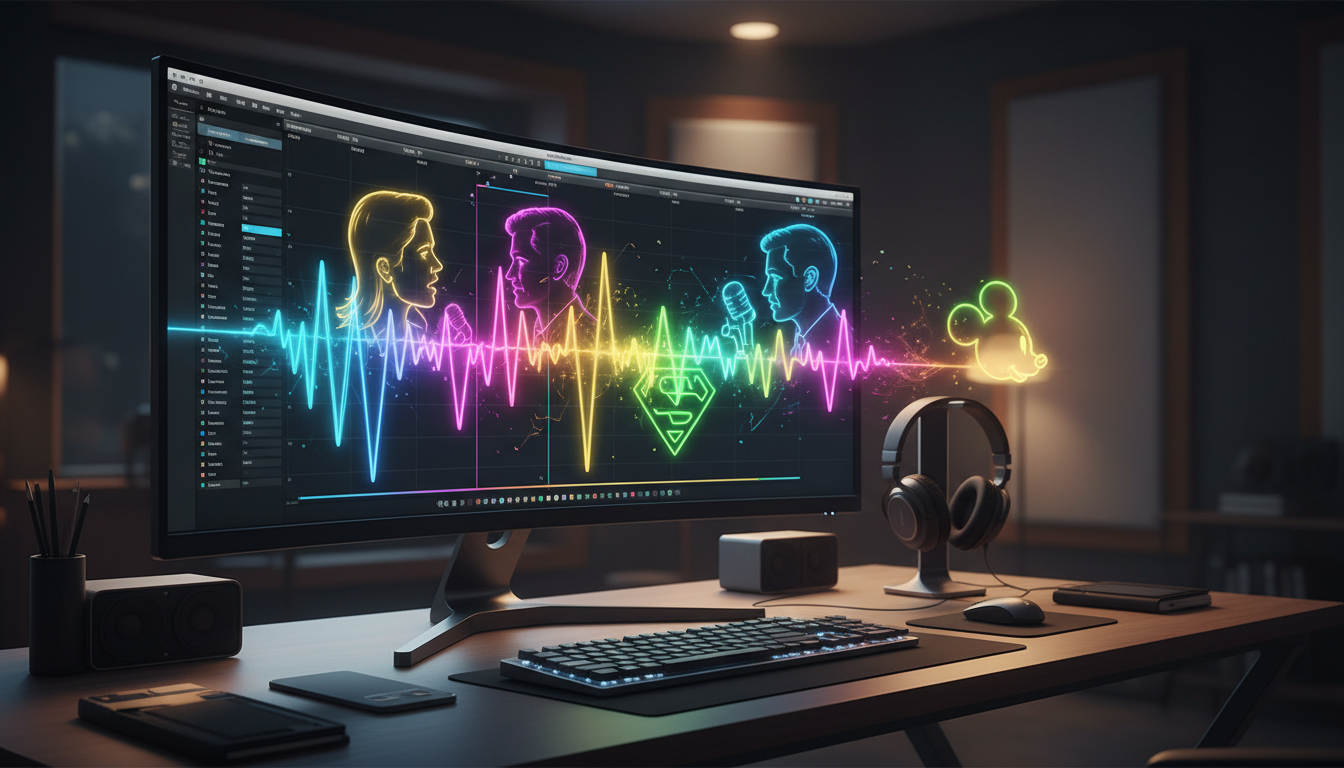
The standard celebrity shoutout is broken. Paying hundreds of dollars to wait weeks for a tired, fifteen-second video where a B-list star mispronounces your best friend's name has completely lost its charm. When a message feels like a chore the talent rushed through in their car between meetings, the magic evaporates, leaving you with a generic greeting that could have been sent to anyone.
To create a custom voice message that actually lands, you have to stop acting like a passive buyer and start acting like an audio director. By leveraging Fanfun's real-time AI tools, you can craft hyper-specific, culturally aware voice messages with perfect comedic timing and precise vocabulary—instantly, affordably, and with complete creative control.
Beyond the Generic Shoutout: Why Context is King in Custom Voice Messages
Traditional celebrity video apps operate on a model of scarcity and passive consumption. You pay a premium, submit a brief paragraph, and hope the celebrity is in a good mood when they press record. The result is almost always a low-energy, templated read: "Hey John, happy birthday from your favorite action star, hope it's a great one!" It lacks bite, it lacks humor, and most importantly, it lacks context. If you want to dive deeper into how this landscape is shifting, explore our comprehensive playbook on scripting and directing personalized AI voice messages for maximum emotional impact.
The true power of a memorable message lies in hyper-personalization. It is the highly specific inside joke from a college road trip, the affectionate roast about someone's terrible driving, or the precise catchphrase of a favorite anime character delivered at the perfect emotional peak. When a message contains details that only your social circle would know, it transforms from a generic novelty into an unforgettable digital keepsake.
This is where Fanfun democratizes the creative process. Instead of acting as a hopeful beggar in a celebrity's inbox, you are handed the director's chair. With an expansive character library that spans iconic movie stars, legendary athletes, and beloved fictional or anime characters, you can generate highly customized, real-time audio messages instantly. No waiting for availability, no restrictive character counts, and no astronomical booking fees.
The Scriptwriting Frameworks That Make AI Voices Shine
AI voice generators are incredibly powerful, but they are not mind readers. They thrive on structure, rhythm, and contextual vocabulary. To get the most realistic and engaging performance out of an AI voice model, you must write a script that plays to the strengths of the chosen persona. A gruff action hero should not speak in long, flowery, academic sentences; a fast-talking animated sidekick should not have a slow, monotone delivery. Matching the vocabulary and rhythm to the character is the first step toward audio realism.

The 'Hyper-Specific Roast' Structure
A great roast requires a delicate balance: it must feel incredibly personal but remain lighthearted and fun. When scripting a roast for an AI celebrity voice, use the "Disarm and Strike" framework. Start with a warm, disarming compliment to lower their guard, drop the hyper-specific inside joke, and close with a signature catchphrase or laugh characteristic of the persona.
For example, instead of writing: "Happy birthday John, you are getting old and bald," structure your script like this:
"Happy 30th, John! You look fantastic... seriously, nobody would ever guess you still sleep with a nightlight because of that 'haunted' Airbnb in Austin. Keep shining, buddy, even if your hairline is staging a tactical retreat."
This structure works perfectly because the AI can lean into the dramatic pause after "fantastic" and deliver the punchline with the exact deadpan timing required to make the joke land.
The 'Unlikely Mentor' Pep Talk
One of the most entertaining ways to use Fanfun is pairing a major, serious life milestone with an absurdly mismatched character. Having a legendary cartoon character give a high-stakes motivational speech, or a hard-boiled detective congratulate someone on passing their bar exam, creates instant comedic gold.
The key to the "Unlikely Mentor" framework is balancing sincere encouragement with character-accurate humor. The character should take the milestone completely seriously, but describe it using their own ridiculous worldview. If a space marine is congratulating your friend on buying their first home, they shouldn't talk about interest rates; they should talk about securing the perimeter against alien threats and establishing a tactical base of operations. This contrast keeps the message engaging, funny, and deeply memorable.
Directing the Delivery: Pacing, Punctuation, and Phonetics
Writing a great script is only half the battle; the other half is directing how the AI reads it. Because AI voice generators interpret text-to-speech algorithms, you can use strategic punctuation to force natural human breathing room, emphasis, and pauses. Commas create brief pauses, ellipses (...) introduce suspenseful hesitation, and em-dashes (—) work perfectly for sudden shifts in thought or tone.
To ensure your audio sounds flawless, you can also learn how to craft a high-fidelity voice clone message that sounds genuinely human. When directing the AI, keep this quick tuning checklist in mind:
- Phonetic Spelling: AI models sometimes struggle with complex names, local slang, or brand names. Spell them phonetically. Instead of "Siobhan," write "Shi-vawn." Instead of "realtor," write "real-tor."
- Pacing Indicators: Use double dashes or ellipses to slow down the read. "I don't know... maybe you should..." will generate a much more natural, contemplative tone than "I don't know maybe you should."
- Capitalization for Emphasis: While some models ignore capitalization, many react to ALL CAPS by adding a subtle boost in volume or intensity to that specific word. Use it sparingly to highlight key punchlines.
Legacy Platforms vs. Instant AI: A Creative Comparison
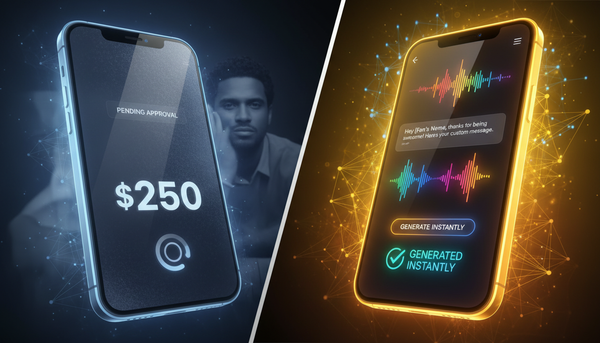
The shift from legacy celebrity shoutout platforms to real-time AI tools is fundamentally changing how creators, marketers, and gift-givers approach personalized media. Legacy platforms are plagued by friction: long wait times, high costs, and rigid terms of use. Fanfun eliminates these barriers by putting the tools directly in your hands, allowing you to iterate until your message is absolutely perfect.
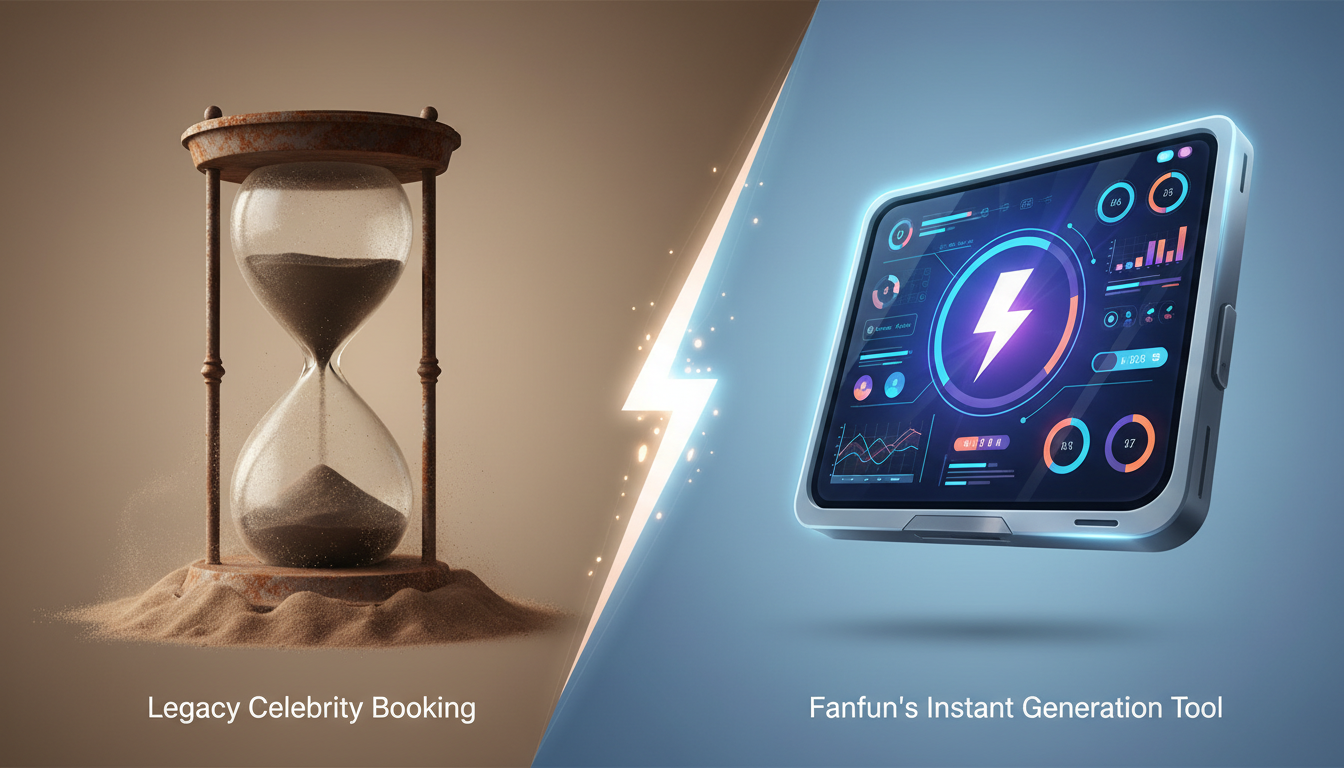
To understand why creators are making the switch, discover why creators are trading legacy celebrity message apps for real-time AI experiences. Here is a direct breakdown of how the two approaches compare:
| Feature | Legacy Celebrity Apps | Fanfun AI Voice Platform |
|---|---|---|
| Turnaround Time | 3 to 7 days (or more) | Instant (under 2 minutes) |
| Average Cost | $50 to $500+ per video | Highly affordable and scalable |
| Script Flexibility | Strict limits, subject to celebrity rejection | Complete freedom to write, edit, and re-generate |
| Character Library | Real people only (limited availability) | Real stars, fictional characters, anime icons |
| Creative Control | None; you get whatever they record | Total control over pacing, phonetics, and tone |
Creative Use Cases: From High-Stakes Promos to Group Chat Memes
Once you realize you have an instant, high-quality AI voice generator at your fingertips, the use cases expand far beyond basic birthday wishes. Creators, marketers, and friend groups are using Fanfun to inject personality into their daily digital interactions in entirely new ways.
For content creators, custom character voices are a goldmine for engagement. You can use them to dub anime clips, narrate TikTok trends, or add unexpected celebrity commentary to your YouTube Shorts. Instead of relying on the same generic text-to-speech voices that everyone else uses, you can stand out with highly recognizable, character-accurate voiceovers that stop viewers from scrolling.
Marketers and brands are also leveraging this technology to build scalable, highly localized promotional campaigns. Imagine launching a regional promo campaign where a familiar, iconic voice calls out specific local landmarks, sports teams, or neighborhood jokes. This level of hyper-targeting builds immediate trust and humor, driving conversion rates far higher than standard, generic voice ads.
Finally, do not underestimate the power of pure, unadulterated fun. Whether it is generating a custom, drill-sergeant motivational alarm clock to wake you up at 5:00 AM, sending an absurd roast directly into your fantasy football group chat, or creating a personalized bedtime story narrated by a beloved cartoon character for your kids, Fanfun makes high-fidelity audio creation accessible to everyone.
How do I make a custom celebrity voice message sound natural?
To make an AI voice sound natural, use punctuation strategically. Insert commas for brief pauses, ellipses (...) for hesitations, and em-dashes for sudden shifts in tone. Additionally, spell difficult names or slang phonetically (e.g., "Shi-vawn" instead of "Siobhan") to ensure perfect pronunciation.
Can I generate custom voice messages using fictional or cartoon characters?
Yes! Unlike legacy platforms that only offer real-life celebrities, Fanfun features an extensive character library that includes beloved fictional characters, anime icons, and cartoon favorites, allowing you to generate custom messages from characters that legacy apps simply cannot offer.
How long does it take to create a custom voice message on Fanfun?
Creating a custom voice message on Fanfun takes under two minutes. Unlike legacy platforms where you have to wait days or weeks for a celebrity to record your message, Fanfun generates high-quality audio instantly.
What is the best way to write a script for an AI celebrity voice generator?
The best scripts match the vocabulary and rhythm of the chosen character. Keep sentences punchy, use the character's signature catchphrases, and structure your jokes with clear setups and pauses to allow the AI's natural comedic timing to shine.