The Creator's Guide to AI Celebrity Voices: Moving Beyond Novelty to High-Impact Content
Stop using AI celebrity voices for cheap gags. Discover how to direct, script, and deploy high-quality voice interpretations to elevate your video pacing, drive viewer retention, and scale your content creation.
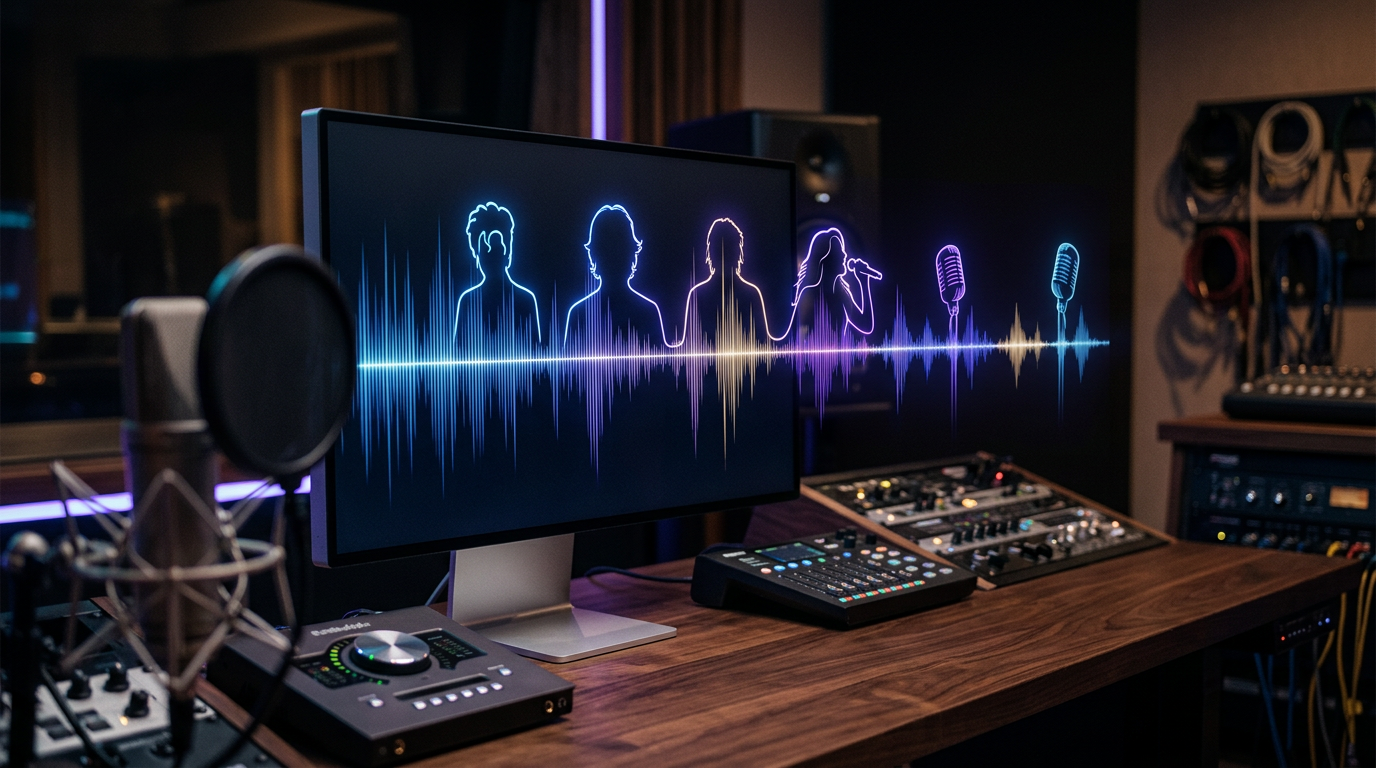
The era of the low-effort, glitchy voice clone is officially behind us. Audiences no longer find novelty in a robotic, poorly synthesized voice reading a basic script; they expect high-quality, emotionally resonant audio that genuinely enhances the story being told. As short-form video algorithms demand immediate engagement, creators are realizing that voice is just as critical as visual editing in preventing the dreaded scroll-by.
For content creators, marketers, and fans, using AI celebrity voices is shifting from a simple gimmick to a sophisticated production tool. When directed with professional intention and paired with the right platform, these tools can elevate video retention, streamline your post-production workflow, and add a layer of cultural relevance that keeps viewers hooked. This guide explores how to transition from basic voice gags to high-impact content that respects creative ethics and drives real engagement.
The Evolution of the AI Celebrity Voice: From Cheap Memes to Creative Leverage
Not long ago, celebrity voice generators were primarily used to create absurd, low-fidelity memes on TikTok. These early iterations relied on rudimentary voice cloning that often sounded metallic, lacked dynamic range, and struggled with basic sentence structure. While they succeeded in capturing short-term attention through sheer absurdity, they lacked the polish required for professional video production or brand marketing.
Today, the landscape has fundamentally shifted. We have transitioned from static, robotic clones to dynamic AI interpretations that capture the unique cadence, breath patterns, and personality quirks of iconic figures. Modern creators are moving away from manual impressions—which are difficult to scale and highly dependent on voice actor availability—toward instant, high-quality audio generation. By leveraging these advanced voice engines, creators can produce multiple content variations in minutes rather than days.
This is where Fanfun bridges the gap. By offering a curated library of instant, high-quality character audio, Fanfun gives creators maximum flexibility without the ethical gray areas associated with unauthorized voice scraping. Instead of treating these voices as mere gags, forward-thinking creators are using AI celebrity voices for better storytelling, utilizing them to narrate complex video essays, provide comedic timing in skits, and deliver highly personalized messages to their communities.
Finding the Right Tone: How to Choose Your AI Voice Profile
A common mistake in modern content creation is choosing a voice based purely on its popularity rather than its alignment with the video’s message. Just because an action star's voice is trending does not mean it is the right fit for a tutorial on budget planning. Achieving resonance requires a deep understanding of your audience demographics and the emotional tone of your script.
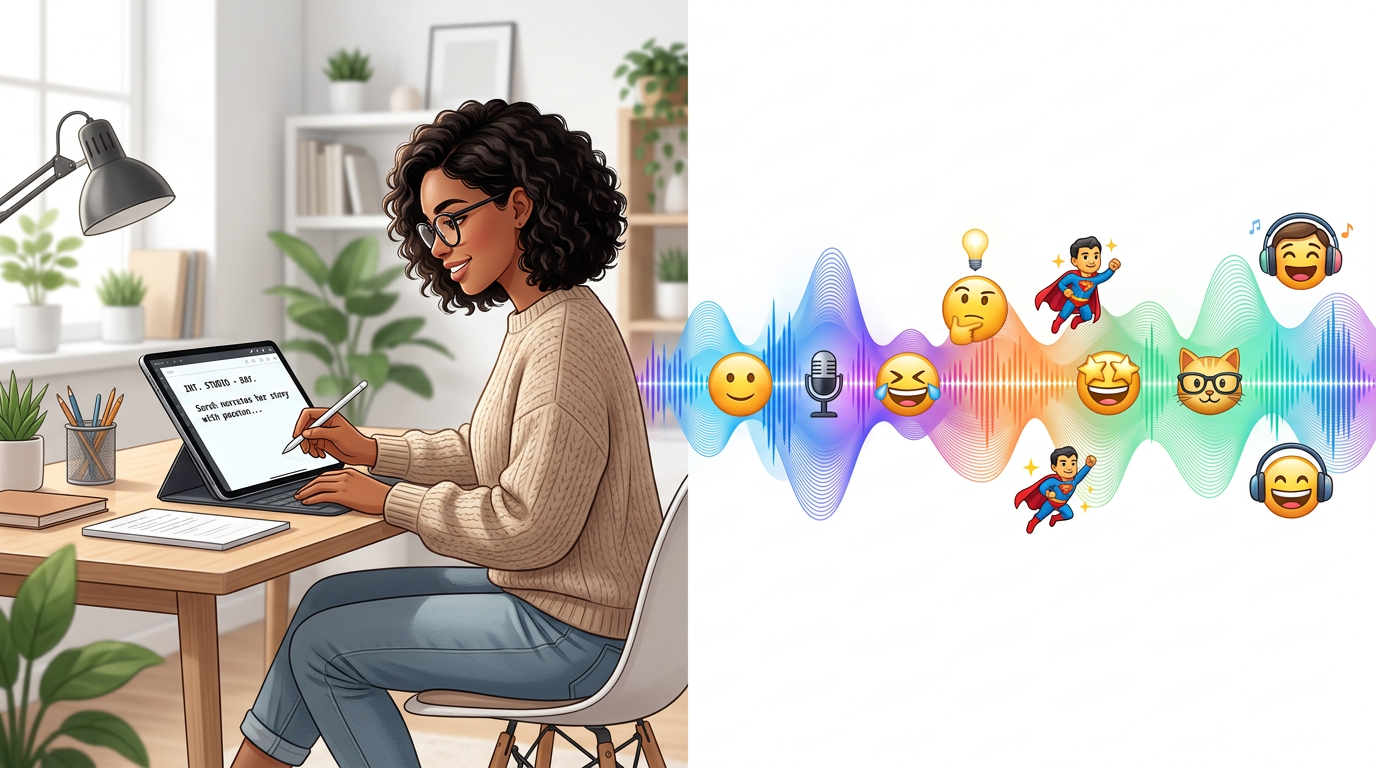
To ensure your audio feels natural rather than jarring, you must actively avoid "mismatch friction." This occurs when the energetic profile of a voice conflicts with the visual pace or the underlying theme of your content. For instance, using a high-intensity, booming voice to deliver a gentle, empathetic brand message creates cognitive dissonance for the viewer, leading to lower retention rates.
Identifying Mismatch Friction in Your Audio
To prevent mismatch friction, evaluate your script against two axes: energy (high vs. low) and authority (casual vs. expert). A high-energy, casual voice is perfect for a fast-paced product unboxing, whereas a low-energy, highly authoritative voice is better suited for an educational documentary or a dramatic review. Taking the time to analyze these variables is crucial when choosing the right celebrity voice generator for your specific creative objectives.
The Storyteller vs. The Hype-Man: Matching Persona to Format
To simplify the selection process, most AI celebrity voices can be categorized into two primary archetypes: the Storyteller and the Hype-Man. Understanding which archetype your script demands will dictate your video's pacing and how your audience processes information.
The Hype-Man: This archetype thrives on high-energy delivery, sharp inflections, and punchy delivery. Think of sports legends, energetic pop icons, or enthusiastic reality stars. The Hype-Man is your go-to option for attention-grabbing intros, promotional hooks, friendly roasts, and short-form Reels or TikToks where you have less than three seconds to capture the viewer's attention.
The Storyteller: This archetype is characterized by a warm, measured, and authoritative tone. These are the voices of seasoned dramatic actors, soft-spoken cultural icons, or narrative-driven figures. Use the Storyteller for long-form YouTube video essays, step-by-step tutorials, and narrative voiceovers where building trust and sustained focus is more important than immediate shock value.
Consider a simple comparison: A fitness brand testing two different social media ads. The first ad used a Storyteller voice to explain the biomechanics of a new running shoe, resulting in high watch time but low immediate click-throughs. The second ad used a Hype-Man voice to deliver a 15-second, high-impact promotional discount. By matching the archetype to the funnel stage, the brand optimized both retention and conversion, demonstrating that voice selection is a highly strategic decision.
The Creator's Checklist: Evaluating AI Voice Quality and Usability
Not all voice generation platforms are created equal. When integrating AI audio into a professional workflow, relying on subpar tools can quickly ruin your production value. Creators must evaluate their software choices against the four pillars of production-ready AI audio: latency, emotional inflection, licensing transparency, and export flexibility.
Many creators start with free tools, only to quickly realize why free celebrity AI voice generators often fall short. These free tiers frequently suffer from high latency, metallic artifacts, unnatural pauses, and restrictive licensing that can put your channel or business at risk of copyright strikes. To help you make an informed decision, use the comparison checklist below to evaluate your options:
| Feature / Pillar | Free-Tier Generators | Premium Platforms (e.g., Fanfun) |
|---|---|---|
| Emotional Inflection | Flat, robotic, struggles with sarcasm or excitement. | Nuanced, expressive, captures natural speech dynamics. |
| Generation Speed | High latency, long queues during peak hours. | Instant generation (results delivered in minutes). |
| Licensing & Safety | Unclear terms; high risk of platform takedowns. | Ethically sourced, clear usage terms, secure for creators. |
| Audio Export Quality | Compressed files with audible background hiss. | Studio-grade, clean audio files ready for editing. |
Directing the AI: How to Script for Maximum Realism
An AI voice model is only as good as the script it is given. To achieve a performance that sounds truly human, you must treat the AI generator like an actor on a set. This means moving beyond standard text entry and learning the subtle formatting tricks that guide the engine's pacing and emotional delivery.
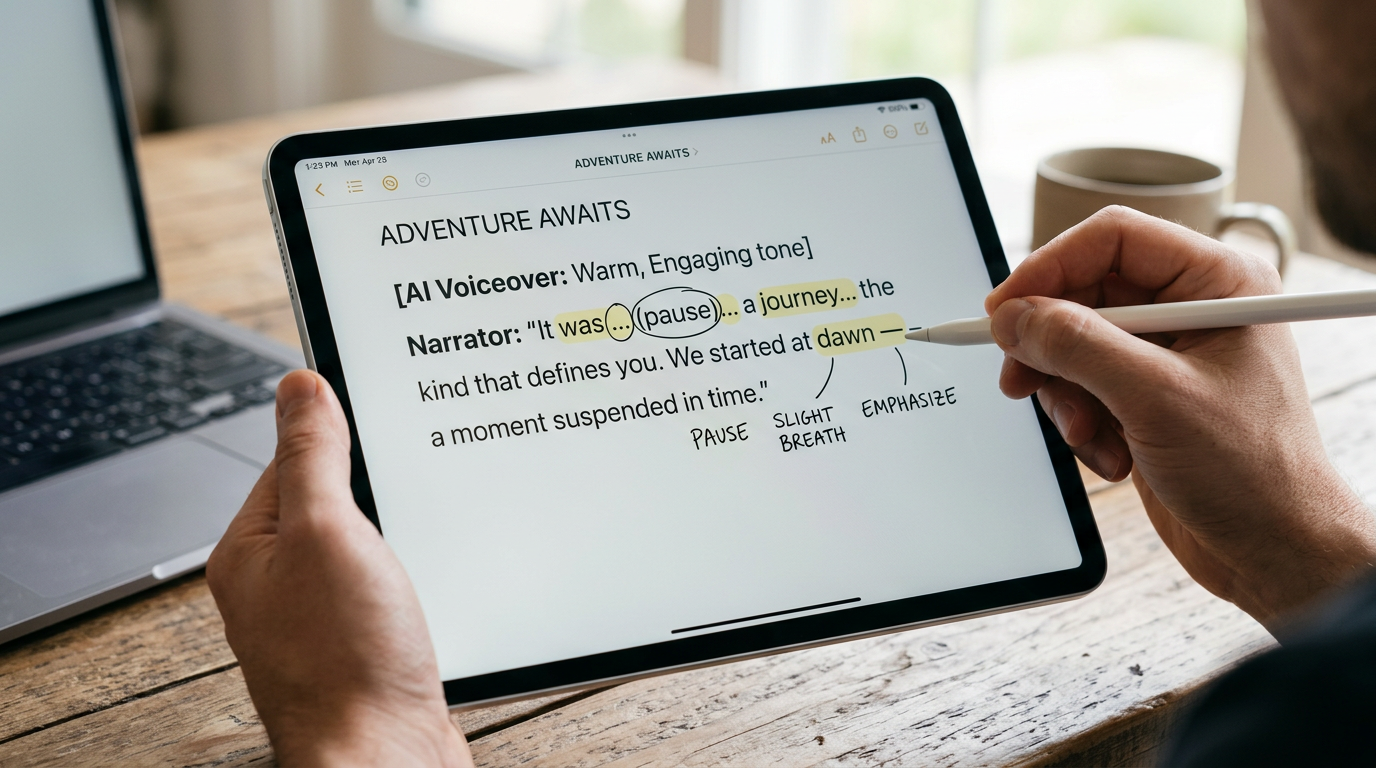
When you are directing celebrity voice AI like a professional showrunner, your punctuation acts as your stage directions. Standard grammar rules do not always translate to natural speech. To force the AI to take a breath or emphasize a point, use these practical formatting hacks:
- Ellipses (...): Perfect for creating a dramatic pause or simulating a thought process.
- Em-Dashes (—): Use these to signal a sudden shift in tone or an energetic interruption.
- Double Commas (,,): If a single comma isn't providing enough breathing room, a double comma forces a slightly longer, highly natural pause.
- Phonetic Spelling: AI engines often struggle with brand names or localized slang. If the AI mispronounces a word like "Fanfun," try spelling it phonetically (e.g., "Fan-fun") to guide the pronunciation engine.
Ethical Boundaries and Platform Best Practices
As AI voice technology becomes more mainstream, maintaining trust with your audience is paramount. Platforms like TikTok, YouTube, and Instagram are increasingly implementing strict disclosure guidelines for synthetic media. Labeling your AI-generated voiceovers not only keeps you compliant with platform algorithms but also builds long-term trust with your viewers, who appreciate creative transparency.
Furthermore, respecting intellectual property is essential for building a sustainable content creation business. Utilizing unauthorized, scraped voice clones for commercial purposes exposes creators to legal risks and platform bans. Parody and creative commentary offer some protection, but operating within a structured, licensed framework is always the safest path forward.
Fanfun addresses these challenges by offering a curated, ethically managed character library. By providing high-quality, instant AI interpretations within a secure environment, Fanfun ensures that fans and creators can explore their creative limits safely. This balance of innovation and respect for creative ethics allows you to focus on what matters most: producing incredible, highly engaging content that stands out in a crowded digital landscape.
How do I make an AI celebrity voice sound more realistic?
To achieve maximum realism, use deliberate punctuation formatting in your scripts. Incorporate ellipses (...) for natural pauses, em-dashes (—) for sudden shifts in tone, and spell difficult words phonetically. Additionally, writing in the specific catchphrases, verbal tics, and cadence of the chosen persona will make the AI interpretation sound far more authentic.
Are AI celebrity voice generators legal to use in YouTube videos?
Yes, but it heavily depends on how the voice is generated and used. Using AI voices for parody, satire, or creative commentary generally falls under fair use. However, using unauthorized voice clones for direct commercial endorsements can lead to copyright claims or legal challenges. Platforms like Fanfun provide an ethical, curated library of character voices to ensure creators can produce content safely.
What is the difference between a raw voice clone and an AI voice interpretation?
A raw voice clone is often an unauthorized, exact copy of a person's voice scraped from existing audio, which often lacks emotional range and carries legal risks. An AI voice interpretation is a highly trained model designed to capture the performance style, cadence, and unique personality traits of a character or figure within a secure, ethically managed framework.
Can I use AI celebrity voices for commercial promotions and social media ads?
Commercial use of celebrity voices is highly regulated. You cannot use an AI voice to falsely imply that a celebrity is endorsing your product. For commercial promotions, it is best to use original AI characters, licensed personas, or clearly labeled parody formats to avoid legal complications and platform takedowns.