Beyond the Impression: How to Use AI Celebrity Voices for Better Storytelling
Stop treating AI as a gimmick. Learn how to integrate celebrity personas into your narrative flow to boost engagement and solve production bottlenecks.
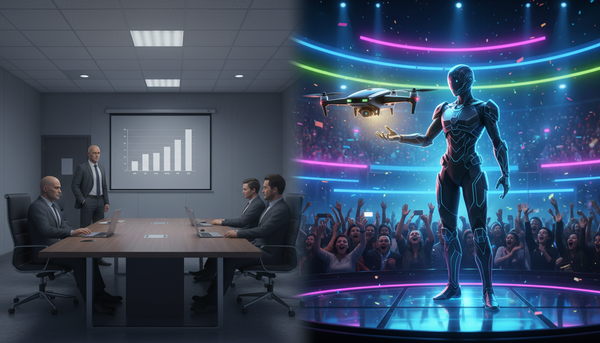
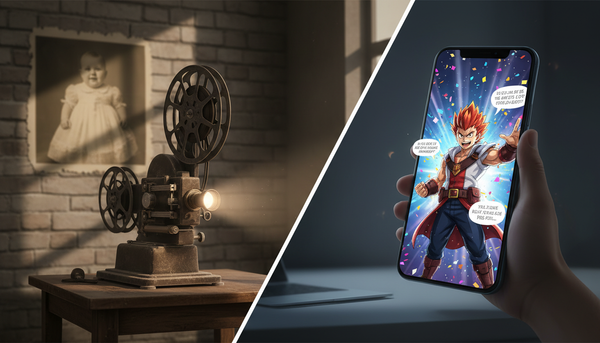
The traditional model of celebrity-driven content is fundamentally static. For years, creators relied on waiting for availability, managing complex logistics, or relying on budget-heavy bookings just to secure a brief shoutout or a guest appearance. Today, the creative landscape has shifted toward active, dynamic participation. Modern audiences don't just want to watch; they want to remix, react, and weave cultural icons into their own narrative arcs at the speed of social media trends.
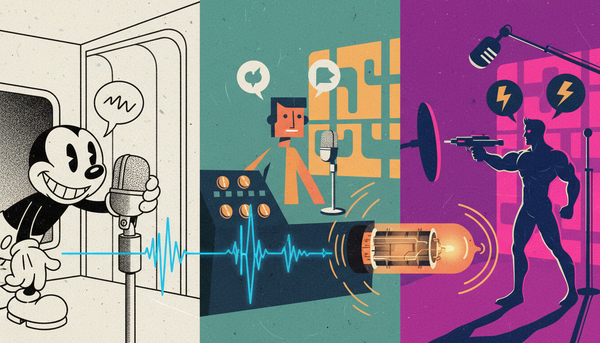
Fanfun bridges this gap by providing tools that move beyond the limitations of passive fandom. By leveraging AI-driven personas, creators can now produce high-energy content that feels like a collaboration with a legend rather than a simple impression. This isn't about replacing human talent; it is about using AI as a creative force multiplier that provides instant access to the cultural shorthand that celebrity voices offer. When you integrate these voices, you aren't just adding audio—you are tapping into a shared cultural language that your audience already understands.
Selecting the Right Persona for Your Narrative Arc
The success of an AI-powered segment hinges on the "vibe match" between your script and the persona chosen. A voice is not just a sound; it carries the weight of a person’s public identity, history, and energy. When you integrate a persona, you are borrowing that history to reinforce your message. If your script requires high-octane delivery or a larger-than-life comedic beat, utilizing Shaq provides an immediate, recognizable intensity that anchors the pacing of a video. Conversely, if you are crafting motivational content, legacy-focused storytelling, or a piece about discipline, the voice of Kobe Bean Bryant offers a gravitas that few other archetypes can replicate.
The key is consistency. If you establish a persona in your series, treat them as a recurring cast member rather than a one-off gimmick. For instance, using the The Rock Dwayne Johnson persona allows you to build a recurring "tough love" coach character for your fitness videos, creating a sense of continuity that keeps viewers coming back for the next installment. Similarly, the Dwayne Johnson AI can be utilized for lighthearted, high-energy intros that hook viewers within the first three seconds of a reel. By maintaining this consistency, you build a brand world that feels familiar and reliable.
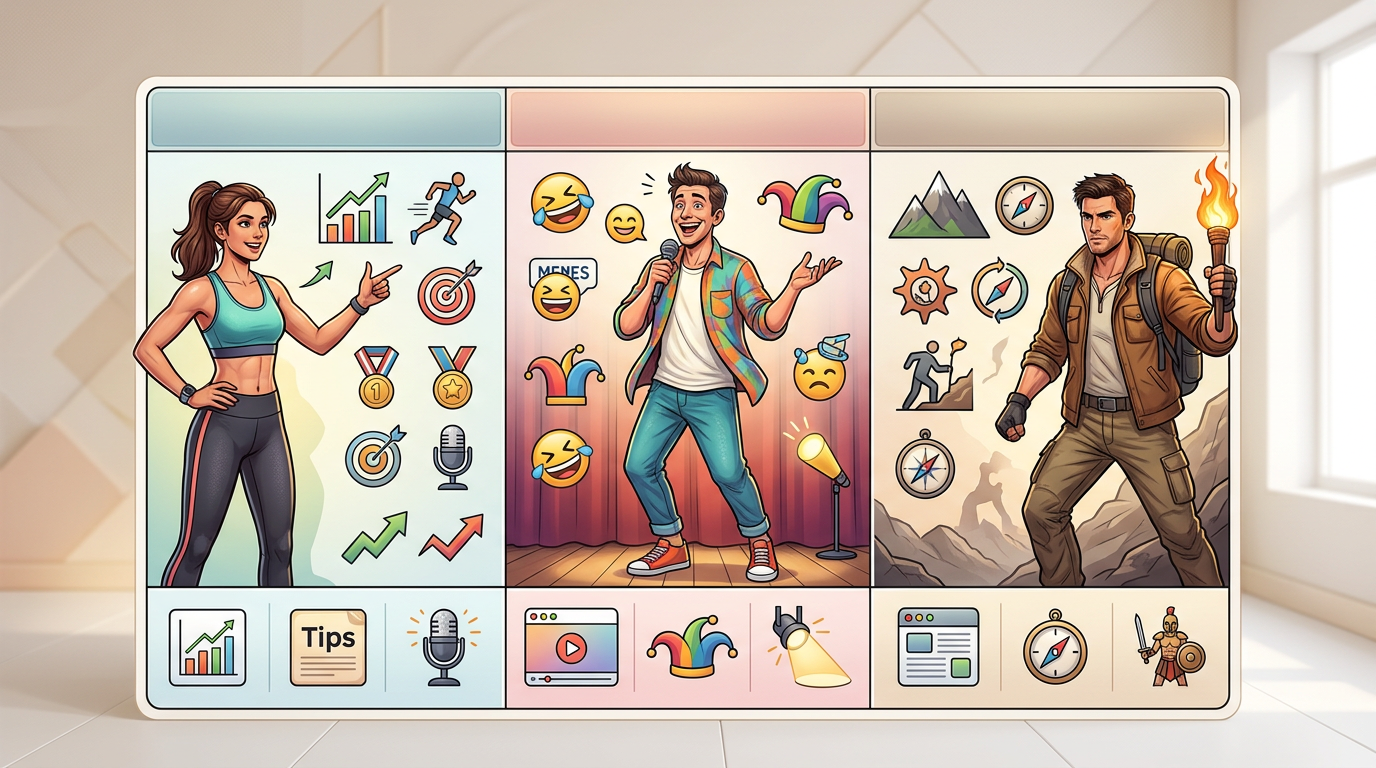
The Archetype Framework
To choose effectively, categorize your content needs by archetype:
- The Motivator: Best for high-stakes advice or "get your life together" style content.
- The Action Hero: Ideal for high-energy promos, transitions, or punchy, short-form skits.
- The Cultural Icon: Best for commentary or memes that rely on deep audience recognition.
- The Relatable Star: Perfect for lifestyle vlogs or "day in the life" skits where you need a grounded, recognizable presence like Sydney Sweeney to add a layer of modern pop-culture relevance.
Production Framework: From Script to Screen
Integrating AI voices requires a shift in how you draft your scripts. AI personas perform best when the dialogue plays to their specific strengths and speech patterns. Avoid generic "filler" text; instead, write lines that lean into the cadence and vocabulary typical of that persona. If you are writing for a persona known for brevity, keep the sentences short and punchy. Before hitting generate, read your script aloud to ensure the rhythm feels natural. If you stumble over a word, the AI will likely struggle with the cadence as well.

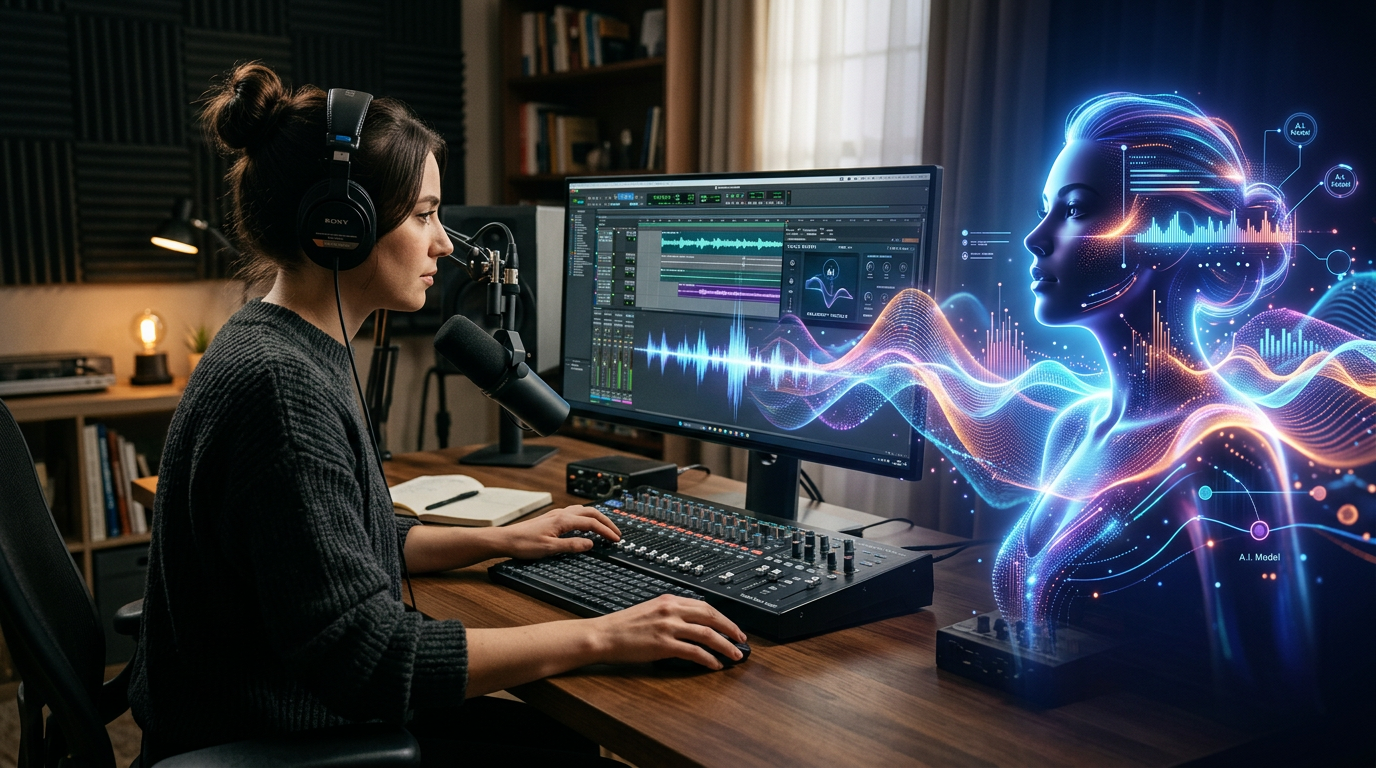
Once the audio is generated, the real work happens in the edit. Do not let the AI voice stand alone in a vacuum. Use it as an element in a larger mix—layer it with sound design, cutaway visuals, or your own reaction shots. The most effective content uses AI as the "anchor" for a joke or a point, while the visual edit provides the context. If the voice doesn't feel right in the final cut, it is often a sign that the script needs a tighter punchline or a faster delivery. Think of your AI voice as a guest star: they need a proper entrance, a moment to shine, and a clean exit. For example, using a Mickey Mouse persona for a whimsical transition can break up the monotony of a long-form video, providing a necessary tonal shift that keeps retention high.
Scaling Your Content with AI Personas
Production bottlenecks are the enemy of growth. By removing the need for scheduling and external production teams, creators can experiment with a speed that was previously impossible. You can test multiple takes of a script to see which delivery hits the hardest with your specific audience, or pivot your strategy in real-time based on trending topics. This agility allows for a "fail fast, iterate faster" approach to content creation. Whether you are using the versatile range of a celebrity persona for modern, relatable skits or experimenting with different character voices to find your brand's unique "voice," the barrier to entry is now effectively zero.
Consider the impact on your workflow: instead of waiting weeks for a voiceover artist, you can generate variations in minutes. This allows you to create A/B tests for your social media hooks. Does a high-energy intro perform better than a calm, reflective one? With Fanfun, you can generate both and see which one drives higher retention. You aren't just making content; you are building a scalable, persona-driven media engine that can adapt to the unpredictable nature of viral trends. This is the ultimate evolution of the creator economy—where the tools of production are as fast as the speed of thought.
The Ethics of AI-Driven Fandom
With great creative power comes the need for responsibility. We prioritize creative expression over deceptive mimicry. The goal is to celebrate the persona, not to trick the audience into believing they are watching a real-time, authenticated appearance. Transparency is your best policy; when your audience knows you are using AI tools to enhance your storytelling, they become participants in the process, appreciating the craft and the "fun" factor rather than questioning the authenticity. Always use clear labeling in your captions or on-screen text to let viewers know they are engaging with an AI-enhanced experience. This builds trust and positions you as a creator who is on the cutting edge of digital storytelling. By being open about your process, you invite your community to engage with the technology, turning a simple video into a conversation about the future of creativity.
How does AI celebrity voice generation work for content creators?
It uses advanced speech synthesis to interpret the unique vocal patterns, cadence, and tone of a persona, allowing you to generate custom audio that sounds consistent with the character's known style.
Is using AI celebrity voices considered a valid alternative to Cameo?
Yes, it is a highly scalable alternative for creators. While a real Cameo is a unique, one-off interaction, AI tools allow you to generate unlimited, instant content for sketches, memes, and promos, which is better suited for high-frequency social media production.
Can I use AI voices for commercial content or promos?
AI voices are excellent for creative promos and content marketing. However, always ensure you are following platform-specific guidelines regarding the disclosure of AI-generated content to maintain transparency with your audience.
How do I ensure my AI-generated voice content sounds authentic?
The secret is in the script. Write in the voice and vocabulary of the persona, and integrate the audio into a well-edited video that includes sound design and visual storytelling, rather than letting the audio stand alone as a static clip.