The Pop-Culture Launchpad: 5 Creative Product Launch Video Ideas Powered by Virtual Icons
Traditional product launch videos are dead on arrival because they focus on features instead of cultural hooks. By using AI-powered virtual icons, characters, and celebrity-style voices, brands can bypass the sterile explainer format and tap into existing fandoms to generate instant, shareable hype.
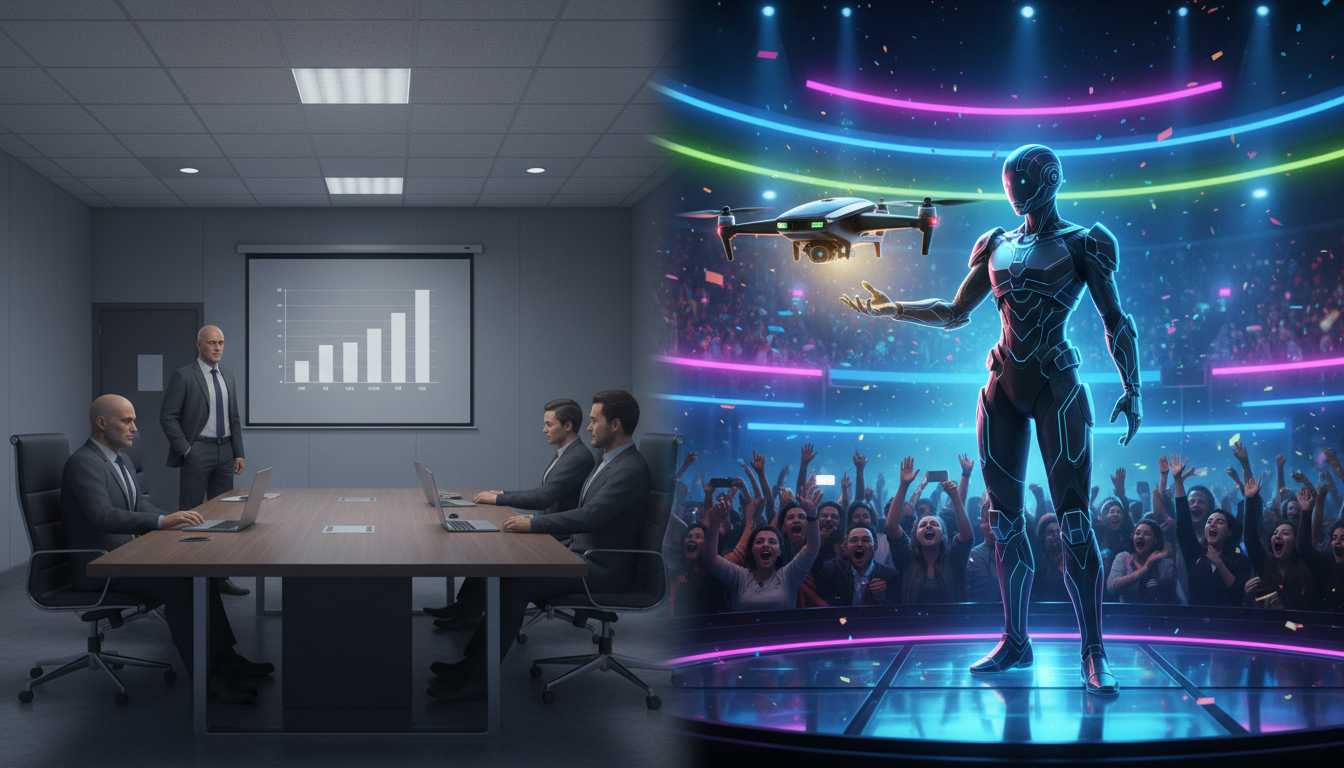
The traditional product launch video is in a state of terminal decline. For years, brands have relied on the same sterile recipe: a sleek close-up of a physical device, a serious voiceover explaining a minor technical feature, and a soft-rock backing track that sounds like royalty-free elevator music. But in a feed dominated by hyper-engaging creators and fast-moving memes, this formulaic problem-solution setup doesn't just fail to convert—it fails to even register with your target audience.
To break through the noise, modern marketers must shift their perspective from dry corporate tutorials to high-retention narrative entertainment. By tapping into existing fandoms and utilizing virtual icons, characters, and celebrity-style voices, brands can bypass the gatekeepers of traditional media. You do not need a multi-million dollar production budget or weeks of legal negotiations to build massive hype; you simply need to know how to channel pop-culture energy to create instant familiarity and trust.
Beyond the Corporate Explainer: Why Product Launches Need Pop-Culture Energy
The core issue with standard explainer videos is that they feel like homework. When a viewer scrolls past a video that immediately starts with a corporate spokesperson saying, "Are you tired of managing your daily tasks?", their brain instantly flags it as an advertisement and triggers an automatic skip. This is because traditional marketing asks the viewer to invest cognitive energy into learning about a new, unfamiliar tool before establishing any emotional connection.
Pop-culture alignment flips this dynamic entirely. When a viewer hears a highly recognizable voice or sees a character archetype they already love, their brain experiences an immediate shortcut. It bypasses the natural skepticism reserved for ads because the character brings pre-existing emotional equity to the screen. A nostalgic cartoon character, a legendary sports personality, or a sharp-witted anime protagonist acts as an instant hook, buying you precious seconds of attention that a generic actor never could.
This shift toward narrative entertainment is why smart brands are rethinking how to structure high-converting promo scripts that hook viewers instantly. Instead of explaining how a product works in a vacuum, you position the product inside a cultural moment. By leveraging Fanfun's library of virtual icons, you can create a universe where your product isn't just a utility, but a key plot device in a story your audience already wants to watch.
5 Creative Launch Video Frameworks That Stop the Scroll
Executing a character-driven launch requires a clear narrative hook. Here are five distinct, battle-tested video frameworks that utilize virtual icons to turn a standard product release into a cultural event.
Framework 1: The Fictional Endorsement
Instead of hiring a generic influencer, have an iconic character "unbox" or review your product. Imagine a brilliant, eccentric cartoon scientist examining your new productivity app, or a helpful, futuristic robotic character trying to solve a real-world problem with your software. The humor comes from how the character's specific personality quirks interact with your product's features. If you are launching a highly technical product, you can even try co-writing and brainstorming with nostalgic cartoon personas to find unique, whimsical angles that make complex features feel simple and charming.
Framework 2: The Pop-Culture Parody Roast
Self-aware humor is one of the most effective ways to build brand affinity on social media. In this framework, a virtual icon playfully critiques your industry's status quo, your competitors, or even your own product's development process. For example, a hard-boiled anime protagonist could deliver a dramatic monologue about how exhausting traditional project management tools are, setting up your product as the ultimate savior. When executing this, success lies in directing virtual icons for high-impact shoutouts that lean heavily into the character's signature catchphrases and dramatic delivery style.
Framework 3: The Simulated Press Conference
Structure your launch video as a chaotic, high-stakes press conference. Your founder or product lead stands at a podium, but instead of journalists asking questions, a panel of iconic pop-culture characters grills them from the crowd. A classic cartoon hero might ask if the product is safe from giant monsters, while a legendary sports coach demands to know if it can scale under pressure. This format allows you to address actual customer objections and FAQs in a highly entertaining, dynamic way.
Framework 4: The "Leaked" Voice Note Teaser
Build pre-launch mystery by releasing a video styled as a leaked screen recording of a mobile phone. The visual is simple: a messaging app interface showing an active audio wave. The audio features a highly recognizable, authoritative voice leaving a confidential message about your upcoming release. The character might warn a colleague that this new product is "too powerful" or hint at a secret feature. This low-fidelity, high-intrigue format is incredibly cheap to produce but boasts exceptionally high completion rates on platforms like TikTok and Instagram Reels.
Framework 5: The Multiverse Mashup
Show, don't just tell, how your product fits into different lifestyles by placing it in entirely different fictional universes. In a single 60-second video, cut between three distinct virtual characters using your product in their respective worlds. A fantasy warrior uses your budgeting app to track gold coins; a retro anime pilot uses your hardware to calibrate their mech suit; a classic detective uses your database to solve a mystery. This highlights the versatility of your product while keeping the visual pacing incredibly fast and engaging.
The Launch Scripting Blueprint: Hook, Tension, and the Virtual Co-Sign
A great launch script is not a feature list; it is a three-act play condensed into 30 to 60 seconds. To balance character authenticity with your product's value proposition, you must follow a structured narrative arc that keeps the audience entertained while driving them toward action.
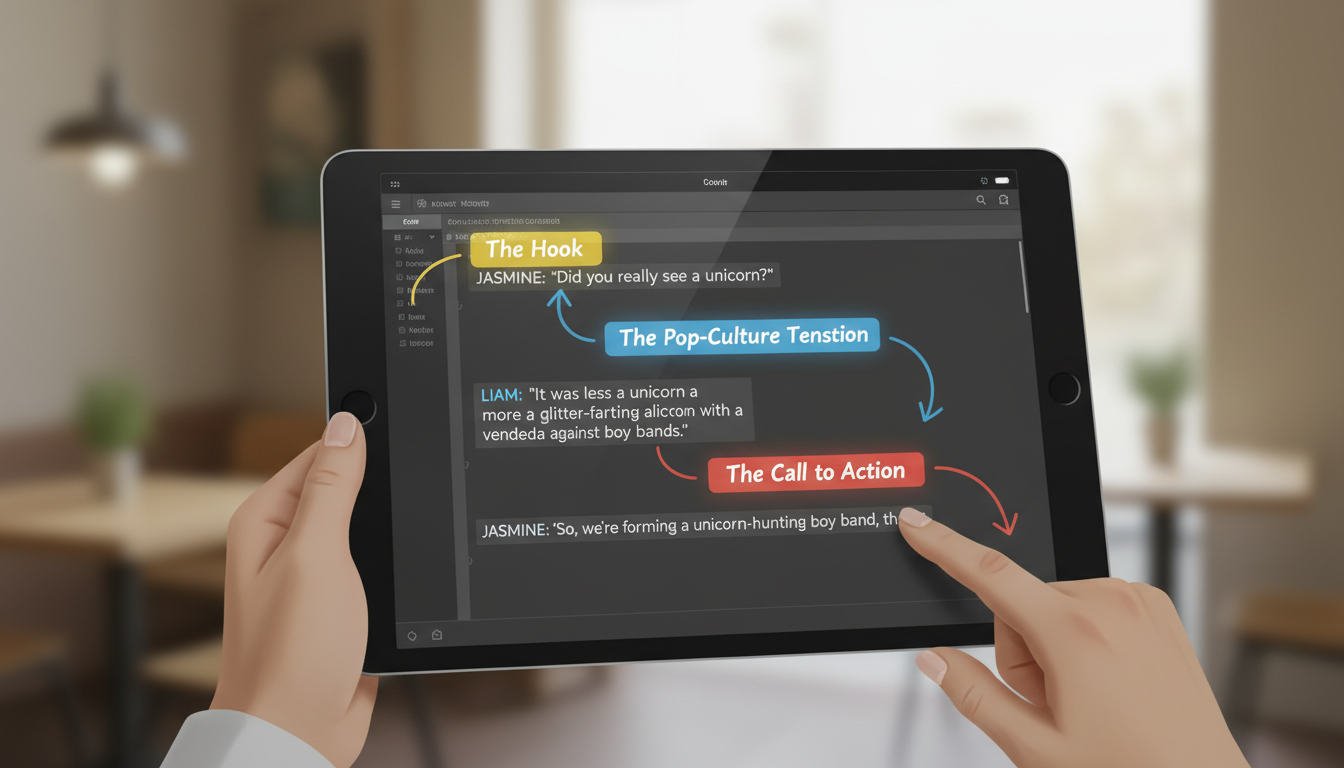
Structuring Your Narrative Arc
Every successful character-driven launch video relies on a three-step formula:
- The Hook (0-5 Seconds): Establish the familiar character voice and their immediate reaction to a specific situation. Do not introduce your product yet. Lead with the character's personality.
- The Tension (5-20 Seconds): Introduce the core problem through the character's eyes. The conflict must feel native to their universe but mirror the real-world pain point your product solves.
- The Virtual Co-Sign (20-45 Seconds): The character introduces your product as the ultimate solution, demonstrating its key value proposition in a way that aligns with their personality.
Using proven character script frameworks ensures that you do not accidentally make the virtual icon sound like a corporate sales representative, which instantly breaks the illusion and kills engagement.
| Metric | Traditional Explainer Script | Pop-Culture Infused Script |
|---|---|---|
| First 3 Seconds | "Are you struggling with X?" (High drop-off) | A recognizable icon in a dramatic situation (High retention) |
| Mid-Video Retention | Feature walk-throughs and UI screenshots (Boring) | Character banter, humor, and narrative tension (Engaging) |
| Shareability | Close to zero; only shared internally by teams | High; viewers share because of the comedy and fandom |
Scaling Your Video Campaign Without the Hollywood Price Tag
Historically, executing a campaign of this scale was impossible for indie brands, startups, and mid-sized agencies. Traditional celebrity endorsements require navigating talent agencies, paying high upfront fees, and signing restrictive contracts that limit where and how long you can use the content. If you wanted a fictional character, you had to deal with massive animation studios and licensing fees that easily crossed into six figures.
Fanfun completely changes this equation. As the leading AI platform for personalized celebrity and character videos, Fanfun allows you to generate high-quality video messages, custom voiceovers, and interactive content instantly and affordably. Instead of waiting weeks for a talent agency to approve a script, you can write, generate, and iterate on your launch videos in minutes.
This speed unlocks a massive competitive advantage: localization and hyper-segmentation. Instead of creating one generic launch video for your entire audience, you can use Fanfun to generate dozens of variations. You can target gamers with an anime protagonist voice, tech enthusiasts with an eccentric scientist character, and mainstream consumers with a legendary sports coach archetype. By tailoring the voice, tone, and cultural references to specific demographics, you multiply your conversion rates without multiplying your production budget.
How do you write a creative video script for a product launch?
To write a creative launch script, start with a cultural hook rather than a product feature. Establish a relatable conflict within the first five seconds using a familiar character archetype. Introduce your product as the ultimate tool that resolves this conflict, and close with a direct, character-aligned call to action that directs viewers to your landing page.
What is the best format for a product launch video?
The best format is short-form, narrative-driven vertical video (9:16) optimized for platforms like TikTok, Instagram Reels, and YouTube Shorts. These platforms reward high initial retention and shareability, both of which are naturally achieved by using recognizable virtual icons and self-aware humor rather than dry corporate explainers.
How can I use AI voices to promote my product launch legally and ethically?
When using AI voices for promotional campaigns, it is best to position the content clearly as a parody, creative interpretation, or virtual representation rather than claiming an official, direct endorsement from a real-life celebrity. Utilizing established, licensed platforms like Fanfun ensures your creative output aligns with ethical AI practices and platform guidelines.
How do you make a product launch video go viral on TikTok?
TikTok virality relies heavily on watch time and shares. To maximize both, use a highly recognizable voice in the first three seconds to stop the scroll, keep the edit fast-paced, and include a humorous or unexpected twist in the middle of the video. Avoid corporate jargon and make the video feel like a native piece of entertainment rather than a polished commercial.