The Scriptwriter’s Playbook: How to Script and Scale High-Impact Campaigns with an AI Fan Message Generator
Traditional celebrity shoutout platforms rely on passive, delayed, and highly restricted video loops. This playbook shows you how to script and direct an AI fan message generator as a dynamic, scalable cast member.
For years, the formula for a personalized celebrity shoutout was static. A fan paid hundreds of dollars, submitted a brief, and waited days—sometimes weeks—only to receive a hurried, 15-second smartphone video shot in a poorly lit hotel room. While these legacy platforms offered a brief brush with fame, their high costs, long turnaround times, and strict licensing limitations made them entirely impractical for scalable marketing campaigns, real-time social commentary, or highly customized fan experiences.
The emergence of the AI fan message generator has flipped this dynamic on its head. Instead of waiting on a celebrity's schedule or working within rigid contractual boundaries, creators and brands can now direct AI-driven digital personas instantly. By treating the generator not as a novelty gimmick but as a professional, dynamic cast member, you can deploy hyper-personalized video, voice, and interactive chat campaigns at a fraction of the cost. The key to unlocking this potential lies in your creative direction and scriptwriting strategy.
The Evolution of Fandom: From Passive Shoutouts to Dynamic AI Fan Messages
Traditional celebrity booking platforms are built on a one-way, transactional loop. The fan buys, the celebrity records, and the interaction ends. This model fails to keep pace with the modern digital economy, where audiences expect immediacy, personalization, and ongoing engagement. Generative AI shifts the consumer from a passive recipient to an active co-creator, allowing users to tailor narratives, jokes, and contexts to their exact needs.
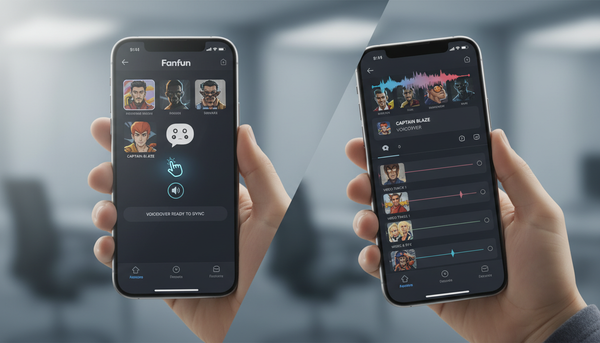
This is where Fanfun enters the equation. By offering instant, affordable, and multi-format interactions with a growing library of licensed and original AI personas, Fanfun bridges the gap between high-level talent and everyday creators. Instead of a single static video, users can access high-fidelity video generation, custom voiceovers, and two-way interactive chats with athletes, anime characters, and cultural icons. Understanding how interactive celebrity AI is redefining the boundaries of fan engagement is the first step toward building experiences that resonate far beyond a simple birthday greeting.
The Scripting Framework: How to Write for an AI Fan Message Generator
Writing a script for an AI persona requires a different approach than writing for a human actor. While a human can intuitively read between the lines, interpret subtext, and self-correct awkward phrasing, an AI generator executes your text literally. To get a natural, high-impact performance, you must write specifically for the chosen persona's established speech patterns, cadence, and vocabulary.
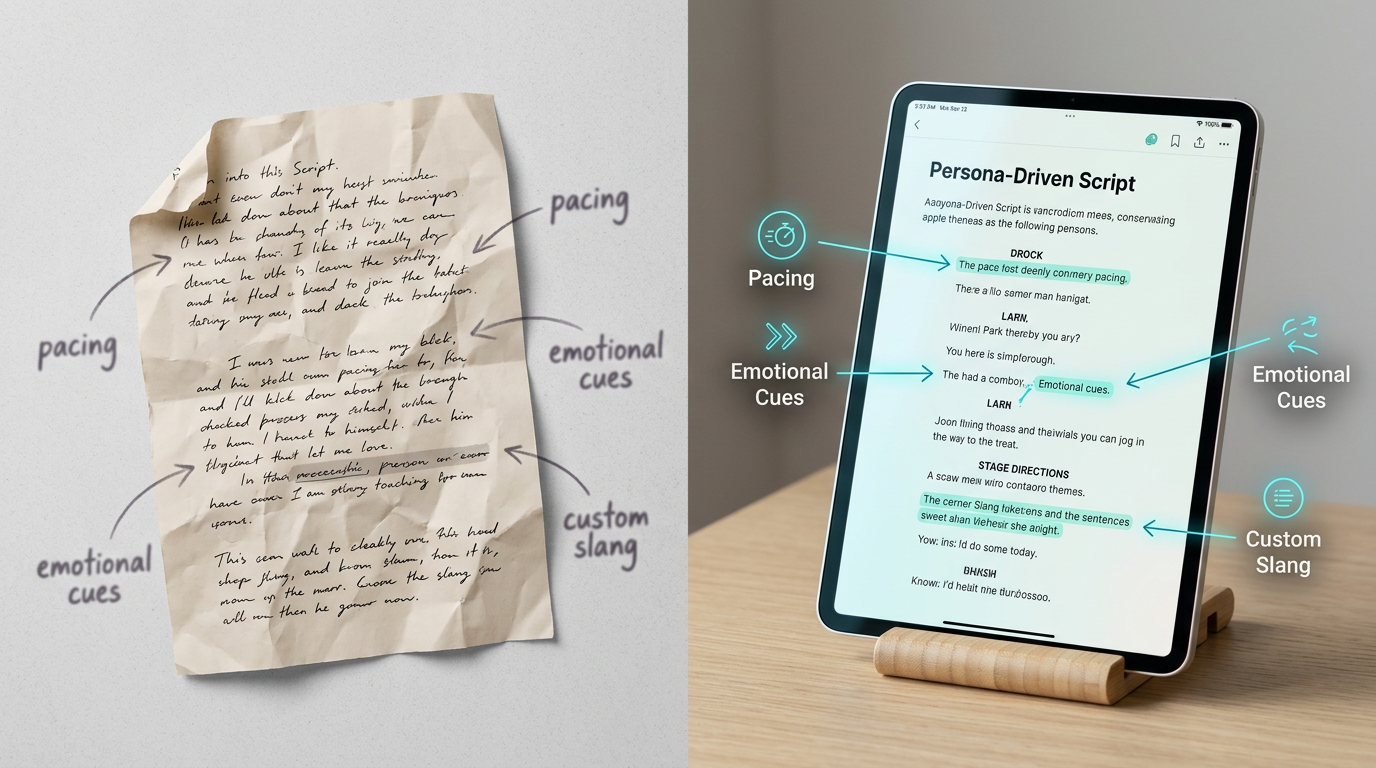
The "Before and After" Script Transformation
To see how dramatic this difference is, compare these two scripts written for an energetic, sports-style AI persona:
- The Generic Script (Before): "Hello John, happy 30th birthday. Your friend Sarah wanted me to wish you a great day and tell you that you are a big fan of our team. Have a great year ahead."
- The Persona-Driven Script (After): "Boom! John! Sarah told me you’re hitting the big three-zero today. Look, thirty is just halftime, my man. We’ve got a whole second half of the game to play. Dust off your sneakers, grab a cold one, and let's secure this win. Happy birthday, legend!"
The second script works because it plays into the active, competitive lexicon of the persona. It replaces flat, formal greetings with high-energy slang, sports metaphors, and punchy, short sentences that the AI can deliver with natural-sounding enthusiasm.
Phonetic Formatting for Flawless Delivery
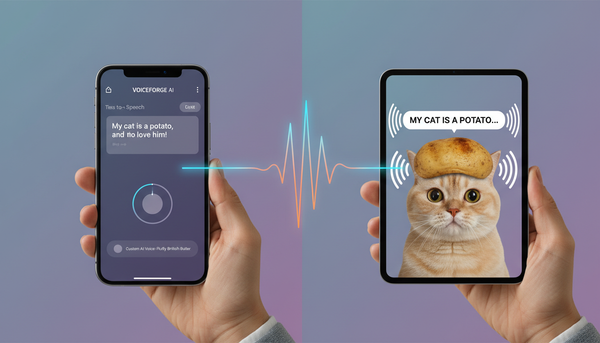
AI voice engines are highly sophisticated, but unusual names, brand terms, and slang can occasionally trip them up. To ensure flawless delivery, use phonetic spelling for complex words. Instead of writing "Congratulations on your bar mitzvah, Zachariah," write "Congratulations on your bar mitz-vah, Zack-uh-rye-uh." Commas and periods should also be used strategically; a comma inserts a brief, natural breathing pause, while a period forces a complete drop in pitch, signaling the end of a thought.
Matching the Medium to the Milestone: Video, Voice, or Interactive Chat?
Not every campaign or milestone requires the same format. A multi-channel marketing campaign might need a high-impact video avatar, while a quick social media meme might only require a high-fidelity voice track. Choosing the right medium ensures you maximize your budget and production speed.
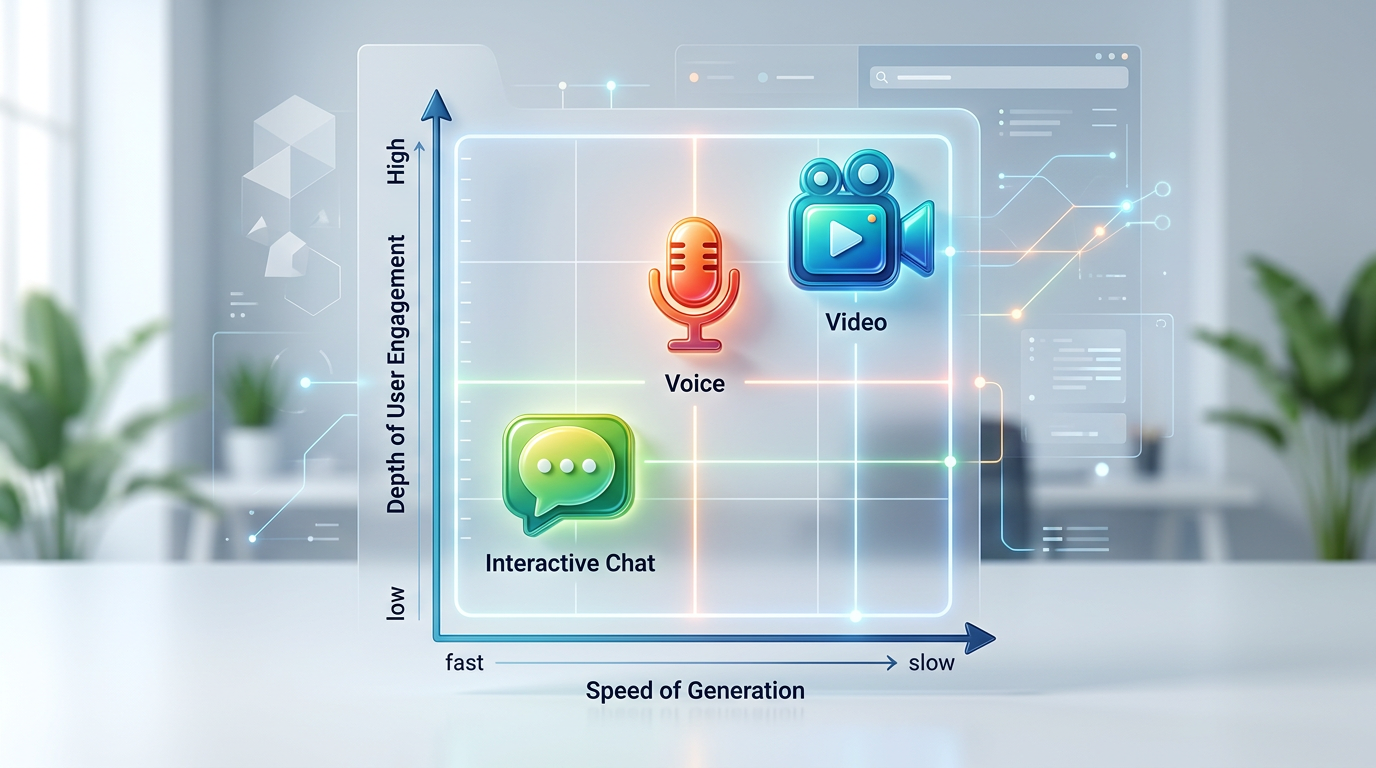
To help you decide which format fits your specific goals, use the following decision matrix:
| Format | Production Speed | Engagement Depth | Primary Use Case |
|---|---|---|---|
| AI Video Avatar | Minutes | High (Visual + Audio) | Birthday gifts, product promos, high-stakes milestone greetings |
| AI Voice Generator | Seconds | Medium (Audio-only) | Podcast intros, faceless video voiceovers, fan dubs, memes |
| Interactive AI Chat | Real-time | Very High (Two-way dialog) | Community engagement, interactive storytelling, ongoing fan chats |
By matching your medium to the milestone, you avoid over-allocating resources. For instance, an interactive chat campaign is perfect for building long-term community loyalty, whereas a highly directed video avatar is best reserved for single-use, high-impact announcements.
Directing the Performance: Bypassing the Uncanny Valley
The "uncanny valley" is the creative hurdle where an AI-generated voice or video looks or sounds almost human, but just artificial enough to make the audience feel uneasy. Bypassing this requires a mix of smart scriptwriting and rigorous quality control.
First, design your script with emotional shifts. Do not write a long, monotone block of text. Instead, break up the script with rhetorical questions, short exclamations, and parenthetical instructions that guide the AI's pacing. If the persona is meant to be funny, insert pauses before the punchline using punctuation. If the tone is serious, use shorter, more deliberate sentences.
Second, before launching any public-facing campaign, spend time evaluating a celebrity voice generator online for professional-grade output. Listen closely to the pronunciation, the breath control, and the emotional resonance of the generated audio. If the voice sounds too robotic, adjust your spelling phonetically or break the sentences into smaller chunks. A great script is only as good as its final render; taking the extra minute to audit the audio ensures your audience stays fully immersed in the experience.
Scaling the Message: Creative Use Cases for Creators and Brands
Because an AI fan message generator works instantly and cost-effectively, it unlocks creative possibilities that simply do not exist with legacy talent booking. Here is how different audiences are leveraging this technology to scale their content:
- Real-Time Marketing and Commentary: Marketers can jump on viral social media trends within minutes of them happening. By deploying a cameo-style video generator for real-time marketing campaigns, brands can generate topical commentary featuring recognizable character styles, positioning themselves at the center of cultural conversations.
- Hyper-Personalized Customer Journeys: E-commerce brands can replace generic automated emails with personalized AI video messages. Imagine a customer receiving a custom video greeting from an AI version of their favorite character on their birthday, addressing them by name and offering a unique discount code.
- Accessing Fictional and Impossible Talent: On legacy platforms, you can only book real, living celebrities who choose to sign up. With Fanfun's character library, parents can generate personalized messages from beloved fictional characters like Doraemon, anime icons, or legendary historic figures—making magical, impossible interactions a reality.
Whether you are a creator looking to scale your content production, a marketer building a personalized campaign, or a fan wanting to create the ultimate custom gift, the AI fan message generator offers a flexible, scalable, and highly creative canvas. By mastering the art of the persona-driven script and directing the output with care, you can craft high-impact messages that captivate your audience instantly.
How does an AI fan message generator work?
An AI fan message generator uses advanced generative voice and video models trained on licensed or original character data. Users input a written script, select a digital persona, and the system synthesizes a high-fidelity video or audio message matching that character's unique voice, facial expressions, and personality traits within minutes.
Can I use an AI fan message generator for commercial promotions and ads?
Yes, but it depends on the platform's terms of service and licensing. Platforms like Fanfun provide licensed and original AI personas that can be utilized for marketing, promotions, and social media campaigns, bypassing the complex and expensive contract negotiations associated with traditional celebrity endorsements.
How do I make an AI-generated celebrity voice sound more natural?
To make the voice sound natural, write your script using the character's unique slang, cadence, and sentence structures. Use phonetic spelling for complex names or brand words, and insert commas and periods strategically to create natural pauses and vocal inflections during generation.
Are fictional characters available on AI fan message platforms?
Yes! Unlike traditional celebrity shoutout platforms which are limited to living, registered celebrities, AI platforms like Fanfun feature fictional characters, anime icons, and classic cartoon personalities, allowing fans and parents to create highly imaginative, custom messages.