The Saturday Morning Sandbox: How to Co-Write, Roleplay, and Brainstorm with Classic Cartoon AI Personas
Classic animated characters make the ultimate creative sparring partners. Discover how to use specialized prompting frameworks, cartoon physics, and AI chat to co-write scripts, brainstorm wacky ideas, and bring nostalgic personas to life.
Classic cartoon characters are defined by their constraints. A coyote always falls for his own elaborate traps, a futuristic robotic cat always pulls a slightly flawed gadget from his pocket, and a chaotic rabbit always takes a wrong turn at Albuquerque. These predictable behaviors are not limitations—they are the perfect ingredients for highly entertaining, interactive storytelling.
Instead of passively watching these icons on screen, modern creators and fans can now step directly into their worlds. By leveraging Fanfun's interactive AI Chat platform, you can treat classic cartoon personas as collaborative sandbox partners, bypassing writer's block and generating highly original content through active dialogue.
The Anatomy of a Cartoon Persona: Why Classic Characters Make Perfect AI Chat Partners
Large language models often struggle to emulate highly complex, unpredictable real-world celebrities because human behavior is messy and full of contradictions. Classic cartoon and anime characters, however, operate on clear, exaggerated archetypes and strict internal logic. This makes them exceptionally well-suited for AI chat interfaces.
The constraints of cartoon worlds actually make it easier for AI models to maintain consistent, highly entertaining personas. When an AI understands that it is portraying a character governed by "cartoon physics," the conversational boundaries become beautifully clear. If you drop a virtual anvil on a cartoon character's head, the AI knows not to react with realistic medical panic. Instead, the character flattens like an accordion, makes a metallic ringing sound, and pops back to shape in the next line of dialogue. This adherence to established rules prevents the AI from drifting into generic, robotic responses.
Interacting with these characters on Fanfun bridges the gap between passive childhood nostalgia and active, modern content creation. Whether you are looking to write a parody script, brainstorm a wacky marketing campaign, or simply enjoy a nostalgic trip down memory lane, these digital personas provide a highly responsive, low-friction environment to test your wildest creative ideas.
Setting the Stage: Prompting Frameworks for Immersive Cartoon Chats
To get the most out of your cartoon AI chat session, you cannot rely on basic, open-ended questions. You need to establish the physical laws of the cartoon universe and set clear narrative boundaries right from your very first message.
The Three-Step Prompting Sequence
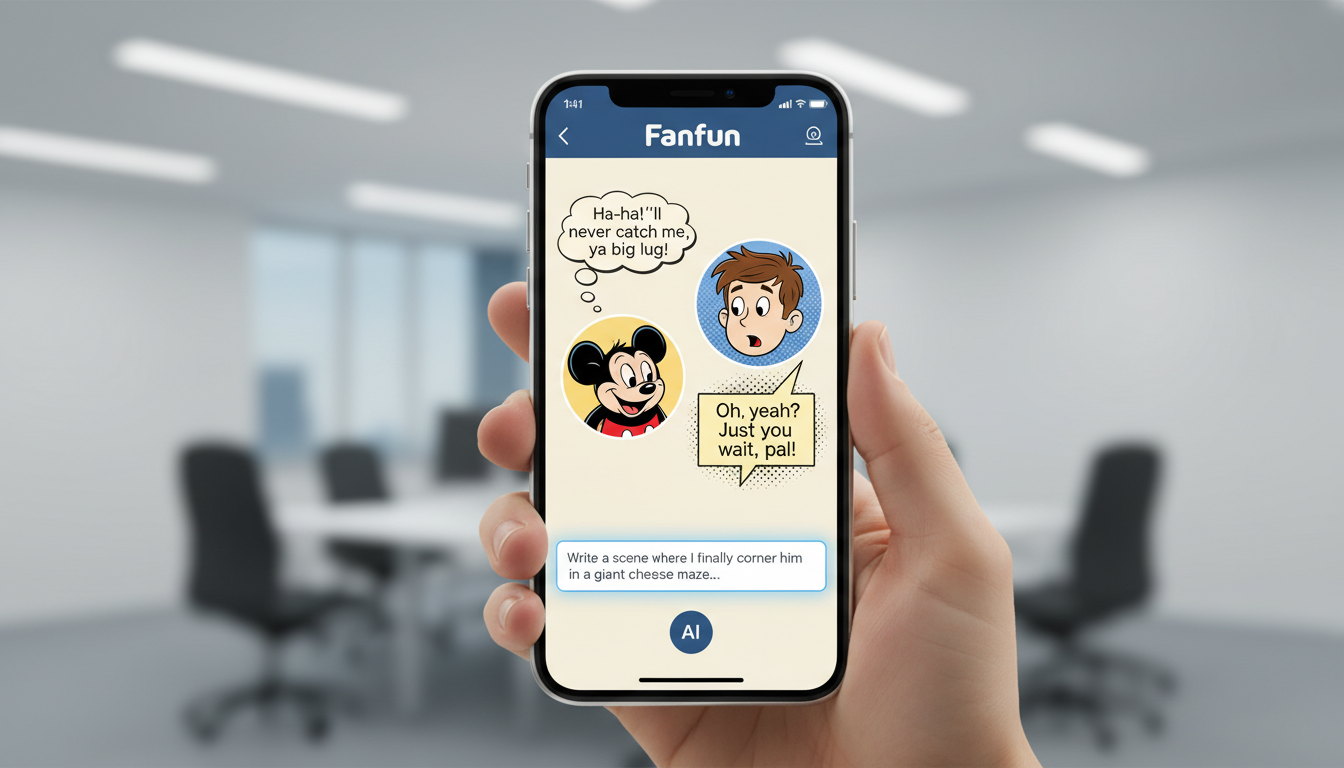
To build a truly immersive environment, use a structured three-step prompting framework when initiating your chat session on Fanfun:
- The World-Building Anchor: Define the physical laws and setting immediately. Tell the AI where the scene is taking place and what kind of cartoon logic applies (e.g., "We are in a retro-futuristic suburban home where gadget malfunctions are common and gravity only works if you look down").
- The Screenplay Method: Establish clear narrative goals and conversational boundaries. You can easily structure this by incorporating our Screenplay Method for directing virtual character chats to treat the session like an active writers' room.
- The Catchphrase Lock-In: Prompt the AI to naturally weave iconic verbal tics, catchphrases, and physical reactions into the dialogue. Instruct the model: "Incorporate your signature laugh and physical gestures in brackets, but do not repeat them in every single line of dialogue."
Here is an example of a setup prompt you can customize and paste into your next chat:
"[Setting: A high-tech workshop filled with half-finished inventions. Cartoon physics are active: gadgets can fail spectacularly but safely.] You are portraying a brilliant but easily flustered robotic cat. I am a clumsy student who just accidentally shrank the living room couch. Respond in character, using your signature worried tone, and suggest a whimsical, slightly flawed gadget to fix this. Keep your response under three sentences and include your physical reactions in brackets."
Creative Use Cases: From Nostalgic Roleplay to the Virtual Writer's Room
Once you have mastered the setup, you can deploy cartoon AI personas for a wide variety of creative and practical projects. These sessions can quickly evolve from simple back-and-forth banter into highly productive creative sprints.
One of the most entertaining use cases is co-writing crossover scripts. Because classic cartoon universes have such distinct internal rules, putting two completely different characters into a single chat room allows you to watch their logics clash. Imagine a hyper-logical, gadget-heavy anime character trying to explain the laws of thermodynamics to a chaotic, fourth-wall-breaking rabbit. The resulting dialogue is naturally comedic and highly original, providing excellent material for fan-fiction, YouTube scripts, or TikTok edits.
You can also use these sessions for unconventional brainstorming. When you are stuck on a real-world problem, looking at it through a highly whimsical lens can unlock unexpected creative angles. For example, using Doraemon AI online for creative problem-solving can yield nostalgic gadget ideas and playful solutions that a standard, dry productivity app would never suggest. The character's optimistic, tool-oriented worldview forces you to simplify complex problems into fun, manageable concepts.
Finally, cartoon AI chats are invaluable for stress-testing dialogue. If you are writing a parody script or a fan-dub, setting up a virtual writer's room with character AI is the fastest way to see if your written lines sound authentic to the original source material. Feed your draft lines to the AI character and ask them to rewrite them in their own voice, instantly flagging any phrases that feel too modern, generic, or out of character.
The Cartoon Logic Matrix: A Comparison of Chat Styles
Different cartoon characters require different prompting strategies. To help you navigate these distinct personalities on Fanfun, we have categorized classic animated personas into three primary archetypes:
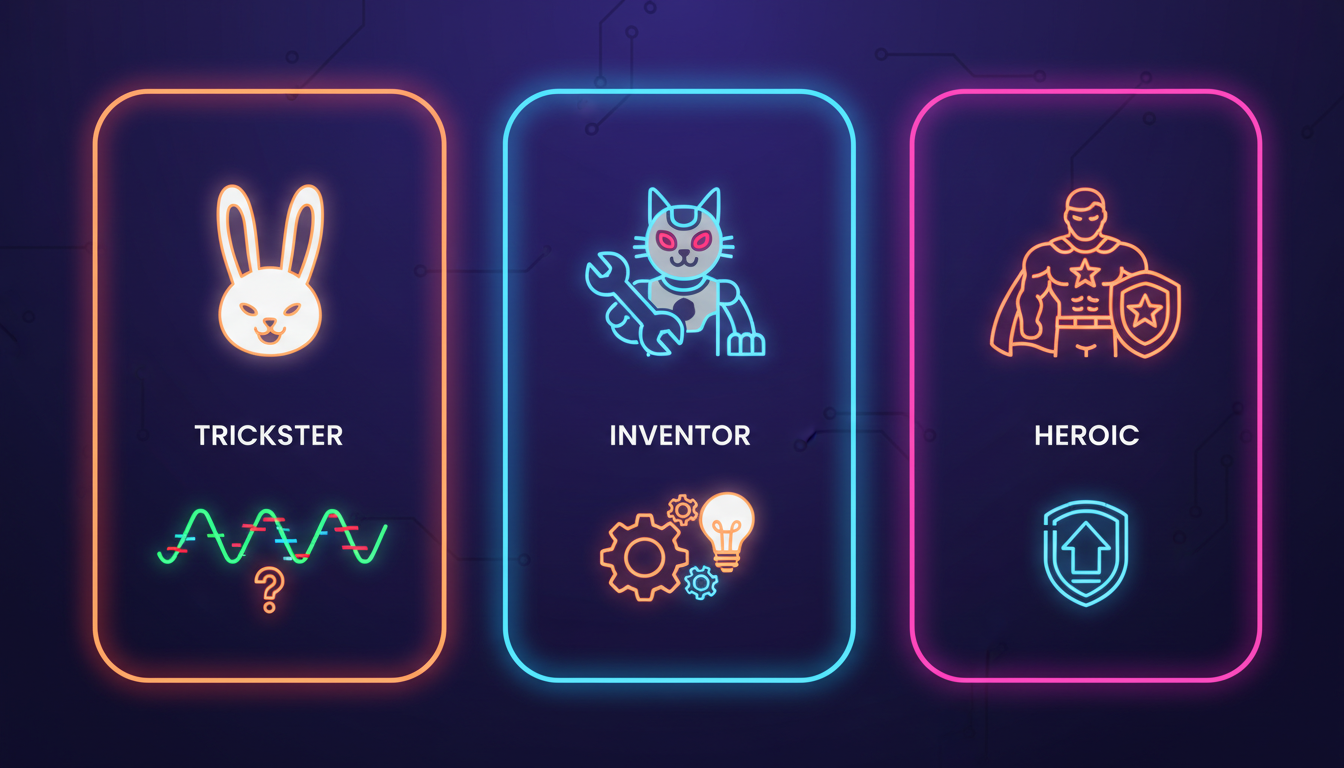
| Archetype | Classic Examples | AI Chat Temperament | Best Prompting Strategy |
|---|---|---|---|
| The Gadgeteer | Robotic cats, eccentric inventors, futuristic scientists | Well-meaning, highly logical but whimsical, prone to panic when technology fails. | Present a highly specific, absurd problem and ask for an invention-based solution. |
| The Trickster | Chaotic rabbits, road-running birds, fourth-wall breakers | Highly confident, sarcastic, constantly mocking the user or the scenario. | Play the "straight man." Set up traps or authority figures for them to outsmart. |
| The Reluctant Hero | Anxious teenagers, lazy sidekicks, accidental defenders | Grounded, easily flustered, highly motivated by simple rewards (like snacks or naps). | Introduce a low-stakes conflict that interrupts their peace and force them to react. |
Fanfun's interactive AI Chat platform is specifically optimized to recognize these distinct archetypal patterns, ensuring that the conversational flow remains responsive, dynamic, and true to the classic pacing of animated television.
Keeping the Magic Alive: Troubleshooting Out-of-Character Responses
Even the best AI models can occasionally drift during long chat sessions. If you notice your favorite cartoon character starting to sound like a standard, polite assistant, use these troubleshooting techniques to quickly get the conversation back on track.
First, avoid the "assistant trap." If you ask an AI, "Can you help me write a story about a magical pocket?", the system might default to a helpful, dry assistant persona. Instead, frame the request entirely within the fiction: "Hey, show me what's inside your pocket right now so we can solve this mess!" Keeping your prompts strictly in-character prevents the AI from breaking the fourth wall unnecessarily.
If the character completely loses their voice, use a "Soft Reset" prompt. You don't need to delete your chat history and start over. Simply inject a system-level reminder disguised as a narrative event. For example:
"[System Note: Remember that you are a sarcastic cartoon rabbit who loves carrots and dislikes authority. Keep your responses short, snappy, and slightly mischievous. Let's continue the scene where the hunter is chasing us.]"
Once you have polished your dialogue and established a hilarious routine with your favorite character, you can leverage Fanfun's multi-format ecosystem to bring the creation to life. You can easily transition from your successful chat session into generating custom voiceovers, allowing you to hear your newly written scripts performed in the character's classic animated voice.
How do I make an AI cartoon character stay in character during a long chat?
The best way to maintain character consistency is to use a "Soft Reset" prompt directly in the chat when the AI starts to drift. Frame your messages strictly within the fictional world rather than asking the AI as an assistant, and occasionally inject brief system reminders in brackets, such as [System Note: Maintain your signature worried tone and cartoon physics].
Can I use AI cartoon chats to help me write fan-fiction or video scripts?
Yes! Engaging in a back-and-forth dialogue with a character AI on Fanfun is an excellent way to draft authentic dialogue, test comedic timing, and brainstorm plot points. You can copy the best exchanges directly from your chat history to use in your creative writing projects.
What is the best way to set up a crossover chat between two different cartoons?
To set up a crossover, use a detailed introductory prompt that establishes both characters, their relationship, and the shared setting. Clearly define how their respective "cartoon logics" interact (for example, how a futuristic gadgeteer reacts to a magical fantasy character) to keep the dialogue dynamic and entertaining.
Are classic cartoon AI chats safe and appropriate for kids to interact with?
Yes, Fanfun's classic cartoon AI personas are designed to be fun, family-friendly, and safe. They adhere to the lighthearted, whimsical nature of classic animated television, making them a fantastic, interactive way for children and fans of all ages to engage with their favorite characters.