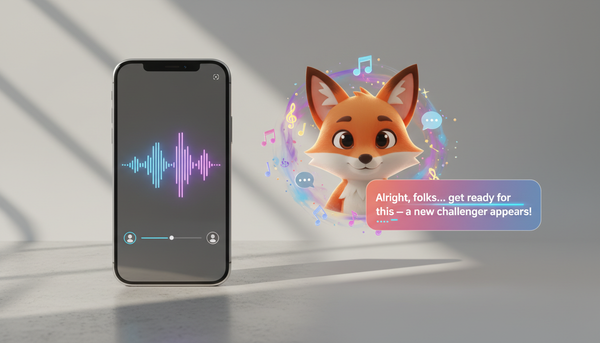
How to Write Promo Scripts for Fictional Character Voices
Forcing a corporate pitch into a fictional mouth never works. Discover how to balance character-driven marketing, access three customizable archetype templates, and learn how to format your scripts to get high-quality, natural-sounding AI voice outputs.
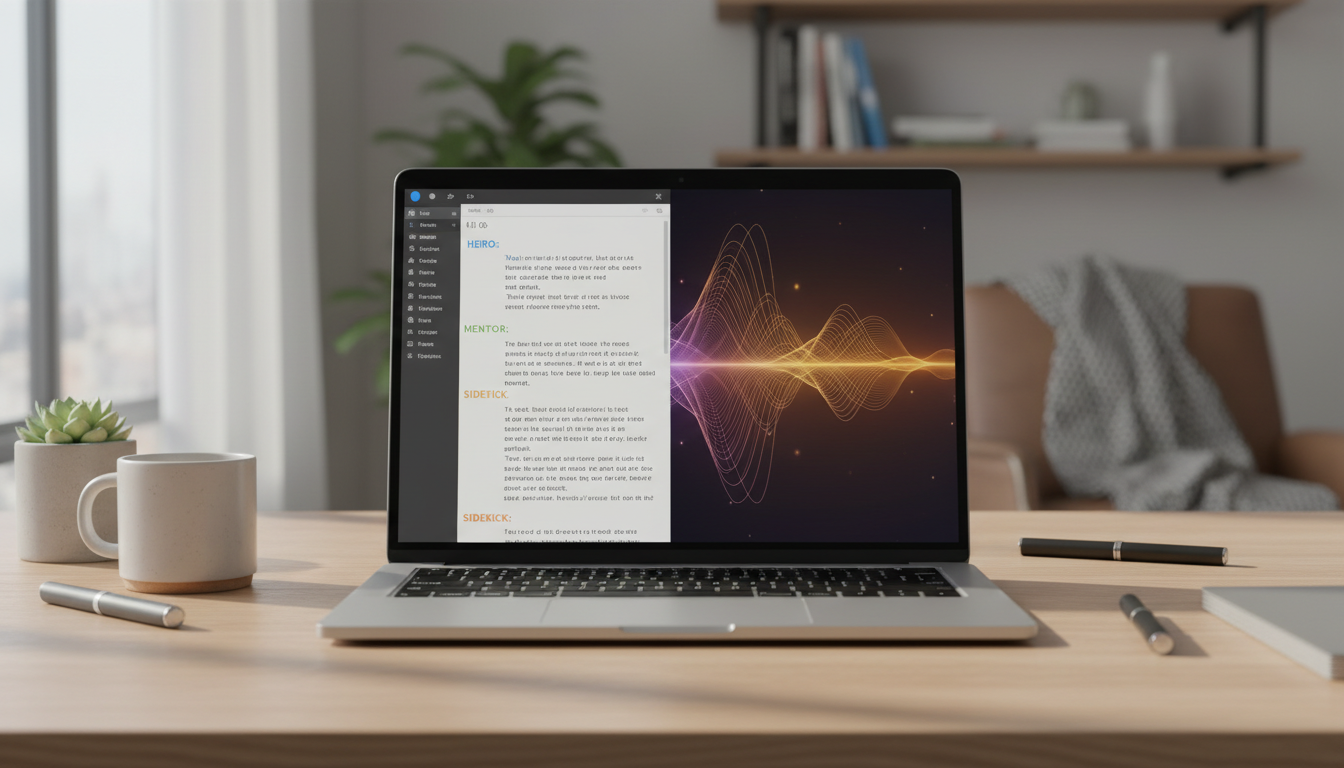
To write a successful promotional script for fictional character voices, you must prioritize character-first storytelling over standard sales copy. An effective character promo balances establishing the character's distinct personality, humor, and worldview with the actual product pitch. This approach keeps the content engaging and authentic, preventing the voiceover from sounding like a forced corporate ad read. However, when using AI-generated voices for commercial or promotional purposes, creators must stick to generic archetypes rather than copyrighted intellectual property to avoid legal liabilities.
The Golden Rule: Character First, Pitch Second
The most common mistake in character-driven marketing is forcing a corporate pitch directly into a fictional character's mouth. When a character suddenly starts reciting bullet points about cloud storage or subscription models, the illusion breaks instantly. Audiences tune out because the content feels like an intrusive advertisement rather than an entertaining piece of media.
To prevent this, focus heavily on the character's unique worldview, tone, and humor before introducing the direct marketing hook or call to action. By framing the product through the lens of the character's daily struggles or unique logic, the transition feels earned and entertaining.
Consider the difference between these two illustrative approaches:
- The Generic Ad Read: "Are you tired of slow internet? Upgrade to Lightning Fiber today for only forty-nine dollars a month and experience blazing-fast speeds."
- The Character-First Alternative: "My wizard tower has been hit by three separate lightning spells this week, and yet my crystal ball still takes ten minutes to load a simple scrying spell. If you are also tired of waiting for your magical portals to buffer, it is time to ditch the ancient runes and try Lightning Fiber. Even my familiar agrees it is faster than a teleportation circle."
On Fanfun, creators can instantly bring these written scripts to life using the AI Celebrity Voice Clone & Video Generator to create custom AI videos in minutes. Because these videos rely on the rhythm of your written text, understanding how to balance personality with your marketing goal is essential. If you want to dive deeper into this balance, you can learn how to use fictional character voices for brand promos without sounding gimmicky.
Three Safe Archetype Templates for Brand Promos
Using generic archetypes allows you to capture the nostalgia and charm of beloved genres without infringing on protected intellectual property. Below are three highly effective, legally safe character archetypes along with customizable script templates. For a more comprehensive look at drafting these narratives, refer to our step-by-step guide on how to write a script for an AI character video. If your campaign leans heavily into humor, you can also study how to write funny parody voiceover scripts for social media edits to master the timing of comedic beats.
1. The Over-Enthusiastic Hero
This archetype approaches everyday problems with dramatic, high-stakes intensity. They treat the product as a legendary relic or a crucial quest item.
"Halt, traveler! The dark forces of... disorganized spreadsheets have plagued our kingdom for too long. But fear not! I have returned from the digital abyss with a legendary artifact: TaskGrid. With its mystical automated workflows, we shall conquer our deadlines and restore peace to the marketing department! Click the link below, and join my guild today!"
2. The Grumpy Realist
Relatable, deadpan, and deeply cynical, this character points out the absurdity of traditional advertising while begrudgingly admitting that your product is actually worth using.
"Look, they paid me to talk about this coffee brand. Usually, these ads are full of people smiling while drinking lukewarm bean water. I am not going to do that. But I will say this: I drank three cups of RoastMaster this morning, and I actually managed to survive a two-hour budget meeting without falling asleep. If it can keep me awake, it can probably help you too. Or don't buy it, see if I care."
3. The Wise Mentor
Calm, philosophical, and slightly eccentric, the Wise Mentor offers deep life advice that seamlessly (and comically) bridges into the product’s key benefit.
"My student, you search for peace in a world of constant notifications. You ask me how to quiet the mind. The answer is simple: you must silence the chaos of your inbox. I used to spend hours sorting spam, until I discovered MailShield. It filters the noise so you can focus on the eternal present. Or at least get through your workday by five o'clock. Go forth, and find your focus."
Archetype Comparison Matrix
| Archetype | Typical Pacing | Ideal Industries | Tone Markers |
|---|---|---|---|
| Over-Enthusiastic Hero | Fast, energetic, dramatic pauses | Gaming, apps, fitness, productivity tools | Grand vocabulary, exclamation points, urgent delivery |
| Grumpy Realist | Slow, deadpan, heavy sighs | B2B software, finance, everyday consumer goods | Sarcastic remarks, dry delivery, minimal enthusiasm |
| Wise Mentor | Measured, deliberate, calm | Education, wellness, organization, books | Philosophical questions, gentle humor, soft transitions |
Navigating Legal and Ethical Boundaries in Character Marketing
When writing promotional scripts, navigating intellectual property (IP) boundaries is critical. While a personal parody or meme might fall under fair use, commercial advertisements face much stricter legal standards. To keep your campaigns compliant, follow these three rules:
- Focus on Archetypes, Not Specific IP: Do not use trademarked names, copyrighted catchphrases, or specific fictional universes in your script. Write for a "space wizard" or a "cyberpunk detective" rather than a specific movie or game character.
- Include Clear Disclaimers: Always maintain transparency with your audience. Add prominent on-screen text and a brief audio disclaimer stating that the voiceover is an AI parody or interpretation, and is not an official endorsement by any real individual or studio.
- Avoid Misrepresentation: Never write a script that falsely claims a real person, celebrity, or protected brand officially endorses your product. The script should clearly present itself as a creative, fictionalized piece of entertainment.
Formatting Your Script for Natural AI Voice Delivery
Writing for an AI voice generator requires a different approach than writing for a human actor. AI models rely heavily on your punctuation and spelling to determine their cadence and pronunciation. To get the best results, use these formatting techniques:
- Force Natural Pauses with Punctuation: AI voices often read text too quickly if there are no punctuation cues. Use ellipses (...) to create a dramatic pause, or dashes (—) to simulate a sudden shift in thought. For example, writing "The secret is... simplicity" will sound much more natural than "The secret is simplicity."
- Use Phonetic Spelling for Brand Names: If your brand name or product has a unique spelling, the AI might mispronounce it. Write out the name phonetically in your script draft. If your company is named "Xylos," you may need to format it as "Zy-loss" in the script editor to ensure correct pronunciation.
- Run Iterative Test Renders: Do not generate a massive script all at once. Break your script into small sentences or paragraphs and run short test renders. This allows you to hear how the character's specific cadence handles the rhythm of your words before committing to the final export.
For more detailed tactical advice on perfecting your audio output, check out our guide on how to format scripts for better AI character video outputs. Once your script is polished and rendered, you can also learn how to add custom fictional character voices to TikTok videos to maximize your campaign's social reach.
Do I need a commercial license to use character voices in social media ads?
Yes. If you are running paid social media advertisements, you must ensure you have the appropriate commercial rights for the voice and visual content used. For organic posts, rules are generally more relaxed under parody and fair use guidelines, but you should always review the terms of service of your AI voice generator and include clear disclaimers to maintain transparency.
How long should a character promo script be for TikTok or Instagram Reels?
For short-form platforms like TikTok and Reels, aim for a script length of 30 to 60 seconds, which translates to roughly 75 to 150 words. Because character-driven scripts require extra time to build personality, keeping the script concise and fast-paced ensures you hook the viewer before they swipe away.