The Fandom Co-Creation Blueprint: How to Direct AI Fandom Video Generators for Lore, Memes, and Community Milestones
Fandom is no longer a passive, one-way street of consuming media. With AI fandom video generators, fans and creators are transitioning into co-creators who build interactive lore, custom crossover events, and hyper-specific community memes.
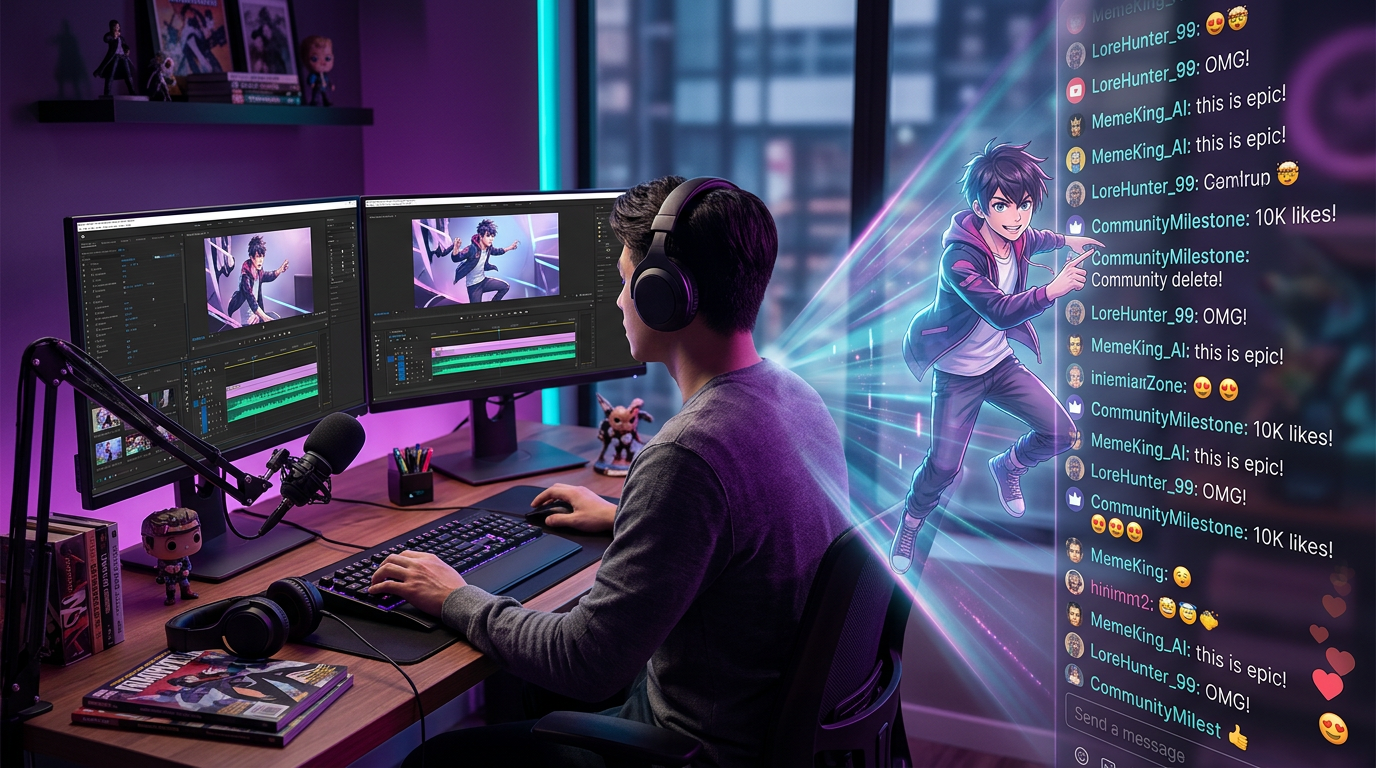
Fandom has entered a highly collaborative era. It is no longer enough to simply watch a show, play a game, or read a comic; modern fans want to live inside the world, shape its narratives, and interact with their favorite personalities in real-time. The traditional boundaries between creator and audience have dissolved, replaced by a dynamic where communities actively build upon the stories they love.
This shift has turned passive consumers into digital directors. Using advanced AI video generators, creators are now producing deep-lore discussions, custom crossovers, and hyper-local community memes that once required massive animation budgets or months of manual editing. By understanding how to direct these tools effectively, you can elevate your community engagement and produce content that resonates deeply with fellow fans.
Beyond Passive Fandom: The Rise of the Co-Created Universe
For decades, fandom expression was limited by the tools available. Fans wrote fanfiction, drew fan art, and occasionally edited together complex "anime music videos" (AMVs) using clips sliced from DVDs. While these mediums showed immense passion, they were fundamentally static or limited by existing footage. If you wanted a beloved character to speak directly to your gaming guild or react to a major plot twist in a different series, you were out of options.
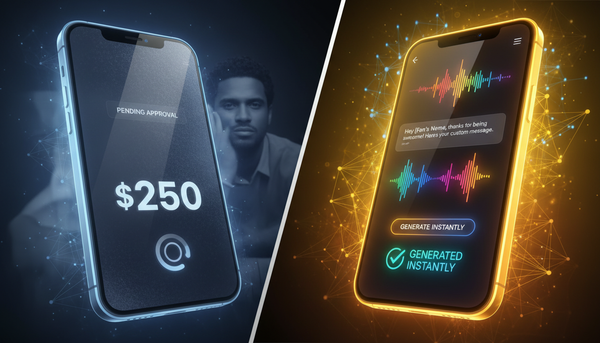
Traditional celebrity shoutout platforms did little to bridge this gap. They restricted users to static, pre-recorded messages from a limited pool of real-world celebrities, often accompanied by high price tags and long turnaround times. Fictional characters, anime icons, and gaming legends remained entirely out of reach.
Fanfun breaks these boundaries by offering an instant, affordable AI platform where users can generate custom video messages, voiceovers, and interactive chats with both real-world icons and fictional characters. Instead of waiting days for a generic greeting, creators can instantly generate tailored, high-substance content that addresses specific community memes or lore developments. This capability transforms fandom from a one-way consumption model into a co-created universe, giving communities on TikTok, YouTube, and Discord the power to direct their own narrative expansions.
The Scriptwriting Rules for Fandom Lore
The key to a believable AI fandom video is capturing the character's unique linguistic DNA, not just copying their voice. If an AI interpretation of a dark fantasy wizard sounds like a standard corporate spokesperson, the illusion breaks instantly. For a comprehensive look at casting and scripting virtual personalities, check out our guide on directing an AI character video generator.
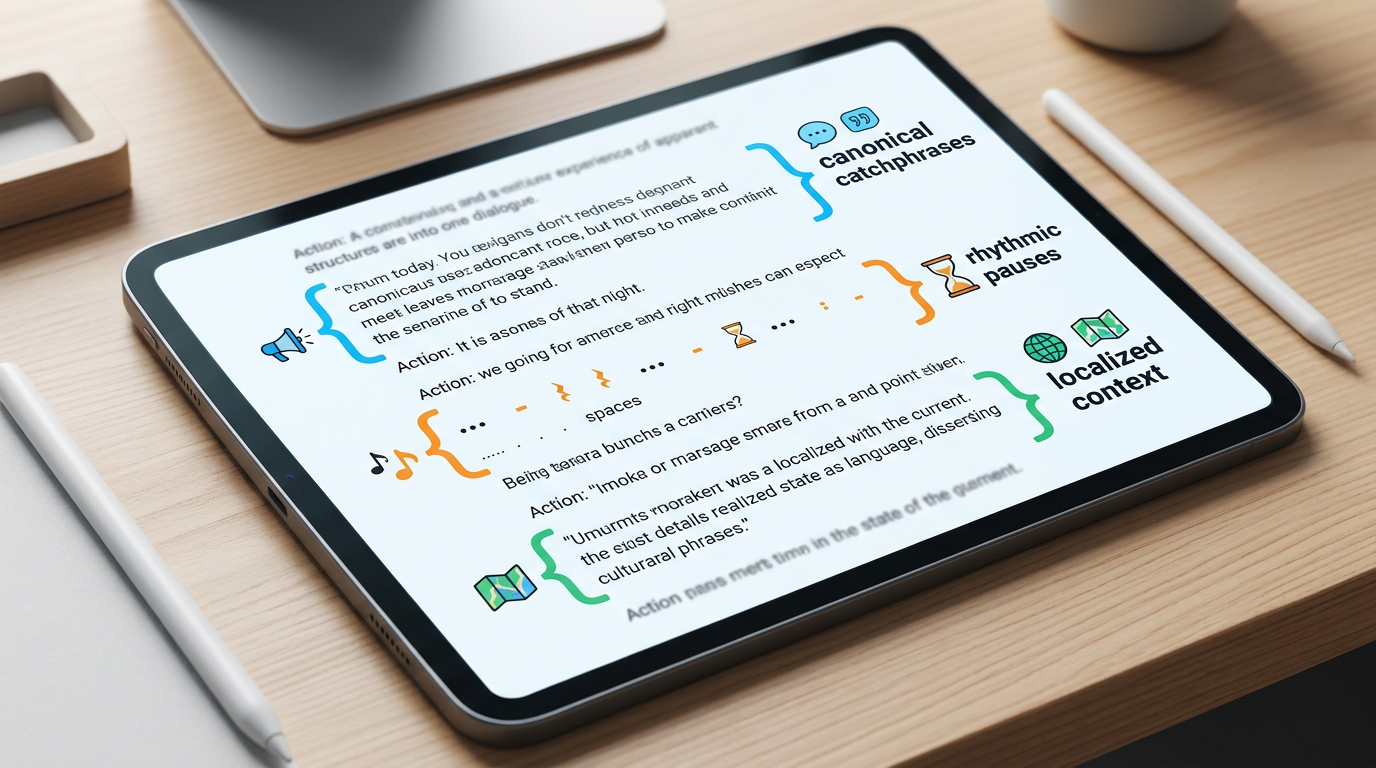
To write scripts that satisfy hardcore fans, you must balance canonical catchphrases with highly specific, localized modern context. The goal is to make the character sound exactly like themselves, even when discussing topics that do not exist in their official universe.
Rule 1: Master the Catchphrase and Cadence
Every iconic character has a rhythmic signature to their speech. Before writing your script, analyze their sentence structure. Do they speak in short, punchy fragments, or do they favor long, dramatic monologues? A stoic space marine might use minimal words and highly formal military jargon, while a chaotic anime anti-hero might speak in rapid, erratic bursts with frequent rhetorical questions.
To translate this into the AI generator, identify signature verbal tics, sighs, or laughter patterns. If a character is known for a specific grunt, a dramatic pause, or a recurring piece of slang, insert those elements strategically. Do not overdo it—sprinkling these traits naturally throughout the script yields a far more convincing performance than forcing a catchphrase into every single sentence.
Rule 2: Respect the Canon (But Bend the Context)
The most engaging fandom videos preserve the character's core motivations and personality traits, even when placing them in absurd or highly specific modern scenarios. If you are directing a powerful, brooding villain to deliver a birthday roast or a gaming tournament announcement, they should not suddenly become cheerful and friendly. Instead, they should deliver the modern news with the same dramatic gravity and dark intensity they would use when plotting world domination.
This contrast is where the comedy and engagement live. Having an ancient, all-powerful sorcerer passionately debate mundane modern topics—such as office etiquette, bad driving, or a friend's terrible gaming strategies—creates a hilarious juxtaposition while keeping the character's identity intact. Respect the canon of who they are, but aggressively bend the context of what they are talking about.
Three High-Impact Video Formats for Fan Communities
When creating content for digital communities, choosing the right format determines how your audience will interact with it. Different formats serve different community needs, from driving viral traffic to reinforcing internal community bonds.
Here are three high-impact formats that leverage the power of co-creation:
- The Crossover Meme: Putting characters from entirely different universes into a single conversation. This format sparks intense fan debate and highly shareable social moments. To learn how to pair these characters with trending social media clips, refer to our AI reaction video generator playbook.
- The Lore What-If: Creating short-form hypothetical scenarios that resolve long-standing fan debates or explore alternate timelines. This format appeals directly to the core fandom's deep knowledge base.
- The Hyper-Specific Community Shoutout: Generating custom milestones, roasts, or greetings tailored to your specific gaming guild, Discord server, or friend group. If you are looking to scale highly personalized messages for your community, read our AI shoutout video generator guide.
| Video Format | Production Difficulty | Viral Potential | Best Use Case |
|---|---|---|---|
| The Crossover Meme | Medium | Very High | TikTok, YouTube Shorts, and broad social reach. |
| The Lore What-If | High | High | Subreddits, dedicated lore channels, and fan forums. |
| Community Shoutout | Low | Medium (High within niche) | Discord servers, Twitch streams, and guild milestones. |
Directing the AI: How to Prompt for Emotional Range and Pacing
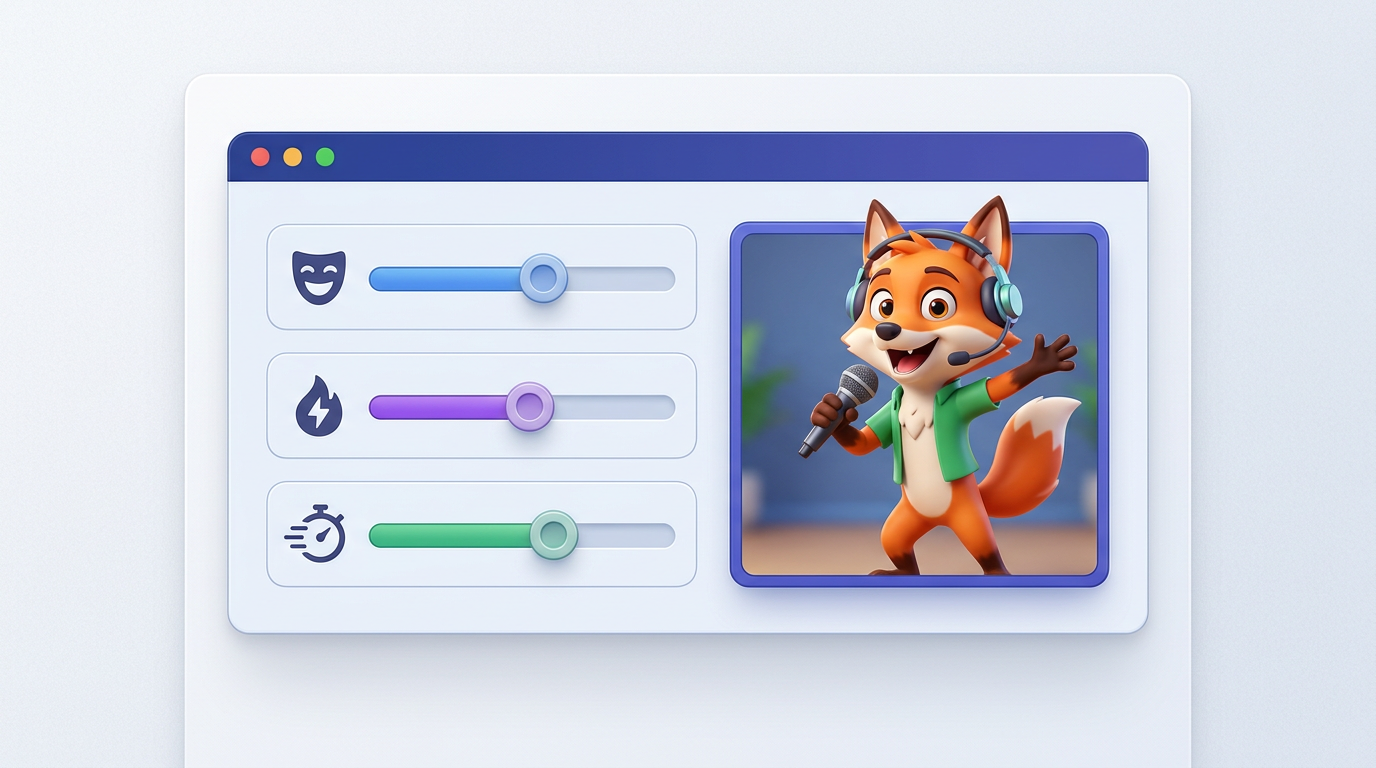
Directing an AI video generator requires a shift in how you think about punctuation and text formatting. AI models interpret punctuation marks as physical cues for breathing, pacing, and emphasis. To get a natural-sounding performance, you must write for the ear, not the eye.
Use commas to force short, natural pauses, and ellipses (...) to create dramatic tension or hesitation. If a character needs to sound excited or urgent, use shorter sentences and exclamation points to naturally raise the pitch and speed of the delivery. Phonetic spelling can also help resolve pronunciation issues with fictional names, fantasy locations, or highly specific gaming terminology.
When directing your video, consider the aesthetic of your target platform. For highly polished, cinematic lore videos, you will want to iterate on the script to ensure perfect pacing and dramatic weight. However, for quick community memes or reaction videos, a slightly chaotic, fast-paced delivery can actually enhance the comedic timing and make the content feel more native to platforms like TikTok and Discord. Because Fanfun offers rapid, instant generation, creators can test and iterate on their scripts in real-time, tweaking the text until the comedic delivery lands exactly as intended.
Ethical Fandom: Navigating AI Interpretations with Respect
As AI tools become more integrated into creative workflows, ethical responsibility remains a vital consideration for creators. The goal of using AI in fandom should always be to celebrate, parody, and build community, rather than to deceive or misrepresent.
Fanfun's models are designed as creative AI interpretations meant for entertainment and parody. They are not intended to serve as exact, deceptive clones of real individuals. When deploying these videos on social platforms, maintaining transparency with your audience is a best practice. Labeling your content clearly as "AI-generated parody" or "Fan-created lore" preserves trust with your viewers while highlighting your creativity as a digital director.
By focusing on creative, transformative use cases—such as fictional character crossovers, community milestones, and lighthearted roasts—you can push the boundaries of modern fandom while respecting intellectual property and the artists who inspire us. When done right, AI co-creation doesn't replace original art; it deepens the connection between fans and the worlds they love.
How do I make an AI video of my favorite fictional character?
To make an AI video, log into Fanfun, select your desired character or persona from the extensive library, and enter your custom script. You can customize the delivery by adjusting the punctuation, sentence structure, and context to match the character's unique personality. Once you are satisfied with your script, generate the video instantly.
Can I use AI fandom videos on TikTok, YouTube, and Instagram?
Yes. AI fandom videos are highly effective for short-form social media platforms. To ensure the best reception and maintain platform compliance, it is always recommended to clearly label your videos as AI-generated parodies or fan creations.
What makes an AI fandom video generator different from Cameo?
Unlike Cameo, which relies on a limited pool of real-world celebrities who charge high fees and take days to deliver static messages, Fanfun provides instant, affordable access to both real-world personalities and fictional, anime, or gaming characters. It also supports two-way interactive chats and custom voice generation, allowing for true creative co-creation.
How do I get the AI voice to sound natural and capture the character's personality?
The secret lies in script design and punctuation. Use commas for natural pauses, ellipses for dramatic hesitation, and short sentences to increase energy. Make sure to write in the character's specific vocabulary, utilizing their canonical speech patterns and catchphrases naturally rather than forcing them.