The Blueprint of West Coast Cool: Scripting and Directing Darlene Ortiz-Style Vocal Energy for Golden Era Nostalgia
Discover how to capture the warm, authoritative, and street-smart vocal energy of West Coast hip-hop's golden era. This comprehensive guide outlines the exact scripting and directing techniques needed to elevate nostalgic content.
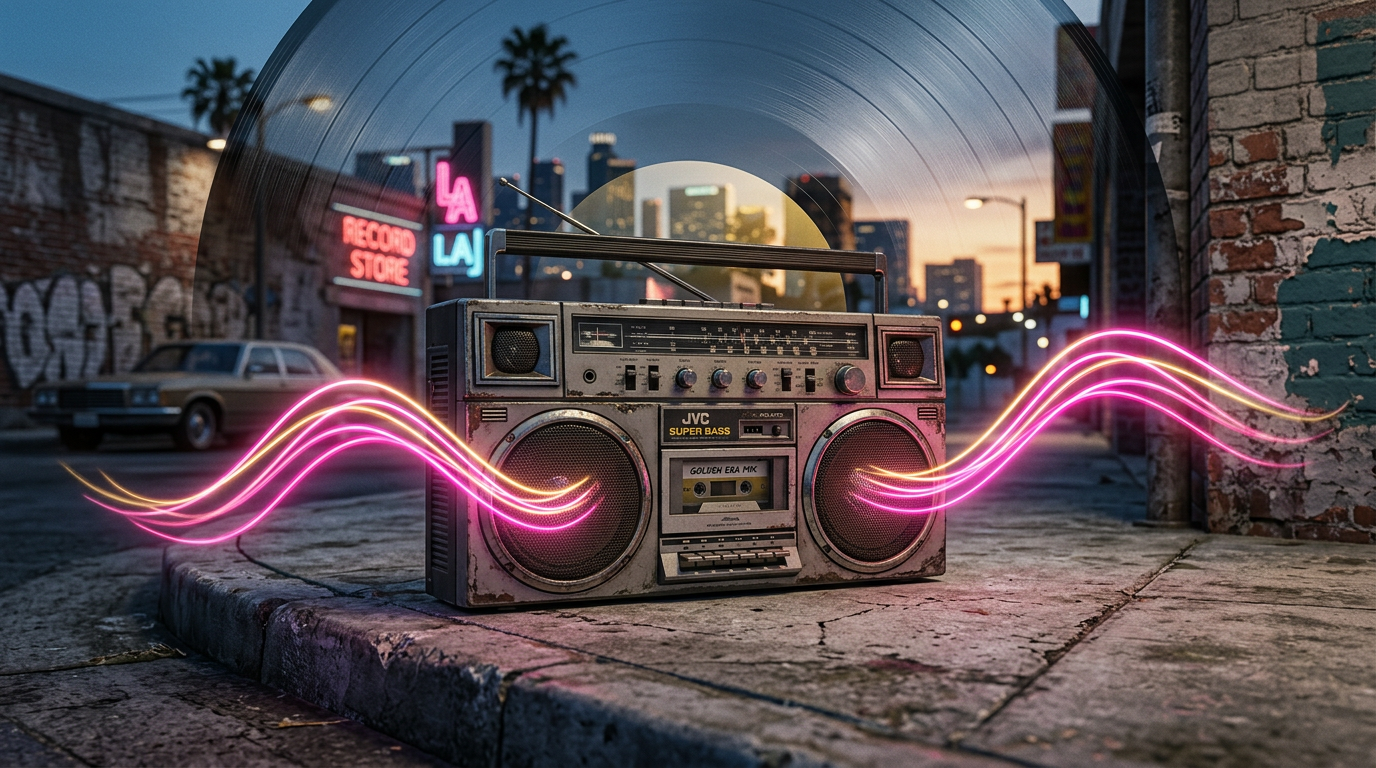
When we think of the golden era of West Coast hip-hop, our minds immediately conjure images of heavy basslines, analog warmth, and the visual aesthetics that defined a generation. At the center of that visual revolution was Darlene Ortiz, famously gracing the covers of Ice-T’s seminal albums Rhyme Pays and Power. Yet, reducing her legacy to iconic imagery misses her true impact on the culture: her commanding, warm, and authoritative vocal presence that helped shape the soundscape of early hip-hop media.
For modern creators, channeling this specific vocal energy is the key to unlocking authentic golden-era nostalgia. Whether you are producing a retro-themed podcast, a social media promo, or a digital documentary, learning how to script and direct this distinct blend of street-smart charm and effortless confidence is essential. Using advanced tools like Fanfun's AI voice generator, creators can now capture this classic West Coast essence instantly, bypassing traditional production bottlenecks to deliver high-substance, culturally resonant audio.
The First Lady of West Coast Hip-Hop: Who is Darlene Ortiz?
To fully appreciate the vocal energy we are directing, we must first understand the woman behind the microphone. While mainstream history often highlights her visual contributions, Darlene Ortiz was a formidable force in early hip-hop media. She transitioned from the visual face of the West Coast movement to a respected radio host, fitness advocate, and author, bringing a unique perspective to an industry that was rapidly evolving.
Her career as a media personality showcased an ability to connect with audiences on a personal level. Unlike the polished, distant announcers of mainstream radio, Ortiz spoke with the natural authority of someone who lived the history. She was a peer to the pioneers, and that lived experience translated into a vocal tone that was simultaneously warm, protective, and uncompromisingly cool.
Today, creators seeking to evoke the authentic spirit of the late 80s and early 90s look to her style as a gold standard. It represents an era before the hyper-commercialization of hip-hop, where voiceovers carried a sense of community, raw passion, and neighborhood pride. Capturing this energy is about more than just using retro slang; it requires understanding the cultural weight behind every syllable.
Decoding the Ortiz Cadence: Warmth, Authority, and Street-Smart Charm
The "Ortiz Cadence" is defined by three core pillars: California warmth, rhythmic clarity, and an underlying tone of empowerment. Her speaking voice lacks the cynical detachment often found in modern social media narration; instead, it is bright, expressive, and highly engaging.
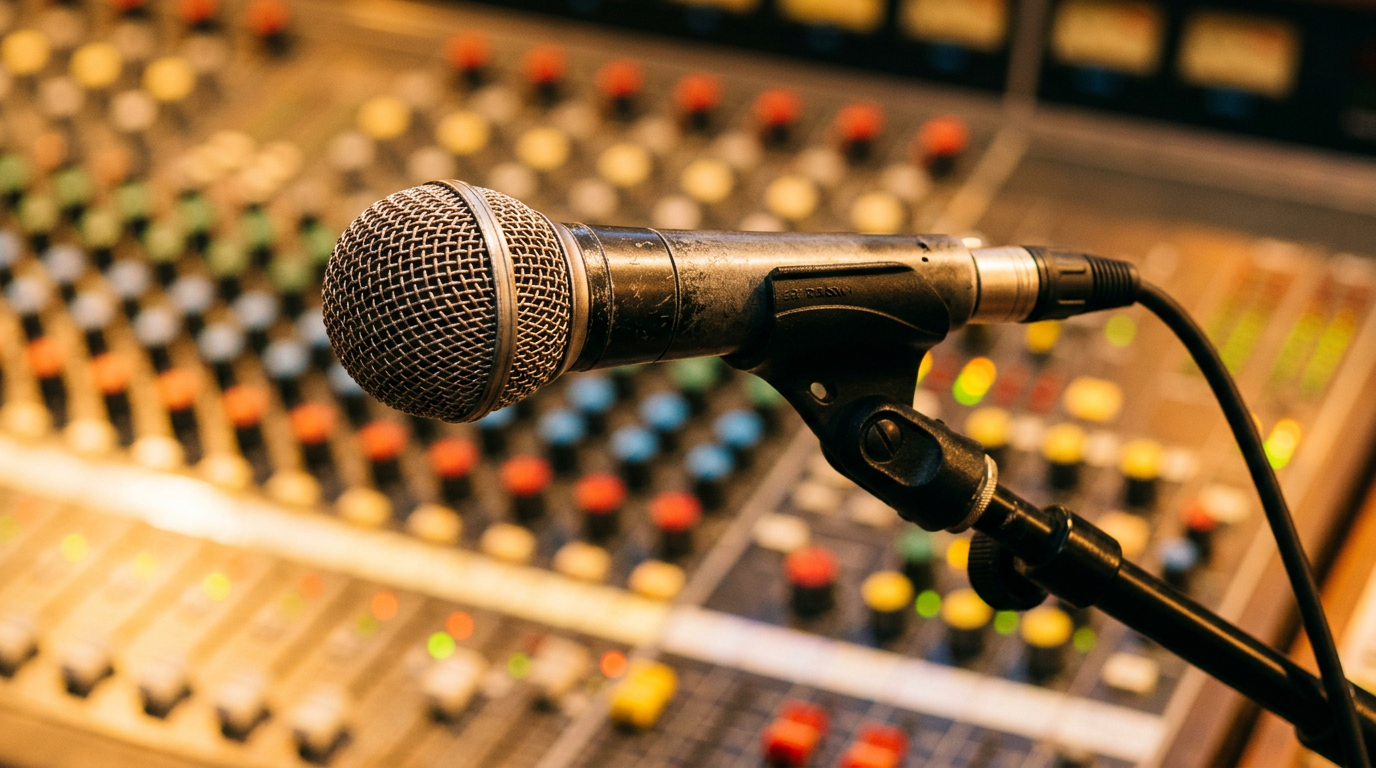
This "California Warmth" is characterized by open vowel sounds and a relaxed, conversational pace that instantly puts the listener at ease. However, this relaxation should not be confused with laziness. Her articulation is incredibly sharp, a byproduct of the golden era's obsession with clear lyricism and storytelling. Every word is given its full weight, allowing the narrative to build naturally.
Contrast this classic, measured West Coast cadence with the rapid, modern drill-style delivery analyzed in our guide on scripting an Ice Spice-style AI voice. While modern styles rely on rapid-fire syncopation and a detached, cool-girl attitude, the golden-era approach is warm, inviting, and deeply rooted in direct, face-to-face communication.
The Mechanics of the Golden Era Voiceover
To replicate this style, voice directors must focus on the "rhetoric of the pause." Just as we see in the deliberate pacing of political oratory, such as the techniques explored in our guide on scripting Obama text-to-speech, the golden-era hip-hop cadence relies heavily on letting the words breathe. It is not about rushing to the next punchline; it is about establishing a groove. The voice should ride the background track like an instrument, locking into the rhythm of the beat rather than fighting against it.
The Golden Era Scripting Framework
Writing a script that channels this energy requires a delicate balance. If you lean too far into retro slang, the content risks becoming a caricature. If you write too formally, you lose the street-smart charm. The goal is to craft a script that sounds like a trusted friend sharing invaluable cultural knowledge.
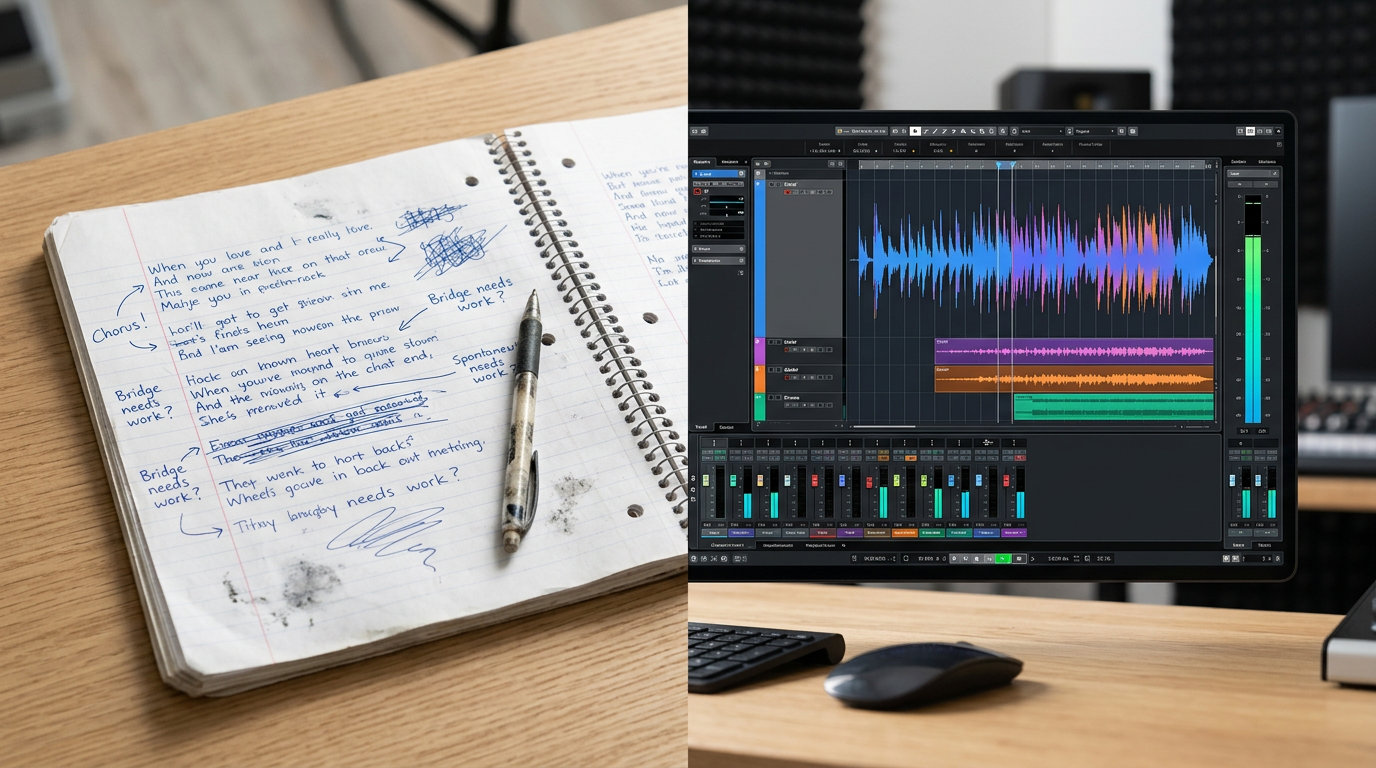
While some creators focus on the early 2000s Disney-era nostalgia, capturing the raw energy of the late 80s and early 90s requires a different level of street-smart confidence. Your scripts should use direct-address pronouns ("you," "we"), short, punchy declarative sentences, and rhythmic transitions.
The table below demonstrates how to transform standard modern copy into a script optimized for this golden-era West Coast aesthetic:
| Standard/Modern Copy | Golden Era Ortiz-Style Copy | Key Adjustment |
|---|---|---|
| "Welcome to our podcast where we discuss the history of hip-hop." | "Pull up a chair and lock in. Today, we're taking it back to the concrete roots of the West Coast." | Changed to direct address, conversational invite, and evocative imagery. |
| "This new fitness program will help you achieve your goals quickly." | "Listen, getting strong isn't just about the sweat—it's about claiming your power. Let's get to work." | Infused with empowerment, direct motivation, and rhythmic phrasing. |
| "Check out our new retro collection available now online." | "We're bringing that classic, heavyweight style straight to your screen. No fluff, just pure gold." | Replaced corporate call-to-action with authentic, confident assertions. |
Directing AI Voice and Audio Tools for Retro Authenticity
In the past, capturing this highly specific vocal archetype required hiring specialized voice actors, booking expensive studio time, and going through endless rounds of revisions. Today, platforms like Fanfun democratize this process. Fanfun’s AI voice generator allows creators to instantly generate vocals that carry the warmth, authority, and nostalgic charm of classic cultural icons, making high-quality audio production accessible and scalable.
To get the most authentic results when directing an AI-generated Ortiz-style voice, follow these technical and artistic guidelines:
- Set the Emotional Tone: Adjust the emotional parameters of your AI voice generator to "confident," "warm," or "conversational." Avoid flat, clinical settings. The engine needs to understand that the delivery requires a smiling, expressive tone.
- Focus on Post-Production: The golden era was defined by analog tape, vinyl crackle, and warm preamps. To make your AI voiceover sound like it was recorded in a 1989 Hollywood studio, apply a subtle high-cut filter to roll off the harsh digital highs, add a touch of tape saturation, and layer a very faint vinyl noise or analog hiss in the background.
- Pair with the Right Beat: This vocal style shines brightest when layered over a classic breakbeat, a heavy funk bassline, or a smooth G-funk synth. The voice should sit slightly "behind the beat," creating that effortless, laid-back West Coast pocket.
Creative Use Cases for the Golden Era Persona
This versatile vocal archetype is highly effective across a variety of modern content formats. Here is a quick checklist of where this specific style excels:
- Retro Podcast Intros and Outros: Establish immediate cultural authority and set a warm, welcoming tone for your listeners from the very first second.
- Nostalgic Social Media Campaigns: Break through the digital noise on TikTok and Instagram by using a voice that sounds grounded, authentic, and completely different from the overused, high-pitched "text-to-speech" trends.
- Empowerment and Fitness Content: Tapping into Ortiz's real-life passion for fitness, this voice is perfect for delivering motivational cues that feel encouraging rather than drill-sergeant aggressive.
- Cultural Documentaries and Video Essays: Provide a narrative voiceover that sounds like an actual participant in the history, adding immense credibility to your storytelling.
Who is Darlene Ortiz and why is she famous in hip-hop?
Darlene Ortiz is a legendary figure in West Coast hip-hop, most famous for featuring on the iconic album covers of Ice-T's Rhyme Pays and Power. Beyond her visual impact, she is an accomplished radio host, author, and fitness advocate who helped shape the media landscape of the golden era.
How can I make my voiceover sound like classic 90s West Coast hip-hop?
To capture the classic 90s West Coast sound, focus on a relaxed, warm, and confident delivery. Use rhythmic pacing, clear articulation, and allow pauses between sentences. In post-production, adding tape saturation and analog warmth will enhance the retro feel.
What is the best way to write a script for a retro hip-hop voiceover?
Write using direct-address pronouns (like "you" and "we"), keep sentences short and rhythmic, and use authentic, era-appropriate phrasing. Avoid overly corporate call-to-actions, and focus on delivering a message that sounds like a trusted, cool friend sharing knowledge.
Can I use AI voice generators to create nostalgic hip-hop content?
Yes. Platforms like Fanfun offer AI voice generators that allow you to instantly tap into distinct cultural vocal archetypes. By adjusting the emotional settings to "warm" or "confident" and adding retro post-production effects, you can create highly authentic golden-era audio.