How to Chat with Virtual Characters for Creative Roleplay
Move beyond static chatbot interactions. Learn how to use the 'yes-and' technique and descriptive action tags to turn virtual character chats into deep, collaborative roleplay.
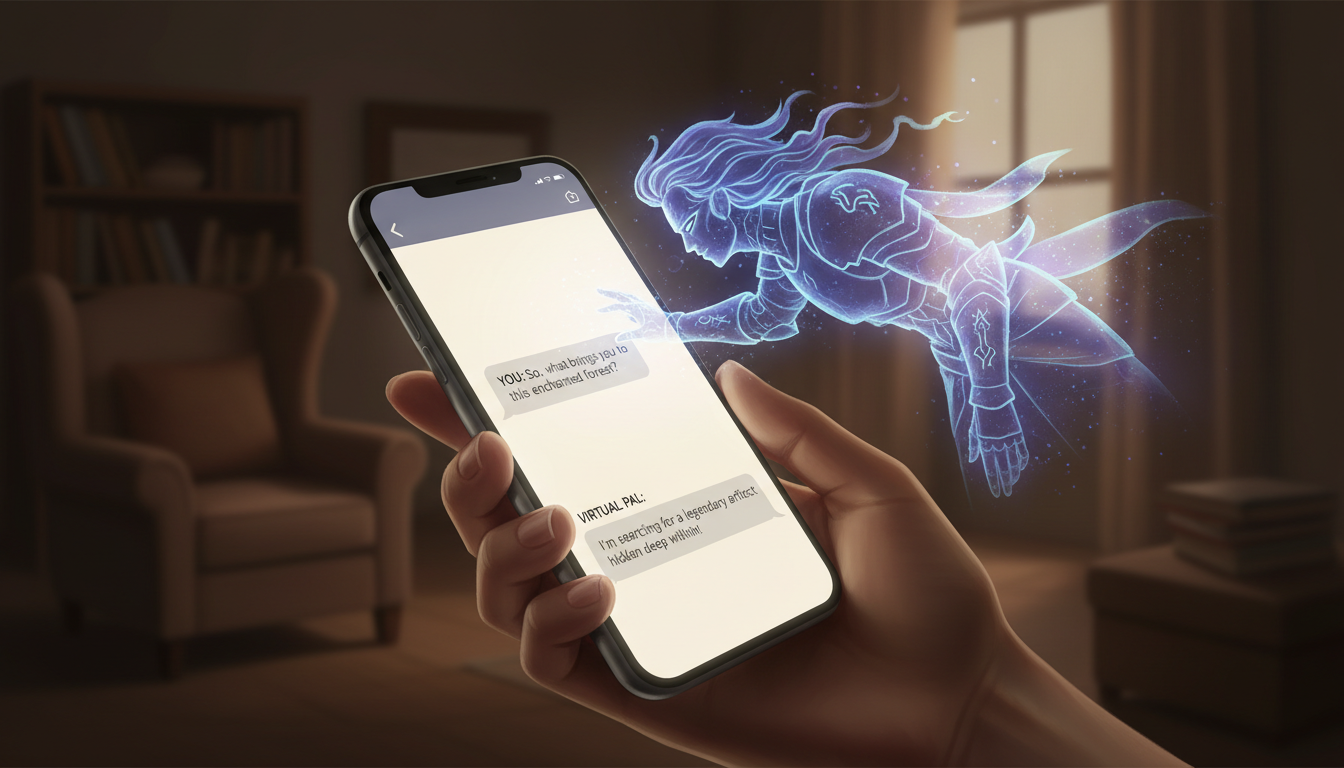
To chat with virtual characters online for creative roleplay, you must treat the AI as an active improvisational scene partner rather than a search engine or a static chatbot. This means establishing a clear narrative premise, using descriptive action tags to set the scene, and building on the AI's responses using the classic "yes-and" rule of improv. While AI-driven characters offer an engaging sandbox for creative writing, their consistency depends entirely on the quality of your prompts; vague or passive inputs will quickly lead to generic, out-of-character loops.
Setting the Stage for Immersive Interaction
When you begin an online chat session with an AI persona, the first message sets the trajectory for the entire interaction. Instead of starting with a generic greeting like "Hello, how are you?", you should approach the interaction with the mindset of a director casting a scene. Establishing a clear premise immediately signals to the AI model what tone, setting, and relationship dynamic it should adopt.
First, define your character goal. Are you seeking a mentor to guide you through a fictional training arc, a scene partner to trade witty dialogue with, or an antagonist to challenge your protagonist's motives? When using online character platforms, establishing these parameters early makes the difference between a flat conversation and a rich narrative. While video generation platforms like Fanfun let you turn finished scripts into custom AI videos, interactive chat environments require a continuous back-and-forth to keep the scene alive. By treating characters as active scene partners, you invite the AI to co-create the world with you from the very first line.
The Scenario Setup Framework
Before typing your first prompt, use this simple framework to outline your scene. This ensures the AI has enough context to reply in character:
| Element | Purpose | Example Prompt Snippet |
|---|---|---|
| The Setting | Establishes the physical space and atmosphere. | "We are sitting in a dimly lit tavern on the edge of the outer rim..." |
| The Relationship | Defines how the character views you. | "You are my seasoned mentor who is secretly reluctant to train me..." |
| The Inciting Incident | Gives both of you an immediate problem to address. | "A sudden knock rattles the heavy wooden door." |
A Framework for Sustained Creative Dialogue
Once the scene is set, maintaining narrative momentum requires active collaboration. Many users fall into the "interview trap," where they ask question after question, forcing the AI into a passive role. To avoid this, use the "Scene Partner" technique, which relies heavily on the theatrical rule of "Yes-And."
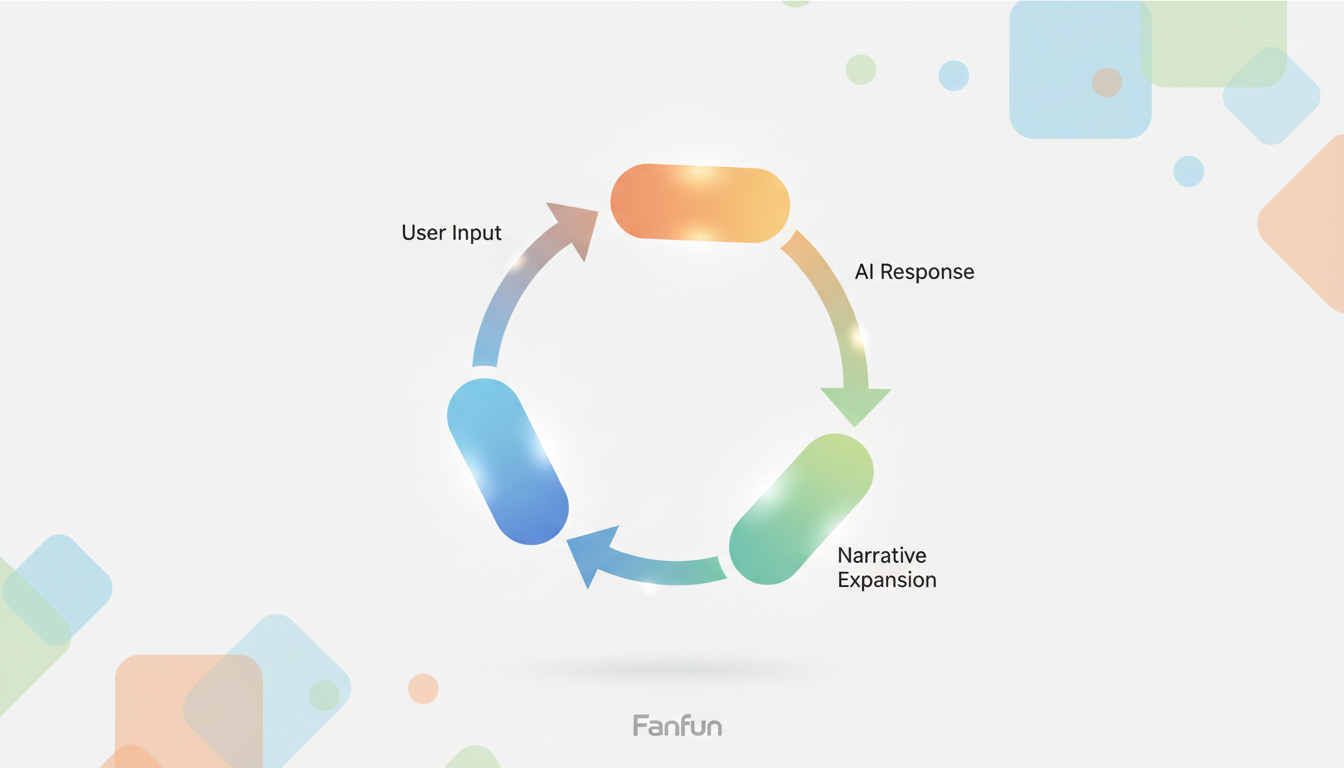
The "Yes-And" rule means you accept whatever details the AI introduces in its last message ("Yes") and then add something new to advance the plot ("And"). If the character mentions a mysterious key they found, don't ignore it—acknowledge the key and describe how your character reacts to it. If you want to structure your sessions more formally, you can adopt the screenplay method to structure your chat sessions, which balances spoken dialogue with physical actions.
However, even the best creative threads can occasionally stall. If the AI becomes repetitive or the narrative loses its spark, don't hesitate to pivot. You can introduce a sudden external event—such as a sudden storm, a new character entering, or a shocking revelation—to break the loop and reset the narrative momentum.
Practical Tips for Better Character Consistency
Keeping an AI persona aligned with its established lore requires a few tactical prompt habits. If you are engaging in creative roleplay with movie stars or fictional heroes, these simple adjustments will keep the dialogue sharp and immersive:
- Avoid binary questions: Questions that can be answered with a simple "yes" or "no" often lead to short, dry responses. Instead, ask open-ended questions that force the character to explain their philosophy, feelings, or plans.
- Use descriptive action tags: Enclose physical actions, facial expressions, and internal thoughts in asterisks (e.g., *I lean against the wall, crossing my arms skeptically*). This gives the AI contextual clues about your character's emotional state and physical positioning.
- Balance accuracy with narrative goals: While you want the character to sound authentic, don't let strict adherence to lore ruin a fun story. If you are chatting with virtual anime characters online without breaking character, allow room for creative liberties that serve your unique alternate timeline.
Interactive Prompt Template
Copy and customize this template for your next roleplay session to ensure a high-quality start:
"System: Let's engage in a creative roleplay. You are [Character Name] from [Universe/Context]. We are currently [Setting/Location] because [Reason/Conflict]. You feel [Emotion/Attitude] toward me. Let's begin.
*I step into the room, holding the ancient scroll in my trembling hands, and look up at you.* 'I found it. But they are right behind me.'"
Can I use these chats to help me write my own stories?
Absolutely. Many writers use virtual character chats to brainstorm dialogue, test how a specific archetype might react to a conflict, or outline scenes. It serves as an interactive sounding board for creative writing.
How do I prevent the AI from breaking character?
Use descriptive action tags to reinforce the scene, avoid out-of-character (OOC) meta-questions in the middle of the roleplay, and gently steer the conversation back using narrative cues if the AI begins to drift.
Do I need to be a skilled writer to enjoy these interactions?
Not at all. The goal is collaborative fun. Simple, clear descriptions of what your character is doing and saying are more than enough to prompt rich, detailed responses from the AI.