How to Write a Character-Style Roast Video Script: Outline and Template
Want to roast a friend using an epic fictional persona? Use our four-part script framework, copy-and-paste template, and formatting tips to generate a hilarious character-style video message in minutes.

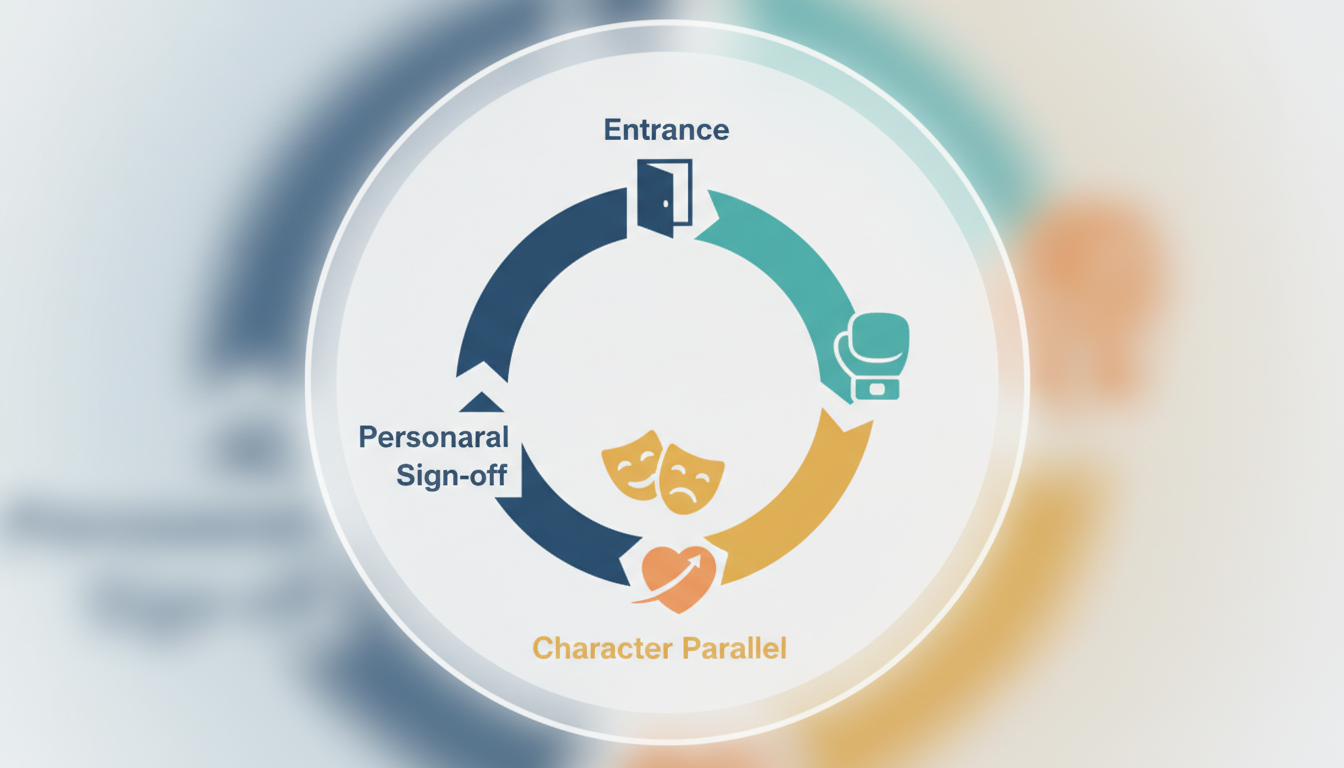
A successful character-style roast video relies on the "Lore Clash"—contrasting a larger-than-life fictional persona with your target's highly specific, mundane real-world habits. To write a script that lands perfectly, structure your roast into four distinct phases: a grand entrance, a personal jab, a character parallel, and a warm sign-off. This framework balances sharp humor with affection, ensuring the roast feels like a personalized gift rather than a genuine insult.
The 4-Part Character Roast Framework
The secret to writing a character-style roast is leaning into the contrast between the character's epic universe and your friend's ordinary life. When a legendary warrior, a grumpy space commander, or an all-powerful wizard takes time out of their quest to complain about someone's messy desk or terrible driving, you get instant, unforced comedy.
To build this contrast, structure your script into these four core phases:
- The Grand Entrance: Establish the character's voice, setting, and dramatic gravity right away. Use their classic catchphrases or iconic tone to set the scene.
- The Personal Jab: Pivot abruptly to the target's specific real-world quirk. The sharper and more specific the habit, the funnier the transition.
- The Character Parallel: Compare the target's habit to something in the character's own universe. How would a space captain handle someone who is always late? How would a fantasy hero react to a friend who always burns the toast?
- The Warm Sign-off: Soften the blow at the very end. Re-establish your friendship or send warm wishes so the recipient knows it is all in good fun.
When you are ready to bring this script to life, choosing the right voice profile is key. On Fanfun, you can pick your favorite character (even the wild ones) to deliver your message. If you need help tailoring the dialogue to a specific persona, check out our guide on writing scripts specifically for AI fictional characters.
The Fill-in-the-Blank Character Roast Template
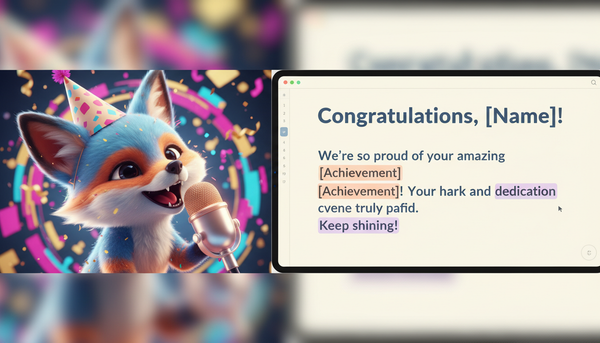
Use the customizable template below to draft your own script. We have included stage directions and pacing cues to guide the final voiceover delivery.
[Dramatic opening sound or character-specific greeting] \n\nLog entry... or rather, an urgent message for [Target Name]. \n\nI have traveled across [fictional setting or epic location], faced down [fictional threat or enemy], and survived the absolute limits of the universe. Yet, my sensors have just detected an anomaly far more terrifying... [Target Name]'s habit of [Target's Bad Habit/Quirk]. \n\n[Dramatic pause] \n\nSeriously, [Target Name]? In my world, we handle [similar challenge in character's world] with absolute precision. But you? You cannot even manage to [exaggerated everyday task related to their habit] without causing absolute chaos. \n\nIf you were under my command, I would have you [funny, low-stakes punishment or chore in character's world] until you learned some discipline. \n\n[Sigh or chuckle] \n\nBut... I suppose we cannot all be galactic heroes. Have a fantastic [Occasion, e.g., Birthday/Anniversary], you absolute menace. [Character Catchphrase]!Before you finalize your script, use the checklist below to make sure your roast strikes the right balance between funny and friendly.
The Lighthearted Roast Checklist
- Focus on habits, not insecurities: Stick to harmless quirks like caffeine addiction, bad parallel parking, or being chronically late. Avoid deeply personal topics.
- Keep it brief: The sweet spot for a character roast is between 100 and 150 words. This keeps the pacing tight and the jokes punchy.
- Contrast is key: Make sure the fictional world and the real-world habit are as different as possible.
- End with warmth: Always close with a genuine celebration or friendly wish to keep the tone positive.
For more inspiration on structuring your jokes for maximum impact, read our playbook on scripting hilarious AI video roasts for close friends.
| Script Element | What Works (Funny & Safe) | What To Avoid (Awkward or Hurtful) |
|---|---|---|
| The Target | Everyday habits (e.g., messy desk, caffeine addiction) | Deep personal insecurities or work performance issues |
| The Character | Melodramatic, mismatched personas (e.g., space captain, wizard) | Characters with no contrast to the target's daily life |
| The Pacing | Slow, deliberate pauses with punctuation for comedic timing | Long, run-on sentences that rush the delivery |
A Worked Example: The Grumpy Space Captain Roast
To see how the template works in practice, here is a complete, 150-word script featuring a fictional "Grumpy Space Captain" roasting a friend named Dave for his notoriously bad parallel parking skills. Note the use of phonetic spelling for sci-fi jargon to ensure smooth delivery.
"[Deep, dramatic sigh] Log entry, Star-date 4-9-2-6. I have navigated the treacherous asteroid fields of Kepler-nine, dodged plasma storms, and outrun space pirates. Yet, my sensors have detected an anomaly far more terrifying... Dave's attempt at parallel parking. [dramatic pause] Dave, buddy. I have seen rookie pilots crash star-cruisers into docking bays with more grace than you parking your sedan outside the coffee shop. You backed up so many times I thought you were trying to travel backward in time. In my fleet, a pilot with those steering skills would be demoted to cleaning the warp core with a toothbrush. But... I suppose if you can survive the wrath of the local parking enforcement, you can survive anything. Keep your eyes on the road, spaceman. Happy birthday."
Formatting Your Script for AI Voice Generators
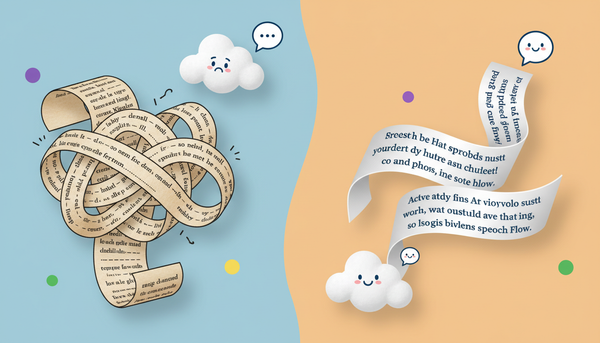
Writing a great script is only half the battle; you also need to format it to help guide the voiceover's timing. While AI voice generation varies, structuring your text with clear punctuation can help shape the flow of the delivery.
Punctuation and Pacing Tips
- Commas (,): Commas can introduce brief, natural pauses within a sentence.
- Ellipses (...): Ellipses are often used to suggest a longer, dramatic pause before a punchline or a transition.
- Hyphens (-): Hyphens can help break up syllables to guide how a word is read.
- Phonetic spelling: If your friend has an unusual name, spelling it out phonetically in the text editor (e.g., writing "Zach" as "Zak") can sometimes assist with pronunciation.
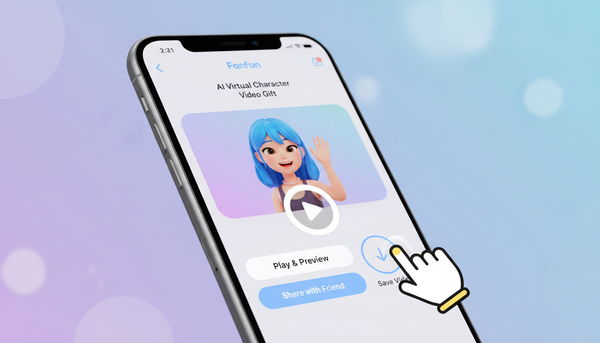
Once your script is formatted, you can use Fanfun to pick your favorite character, enter your script, and get your custom AI video in just minutes. If a line feels too rushed, adding an ellipsis or a period can help space out the text. For a deeper dive into adjusting voice pacing and directing your digital actors, explore our advanced guide on directing AI character video generators for high-engagement content.
How long should a character roast video script be?
The ideal length for a character roast video is between 100 and 150 words. This translates to roughly 30 to 45 seconds of audio, which is the perfect length to keep the jokes punchy, maintain the character's energy, and hold the viewer's attention without dragging.
What should I do if the AI voice mispronounces my friend's name?
If an AI voice struggles with a name or a specific word, you can try writing it out phonetically in your script. Breaking the word down into simpler syllables can sometimes help guide the pronunciation.
How do I make sure the roast doesn't hurt the recipient's feelings?
Keep the jokes focused on lighthearted, universal habits rather than personal insecurities, relationships, or career struggles. Always balance the teasing by ending the script with a warm, genuine birthday wish or expression of appreciation.