The Character-First Classroom: How Educators Can Use AI Storytelling Tools to Make Lessons Stick
Traditional lesson plans often struggle to compete with modern digital media. Learn how to leverage character-driven AI storytelling tools to turn passive curriculum delivery into active, memorable classroom experiences.

The modern classroom faces an uphill battle against highly polished, algorithmically optimized digital media. When students are accustomed to cinematic video games, interactive apps, and instant streaming content, a static black-and-white photocopy of a historical text or a dry textbook chapter struggles to leave a lasting impression. Educators are left searching for innovative ways to capture attention without spending hours designing complex multimedia presentations from scratch.
To bridge this gap, forward-thinking teachers are turning to character-driven AI storytelling. By leveraging platforms like Fanfun to create instant, personalized voiceovers, character videos, and interactive chats, educators can transform passive curriculum delivery into active, narrative-rich learning adventures. Instead of fighting technology, this approach uses the power of digital characters to make complex academic concepts deeply memorable.
Beyond the Text Wall: Why Character-Driven AI Storytelling Beats Traditional Handouts
Standard text-based handouts often fail to engage a media-saturated generation because they lack context, emotion, and narrative drive. When students encounter a wall of text on a page, their cognitive load increases, making it harder to extract key concepts. Without an emotional hook, information is processed as isolated facts to be memorized for a test and quickly forgotten afterward.
The psychology of character-driven learning offers a powerful alternative. Human brains are hardwired to remember stories, not isolated data points. When educational content is delivered through familiar archetypes, historical figures, or friendly guides, students experience narrative transportation. They become emotionally invested in the character's journey, which activates multiple areas of the brain associated with memory, empathy, and critical thinking. A scientific concept is no longer just a formula; it becomes a tool used by a character to solve a pressing dilemma.
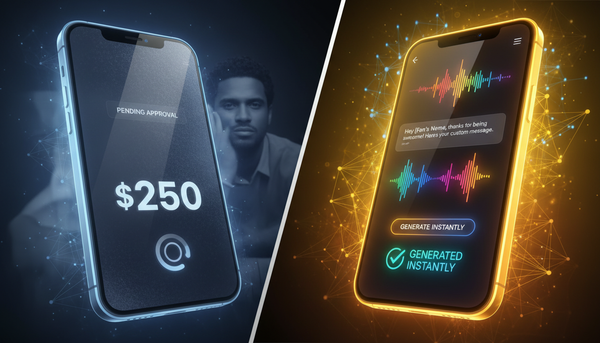
Historically, creating these high-engagement narrative materials required massive production budgets, specialized software, or hours of manual editing. Fanfun's philosophy of instant, accessible character interactions changes this dynamic. By allowing educators to generate custom audio, video, and chat experiences in minutes, AI storytelling tools provide a scalable way to bring complex subjects to life. Teachers can now easily build immersive worlds tailored to their specific curriculum without needing a background in animation or audio engineering.
The Educator's Toolkit: Choosing the Right AI Storytelling Medium
Not all lessons require the same type of sensory input. To maximize engagement, educators should match their pedagogical goals with the correct AI medium. Here is how to navigate the available formats:
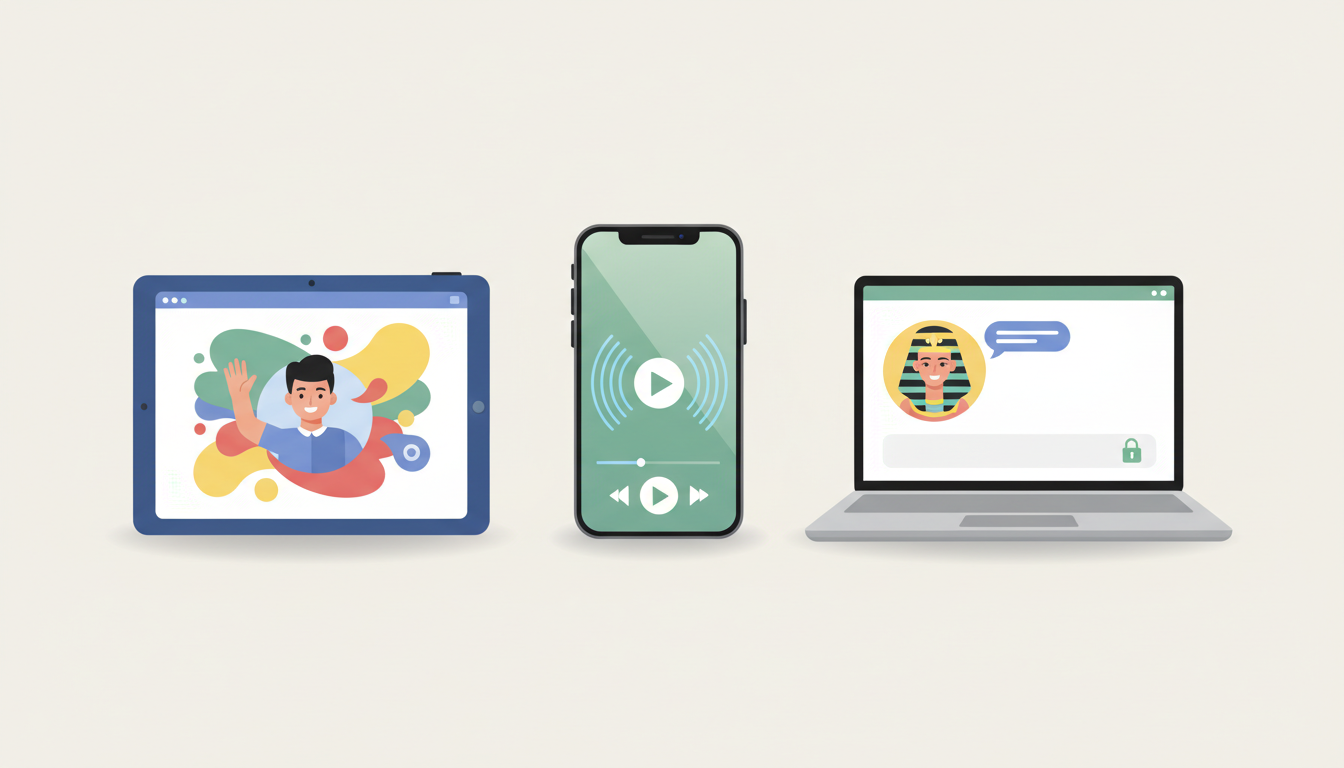
AI Voice Generators: Turning Text to Performance
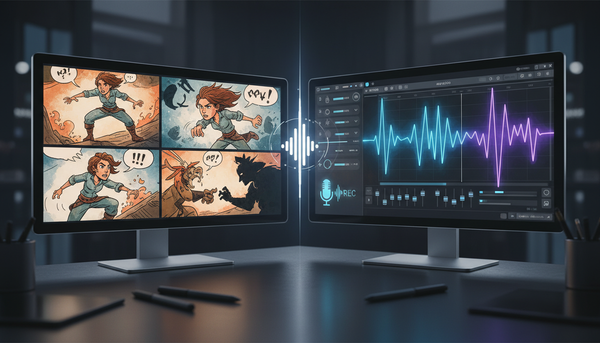
Dry primary sources and historical documents can feel incredibly distant to a modern student. By utilizing an AI voice generator, teachers can transform static diary entries, famous speeches, or custom-written narratives into dramatic read-alouds. Hearing a historical figure "speak" their own words with appropriate emotional weight brings a sense of urgency and reality to the history classroom that a standard textbook passage simply cannot replicate.
AI Video Messages: Launching Classroom Quests
Visual hooks are incredibly effective for introducing new units of study. Instead of starting a science module with a vocabulary list, educators can generate a short AI video message featuring a fictional mission commander or a digital expert. This character can deliver a "mission briefing" directly to the classroom, framing the upcoming lessons as a series of challenges the students must solve to help the character complete their objective.
Interactive AI Chat: Safe, Simulated Interviews
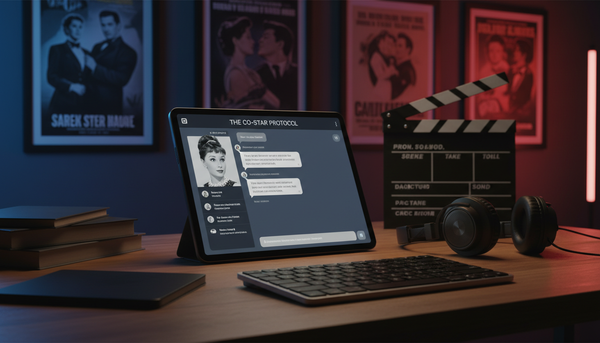
Active inquiry is the cornerstone of deep learning. With interactive AI chat tools, students are no longer just passive consumers of information; they become active investigators. Teachers can set up structured, safe environments where students conduct simulated interviews with AI personas representing literary characters, historical figures, or scientific pioneers. This format encourages students to formulate deep questions, analyze responses, and practice textual evidence retrieval in real time.
Designing the Hook: A Practical Framework for AI-Enhanced Lessons
To integrate these tools seamlessly into a standard school day, educators can use the Hook-Core-Quest framework. This structure ensures that technology enhances the learning objectives rather than serving as a mere distraction:
- The Hook (Minutes 1-3): Grab immediate attention with a short AI-generated video or audio clip. A character introduces a problem, a mystery, or an urgent scenario related to the day's topic.
- The Core (Minutes 4-20): Deliver the core academic concepts through direct instruction. Connect the teacher's lesson directly to the character's challenge, showing students how the academic tools they are learning will help solve the problem.
- The Quest (Minutes 21-45): Students work individually or in groups to complete an active learning challenge. They use their new knowledge to write a response back to the character, solve a puzzle, or complete a project.
To see how this framework applies across different subjects, consider the following comparison table:
| Subject | Traditional Lesson Plan | AI-Enhanced Narrative Lesson Plan | Educational Outcome |
|---|---|---|---|
| History | Reading a textbook chapter on the signing of the Magna Carta. | An AI-generated audio dispatch from a medieval baron explaining the high stakes of the meeting. | Increased historical empathy and better retention of political motives. |
| Science | Memorizing the steps of the water cycle from a diagram. | A friendly animated character describing their journey as a single water molecule. | Conceptual understanding of state changes through narrative visualization. |
| English Literature | Answering written comprehension questions about character motives. | Students conduct a live "chat interview" with an AI persona of the novel's antagonist. | Deeper textual analysis, critical questioning, and perspective-taking. |
For younger learners, keeping attention focused on complex STEM topics can be particularly challenging. By using friendly, recognizable guides, teachers can make abstract concepts feel approachable and safe. For example, educators can learn how to direct a cartoon AI voice generator to keep elementary students highly engaged during science and math modules, turning basic arithmetic or environmental lessons into collaborative adventures with a trusted digital companion.
Directing the Digital Cast: How to Cue AI Voices for Educational Impact
To ensure that AI-generated voices sound engaging, authoritative, and pedagogically effective rather than robotic, educators need to approach the creation process like a director. Writing a script for text-to-speech tools requires a slightly different approach than writing for the printed page.
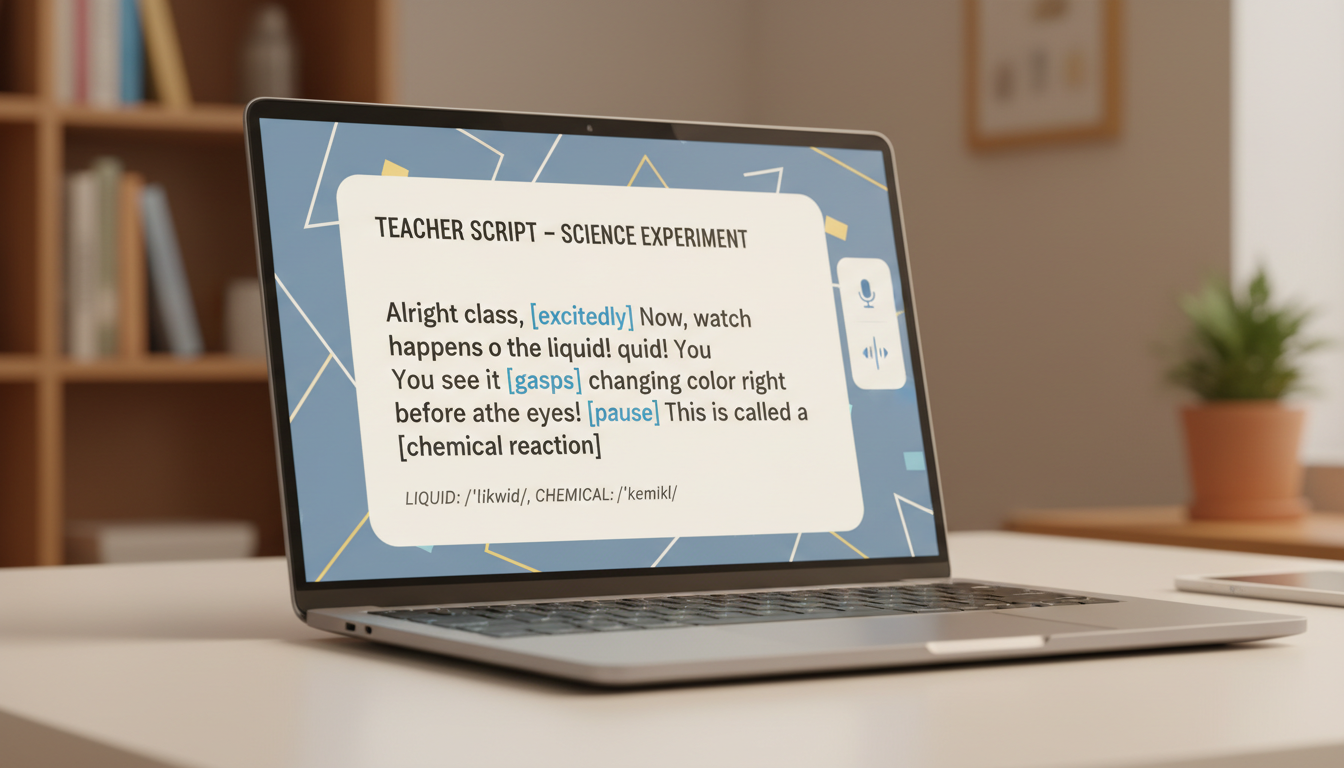
First, pay close attention to spelling. AI voice engines rely on phonetic spelling to pronounce complex academic terms, historical names, or scientific jargon correctly. If the generator struggles with a word like "photosynthesis," try spelling it phonetically in your script (e.g., "foto-sin-the-sis") to achieve a natural delivery. For more advanced formatting tips, check out our comprehensive guide on directing text-to-speech tools for character-driven narratives.
Second, use punctuation strategically to control the pacing. Commas, ellipses, and periods dictate where the AI voice takes a breath or pauses for dramatic effect. Adding a well-placed ellipsis before a major revelation keeps students on the edge of their seats, mimicking the natural storytelling cadence of an experienced classroom teacher.
Finally, select a vocal persona that matches the emotional tone of the lesson. While a bold, authoritative voice works perfectly for announcing a scientific breakthrough or a historical turning point, literature and cultural lessons often benefit from a softer, more comforting approach. Understanding how utilizing a beloved character like Doraemon can foster nostalgic, comfortable learning environments can help educators select warm, familiar vocal styles that make students feel supported during challenging comprehension activities.
Ethical Guardrails: Keeping AI Classroom Storytelling Safe and Productive
While AI storytelling tools offer incredible opportunities for classroom engagement, educators must implement clear ethical guardrails to keep these experiences safe, accurate, and aligned with educational standards.
The most important rule of thumb is to always maintain a "human-in-the-loop" workflow. Teachers must never generate and play AI content for students without vetting it first. AI tools should be used to draft, format, and perform the lesson materials, but the teacher remains the ultimate editor. This ensures that the language used is age-appropriate, inclusive, and directly aligned with the curriculum goals.
Furthermore, educators must separate the narrative delivery from the factual core of the lesson. While it is highly engaging to have an AI character present a historical scenario, the core facts, dates, and scientific principles must always be verified against approved educational curricula. Use AI to generate the creative hook, the framing story, and the voiceover, but rely on trusted textbooks and official standards to supply the data points embedded within the script.
Finally, select platforms like Fanfun that prioritize creative ethics, safety, and structured digital environments. By using platforms designed for clean, accessible media creation, educators can confidently build interactive experiences that respect intellectual property while giving students a safe, inspiring window into the future of digital storytelling.
How do I use AI to write engaging stories for my classroom?
To write engaging classroom stories, use the Hook-Core-Quest framework. Start by identifying your core educational objective, then write a short, high-stakes script (under 2 minutes) where a character introduces a problem that can only be solved using that academic concept. Keep the language active, use sensory details, and end with a clear call to action for your students.
Are AI voice generators safe to use with elementary school students?
Yes, provided that the educator maintains complete control over the content generation process. Teachers should write and vet all scripts beforehand and use trusted, secure platforms like Fanfun to generate the audio, ensuring the content remains safe, age-appropriate, and strictly educational.
Can I use AI-generated characters to teach history and science?
Absolutely. AI-generated characters are highly effective for teaching history and science because they humanize abstract concepts. You can use an AI voice to read historical primary sources or have an AI character act as a "mission commander" who guides students through scientific inquiry challenges.
How do I make sure AI-generated educational content is factually accurate?
Always write or heavily edit the scripts yourself using your approved school curriculum as the source of truth. Use AI tools strictly for their presentation capabilities—such as voice modulation, character representation, and narrative formatting—rather than relying on them to research or generate historical or scientific facts from scratch.