The Sound of Modern Attention: 5 High-Impact Ways to Use AI Voices in Creative Marketing
Traditional studio voiceovers are slow and expensive. Learn how to leverage highly expressive, character-driven AI voices to cut production times, run rapid A/B tests, and build viral social campaigns.
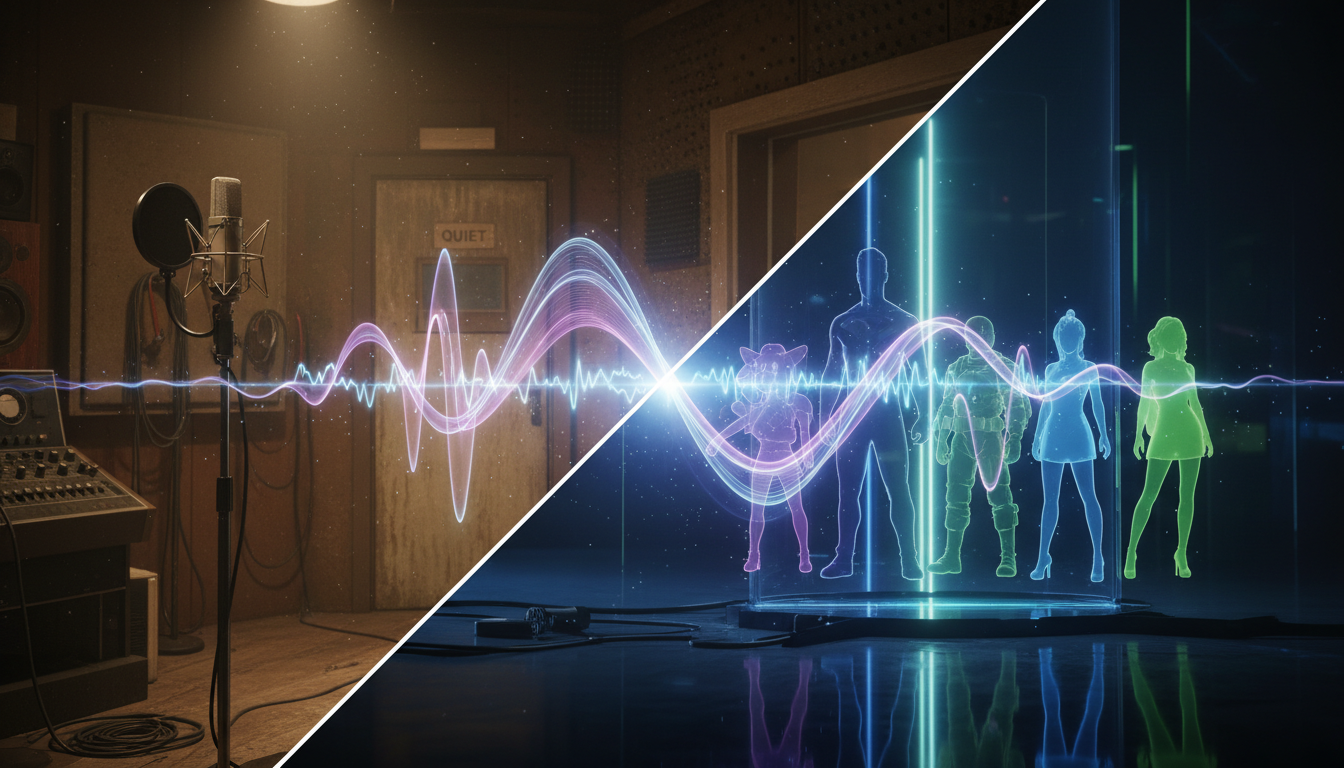
Modern social media feeds are a battlefield of rapid-fire visuals and fleeting attention spans. While marketers obsess over video hooks, color grading, and thumb-stopping transitions, they often overlook the silent killer of engagement: flat, sterile audio. The generic, robotic text-to-speech voices that dominated early social feeds have worn out their welcome, leaving audiences suffering from audio fatigue and scrolling past otherwise decent creative campaigns.
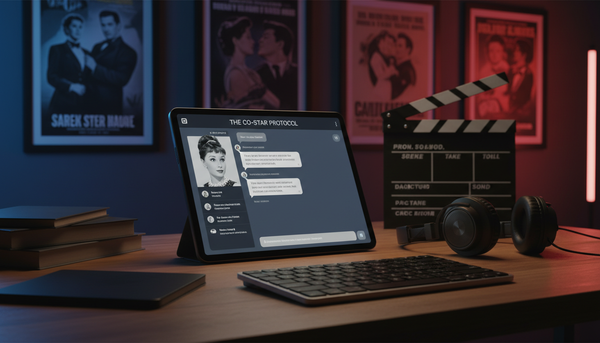
To break through this noise, forward-thinking brands are turning to character-driven, highly expressive AI voices. By introducing personality, cultural relevance, and comedic timing into their audio tracks, creators can instantly captivate listeners. Platforms like Fanfun are pioneering this shift, giving brands a sandbox to generate custom, celebrity-style promos and character audio in minutes rather than weeks, bypassing traditional studio bottlenecks entirely.
Beyond the Corporate Voiceover: Why Character-Driven Audio Wins Attention
Humans are hardwired to process sound emotionally. Long before we analyze the visual elements of an ad, our brains register the tone, pitch, and cadence of the voice speaking to us. Traditional corporate voiceovers—often flat, overly polished, and clinical—tend to trigger immediate mental filters. Audiences instantly recognize them as pitches and tune out. Similarly, low-effort, robotic AI voiceovers have become so ubiquitous on platforms like TikTok and Instagram that users have developed a form of "audio banner blindness," associating those flat tones with low-quality content.
Character-driven marketing flips this dynamic by prioritizing voice as an active creative element rather than an afterthought. When a voice carries a distinct grit, an unexpected accent, or a recognizable comedic cadence, it triggers immediate curiosity. It stops the scroll because it sounds like entertainment, not an advertisement. This approach casts a digital persona that carries built-in narrative weight, transforming a standard product explanation into a compelling story.
By leveraging Fanfun's AI voice generator, brands can tap into this psychology instantly. Instead of settling for a generic narrator, you can inject a stylized, larger-than-life character voice that makes the mundane feel cinematic. This turns passive viewers into active, entertained listeners who are far more likely to retain your brand message and take action.
5 Creative AI Voice Strategies for High-Conversion Campaigns
Implementing synthetic audio shouldn't mean replacing your existing strategy with robotic voiceovers. Instead, it is about unlocking formats that were previously too expensive, slow, or complex to produce. Here are five creative, high-impact strategies you can deploy to elevate your campaigns.
1. The "High-Contrast" Ad: Juxtaposing Mundane Products with Epic Personas
One of the most effective ways to capture attention on social media is through deliberate contrast. Take a highly mundane direct-to-consumer product—like eco-friendly dental floss, organic soap, or spreadsheet software—and pair it with an epic, booming movie-trailer-style AI voice. The sheer absurdity of a cinematic, gravelly voice describing the benefits of mint-flavored floss creates an instant comedic hook. This contrast keeps viewers watching past the critical three-second mark, using humor to lower their natural resistance to sales messages.
2. Interactive Social Campaigns: Letting Fans Generate Their Own Brand Roasts
Modern consumers do not want to be talked at; they want to participate. Brands can build massive organic reach by inviting their audience to co-create content. For example, you can launch a campaign where users submit their lighthearted complaints, worst dating stories, or fashion choices, and your brand responds with customized, character-voiced roasts. To execute this effectively without crossing the line, check out this guide on using AI voices to sharpen comedy and craft engaging brand roasts, which details how to balance sharp humor with brand safety.
3. Rapid-Response Trend Jacking: Creating Real-Time Parody Promos
When a cultural event, meme, or pop-culture moment breaks, the brand that responds first wins the internet's attention. Traditional voiceover pipelines require days of scheduling, recording, editing, and mastering, meaning you almost always miss the viral window. With AI voice tools, your creative team can write a parody script, generate a flawless, highly stylized voiceover, and publish a high-quality video in under an hour. This rapid-response capability keeps your brand relevant and agile.
4. Personalized Post-Purchase Drops: Custom Audio "Thank Yous"
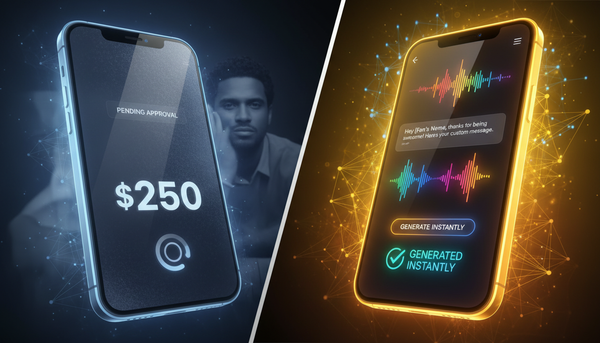
Customer retention is built on memorable post-purchase experiences. Instead of sending a standard automated email after a purchase, imagine sending a high-value customer a personalized audio message from a stylized character or celebrity-esque AI persona thanking them by name. Because AI voice generation scales effortlessly, you can generate hundreds of these custom audio clips programmatically, turning a routine transactional email into a highly shareable, delightful brand moment.
5. Interactive Character Chatbots: Elevating the Funnel with Two-Way Audio
Static, one-way media is only the beginning. Fanfun's two-way interactive AI Chat capabilities allow brands to build deep, conversational marketing funnels. Rather than clicking through a standard product recommendation quiz, users can have real-time, voice-enabled conversations with an AI-powered brand mascot, historical figure, or stylized persona. This interactive experience guides users through the conversion funnel while building an emotional connection that static text simply cannot match.
The Production Playbook: Bypassing the Studio Bottleneck
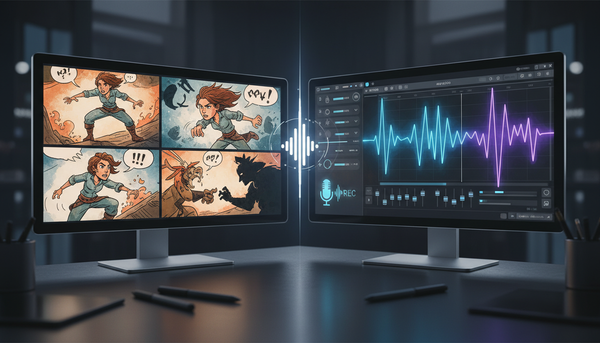
Traditional audio production is a linear, high-friction process. If a script change is needed, or if an initial hook is underperforming on Meta Ads, the entire creative workflow grinds to a halt while you book a re-record, pay additional session fees, and wait for the studio to deliver the assets. Shifting to an AI-first workflow changes this dynamic, allowing creative teams to treat audio as code—highly mutable, instantly scalable, and cheap to iterate.
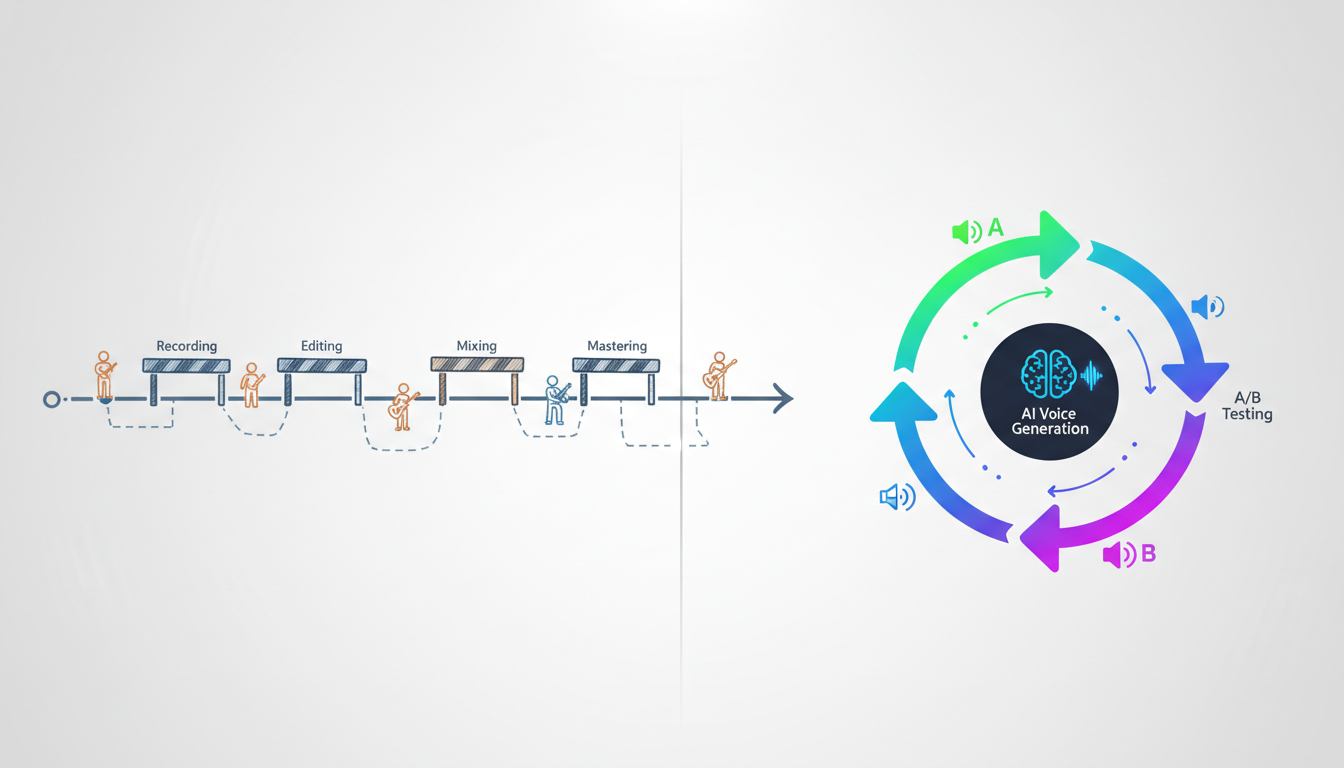
Understanding how creative text-to-speech use cases can bypass the studio bottleneck and speed up content pipelines is essential for scaling modern digital marketing operations. Instead of betting your entire campaign budget on a single voiceover take, you can run rigorous multivariate tests to see which vocal tone, pacing, or character style drives the lowest cost per acquisition (CPA).
| Production Phase | Traditional Studio Voiceover | AI Voice Generation (e.g., Fanfun) |
|---|---|---|
| Talent Sourcing & Casting | Days to weeks of negotiating rates, reviewing demo reels, and managing contracts. | Instant. Access a massive library of diverse character and stylized voices immediately. |
| Turnaround & Delivery | 24 to 72 hours for initial reads; additional days for revisions and mastering. | Seconds. Audio is generated in real-time as soon as the script is finalized. |
| Script Iteration & Re-records | Requires booking new studio time, paying session fees, and matching original acoustics. | Free and instant. Edit a single word or rephrase a line in the text editor and regenerate. |
| A/B Testing Capability | Extremely limited due to cost and scheduling; usually restricted to one or two variations. | Virtually unlimited. Spin up 10 different hooks in an afternoon to optimize social ad performance. |
| Licensing & Scalability | Complex usage rights, regional restrictions, and time-bound talent contracts. | Fixed, predictable costs with unlimited, scalable distribution across digital channels. |
Navigating the Ethics and Etiquette of Character-Driven Marketing
With great creative power comes significant responsibility. The rise of synthetic media has sparked necessary conversations about intellectual property, creative consent, and consumer trust. Brands must avoid using unauthorized voice clones of real individuals, which can lead to legal issues and severe consumer backlash. Instead, the focus should be on using legally compliant platforms, original stylized personas, or clearly labeled creative interpretations.
These emerging technologies are not merely about mimicry; they represent a fundamental shift in how we interact with media. As discussed in our deep dive into how AI voices redefine creative expression and cultural influence, synthetic voices are becoming a recognized artistic medium. When executed with transparency—such as labeling AI voices as creative parodies or stylized interpretations—brands build trust with their audience while delivering highly entertaining, culturally relevant content. By treating the technology as a collaborative creative tool, marketers can push the boundaries of storytelling while respecting creative ethics.
Can I legally use AI voices for commercial marketing campaigns?
Yes, provided you use legally compliant platforms like Fanfun that offer licensed voices, original stylized personas, or clearly labeled parody voices, rather than using unauthorized clones of real people without their consent.
How do I make an AI voiceover sound natural and engaging for social media ads?
Focus on the script's rhythm, use natural conversational language, and select a character-driven voice that matches the emotional tone of your video. Commas, periods, and line breaks can also help guide the AI's natural pacing, pauses, and inflection.
What is the difference between generic text-to-speech and character AI voices?
Generic text-to-speech is designed for utility and readability, often sounding flat, robotic, or corporate. Character AI voices, such as those on Fanfun, are trained on expressive performances, capturing unique inflections, emotional range, and distinct personality traits.
How can brands use Fanfun to create instant promotional content?
Brands can use Fanfun's AI voice generator to instantly voice social ads, leverage AI personalized videos to create custom celebrity-style promotions, or build interactive AI chats to engage their audience in two-way conversations.