The Art of the Roast: How to Use AI Voices to Sharpen Your Comedy
Roasting is a delicate balance of timing and persona. Discover how to leverage AI to turn everyday observations into comedy gold with the right delivery.
Comedy has always relied on the marriage of the right voice and the right timing. In the digital age, the barrier to entry for high-quality comedic performance has collapsed, allowing creators to tap into recognizable archetypes to deliver punchlines that land with precision. Whether you are aiming for a dry, observational style or a high-octane delivery, the secret lies in how you manipulate the cadence of your script to fit the persona. At Fanfun, we see creators moving beyond simple impressions to build entire comedic worlds using AI. By selecting a voice that carries inherent cultural weight, you skip the need for lengthy setups and jump straight into the humor. The goal isn't just to generate audio, but to craft a performance that feels intentional, sharp, and, most importantly, funny.
Why Persona Matters More Than the Punchline
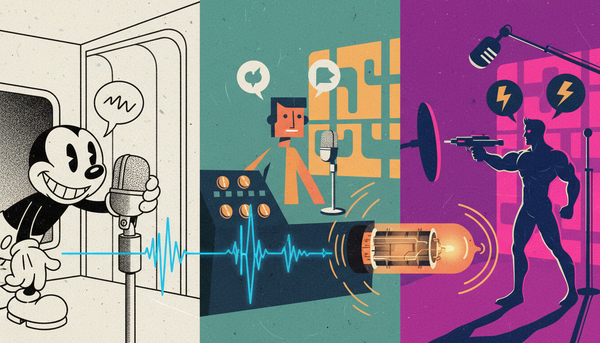
A punchline is only as strong as the character delivering it. You can write the wittiest observation in the world, but if the voice behind it lacks the necessary grit or absurdity, the joke falls flat. The "who" provides the context that transforms a generic insult into a relatable, high-stakes moment of comedic tension. When you utilize the The Rock Dwayne Johnson persona, you aren't just reading text; you are channeling an archetype of intensity. This contrast—taking a lighthearted, self-deprecating joke and wrapping it in the bravado of a global icon—is exactly what makes Fanfun content perform so well. The character’s established "vibe" acts as a megaphone for your humor, making even simple observations feel like a blockbuster movie line.
Choosing the right persona is about understanding the audience's existing relationship with that character. If you use a voice that is fundamentally at odds with the content of your joke, you create a layer of irony that is inherently funny. This is why creators often experiment with different personas for the same script; the shift in tone can completely change the audience's perception of the joke. The nuance of a delivery can turn a simple roast into a viral moment, provided the persona chosen matches the underlying intent of the script.
The Anatomy of a Perfect AI Roast
The most successful roasts are built on rhythm. AI voices excel when you feed them scripts that rely on short, punchy, and rhythmic sentences. Avoid long-winded paragraphs that force the AI to scramble for breath; instead, focus on the "Rule of Three": a setup, an expectation, and a sharp subversion. Let the cadence of the Dwayne Johnson AI carry the weight. If you write a sentence that is too complex, the AI will struggle to find the comedic timing. By keeping your script tight, you allow the AI to lean into the natural inflection points of the persona, which is where the humor truly lives. Think of your script as a musical score; every period is a beat, and every comma is a slight pause for effect.
The Framework for Scripting
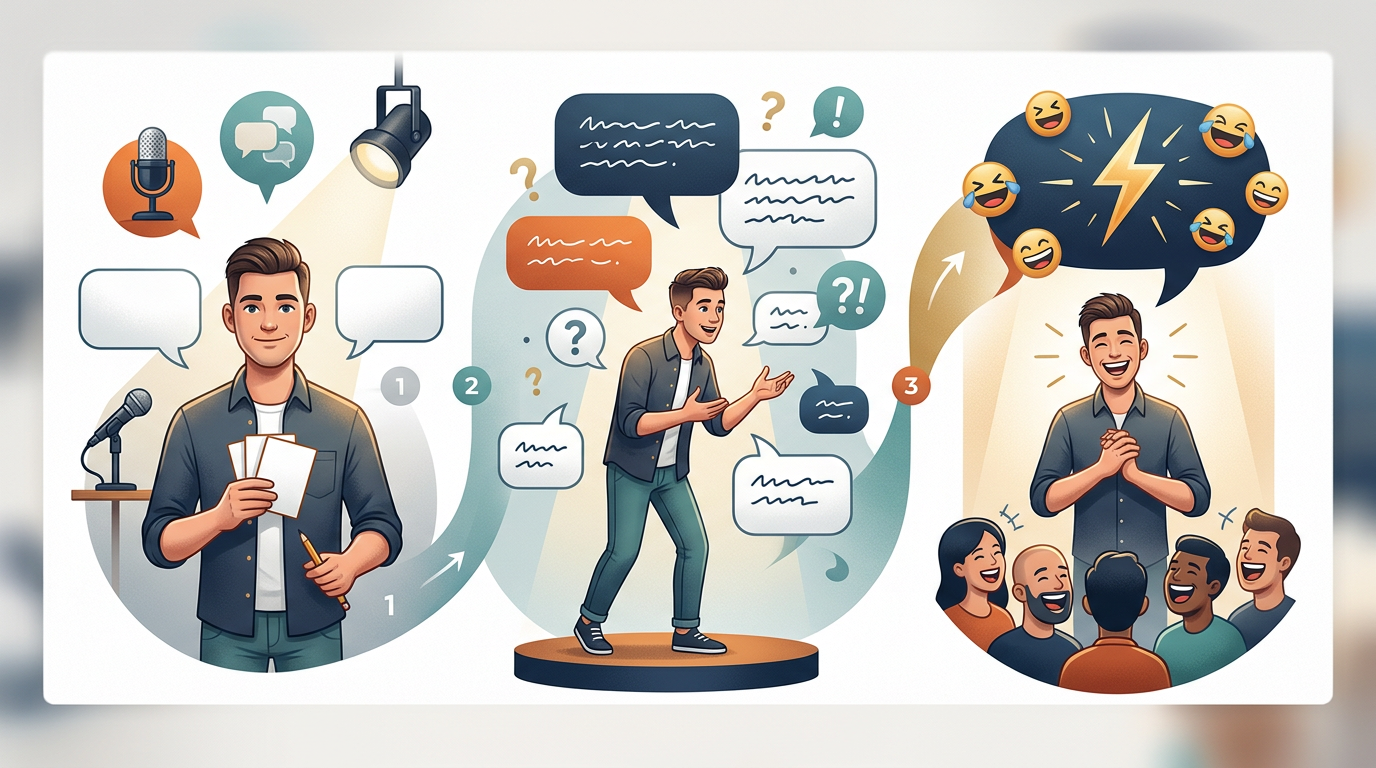
- The Setup: State a premise that the audience immediately recognizes.
- The Expectation: Introduce a detail that points toward a predictable outcome.
- The Subversion: Hit them with the twist that clashes with the persona’s known character traits.
When you are scripting for an AI, you are essentially acting as a director. Your script is your screenplay, and the AI is the performer. If you want a specific word to land, place it at the end of a sentence. If you want the AI to sound impatient, use shorter, choppy sentences that force a faster pace. Mastering this rhythm is the difference between a generic clip and a viral hit. Beyond just the words, consider the environment of your video—is the persona addressing a crowd, a single person, or just yelling into the void? Setting the stage in your script helps the AI deliver a more grounded performance.
Selecting Your Roast Master: A Comparison Framework
Choosing the right character for your roast is a strategic decision. You need to match the "weight" of the roast to the persona you select. A sports legend brings a different energy than a classic cartoon character, and your choice should reflect the specific tone you are aiming for. Consider the following breakdown when deciding who should deliver your next roast:
| Approach | Persona Example | Best For |
|---|---|---|
| The Big Brother | Shaq | Teasing friends about performance, sports, or "tough love" scenarios. |
| The Surrealist | Mickey Mouse | Delivering absurd, dark, or deeply out-of-character lines for viral shock value. |
| The Motivator | The Rock | High-energy, intense, or over-the-top self-aggrandizing roasts. |
| The Trendsetter | Kylie Jenner | Sarcastic, high-fashion, or "cool girl" aesthetic commentary. |
The "Big Brother" approach is perfect for friendly ribbing. When you use a persona like Shaq, the audience expects a certain level of directness and playful dominance. Conversely, the "Surreal" approach—using a character who is traditionally wholesome like Mickey Mouse to deliver a roast—creates an immediate dissonance that viewers find hilarious. This is where Fanfun provides a unique advantage; the ability to swap personas instantly allows you to test which character makes your specific joke land harder. Whether you are using Kylie Jenner for a quick-witted comeback or a sports icon for a motivational roast, the key is consistency in the character's voice.
Technical Tips for Better Audio Delivery
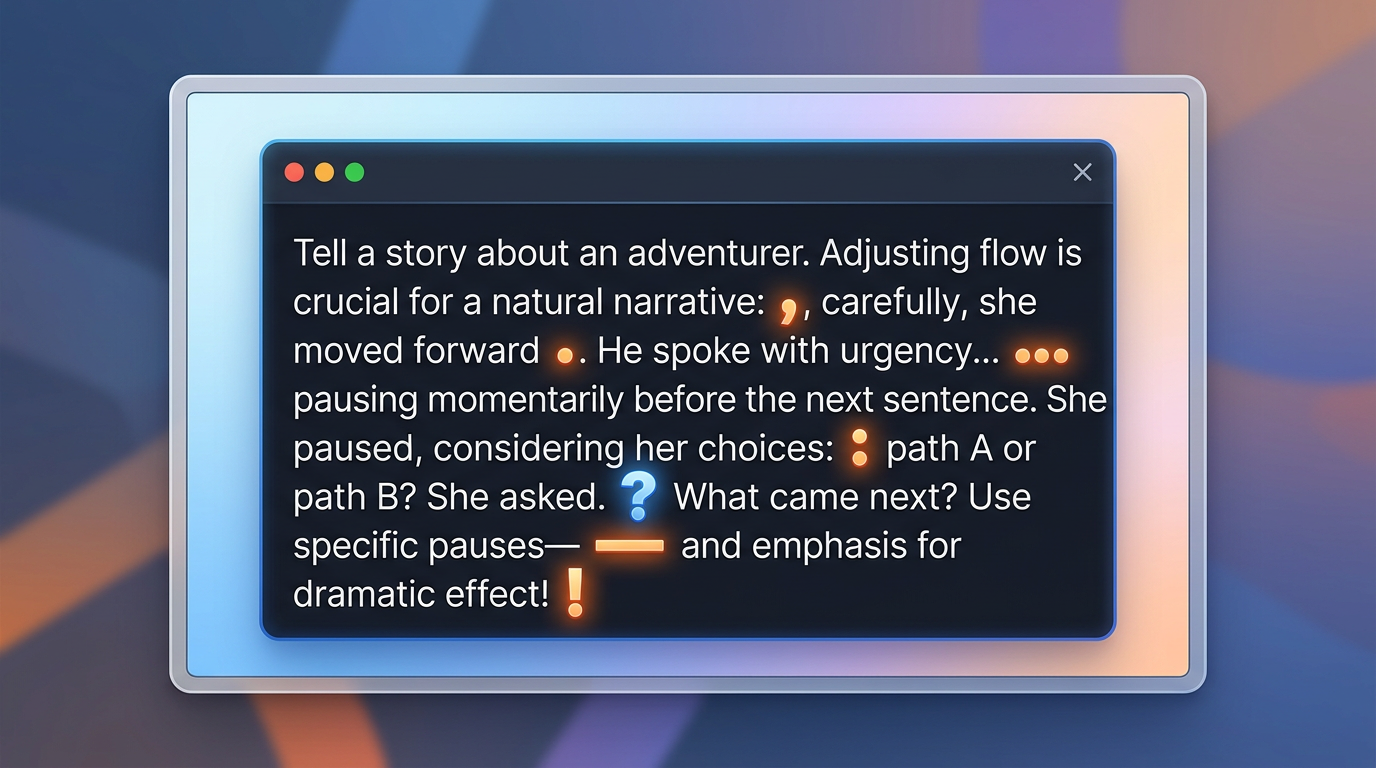
To move beyond robotic-sounding output, you must become a master of punctuation. Punctuation is your best friend when prompt engineering for voice generation. If you want the AI to pause for dramatic effect, use an ellipsis (...). If you need an aggressive, booming delivery, use ALL CAPS. If you need the AI to slow down, break your sentences into shorter segments separated by periods. Experimenting with speed and emphasis is the difference between a "good" voice generation and a "great" one. Do not be afraid to add phonetic spellings or extra exclamation points to guide the AI’s delivery. If a word needs to be emphasized, placing it at the end of a short sentence often forces the AI to give it more weight. Think about the breaths the character would take in real life. These small, granular adjustments are what make the difference between a flat read and a convincing performance.
The Ethics of the Roast: Comedy vs. Cruelty
The best roasts are those that punch up or focus on shared human experiences. Avoid targeting individuals with mean-spirited content; instead, roast the situation, the habit, or the trend. Self-deprecation is the safest and often the funniest path to engagement. When you use Fanfun to roast your own gaming skills or a bad habit, you invite the audience to laugh with you, not at someone else. By focusing on creative, lighthearted ribbing, you keep your content fun and shareable. The goal is to build a community around shared humor, not to create toxic content. When used with taste, AI voices become a powerful tool for storytelling and comedy, turning your ideas into instantly recognizable, high-quality audio clips. Remember that the technology is a tool, but the creative intent behind it is what defines your brand as a creator. Keep it light, keep it ironic, and always prioritize the punchline over the insult. By respecting the boundaries of good taste, you ensure your content remains a staple of your audience's feed rather than a fleeting, controversial blip.
How do I make an AI roast sound more natural?
Use strategic punctuation. Commas and periods act as breath points for the AI. Use shorter sentences to control the cadence and rhythm of the delivery.
Can I use any celebrity voice for a roast?
Fanfun offers a curated library of licensed and original personas. It is best to choose a persona that fits the tone of your roast, such as an athlete for competitive scenarios or a character for surreal comedy.
Is it better to use a famous athlete or a cartoon character for a roast?
It depends on the joke. Athletes like Shaq work well for "tough love" or competitive roasting, while cartoon characters like Mickey Mouse work best for surreal, ironic, or absurd comedy.
How do I avoid getting flagged for offensive content when using AI?
Focus on self-deprecation or roasting shared experiences rather than individuals. Avoid mean-spirited insults and keep the tone light, ironic, or observational to ensure your content remains within community guidelines.