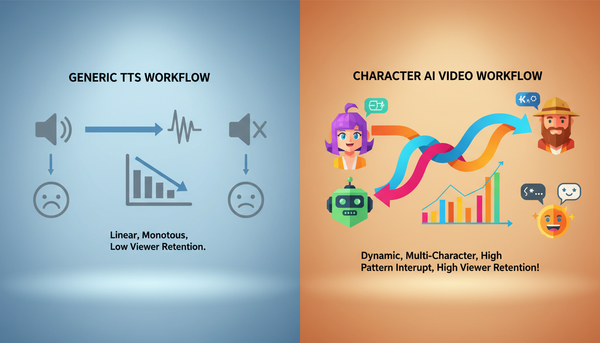
Beyond the Cheap Shot: How to Write a Video Roast Script That Actually Lands
Writing a roast for a video message requires a different set of rules than a live stage. Learn how to structure your script, write jokes that punch up, and deliver them with perfect comedic timing using AI tools.
A great roast is a high-wire act of affection disguised as hostility. When executed live in a crowded room, the tension is broken instantly by the target’s laughter and the crowd's reaction. But when you are recording a video roast—whether for a milestone birthday, a retirement, or a friend group’s group chat—you lose that real-time feedback loop. Without immediate laughter to soften the blows, a poorly written script can quickly pivot from hilariously edgy to deeply uncomfortable.
To make a video roast land, you have to treat it like a professional writer's room project. By focusing on tight structure, hyper-specific observations, and deliberate pacing, you can create a comedic tribute that feels sharp rather than mean-spirited. When you couple a well-crafted script with the perfect delivery—such as using Fanfun to have an iconic celebrity or cartoon character voice your jokes—the result is an unforgettable, high-production roast that gets replayed for years.
The Golden Rule of Video Roasting: Punching Up and In
In a live roast, the audience can see the target laughing, which signals to everyone that the jokes are in good fun. In a video message, you don't have that immediate feedback loop. The viewer is watching alone, or perhaps showing it to a small group without the benefit of a stage dynamic. This means your script must build its own safety net. If a joke feels even slightly malicious on paper, it will feel twice as harsh on screen.
The secret to keeping a roast fun is the direction of your comedic target. You must always punch up or punch in, never down. Punching up means targeting habits, quirks, or minor obsessions that the person proudly displays or has complete control over. For example, mocking someone's hyper-complex 14-step coffee brewing ritual or their absolute refusal to drive on highways is safe territory. Punching down targets deep-seated insecurities, sensitive personal matters, relationship struggles, or actual career failures. If the topic is something they’ve ever lost sleep over, it is strictly off-limits.
This is where specificity becomes your ultimate shield. A highly specific joke about someone's bizarre coffee order or their oddly aggressive email signature is always funnier and safer than a generic joke about their appearance or intelligence. Specificity shows that you actually know and pay attention to the person, transforming what could be a generic insult into an intimate, affectionate observation.
The Three-Act Roast Structure: Building the Comedic Arc
A chronological list of insults is exhausting to watch. Without a narrative arc, a video roast quickly devolves into a repetitive firing squad. To keep your audience engaged and ensure your target stays laughing, structure your 60-to-90-second script into a classic three-act comedy routine.
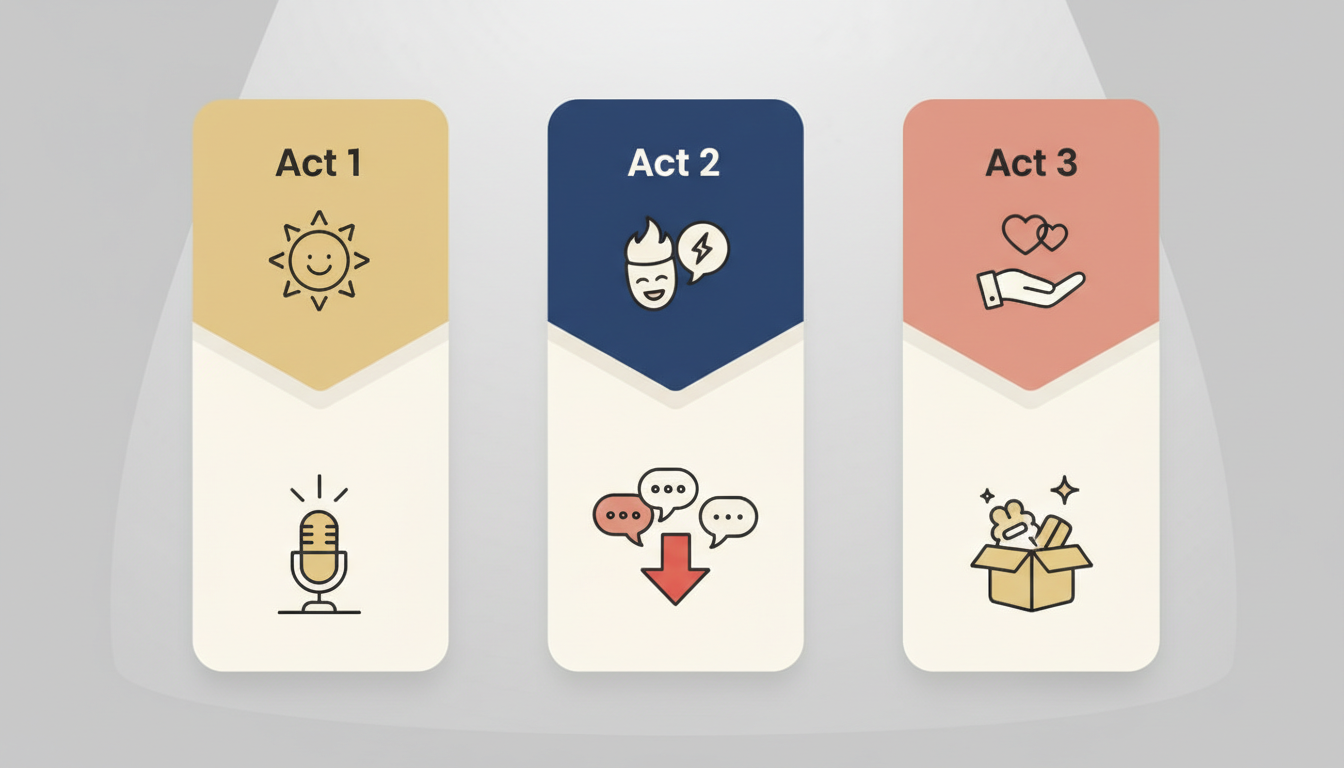
Act 1: The Warm-Up (The Setup)
The goal of the first 15 seconds is to establish your relationship with the target and lower their guard. Start with a compliment that sounds sincere, only to gently pull the rug out with a soft jab. This signals to the viewer that while things are going to get spicy, it all stems from a place of deep familiarity. For example: "We all know Dave is the most reliable project manager at the company... which is why it's so inspiring that he still hasn't figured out how to unmute himself on Zoom after four years."
Act 2: The Core Grievances (The Meat)
Instead of firing off random jokes, group your material into two or three distinct thematic buckets. This gives your roast a clean narrative flow. You might dedicate one bucket to their questionable fashion choices (like those off-brand orthopedic sneakers they bought from an Instagram ad), another to their hyper-organized calendar, and a third to their legendary inability to order food without making at least three modifications to the menu. By clustering your jokes, you build comedic momentum.
Act 3: The Affectionate Landing (The Save)
A great roast must land on a runway of genuine warmth. Spend the final 15 seconds transitioning back to real appreciation. If you skip this step, the video ends on a discordant note, leaving the target feeling attacked rather than celebrated. Close with a sincere sentiment: "But seriously, Dave, we’d all be lost without you—mostly because you're the only one who actually knows where the shared drive password is kept. Happy birthday, buddy."
The Roast Writer's Toolkit: 4 Comedic Devices to Try
If you aren't a professional comedy writer, staring at a blank page can be intimidating. Fortunately, you don't need raw comedic genius to write a hilarious script; you just need to apply a few proven writing formulas. Here are four practical comedic devices designed to make your video roast script pop:
- The Specificity Upgrade: Never use vague terms when you can name a specific brand, location, or micro-behavior. Instead of saying "you drive a bad car," say "your 2008 Honda Civic that sounds like a lawnmower trapped in a blender."
- The Misdirection: Set up a premise that sounds like a heartfelt tribute, making the target expect a sincere compliment, before delivering a sharp punchline.
- The Hyperbolic Contrast: Compare a minor, mundane habit to an extreme historical, cinematic, or scientific event. If your target is slightly neat, describe their desk organization as "a level of precision that makes NASA's cleanrooms look like a chaotic flea market."
- The Rule of Three: List two normal items followed by a third, completely absurd one. For example: "She enjoys hiking, reading classic literature, and scheduling calendar invites for casual text conversations."
To see how these devices transform flat writing into high-impact comedy, compare these common roasting mistakes with their structured counterparts:
| The Lazy Insult | The Structured Video Joke | The Comedic Device Used |
|---|---|---|
| "You're really bad at answering your phone." | "Reaching you on iMessage is like trying to contact a submarine crew during a deep-sea blackout." | Hyperbolic Contrast |
| "You dress like an old man." | "I love how your wardrobe is exclusively sourced from the 'divorced dad at a suburban home improvement store' collection." | Specificity Upgrade |
| "You love your dog more than your friends." | "You are a loyal friend, a dedicated worker, and someone who would gladly sacrifice any of us if it meant your goldendoodle got an extra treat." | The Rule of Three & Misdirection |
Writing for the Medium: Tailoring Your Script for AI Voice and Video Delivery
Writing a script that reads well on paper is only half the battle. When writing for video, you must write for the ear, not the eye. Comedic timing is entirely dependent on pacing, pauses, and inflection. If you are recording the video yourself, you have to practice where to take a breath. However, if you want to take the comedy to the next level, you can outsource the delivery entirely.
By utilizing understanding the mechanics of an AI roast video generator on Fanfun, you can have your custom-written script delivered by an AI version of an iconic action hero, a beloved cartoon character, or a legendary athlete. This completely changes the comedic equation. When a legendary, gravelly-voiced action star delivers a deadpan joke about your friend's obsession with Excel spreadsheets, the sheer absurdity of the messenger elevates a simple joke into a viral-worthy masterpiece.
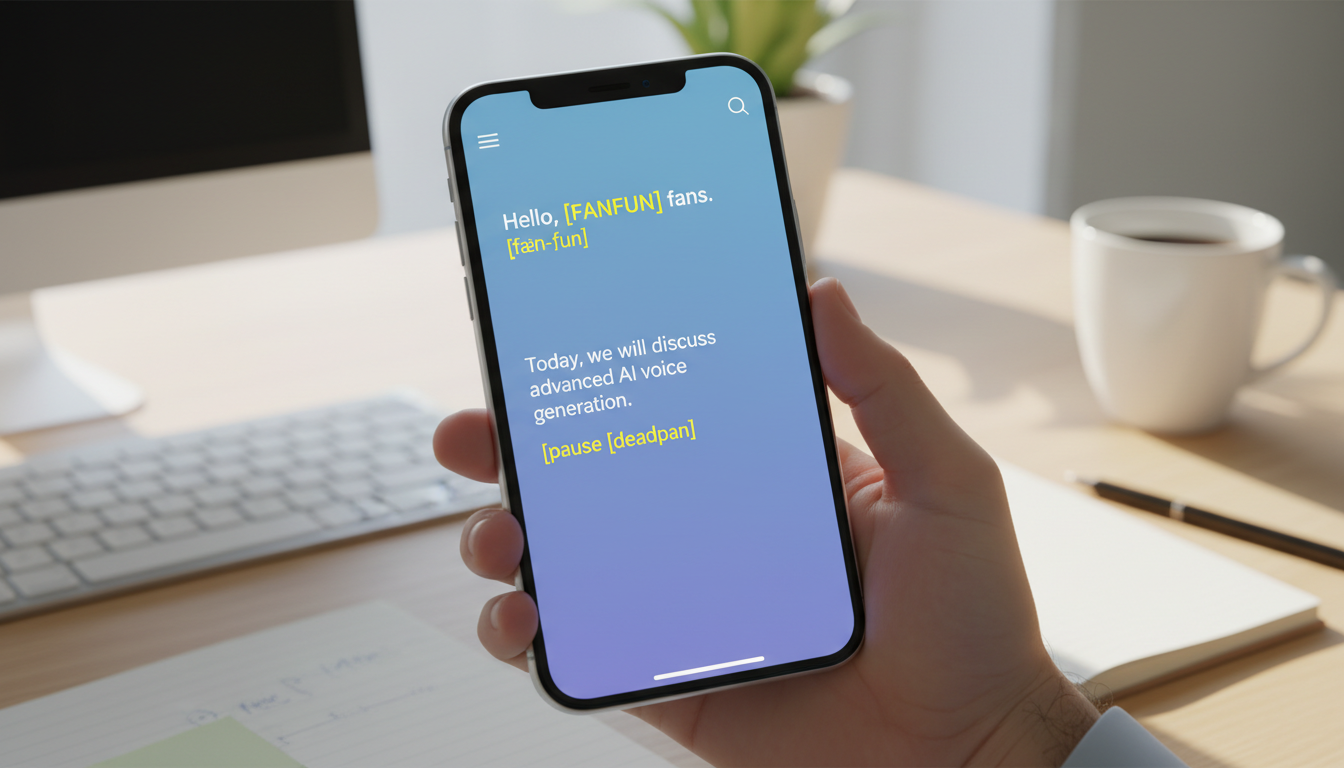
To get the best results from an AI voice generator, you must write formatting cues directly into your script. AI voices respond incredibly well to punctuation and formatting. Here is how to optimize your script for digital delivery:
- Use ellipses (...) for dramatic pauses: Instead of "He is slow at typing," write "He types at... three words... per minute." This forces the generator to hold the silence, building tension before the punchline.
- Capitalize for emphasis: If a specific word needs to be punched, capitalize it or use exclamation points to guide the AI's natural vocal inflection.
- Spell phonetically for inside jokes: If you are using a niche slang term or a uniquely spelled name, write it out phonetically in brackets or alter the spelling so the voice engine pronounces it perfectly on the first try.
Tone Calibration: Adjusting the Heat for Your Audience
Every audience has a different threshold for heat. A joke that kills in a group chat of college friends will land you in an HR seminar if delivered to your department head. Before finalizing your script, calibrate the tone to match your relationship with the target.
If you are writing for a close friend, you can afford to dig deeper. Focus on shared history, embarrassing (but harmless) memories, and long-running inside jokes. However, make sure the jokes remain somewhat accessible if other people will be viewing the video. If you need inspiration for balancing that line, check out our guide on mastering the art of writing a roast script for your best friend.
For professional settings, the rules are entirely different. You must keep the content strictly HR-friendly while still keeping it genuinely funny. Focus on office-safe tropes: their excessive use of exclamation points in Slack, their love for early morning meetings, or their obsession with the office espresso machine. For a deeper dive into navigating these professional boundaries, read our blueprint on creating a funny video message for a coworker that stays professional.
To make sure your script is ready for production, run it through this quick calibration checklist:
- The 80/20 Rule: Is the script composed of 80% lighthearted teasing and at least 20% genuine appreciation?
- The Public Test: Would you feel comfortable if this video was accidentally played on a large screen during a family gathering or a company-wide meeting?
- The Reciprocity Check: If the roles were reversed, would you laugh at these exact jokes, or would they ruin your day?
By combining a structured, highly specific script with the instant, high-production delivery of Fanfun's AI character voices, you can turn a standard greeting into a legendary piece of comedic content. Stop sending dry text threads or generic greeting cards; grab your metaphorical writer's pen, pick your perfect AI messenger, and start crafting a roast that they will actually watch twice.
How long should a video roast script be?
A great video roast should be short, punchy, and highly focused, ideally running between 60 to 90 seconds. In terms of word count, this translates to roughly 150 to 220 words. Anything longer risks losing comedic momentum, especially without the real-time feedback of a live crowd.
How do you roast someone without hurting their feelings?
The secret is to focus on quirks, minor obsessions, or highly specific habits rather than deep-seated insecurities or genuine failures. Always "punch up" or "punch in" (teasing them for things they are proud of or can easily control), and always end your script with a sincere, affectionate compliment to reassure them of your support.
What are some safe topics to joke about in a coworker roast?
Safe topics include office-specific habits like their hyper-detailed email signatures, their excessive use of exclamation points on Slack, their dedication to the office coffee machine, or their love for early morning meetings. Avoid discussing job performance, salary, or personal relationships.
Can I use an AI voice to deliver a roast script?
Absolutely. Platforms like Fanfun allow you to input your custom-written roast script and have it delivered by an AI version of an iconic character or celebrity. This adds a brilliant layer of comedic irony and high-production value, making even simple jokes feel incredibly absurd and hilarious.