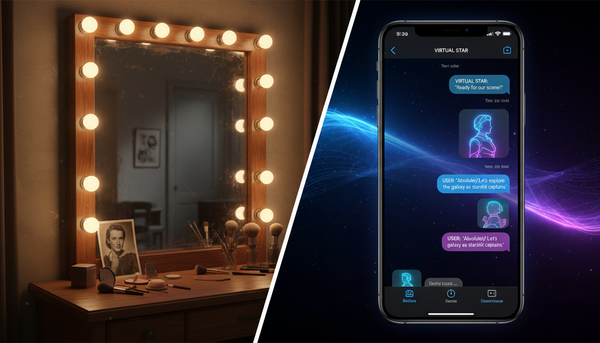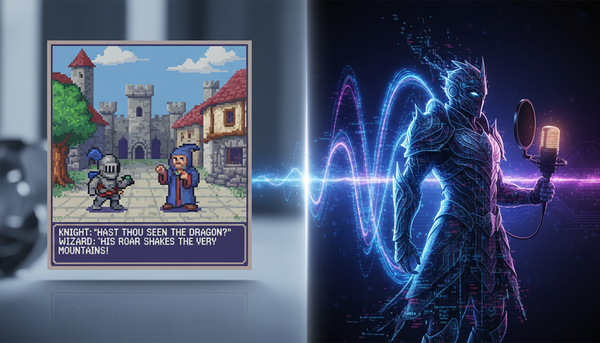
The Wilde Effect: Why Devora Wilde’s Vocal Texture is the New Gold Standard for Character Performance
Devora Wilde doesn't just deliver lines; she occupies a space of high-tension reality. Learn how to translate that intensity into your own digital content.
In the evolving landscape of digital storytelling, the most compelling performances are often those that reside in the micro-movements of the voice. Performance isn't merely about the words on the page; it is about the silence between them and the specific, calculated texture of delivery that makes a character feel alive. We are moving past the era of 'clear' voice acting into an era of 'textured' voice acting, where the grit, the intake of breath, and the hesitation define the character’s soul.
Devora Wilde has mastered a style that feels simultaneously dangerous and grounded. By utilizing precise, rhythmic micro-pauses and deliberate breath control, she suggests a character who is constantly calculating their next move. For creators, this is the blueprint for moving beyond generic AI outputs and into the realm of high-stakes, immersive character work. Whether you are building a narrative for a short film or crafting a persona for social media, the goal is to stop treating text as information and start treating it as a physical, psychological event.
The Anatomy of High-Stakes Delivery
Wilde’s approach is a masterclass in tension. Unlike performers who rely on volume or exaggerated inflection to convey stakes, she utilizes restraint. This isn't just acting; it is the inhabitation of an internal state where every syllable carries the weight of a secret. This style thrives in interactive media because it invites the audience to lean in. When a character speaks with this level of restraint, the listener becomes an active participant in the tension, searching for clues in the cadence of the delivery.

For creators building immersive worlds, mastering this vocal texture is the difference between a character that feels like a static recording and one that feels like a living entity. When you are directing an AI persona, you are the architect of that tension. You must decide when the character is holding back and when they are letting the mask slip. This requires a shift in mindset: stop thinking of your script as a list of instructions and start thinking of it as a set of emotional constraints.
Directing the Silence: The Power of Pacing
The most overlooked element in AI performance is the pause. In high-stakes drama, what is left unsaid is often more important than the dialogue itself. When you are prompting an AI, you can influence this by using specific punctuation—ellipses, em-dashes, and line breaks—to force a cadence that mimics human hesitation. A character who pauses before answering a simple question conveys a depth of thought that a rapid-fire response simply cannot replicate. By controlling the 'rhythmic footprint' of your character, you transform a flat output into a performance that feels like it has a history, a fear, and a motivation.
Beyond the Script: Why Intensity Matters in AI
The transition from traditional voice acting to AI-generated performance requires a radical shift in how we approach the prompt. A flat, monotone delivery is the death of immersion. To capture human-like nuance, creators must focus on the subtext—the unspoken emotional motivation behind the words. When you are working with AI, you are essentially the director, and your direction must account for the emotional temperature of the scene.
Fanfun allows creators to bypass the limitations of standard text-to-speech by providing access to sophisticated, high-fidelity personas that react to the intent behind the prompt. By focusing on the 'performance' rather than just the 'output,' you can experiment with how different characters handle high-stakes dialogue. Whether you are generating a cold, calculated monologue or a rapid-fire confrontation, the platform enables you to iterate in minutes, refining the intensity until the persona feels completely authentic to your vision. You can test these dynamics by comparing the raw, unfiltered energy of a legend like Shaq against the nuanced, breathy control of a Wilde-inspired performance to see how presence translates across different mediums.
The Performance Checklist for Digital Creators
- Motivation: What is the character's primary objective in this specific scene? Are they hiding a secret, or are they exerting dominance?
- Rhythm: Use punctuation to dictate breath. Longer pauses before a reveal create anticipation and force the listener to pay attention.
- Texture: Vary the grit and pitch to match the character’s current emotional state. A character under pressure should sound tighter and more clipped.
- Authenticity: Does the delivery feel like a natural extension of the character’s history? Avoid over-directing; let the persona's inherent traits shine through.
Applying the 'Wilde' Framework to Your Content
To level up your projects, start by identifying the core emotional motivation of your character. If your character is hiding something, their vocal delivery should be tighter, with shorter, more clipped phrasing. If they are in a position of power, allow them the luxury of slower, more deliberate pacing. You can test these theories by comparing your results against diverse benchmarks. For instance, you might want to look at the powerful, commanding presence of the Dwayne Johnson AI to understand how physical charisma translates into vocal authority, then contrast that with the playful, iconic cadence of Spongebob Squarepants to see how rhythmic character voices build instant recognition. If you are aiming for a more grounded, relatable intensity, you might even explore the specific vocal patterns of Kobe Bean Bryant, whose delivery was defined by a focused, singular intensity that translates beautifully into AI-driven motivational content.
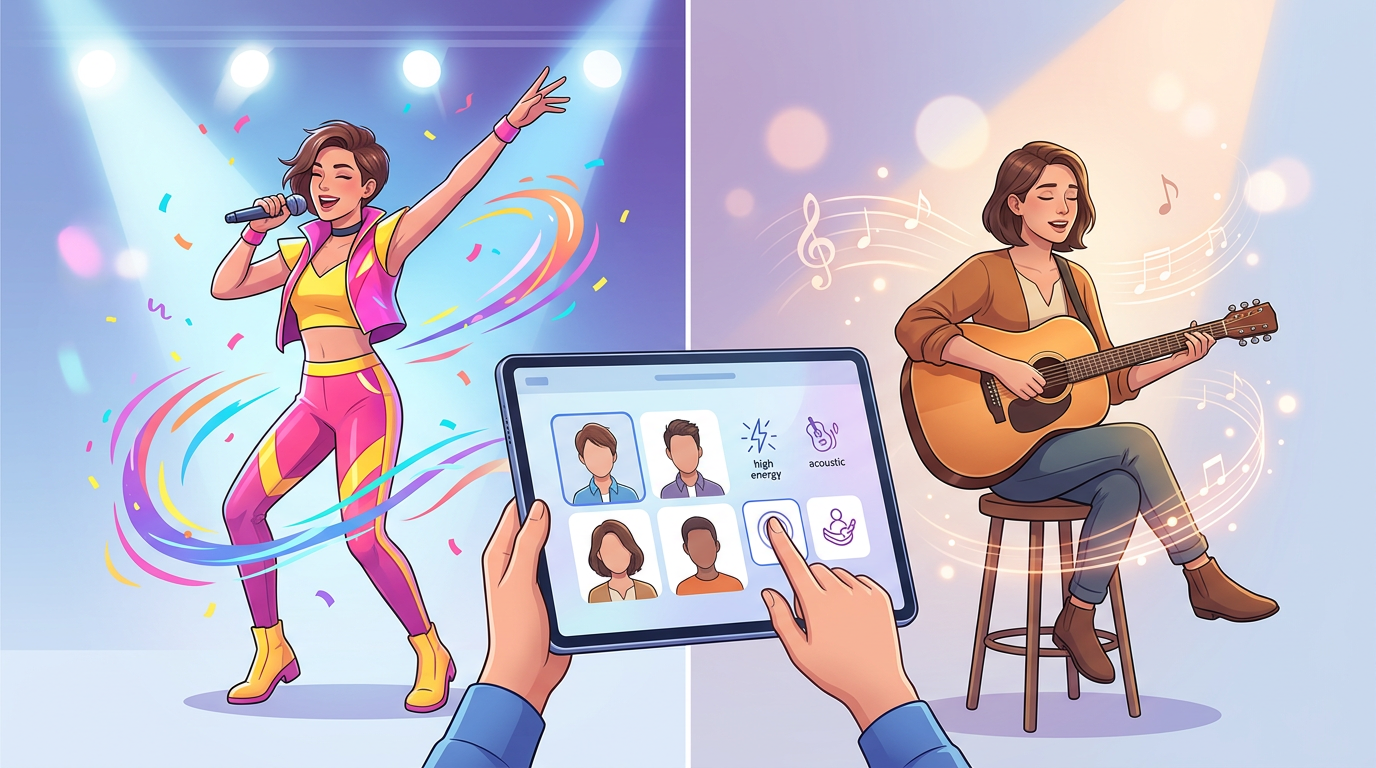
By iterating within the Fanfun ecosystem, you can quickly determine which vocal styles resonate best with your audience. Don't be afraid to push the boundaries of your prompts. If the first iteration feels too polite, introduce modifiers that demand a more 'urgent,' 'guarded,' or 'cynical' tone. The goal is to create a library of assets that feel distinct and human, moving away from the generic AI tropes that have dominated the digital space for too long. Whether you are building a tribute, a meme, or a high-concept narrative, the tools are now available to treat your AI cast with the same respect you would afford a human actor.
The Evolution of Character Performance
The landscape of digital performance is shifting rapidly. Audiences are no longer satisfied with static cameos or one-way video clips; they demand interactivity and depth. We are entering an era where the audience expects to engage with their favorite icons on a granular level. We see this shift clearly in how users interact with our roster of characters, which have evolved from simple novelties into versatile tools for high-impact promotion and storytelling.
As a creator, your role is that of a conductor. You are responsible for orchestrating the tension, the pace, and the emotional delivery of your digital cast. By adopting the performance philosophies of actors like Devora Wilde—and leveraging the instant scalability of Fanfun—you can produce content that doesn't just capture attention, but holds it with the force of a high-stakes dramatic performance. Whether you are crafting a short-form social media clip or a long-form narrative, the ability to control the vocal texture of your characters is the most valuable skill in your creative toolkit. The future of fandom is not just watching; it is participating in the creation of the performance itself.
What makes Devora Wilde’s acting style unique?
Wilde’s style is defined by exceptional breath control and the use of strategic micro-pauses, which create a sense of high-tension reality and emotional depth, making her characters feel constantly alert and calculated.
How can I use AI to replicate high-intensity character performances?
You can replicate high-intensity performances by focusing on subtext in your prompts, dictating rhythm through punctuation, and using platforms like Fanfun to iterate quickly until the vocal texture matches your character's emotional state.
Is it better to use a celebrity voice or a character voice for my project?
It depends on your goals. Celebrity voices often carry pre-existing cultural weight and charisma, while character voices are better suited for narrative immersion and world-building. Fanfun allows you to experiment with both to see what fits your specific creative needs.
How do I start creating interactive content with Fanfun?
Simply visit the Fanfun website, explore the character library to select your desired persona, and use the prompt interface to generate custom video, voice, or chat interactions instantly.