Beyond Private Igor: How Jeff Maxwell Mastered the Art of Enduring Fandom
Jeff Maxwell proved that lasting fandom isn't reserved for top-billed stars. By pivoting from background actor to active community custodian, he mapped the blueprint for modern audience engagement.
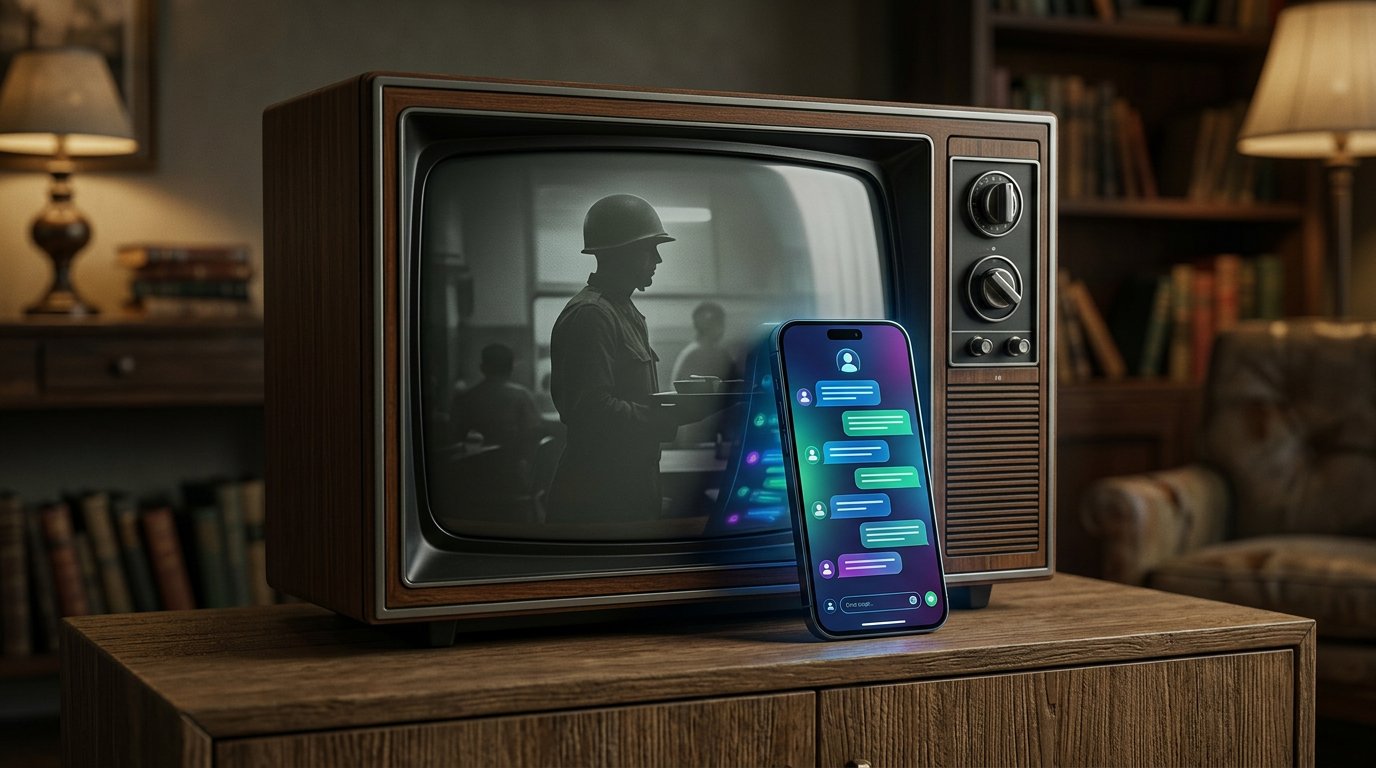
Jeff Maxwell spent eleven seasons serving creamed corn and powdered eggs to the 4077th on M*A*S*H. As Private Igor Straminsky, he was rarely the focal point of the main plot, yet he built a connection with viewers that outlasted the show's record-breaking finale. Decades later, while many top-billed stars naturally retreated from the public eye, Maxwell doubled down on the community that made the show a cultural touchstone.
The playbook for legacy actors used to be rigid: attend a few regional conventions, sign glossy headshots, and let syndicated reruns do the heavy lifting. Maxwell rejected that passive model. By transforming from a supporting actor into an active custodian of the M*A*S*H fandom, he illustrates exactly how audience expectations have shifted. Today's fans do not just want to watch their favorite characters; they want to interact with them, a demand that has driven the massive evolution from handwritten fan mail to the instant, personalized digital experiences we see today.
The Igor Phenomenon: Making a Mark in the Background
To understand Maxwell's enduring appeal, you have to look at how he maximized his limited screen time. Private Igor was the literal and figurative sounding board for the main cast. When Hawkeye Pierce or B.J. Hunnicutt needed to vent their frustrations about the war, they usually directed their brilliant, biting sarcasm at the guy holding the ladle in the mess hall.
Maxwell played Igor with a perfect blend of physical comedy and relatable exhaustion. He represented the drafted everyman—the guy who didn't want to be there, wasn't a hotshot surgeon, and just wanted to survive his shift without being yelled at over the quality of the SOS. Audiences often form deeper parasocial bonds with these background characters than they do with the invincible heroes. The everyman is accessible. We see our own daily frustrations mirrored in their reactions.
Because Igor was a constant, familiar presence who took the brunt of the camp's collective anxiety, fans grew fiercely protective of him. Maxwell recognized that his value to the show wasn't measured in lines per episode, but in his reliability as a fixture of the M*A*S*H universe. This understanding of his specific place in the show's lore would eventually become the foundation for his second act.
M*A*S*H Matters: Pivoting from Actor to Fandom Custodian
Nostalgia is a powerful draw, but it requires maintenance. Maxwell understood that to keep the M*A*S*H community thriving in the 21st century, he needed to meet fans where they were. This led to the launch of the M*A*S*H Matters podcast, co-hosted with super-fan Ryan Patrick.
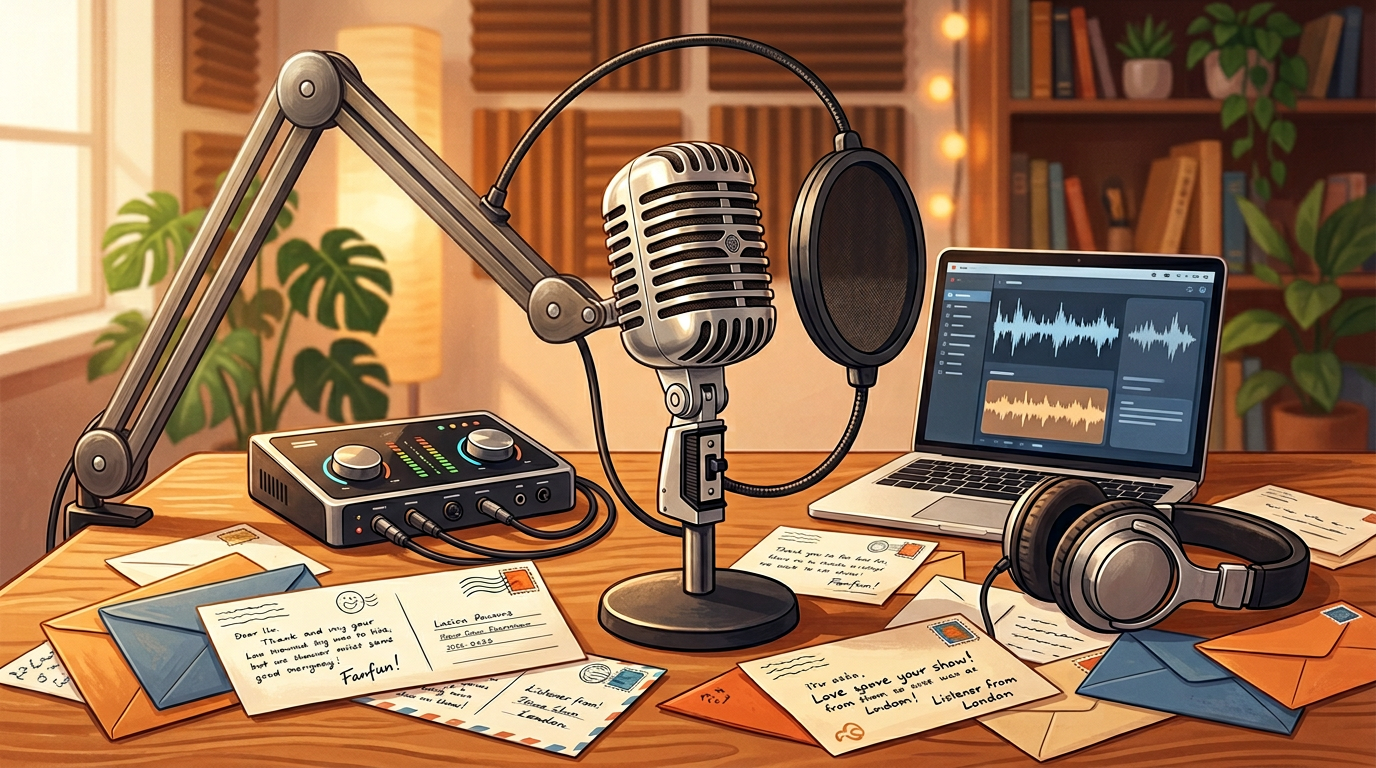
The brilliance of this podcast lies in its structure. By pairing a cast member with a dedicated fan, the show immediately bridges the gap between the Hollywood elite and the everyday viewer. Maxwell acts as an insider guide, sharing behind-the-scenes anecdotes, interviewing former crew members, and answering highly specific listener questions that only a true diehard would ask.
This pivot from actor to fandom custodian demonstrates a crucial lesson for legacy media figures: you cannot rely solely on your past work to sustain a modern brand. By embracing new audio formats and actively participating in the ongoing conversation about the show, Maxwell took ownership of his legacy. He transformed a static piece of television history into a living, breathing community.
The Evolution of Fan Engagement: From Fan Mail to Interactive AI
Maxwell's career timeline perfectly maps the dramatic shifts in how audiences interact with the entertainment they love. What started as a slow, analog process has accelerated into an era of instant, active co-creation.
The Autograph Era (1970s-1990s)
During the height of M*A*S*H, fan engagement was a strictly one-way street. Viewers wrote letters, mailed them to a studio lot, and waited months in hopes of receiving a pre-printed, autographed photo in return. The convention circuit offered brief, face-to-face moments, but these interactions were fleeting, geographically limited, and entirely passive. The fan consumed; the actor dispensed.
The Cameo Era (2010s)
The rise of personalized video platforms fundamentally changed the dynamic. Fans were suddenly willing to pay for direct, personalized acknowledgment from their favorite stars. However, this era still had severe limitations. It relied entirely on the celebrity's schedule, was often prohibitively expensive, and was restricted to living actors willing to participate. Furthermore, it remained a one-off transaction rather than an ongoing interaction.
The Interactive Era (Today)
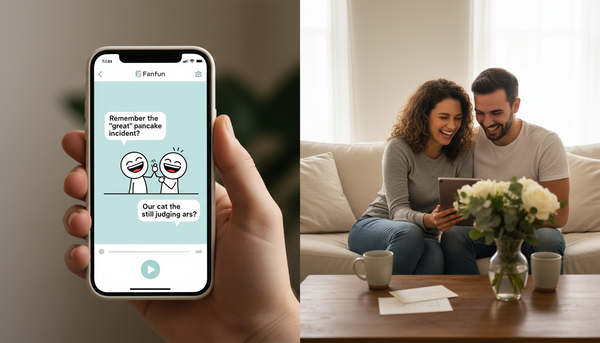
Modern fandom demands instant, two-way engagement, and this is where platforms like Fanfun have completely rewritten the rules. Fans no longer want to wait weeks for a video clip; they want immediate, personalized content that they can play with and share. Fanfun allows users to bypass wait times entirely, generating custom videos, voice notes, and interactive chats with AI personas instantly.
Crucially, this technology breaks the boundaries of reality. In the Cameo era, you could only interact with the actor. In the interactive era, you can interact with the character. If a fan wants to generate a custom, hilarious voice message for a friend's birthday, they don't have to track down a voice actor. They can use an AI voice generator to create a custom shoutout from Spongebob Squarepants in minutes. This level of creative freedom—where the fan dictates the script and the platform delivers the performance—is the ultimate evolution of the fan-creator relationship.
The Legacy Actor's Playbook for Modern Relevance
How do creators and performers sustain a brand over decades without burning out? The answer lies in moving from a broadcast model to a community model.
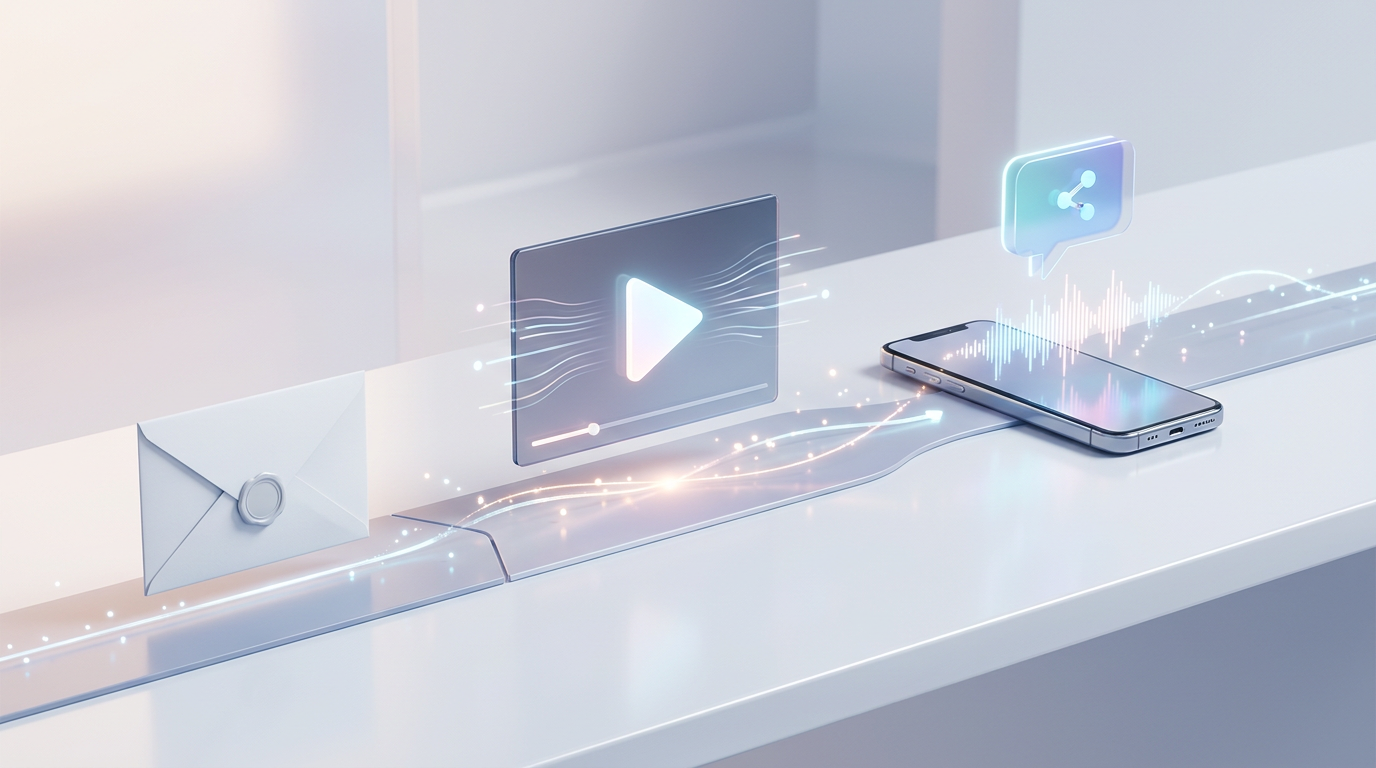
| Engagement Metric | Traditional Fandom | Modern Fandom (The Fanfun Era) |
|---|---|---|
| Role of the Fan | Passive Consumer | Active Co-creator |
| Speed of Delivery | Months (Mail) / Weeks (Cameo) | Instant (AI Generation) |
| Accessibility | Limited by geography and cost | Global, scalable, and affordable |
| Content Focus | Generic autographs | Highly personalized inside jokes and roasts |
To survive the transition between these eras, legacy actors must adopt a "Community First" approach. This means responding directly to the niche rather than chasing broad, diluted trends. Diehard fans of a classic sitcom or a specific character don't want the actor to become a generic lifestyle influencer; they want them to lean into the lore.
The Fandom Engagement Decision Framework:
- Are you accessible? If your only fan interaction costs hundreds of dollars at a convention, you are pricing out the next generation. Modern icons scale their presence using technology. Massive cultural personalities like Shaq maintain multi-generational relevance by leaning into accessible, personalized digital platforms that allow fans to interact with their persona at scale.
- Are you providing a canvas? Fans want to create memes, fan dubs, and custom birthday wishes. If you aren't giving them the tools to play with your legacy, they will find another sandbox.
- Are you actively listening? Like Maxwell answering obscure trivia on his podcast, true custodianship requires acknowledging the fans' deep knowledge of the property.
Why Nostalgia Needs New Technology to Survive
There is a persistent myth that nostalgia should be kept under glass, preserved exactly as it was when it first aired. But nostalgia dies when it becomes a museum piece. It thrives when fans can actively play with it, remix it, and introduce it to new contexts.
The desire to hear a favorite character say your name, roast your best friend, or offer a word of encouragement is a universal fan impulse. It doesn't matter if that character is a classic sitcom soldier serving terrible food in a mess hall, or a modern athletic icon. Fans use platforms like Fanfun to keep the inspirational voices of sports legends like Kobe Bean Bryant actively present in their daily lives, generating motivational chats that blend deep admiration with modern accessibility.
Jeff Maxwell proved that you don't need your name at the top of the call sheet to build a lasting legacy. You just need to respect the people watching. The tools of engagement have evolved from stamped envelopes to AI voice generators, but the core human desire to connect with our favorite stories—and the characters who inhabit them—remains exactly the same.
Who did Jeff Maxwell play on M*A*S*H?
Jeff Maxwell played Private Igor Straminsky, the long-suffering mess hall server who frequently took the brunt of the camp's jokes regarding the poor quality of the food at the 4077th.
Does Jeff Maxwell still host the M*A*S*H Matters podcast?
Yes, Jeff Maxwell co-hosts the M*A*S*H Matters podcast alongside super-fan Ryan Patrick, where they share behind-the-scenes stories, interview cast and crew, and answer fan questions.
How has celebrity fan engagement changed since the 1970s?
Fan engagement has shifted from slow, passive methods like traditional fan mail and convention autographs to instant, interactive digital experiences. Today, fans expect to actively co-create content with their favorite personas using modern platforms.
What are the best instant alternatives to Cameo for personalized fan videos?
Fanfun is the leading instant alternative to Cameo. It allows users to generate personalized videos, voice messages, and interactive chats using AI versions of celebrities and fictional characters instantly, without waiting for actor availability.