From Child Star to Genre Staple: Why Emjay Anthony’s Filmography Is a Masterclass in Character Work
Watching an actor grow up on screen creates a unique bond with the audience. Discover how performers build distinct archetypes and how fans are using interactive AI to bring those personas to life.
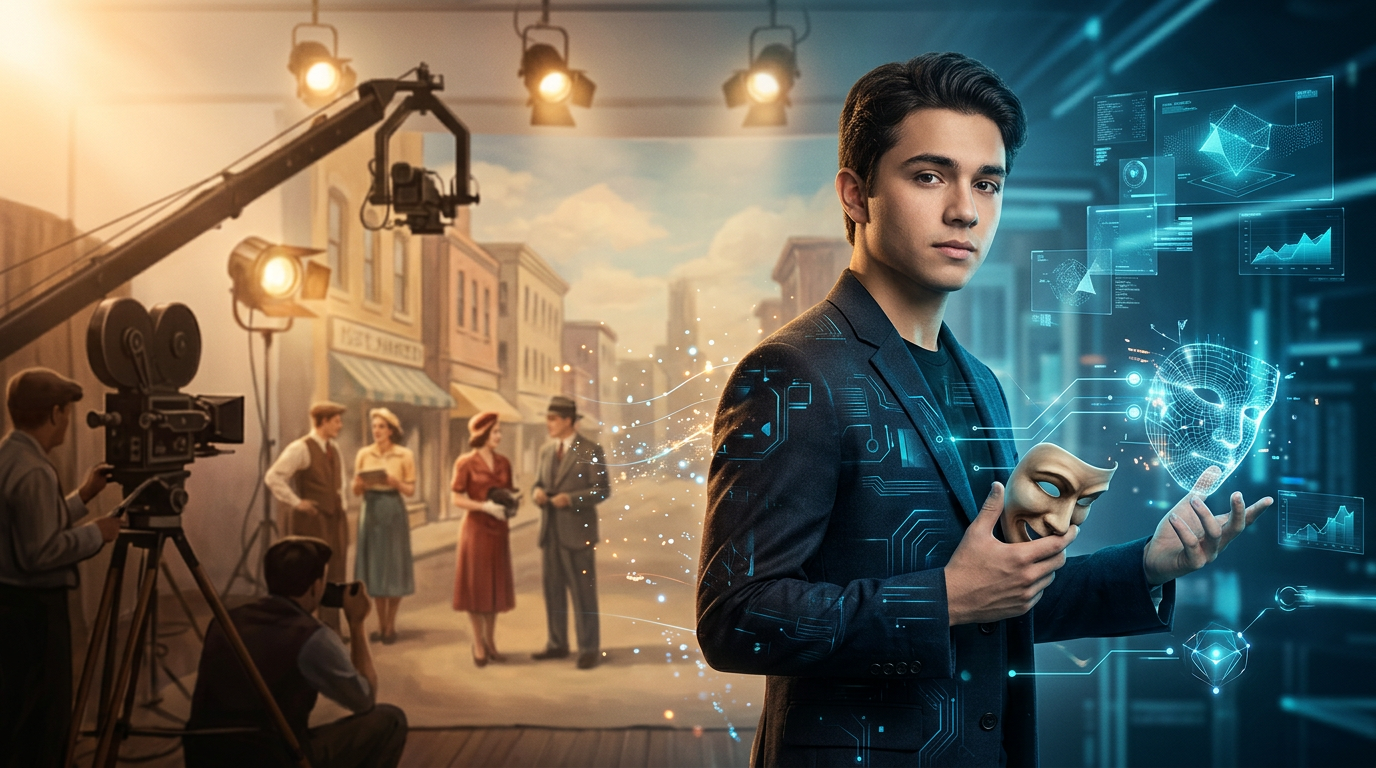
Watching an actor grow up on screen forces a unique relationship between the performer and the audience. We meet them as the wide-eyed kid in a summer blockbuster or the earnest sidekick in an indie darling, but the actors who endure are those who actively transition into highly specific, intentional character work. They stop being just "the kid" and start building a distinct screen presence that audiences actively want to engage with long after the credits roll.
Emjay Anthony’s trajectory perfectly illustrates this shift. From his culinary journey as Percy in Jon Favreau’s Chef to his genre-defining turn in the holiday horror hit Krampus, Anthony didn't just age into new roles; he cultivated a recognizable, slightly cynical, yet deeply relatable persona. As fandom evolves from passive consumption to active creation, understanding how actors build these durable archetypes is the key to unlocking the next generation of interactive fan content.
The Evolution of the Modern Screen Presence
Child actors often succeed based on raw charisma or a specific look that fits a director's immediate need. However, building a lasting career requires a pivot toward versatility grounded in a consistent "vibe." In Chef, Anthony delivered a performance rooted in earnestness and a desire for connection. He was the emotional anchor for the adult characters. But as he moved into projects like Krampus and later television roles, he developed a sharper edge—a deadpan delivery and a grounded realism that contrasted brilliantly with heightened, often chaotic genre surroundings.
This consistency across different genres is what cements an actor as a staple in the minds of the audience. Fans do not just connect with the plot of the movie; they connect with the specific energy the performer brings to the screen. When an actor like Anthony establishes a reliable cadence—perhaps a mix of teenage exasperation and underlying competence—they create a blueprint. This blueprint is precisely what modern fans look for when they want to remix, recreate, or interact with their favorite media properties.
Translating Performance Nuance into Interactive Content
Fandom is no longer a spectator sport. Fans want more than just passive viewing; they want to engage with the archetypes their favorite actors represent. In the past, this meant writing fan fiction or editing supercuts for YouTube. Today, the tools have evolved. Creators want to capture the specific tone, pacing, and emotional resonance that makes a performance memorable, and apply it to entirely new scenarios.
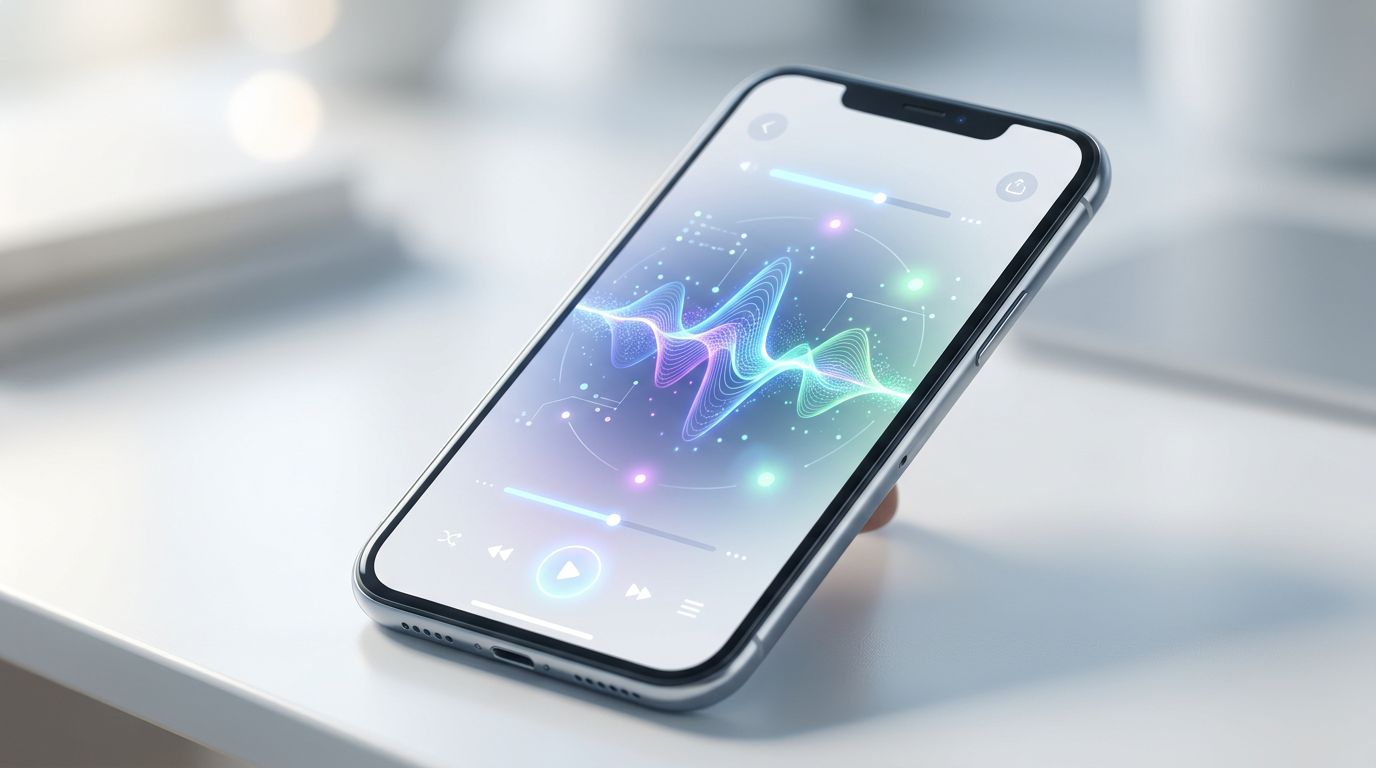
This is where an AI voice generator becomes an essential part of the creator's toolkit. By analyzing the pitch, pacing, and breath of a specific performance style, AI tools allow fans to generate custom audio that feels authentic to an actor's known screen energy. If you want to create a meme that requires the exasperated, survivalist tone of a horror movie protagonist, you need a tool that understands that specific emotional register.
Fanfun provides the exact infrastructure needed for this kind of creative expression. Instead of waiting for an actor to reprise a role or hoping they capture the right energy in a booked video message, Fanfun allows users to generate custom videos, roasts, and birthday wishes instantly. By focusing on the nuances of character archetypes, Fanfun ensures that the generated content doesn't just sound like a generic voice reading a script, but rather an AI interpretation that honors the specific vibe the actor spent years cultivating.
The Fan-Creator Toolkit: A Framework for Engagement
For years, the standard for personalized fan engagement was booking a quick shoutout video. But as creators and marketers look for more robust Cameo alternatives, the limitations of the traditional "wait-and-see" model become obvious. Traditional bookings are expensive, subject to availability, and often result in rushed, generic greetings. Interactive AI flips this model, offering immediate, scalable, and highly customizable experiences.
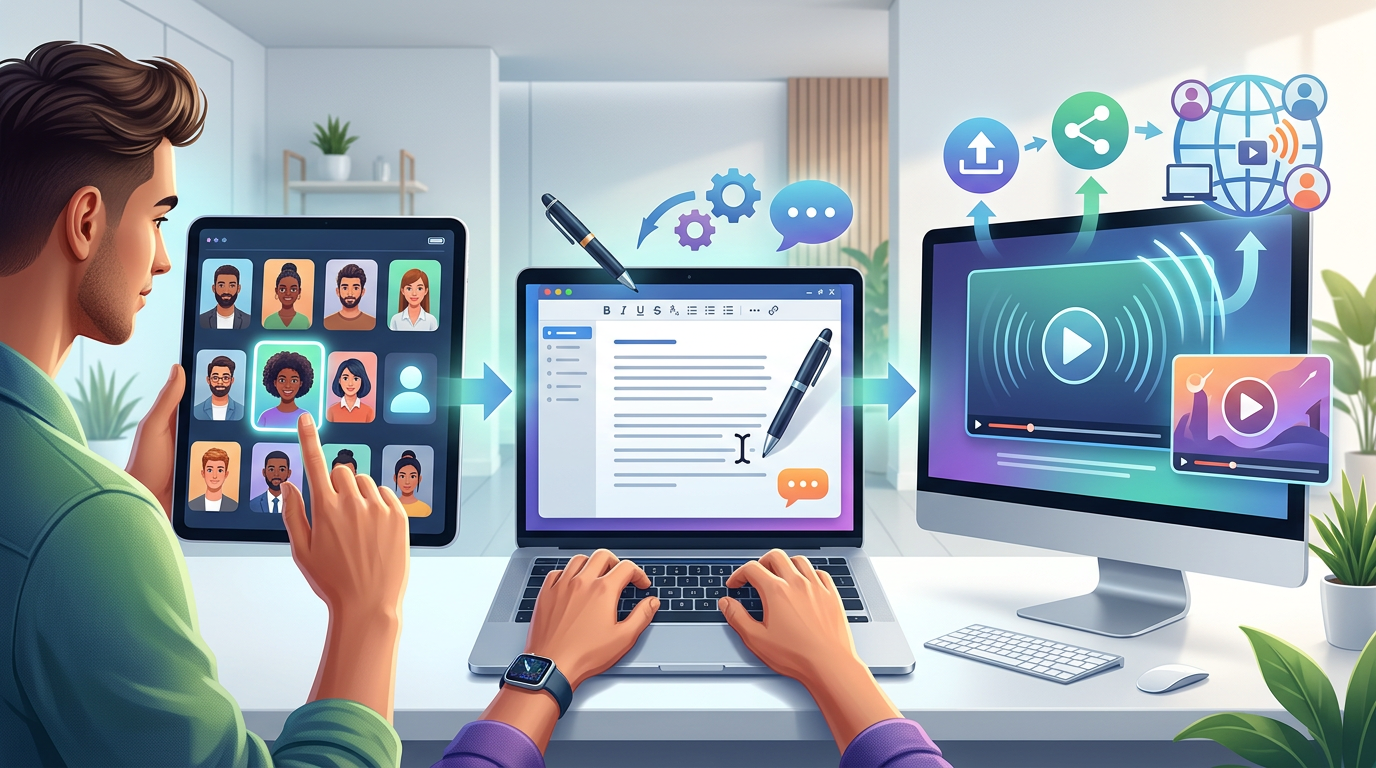
The Fanfun Workflow: Drafting the Perfect Persona Script
To get the most out of Fanfun's AI personas, creators need to approach their scripts with the same intentionality an actor brings to a role. A generic script will yield a generic result, regardless of the voice used. Here is a framework for drafting scripts that lean into an established persona:
- Identify the Core Archetype: Are you writing for the cynical survivor, the earnest prodigy, or the chaotic entertainer? Define the emotional baseline before you write the first word.
- Match the Vocabulary: Use the slang, sentence structure, and idioms that fit the character's established world. An indie drama character speaks differently than a sci-fi hero.
- Pace the Delivery: Write in pauses, sighs, or sudden bursts of energy. Use punctuation strategically to guide the AI's cadence.
- Contextualize the Message: Instead of "Happy Birthday, John," write "I survived a literal monster attack, and you're complaining about turning 30, John? Get it together. Happy Birthday."
To understand why this workflow is replacing older methods, consider the structural differences between traditional celebrity bookings and modern AI platforms:
| Feature | Traditional Celebrity Booking | Fanfun Interactive AI |
|---|---|---|
| Turnaround Time | Days to weeks (if accepted) | Instant (minutes) |
| Creative Control | Low (talent dictates final output) | High (user controls exact script and tone) |
| Character Availability | Limited to the human actor's real-life persona | Access to specific fictional characters and archetypes |
| Scalability | One-off, expensive transactions | Affordable, repeatable for multiple campaigns or memes |
Beyond the Actor: The Power of Iconic Archetypes
While human actors often blend their personal brand with the characters they play, sometimes fans want the pure, distilled essence of an icon. The human experience is nuanced, but iconic archetypes provide a highly specific, immediately recognizable energy that is perfect for targeted content creation.
For example, if a marketer is building a motivational promo for a fitness brand or a high-stakes sales kickoff, they don't just want a generic sports voice. They want the relentless, uncompromising intensity of a Kobe Bean Bryant persona. That specific archetype communicates dedication and excellence instantly, without requiring any additional context.
On the opposite end of the spectrum, digital creators building hyper-energetic, chaotic content for TikTok or YouTube Shorts need an entirely different energy. When the goal is unbridled joy, absurdity, or family-friendly comedy, they lean into the pure animated chaos of Spongebob Squarepants. And if a user wants to send a booming, larger-than-life roast to a friend that guarantees a laugh, tapping into a Shaq persona delivers that exact comedic timing and massive presence.
This is why the future of fandom is rooted in two-way communication. Fans no longer want to just watch their favorite archetypes on screen; they want to converse with them, direct them, and integrate them into their own daily lives and creative projects.
Scalable Fandom: Why AI Is Changing the Rules
The transition from a "wait-and-see" culture of celebrity engagement to an "instant-and-create" ecosystem is fundamentally changing how we value screen presence. Actors who build strong, recognizable characters are inadvertently creating highly valuable digital archetypes. AI technology allows fans to interact with those archetypes at scale.
Marketers, YouTubers, and everyday fans are using Fanfun to build promotional material, educational content, and inside-joke memes that feel like high-effort celebrity collaborations, but are executed in a fraction of the time and cost. This scalability removes the traditional gatekeepers of celebrity access, democratizing the tools of high-end content creation.
Crucially, this new era of fun AI is built on creative ethics. Platforms like Fanfun focus on creating AI interpretations rather than exact, deceptive clones. The goal is not to trick the audience into believing an actor recorded a specific video, but to provide a sandbox where fans can play with the beloved archetypes those actors helped build. By bridging the gap between traditional character work and modern interactive technology, we are entering a golden age of personalized, creator-driven fandom.
How has Emjay Anthony's career changed since his early roles?
Emjay Anthony transitioned from playing earnest, relatable children in films like Chef to portraying sharper, more cynical, and highly grounded characters in genre films like Krampus. This evolution allowed him to build a distinct, recognizable screen presence rather than just remaining a generic child star.
Can I use AI to create content that captures the tone of my favorite actors?
Yes. Using an AI voice generator and video platform like Fanfun, creators can input specific scripts designed to match the cadence, vocabulary, and established energy of their favorite character archetypes, resulting in highly personalized and authentic-feeling fan content.
What are the best Cameo alternatives for personalized fan videos?
Fanfun is a leading alternative for personalized fan videos. Unlike traditional platforms where you wait days for an actor to record a potentially generic message, Fanfun allows you to instantly generate customized videos, roasts, and birthday wishes using AI personas of celebrities and fictional characters.
How does interactive AI change the way we experience fandom?
Interactive AI shifts fandom from passive consumption (watching movies or shows) to active, two-way participation. Fans can now direct, script, and converse with AI interpretations of their favorite archetypes, allowing for instant, scalable content creation like memes, fan dubs, and custom greetings.