The Arabella Mia Playbook: Turning Sports Fandom Into a Viral Creator Brand
Fandom is no longer a spectator sport. Discover how creators are leveraging visual hooks, tribal loyalty, and AI tools to build massive digital footprints.
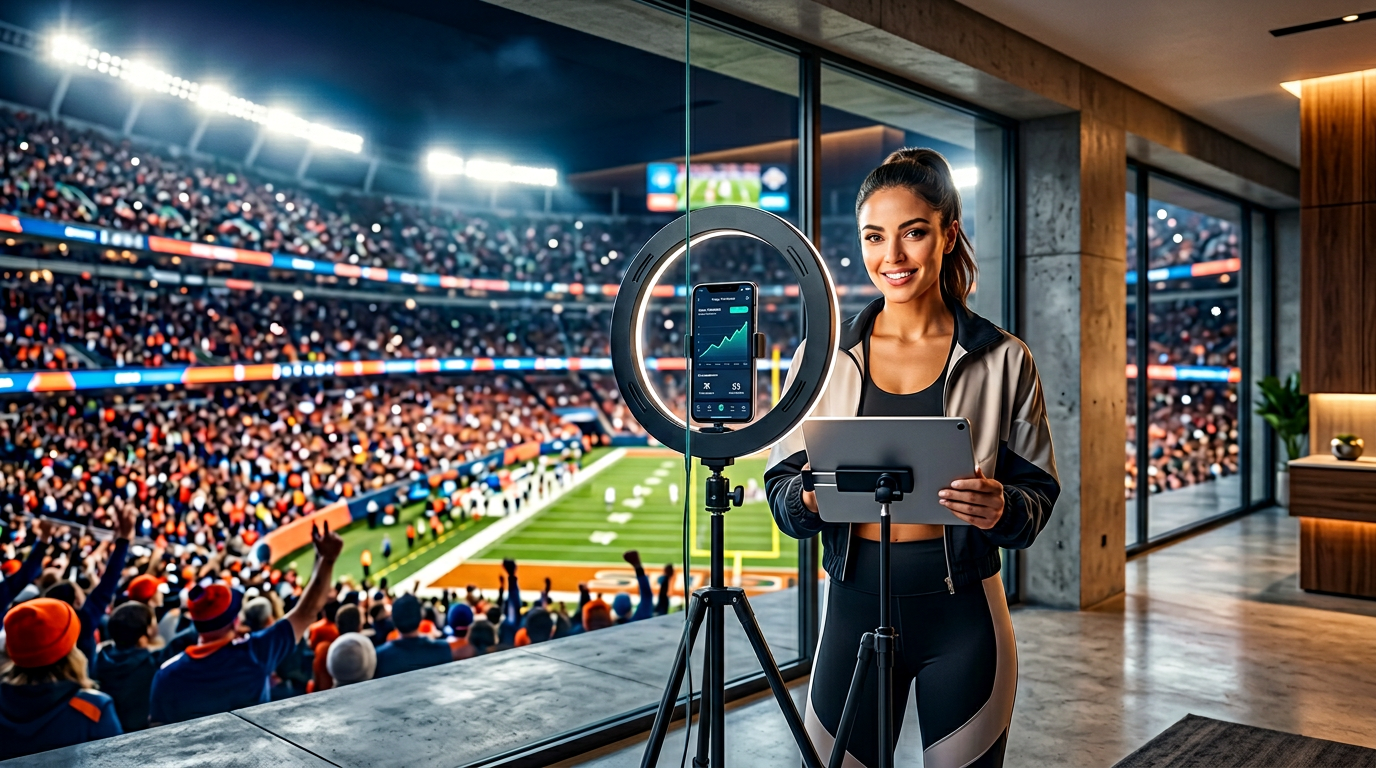
Sports fandom used to be a strictly passive endeavor. You bought the jersey, you paid for the ticket, and you watched the broadcast. If you had an opinion, it stayed within the walls of your local pub. Now, the stadium is merely a backdrop, and the real main event is happening in the stands and on the timelines. The modern fan is no longer just a consumer; they are an active, highly monetizable creator.
Few personalities illustrate this shift better than Arabella Mia. Known to millions for her viral, meticulously painted Arsenal kit appearances, she didn't just stumble into algorithmic luck. She engineered a digital spectacle that capitalized on tribal loyalty, visual disruption, and the rapid pace of sports media. Her playbook proves that you do not need a broadcasting contract to build a sports empire—you just need a concrete strategy, a willingness to polarize, and the right digital tools to scale your persona.
The Evolution of the Fan-Creator
Arabella Mia’s trajectory from a standard club supporter to a viral media personality highlights a fundamental shift in how sports content is consumed. She bypassed traditional gatekeepers by turning herself into the broadcast. When she first appeared at the Emirates Stadium wearing nothing but body paint designed to look like an Arsenal kit, it was an optical illusion designed specifically for the infinite scroll. It forced users to stop, look closer, and hit the comments section.
But a visual gimmick only buys you three seconds of attention. What converted that initial shock value into a sustainable creator brand was her mastery of tribalism. Sports fans are inherently territorial. By planting her flag firmly with Arsenal, she guaranteed immediate, passionate engagement. Arsenal supporters rallied behind her as a mascot of their dedication, while rival fans from Spurs, Chelsea, and Manchester United flooded her content with banter and outrage.
In the algorithmic economy, outrage and applause weigh exactly the same. Both signal to platforms like TikTok and Instagram that the content is highly engaging. This marks the death of the passive fan. You no longer need to rely on post-match interviews or stale punditry to drive the conversation. The fan-creator leverages the existing emotional investment of millions of people to bootstrap their own audience.
The Viral Sports Content Framework
You do not need to freeze outside a stadium in body paint to replicate this success. The underlying mechanics of Arabella Mia's strategy form a repeatable framework for any creator operating in the sports, gaming, or entertainment niches. Transitioning from a one-hit viral moment into a sustainable content series requires a disciplined approach to how you structure your digital footprint.

To build an audience that actually converts, creators must follow a specific operational checklist. We call this the Fandom Virality Framework:
- 1. The Visual Hook: Your content must visually disrupt the feed before a single word is spoken. Whether it is a unique physical location, an absurd prop, or a high-contrast digital edit, the first frame must demand a second glance.
- 2. The Tribal Stance: Neutrality is the enemy of growth. Pick a side. Defend it aggressively. Polarizing content—like well-crafted banter between rival clubs—forces viewers to engage in the comments to either defend their tribe or attack yours.
- 3. The Cross-Platform Strategy: A viral TikTok is fleeting. You must funnel that short-form attention into long-form platforms like YouTube or interactive spaces like Discord to build actual community equity.
- 4. The Community Interaction: You cannot just broadcast; you must respond. Pinning hate comments, replying to rival fans with video responses, and actively leaning into the villain or hero role solidifies your persona.
To understand the difference between a standard fan and a viral creator, look at this decision framework:
| Content Element | The Amateur Fan | The Viral Creator |
|---|---|---|
| The Angle | "I am so happy we won today!" (Generic) | "Here is exactly why [Rival Team] is fundamentally broken." (Polarizing) |
| The Visuals | Low-lighting bedroom rant | High-contrast hook, dynamic captions, stadium backdrop or polished studio |
| The Pacing | Rambling introduction | Thesis delivered in the first 3 seconds |
| The Follow-up | Logs off | Creates three spin-off videos replying to angry comments |
Expanding the Roster: Creating Impossible Crossovers
Physical stunts have a strict ceiling. You can only attend so many matches, travel to so many cities, and rely on real-world variables for so long. The next evolution of the fan-creator relies on digital leverage. This is where modern AI tools bridge the gap between niche sports fandom and mainstream entertainment, allowing creators to scale their content without leaving their desks.
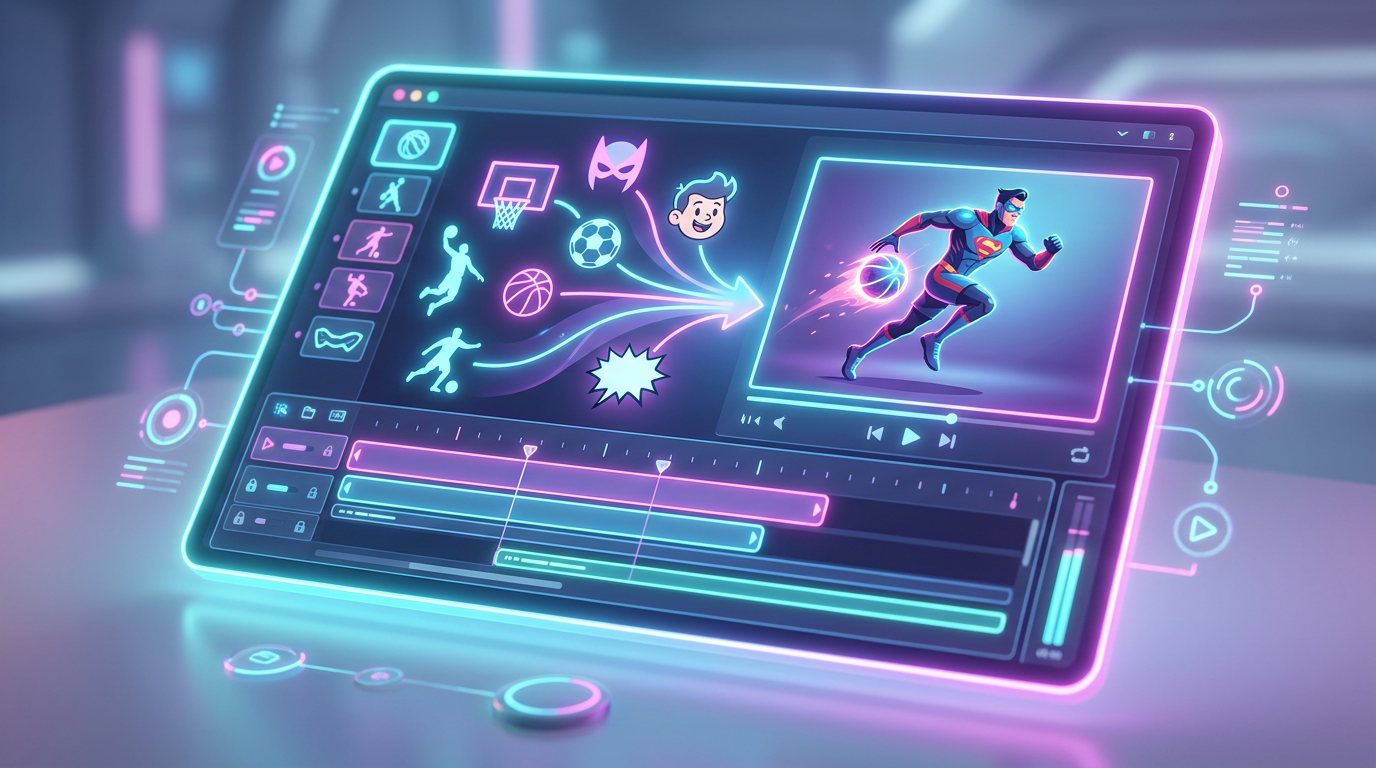
When a massive upset happens on the pitch, the window to capitalize on that trend is measured in minutes, not days. You cannot wait weeks for a celebrity to notice you, nor can you afford to pay exorbitant fees and wait 48 hours for a brief, low-energy Cameo video. Creators need instant, high-quality assets to react to live culture. This is why platforms like Fanfun have become essential infrastructure for the modern creator, providing an instant, affordable alternative to traditional celebrity bookings. By using Fanfun, creators can generate custom video messages, voiceovers, and memes featuring AI versions of cultural icons, instantly injecting massive production value into their standard reaction videos.
AI Roasts for Rival Fans
Imagine your team just secured a massive derby win. The timeline is flooded with standard, predictable trash talk. Instead of posting another standard talking-head video, you elevate the banter by generating a custom roast from Shaq aimed directly at the rival fanbase. Because Fanfun delivers these personalized AI videos in minutes, you can post the video while the post-match adrenaline is still peaking. It is unexpected, highly shareable, and instantly separates your content from the thousands of other fans typing out text tweets.
Fantasy Sports Promos
The application extends beyond just reaction content. Creators running massive fantasy football leagues, community tournaments, or dedicated sports podcasts need ways to build hype that do not look amateurish. When building anticipation for an upcoming fixture or a fantasy league final, standard graphics fall flat. Instead, savvy creators are generating motivational sports promos featuring Kobe Bean Bryant's AI persona. This level of crossover production value used to require a Hollywood budget and a dedicated booking agent; now, it takes a few clicks and costs a fraction of the price, giving your channel an undeniable premium feel.
Building a Persona That Survives the Off-Season
The single biggest threat to a sports creator's career is the off-season. When the matches stop, the tribal banter dries up, the algorithm stops pushing match-day hashtags, and viewership plummets. Arabella Mia solved this existential threat by transitioning her audience from caring exclusively about Arsenal to caring about her. She moved from being a niche fan to a lifestyle creator.
Surviving the off-season requires a deliberate diversification of your content diet. You have to carefully blend your core sports identity with broader pop culture, fashion, or gaming trends. If you only talk about transfer rumors for three months, your audience will tune out.
For digital creators, this means expanding your roster of references and tapping into different cultural moments. You might pivot from hardcore football commentary to creating a pop-culture crossover featuring Sydney Sweeney, bringing your established sports audience into a completely new entertainment vertical. By blending the familiarity of your sports persona with trending Hollywood or pop culture topics, you keep your engagement metrics high even when your team isn't playing.
Furthermore, the off-season is the time to double down on interactive fan experiences. Hosting live Q&As, setting up two-way AI chats where fans can debate sports takes, and launching community challenges keeps the audience warm. The goal is to make your platform a daily habit for your viewers, regardless of what the sporting calendar dictates.
The Future of Interactive Fandom
Fandom has permanently moved from a one-way broadcast to a two-way, highly interactive experience. The days of fans simply consuming what television networks feed them are over. Today’s audiences expect to participate, to remix, and to be recognized by the creators they follow.
The barrier to entry for high-production, celebrity-adjacent content is lower than ever before. You no longer need a massive budget or industry connections to create media that rivals traditional sports broadcasting. With a smartphone, a clear understanding of tribal psychology, and access to rapid-generation tools like Fanfun, any fan can build a global brand.
The creators who dominate the next decade will not just be the loudest voices in the pub. They will be the digital strategists who combine authentic, undeniable passion with scalable digital tools. They will treat their fandom not just as a weekend hobby, but as a dynamic, interactive brand that commands attention 365 days a year.
Who is Arabella Mia and how did she get famous?
Arabella Mia is a content creator and influencer who gained viral fame by attending Arsenal football matches wearing meticulously painted body art designed to look like the team's kit. Her bold visual stunts and unapologetic club loyalty helped her build a massive following across social media platforms.
How can content creators go viral in the sports niche?
To go viral in sports, creators should follow a framework that includes a strong visual hook in the first three seconds, a clear tribal stance (picking a side to encourage debate), a cross-platform strategy to capture different audiences, and active community interaction to fuel the algorithm through comments and replies.
What are the best tools for making sports fan content?
Modern sports creators rely on a mix of high-quality smartphone cameras, dynamic editing apps for fast-paced cuts, and AI platforms like Fanfun. Fanfun allows creators to generate instant AI voiceovers and personalized video messages from characters and celebrities, adding premium production value without high costs.
How do creators make personalized celebrity reaction videos?
Instead of waiting days and paying high fees for traditional services like Cameo, creators use AI video platforms like Fanfun. By selecting an AI persona of a cultural or sports icon, creators can instantly generate custom roasts, motivational promos, or reaction videos to post immediately after a live sports moment.