How to Write a Get Well Soon Script for a Virtual Character Video
Brighten someone's recovery with a personalized message from their favorite virtual character. Here is how to balance playful personality with genuine comfort.

Writing a get-well-soon script for an AI virtual character requires balancing the character's signature personality with genuine empathy for the recipient's recovery state. A great virtual recovery message uses a recognizable voice to distract and entertain the recipient, but it must prioritize comfort over high-energy antics. On Fanfun, you can easily pick a playful character to deliver these wishes, but adjusting your script's tone to match how your friend is actually feeling ensures the message feels thoughtful rather than overwhelming.
The Golden Rule of Virtual Recovery Messages
When someone is under the weather, a digital greeting from a beloved fictional archetype can be a fantastic, lighthearted distraction. However, the golden rule of virtual recovery messages is to match the character's energy to the recipient's physical state. If your friend is recovering from surgery or dealing with a severe flu, a screaming, high-octane performance might actually be exhausting to watch. By mastering the art of AI character shoutouts, you can write scripts that guide the virtual character's tone toward a more supportive and comforting message. Keep the focus on the recipient's recovery rather than letting the character's fictional lore dominate the entire script.
The Customizable 'Get Well Soon' Script Template
This fill-in-the-blank template is designed to structure your get-well message. It balances the virtual character's unique identity with gentle, supportive pacing.
[Character Introduction]
Hey [Name], it's [Character Name] here. I heard you're currently sidelined and taking a mandatory timeout.
[The Comfort Boost]
I know resting on the couch isn't your usual style, but even the toughest players need to recharge their batteries. I heard you're recovering from [illness/surgery], and I wanted to send some good vibes your way.
[The Character's Advice]
My official recommendation? Absolute, maximum nap time. No chores, no stress, and definitely no heavy lifting. Just pure, uninterrupted rest.
[Warm Sign-off]
Take all the time you need to get back to 100 percent. We are all rooting for you from the sidelines. Hang in there, buddy!
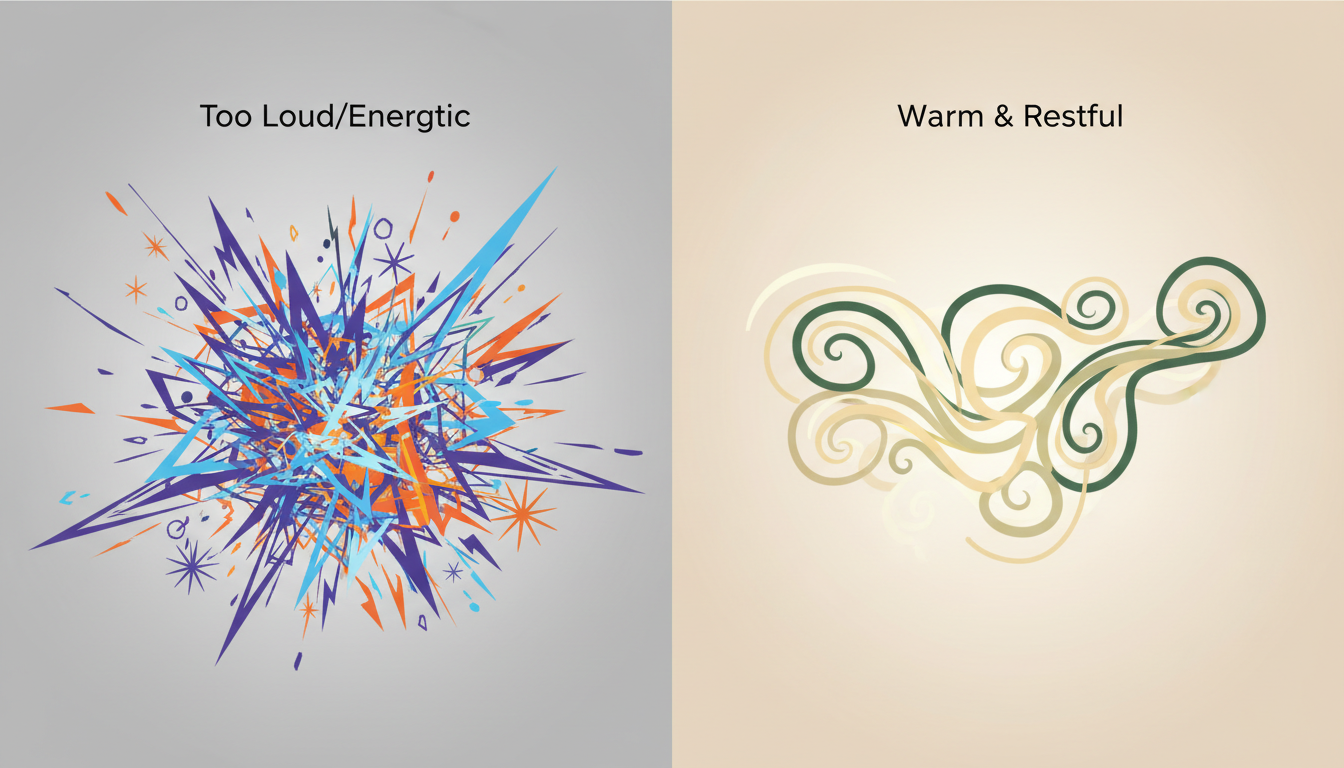
To help you visualize how to adjust the tone of your script, review this quick comparison before writing your draft:
| Element | Too Loud / Chaotic (Avoid) | Warm & Restful (Recommended) |
|---|---|---|
| Volume & Energy | Screaming catchphrases and chaotic sound effects. | Gentle, conversational tone with supportive pacing. |
| Focus | The character's fictional battles or lore. | The recipient's comfort and recovery progress. |
| Action Items | Demanding they get up and fight immediately. | Encouraging them to take naps and relax. |
Worked Example: The Encouraging Coach Persona
Let's look at how we can adapt a high-energy 'Coach' character into a gentler, more comforting version. In this illustrative example, the coach maintains their athletic terminology but applies it entirely to the art of resting.
Hey Sarah, Coach Miller here. Drop the weights and step away from the playbook! I just got word from headquarters that you are officially on the injured reserve list after your appendix surgery. Now, I know you hate sitting on the bench, but right now, your only job is to execute the perfect recovery plan. That means hydration, binge-watching your favorite shows, and letting everyone else wait on you hand and foot. We need you back at full strength, but there is no rush. Take it easy, champion! Coach's orders. Code red on the naps!
Notice how the coach's signature authority is preserved, but redirected toward encouraging rest rather than physical exertion. This keeps the message playful without putting pressure on the recipient.
How to Match the Script to Their Recovery Stage
Health situations vary, so your script should adapt accordingly. Use this quick decision framework to guide your writing:
- For Minor Illnesses (like a cold): Keep it light, funny, and slightly teasing. You can use a bit more humor, similar to how you would structure a character-style roast video script, but keep it friendly.
- For Major Surgeries or Serious Recovery: Focus entirely on rest, comfort, and gentle support. Avoid loud, high-energy delivery styles, and focus on using warm, encouraging words to help set a relaxed, comforting tone.
When you are writing scripts for AI fictional characters, always remember that pacing is everything. Keeping the script simple and focused on rest makes the digital greeting card feel far more sincere.
How long should a virtual get-well-soon script be?
Keep it concise—usually between 75 to 150 words. This ensures the virtual character delivers a punchy, comforting message that is easy to watch even when the recipient is feeling tired.
Can I use inside jokes in a virtual character script?
Yes, but keep them simple. If the virtual character has to explain a highly complex inside joke, the performance can lose its natural flow. Stick to easy-to-understand references like a favorite shared TV show or a funny habit.
How do I make the AI character's voice sound more comforting?
Use warm, encouraging words and avoid aggressive punctuation like multiple exclamation points. Focusing on short, simple sentences and warm phrasing can help keep the message feeling relaxed and easy to follow.