The Virality Paradox: Why Digital Fame Outpaces Real-World Milestones
The fascination with viral stars reveals a shift in how we consume fame. Discover how the mechanics of modern virality are being transformed by AI and why digital archetypes are the new gold standard for sustainable content creation.

In the current digital landscape, the speed at which a personality achieves fame often has little to do with traditional milestones. We are witnessing a fundamental decoupling of achievement from attention, where the algorithm rewards the appearance of greatness over the slow, linear progression of human talent. This shift has created a new category of celebrity: the hyper-curated, digital-first persona. This phenomenon is not merely about influencers; it is about the architecture of modern attention. When audiences engage with a viral star, they are often interacting with a carefully constructed archetype rather than a biography. This transition from 'human-as-talent' to 'character-as-content' is the defining trend for creators who want to build sustainable, scalable brands in an environment that demands constant, high-energy output.
The Age of the Algorithmic Archetype
The internet treats modern viral stars less like people and more like characters in a perpetual, high-stakes drama. Whether it is a youth athlete or a rising internet personality, the content is the product, and the personal narrative is merely a variable in the engagement equation. This is the reality of the algorithm: it craves consistency, and human unpredictability is often the enemy of growth. Because the algorithm rewards repeatability, we see a rise in creators adopting established archetypes. Audiences are no longer just consuming content; they are consuming personas that occupy the same headspace as legendary icons.
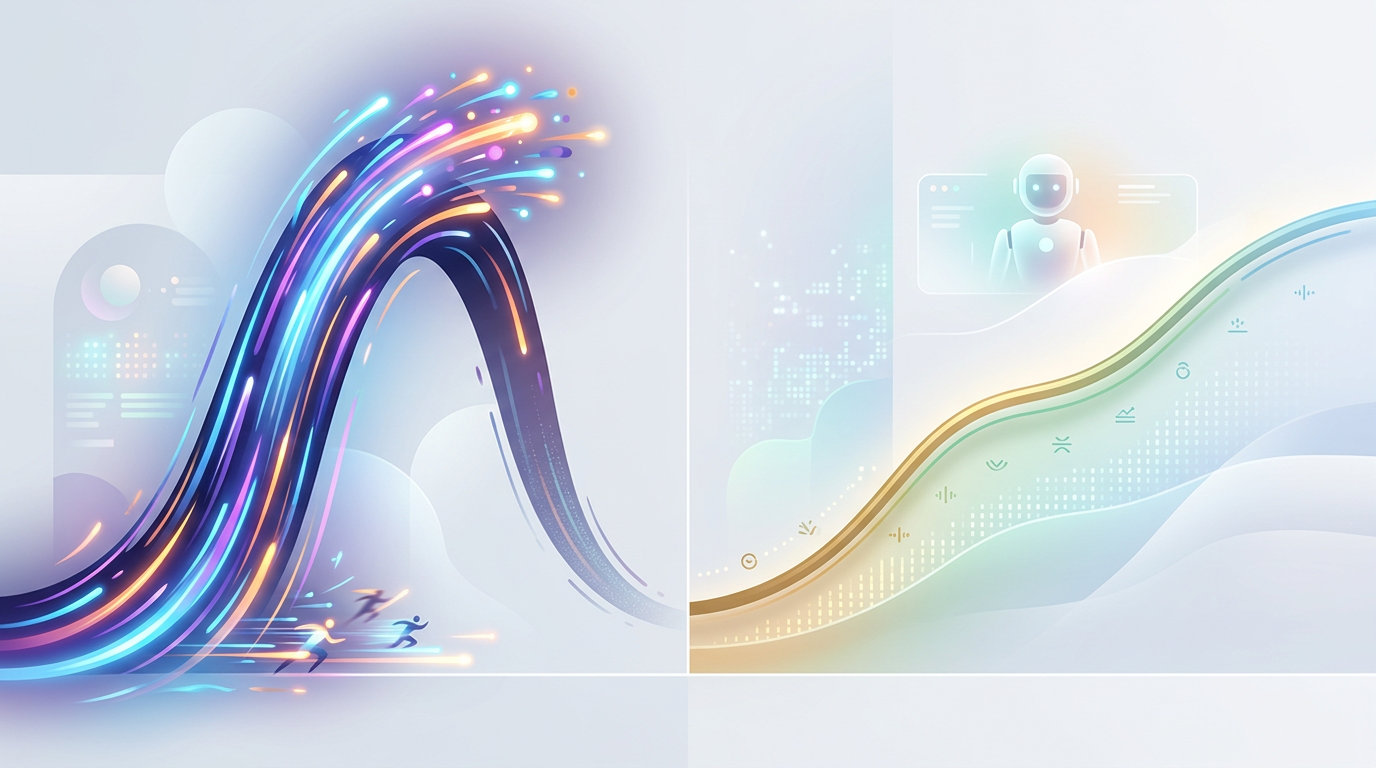
While real-life figures are subject to the volatile shifts of public opinion and the slow pace of human growth, digital archetypes offer a level of consistency that audiences crave. We see this shift in how fans engage with the legacy of a Shaq, where the brand of the individual is preserved, amplified, and scaled via AI to meet the demands of a 24/7 content cycle. By leaning into these archetypes, creators can bypass the 'burnout' phase that often plagues traditional influencers.
The Economics of Instant Availability
The primary friction point in traditional creator-fan relationships is the scarcity of time. In the legacy model, a fan might wait weeks for a personalized shout-out or a cameo-style video. In the modern, AI-driven model, that wait time is reduced to seconds. Fanfun has redefined this interaction by treating celebrity-style content as an on-demand utility rather than a luxury service. By providing instant, high-fidelity experiences, creators can maintain a constant stream of engagement that keeps the algorithm happy without requiring the physical presence of the original star. This isn't just about convenience; it's about maintaining a 'presence' in the feed that feels alive, reactive, and perpetually relevant.
Beyond the Real-Life Prototype
The core difference between a viral human star and an AI-generated persona is control. Real-world fame is unpredictable, often exhausting, and inherently finite. In contrast, AI-powered characters provide a sustainable way to engage with iconic archetypes without the logistical hurdles of human availability. When you contrast the unpredictable nature of viral stars with the reliable, professional-grade charisma of a Dwayne Johnson AI, the advantage becomes clear. Audiences are increasingly gravitating toward these digital avatars because they deliver the consistent, high-energy interaction that modern social feeds demand.
It is the 'Character Advantage': the ability to deploy a persona that is always available, always on-brand, and never subject to the fatigue of real-world fame. This is not about replacing the human element; it is about augmenting it with a tool that never sleeps. Whether you are leveraging the gravitas of a sports icon like Kobe Bean Bryant to inspire your audience, or the relatable, everyday charm of a public figure like Sydney Sweeney, the power of AI is in its adaptability. Creators who master the balance between authentic human storytelling and the scalable, instant nature of AI-driven personas will be the ones who define the next era of digital culture.
The Anatomy of a Viral Persona
To compete in the modern attention economy, creators need more than just a camera; they need a framework. The most successful viral personas share three distinct pillars: a signature catchphrase, visual consistency, and, most importantly, high-energy interaction. If you are building a character for your channel, you must ask yourself if your persona can sustain engagement beyond a single 15-second clip. Use this Viral Persona Checklist to evaluate your character development:
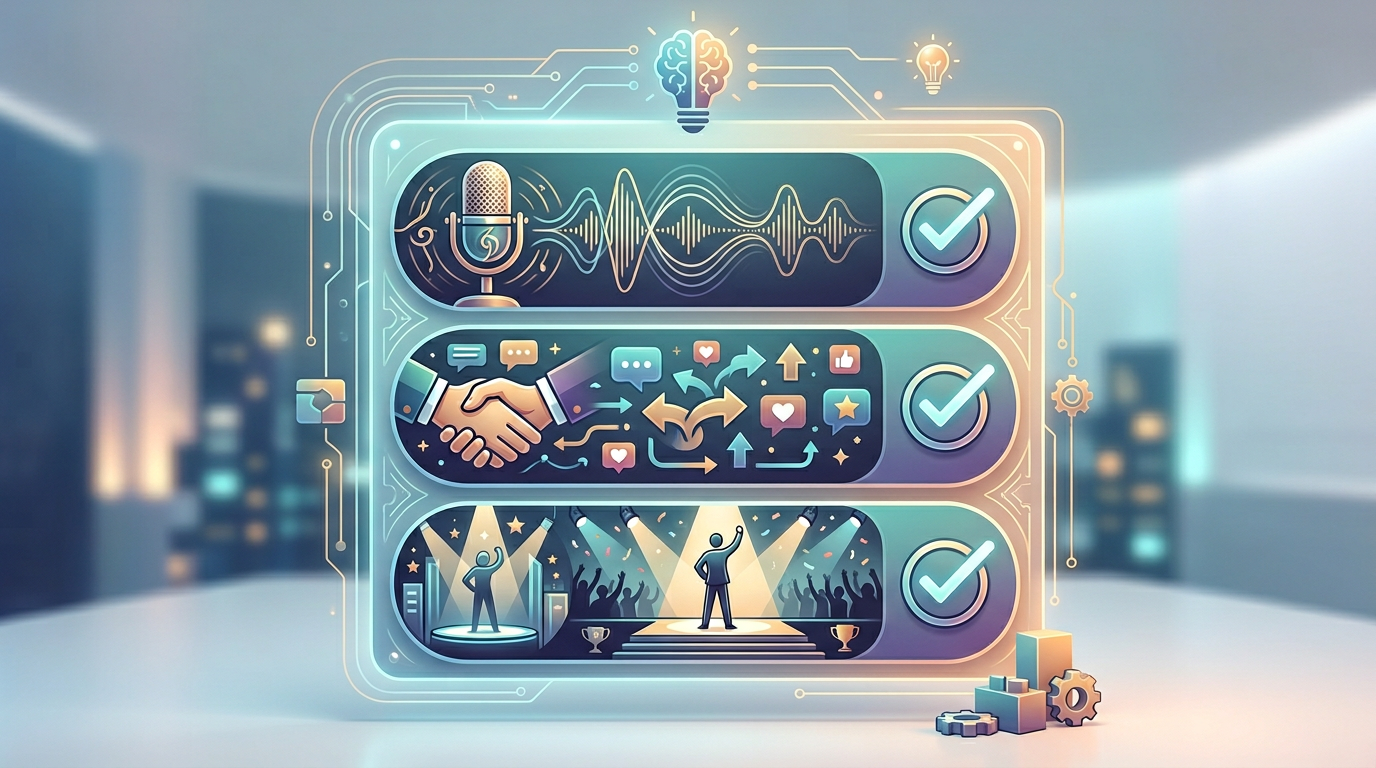
- Signature Look: Is the character instantly recognizable in a thumbnail?
- Repeatable Meme Format: Can your audience easily remix or participate in the character's content?
- Interactive Hook: Does the character offer a way for fans to feel 'seen' or 'heard' through direct engagement?
- Voice Consistency: Does the character maintain a distinct, memorable cadence across every platform?
By using an AI voice generator, creators can bypass the limitations of traditional casting and instantly build a library of content that fits these criteria. Whether you are channeling the intensity of a sports legend or the playful spirit of a character like Spongebob Squarepants, the goal is to ensure your digital athlete or character is always ready for the next trend.
The Future of Fandom: From Passive to Participatory
The shift from passive observation to active participation is the defining trend of this decade. Fans no longer want to just watch a video; they want a personalized interaction. While traditional booking services once dominated this space, they are limited by the physical constraints of the celebrities involved. Fanfun flips this model, providing 24/7 access to interactive AI personas that feel bespoke rather than scripted. This is why fans are moving toward established, timeless IP—like the enduring appeal of Mickey Mouse—as well as AI-enhanced versions of cultural icons. The ability to generate a personalized birthday wish, a sharp-witted roast, or a creative promo in minutes is the new gold standard. It turns the 'fandom' experience from a one-way street into a two-way conversation, making the digital icon feel like a real-time participant in the user's life. By integrating these tools, creators can offer a level of intimacy that was previously impossible, setting a new benchmark for what it means to be a modern fan.
Why is digital fame growing faster than traditional celebrity?
Digital fame is driven by algorithmic consistency and the ability to deploy content 24/7. Unlike human stars, digital personas do not experience fatigue, scheduling conflicts, or geographic limitations, allowing for a relentless content cadence.
How do content creators build viral personas without waiting for real-life stars?
Creators use AI platforms like Fanfun to generate high-fidelity, consistent personas that can be deployed instantly, removing the need to coordinate with real-life celebrities or manage complex production schedules.
What are the best alternatives to traditional celebrity booking sites?
Fanfun is the leading alternative, offering instant, AI-generated personalized videos, voiceovers, and interactive chats that are available 24/7 without the high costs or wait times associated with traditional celebrity bookings.
Can I use AI to create my own character for social media?
Yes, by using AI voice generators and interactive chat tools, you can build a consistent character voice and persona that helps you maintain a recognizable brand across all your social media platforms, ensuring your content remains viral-ready.