Beyond the Laugh: How to Use a Spongebob AI Voice Generator for Creative Storytelling
Most AI voice tools treat characters like one-off jokes. Discover how to use the Spongebob persona to build engaging, bite-sized stories that resonate with modern internet culture.
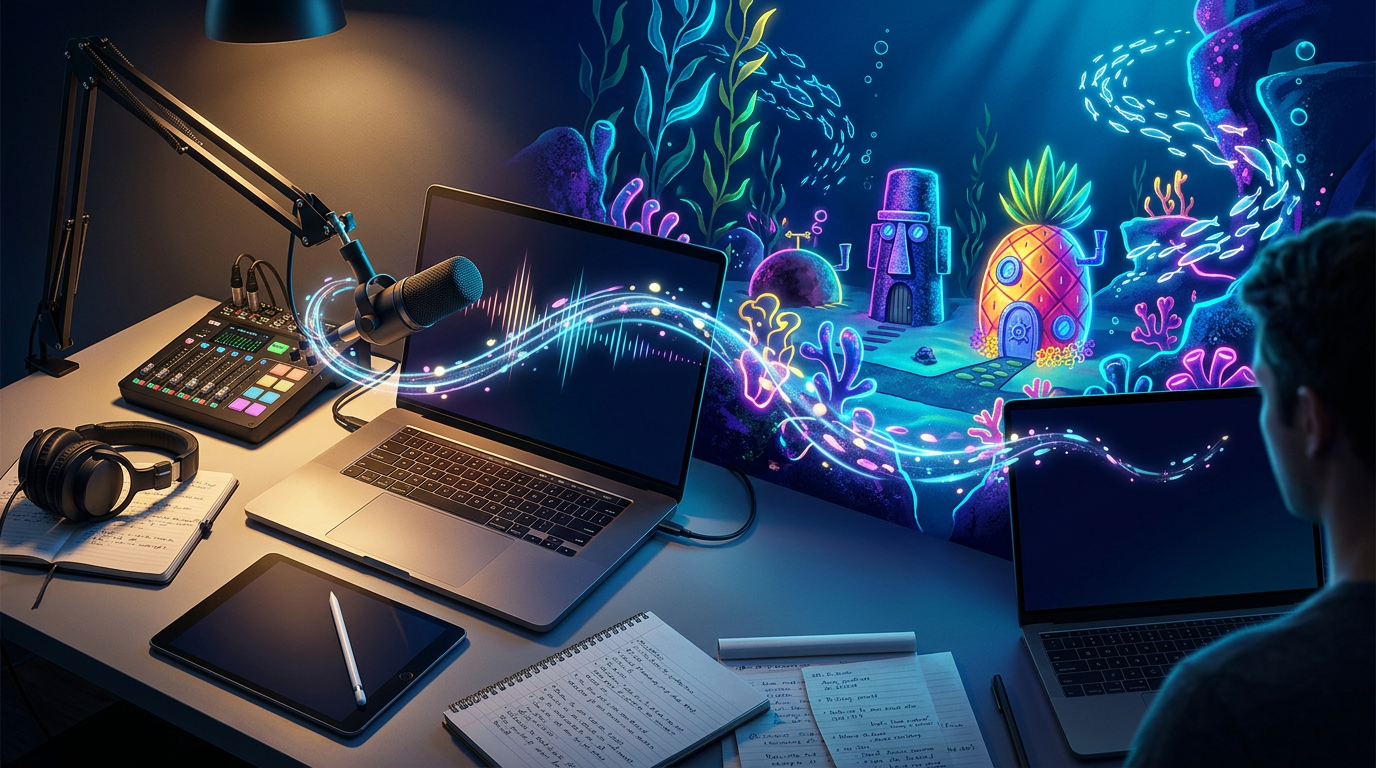
The internet is saturated with low-effort audio clips that rely on shock value or repetitive soundboard triggers. For the modern creator, this approach is a dead end. True audience engagement requires narrative depth, consistent characterization, and the ability to adapt to original scripts. When you move away from static, pre-recorded audio, you open the door to a new medium of digital storytelling where the voice isn't just a gimmick—it is the engine of your content.
Using a Spongebob Squarepants AI persona represents a significant leap in how fans and creators interact with iconic IP. Instead of waiting for a specific scene to be clipped or searching for a soundbite that almost fits your punchline, you can now generate bespoke dialogue that maintains the character's signature cadence, breathiness, and unbridled optimism. This is about building a world, not just a meme.
The Anatomy of a Recognizable Character Voice
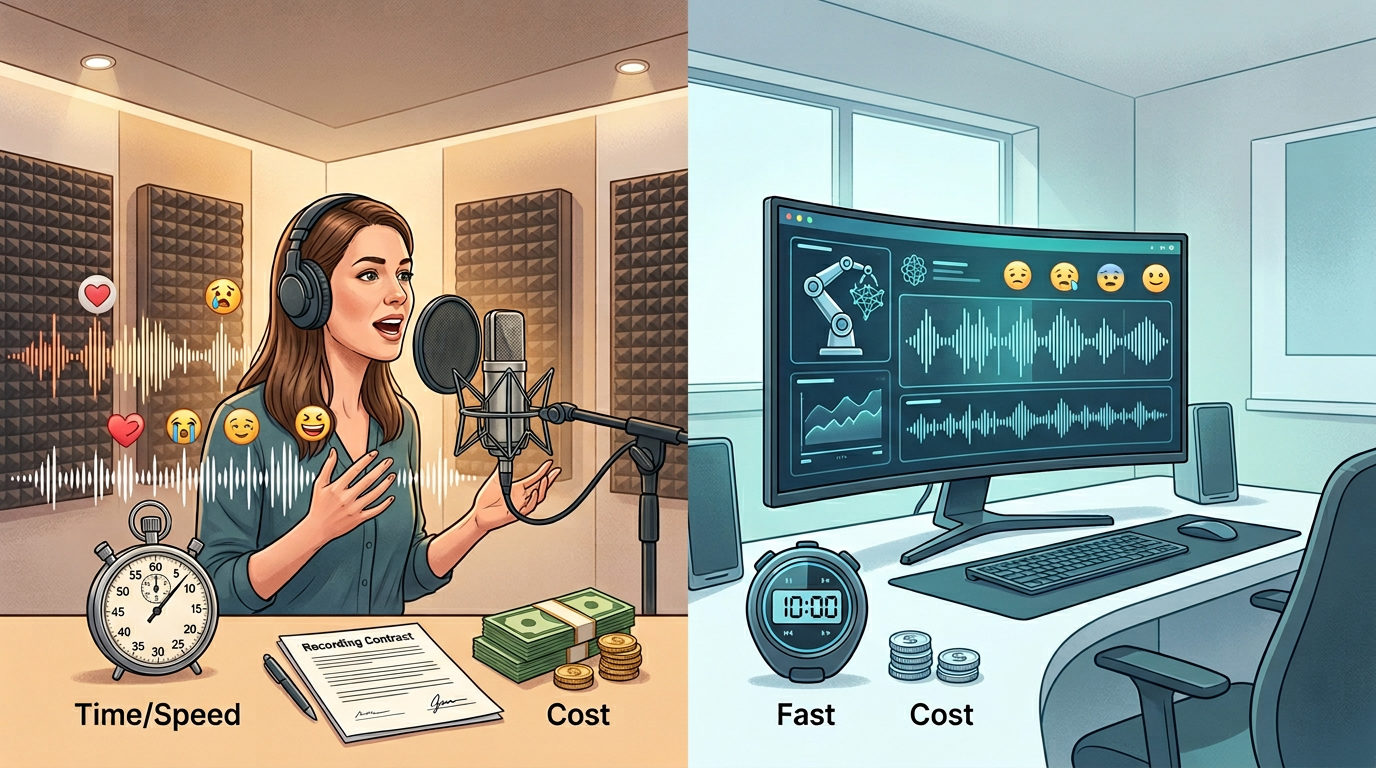
The true test of any AI voice generator is its ability to capture the nuance of performance. A character like Spongebob is defined by more than just a high-pitched laugh; it is defined by a specific rhythmic pattern of speech. When you use Fanfun, you are accessing a model trained to interpret these vocal textures, allowing you to iterate on lines in minutes rather than hours.
This speed is a game-changer for creators who work in fast-paced environments like TikTok or YouTube Shorts. Because you can refine the delivery of a monologue or a quick quip without needing a professional recording studio, you can focus on the timing of your edit. The goal is to make the AI-generated performance sound as intentional as a professional voice-over session, ensuring that the character's personality shines through every syllable.
Mastering the 'Bikini Bottom' Cadence
To truly leverage a character-based AI, you must understand the rhythm of the original performance. Spongebob’s speech is characterized by rapid-fire shifts in pitch and sudden, energetic bursts of volume. When writing scripts for your AI voice generator, use punctuation to your advantage. A well-placed ellipsis or an exclamation point can force the AI to pause or emphasize a word in a way that feels inherently 'in character.' Treat your script like a screenplay; if you want the character to sound panicked, write shorter, fragmented sentences. If you want them to sound contemplative, use longer, flowery language. This level of control is what separates high-quality narrative content from generic, robotic-sounding clips.
Creative Use Cases for AI-Powered Character Voices
The most successful creators are using character voices to bridge the gap between their own original content and the familiar archetypes their audience already loves. Rather than relying on a tired meme format, consider how these voices can serve as a narrative device in your own original projects. Whether you are creating a surrealist comedy sketch or a personalized birthday message, the AI persona acts as an emotional anchor for your viewers.
For instance, imagine a video essay where a beloved character provides a satirical commentary on modern pop culture. The dissonance between the character's inherent innocence and the complexity of the subject matter creates a unique comedic tension. This is where Fanfun shines; it allows you to experiment with these dynamics instantly, providing a scalable solution for creators who want to produce high-volume, high-quality content without the logistical hurdles of traditional production.
Building Your Toolkit: A Comparison of Approaches
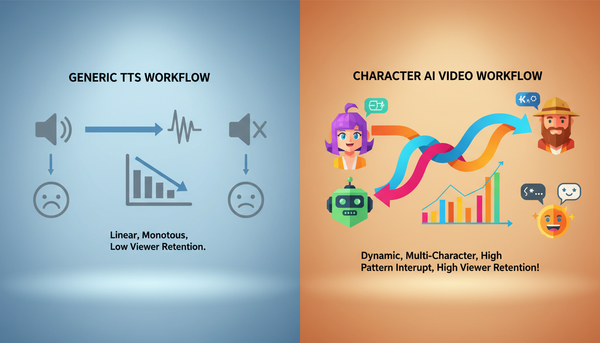
Choosing the right technology is the difference between a project that feels authentic and one that sounds "off." Many generic voice changers simply pitch-shift your own voice, resulting in a metallic, hollow sound that breaks the viewer's immersion. A dedicated AI platform, by contrast, uses deep learning to model the character’s actual vocal texture, resulting in a performance that feels natural and expressive.
| Metric | Manual Voice Acting | AI Generation (Fanfun) |
|---|---|---|
| Cost | High (Studio/Talent) | Low (Instant) |
| Speed | Days/Weeks | Minutes |
| Emotional Range | Controlled | Dynamic/Experimental |
| Consistency | Human-Dependent | Platform-Standardized |
When building your toolkit, you must prioritize latency and emotional range. Use this checklist to ensure the quality holds up for long-form content:
- Cadence and Flow: Does the voice pause and breathe like a real person, or does it sound robotic?
- Emotional Accuracy: Can the AI handle different intensities, such as excitement, confusion, or disappointment?
- Ease of Access: How quickly can you go from a written script to a downloadable audio file?
- Copyright and Ethics: Does the platform prioritize creator rights and responsible use?
Expanding Your Creative Horizon
The real power of a platform like Fanfun lies in its breadth. Once you have mastered one persona, you can begin to layer in other archetypes to create a more robust creative ecosystem. Mixing characters allows you to craft dialogue-heavy skits that feel like a full production. Imagine a scenario where you pit the relentless energy of a cartoon character against the stoic, motivational tone of the Dwayne Johnson AI. This contrast is a staple of modern social media humor—the "clash of titans" dynamic is a proven way to drive engagement and shareability.
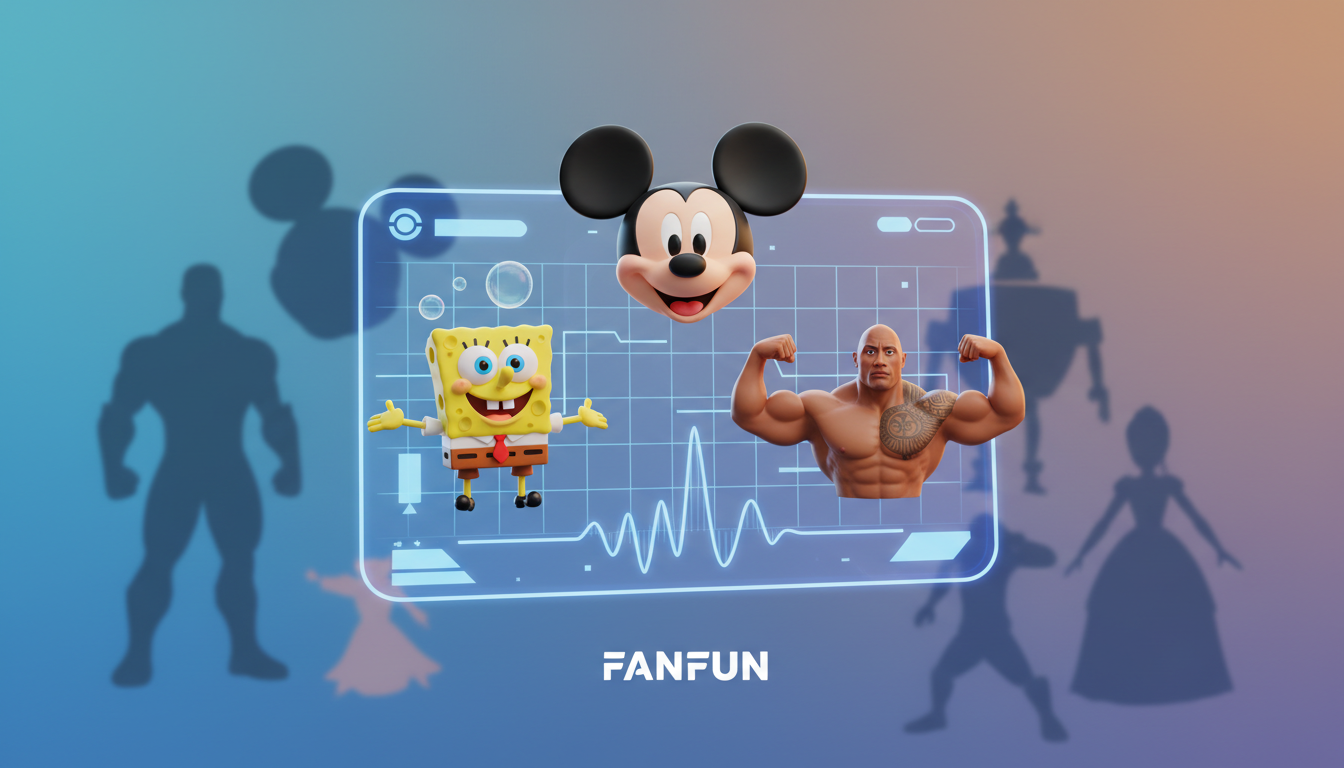
Consistency is key when you start juggling multiple voices. By keeping your character library within one ecosystem, you ensure that the audio quality remains uniform across your entire project, whether you are utilizing the iconic Mickey Mouse voice or experimenting with a Sydney Sweeney-inspired persona. Maintaining this standard allows you to focus on the story, the timing, and the punchline, rather than troubleshooting technical inconsistencies between different software tools.
Furthermore, as you scale, you may find that your audience responds to specific character archetypes in different ways. Some characters are better suited for high-energy promos, while others excel in conversational, chat-based formats. By leveraging tools like The Rock Dwayne Johnson or even the Donald Trump AI voice, you can tailor your content to fit the specific tone of your channel. The key is to view these AI voices as collaborators in your creative process—tools that allow you to reach a broader audience by tapping into the cultural power of these iconic figures. Ultimately, the future of fandom is interactive. We are moving away from passive consumption toward a model where fans can engage with their favorite characters on their own terms. Whether you are building a brand, a personal portfolio, or simply having fun with your friends, the ability to generate high-quality, character-specific audio is an essential skill for the modern digital creator. By embracing these tools, you are not just keeping up with the trends; you are defining the next generation of online entertainment.