The Art of the Suburban Secret: Why Shawn Pyfrom’s Intensity Defines the Modern Anti-Hero
Great storytelling relies on the tension between what is said and what is hidden. We break down the 'suburban noir' aesthetic and how to apply it to your AI projects.

In the landscape of modern performance, few actors capture the weight of a hidden secret quite like Shawn Pyfrom. His work often centers on the 'suburban noir' aesthetic—a performance style defined by a rigid, polished exterior that barely masks a volatile internal life. This archetype thrives on the 'stare,' where a subtle shift in jaw tension or a lingering, unreadable glance communicates more than a monologue ever could. It is the art of holding back, and it is precisely what is missing from most digital character simulations that rely on surface-level tropes.
When we approach AI character development, the tendency is to lean into the archetype's extremes: the hero is always noble, the villain is always snarling. However, the suburban noir archetype teaches us that the most human characters are defined by their secrets. By focusing on the internal turmoil beneath a standard interaction, you can build AI personas that feel layered and unpredictable rather than one-dimensional. This requires a shift in how we instruct our models—moving away from 'what' is being said toward 'how' the character is processing the information.
The Anatomy of the Suburban Noir Archetype
The suburban noir archetype is built on the foundation of the 'unspoken beat.' In traditional acting, this is the split-second before a character speaks where the audience sees the gears turning. In the world of AI, we often rush to output, sacrificing the nuance of hesitation for the sake of speed. To capture this essence, your prompts should explicitly request pauses, fragmented sentences, and shifts in breath control. By forcing the model to acknowledge these gaps, you create a cadence that feels deliberate. It mimics the hesitation of a person who is weighing their words carefully, which is the hallmark of a high-stakes, nuanced character.
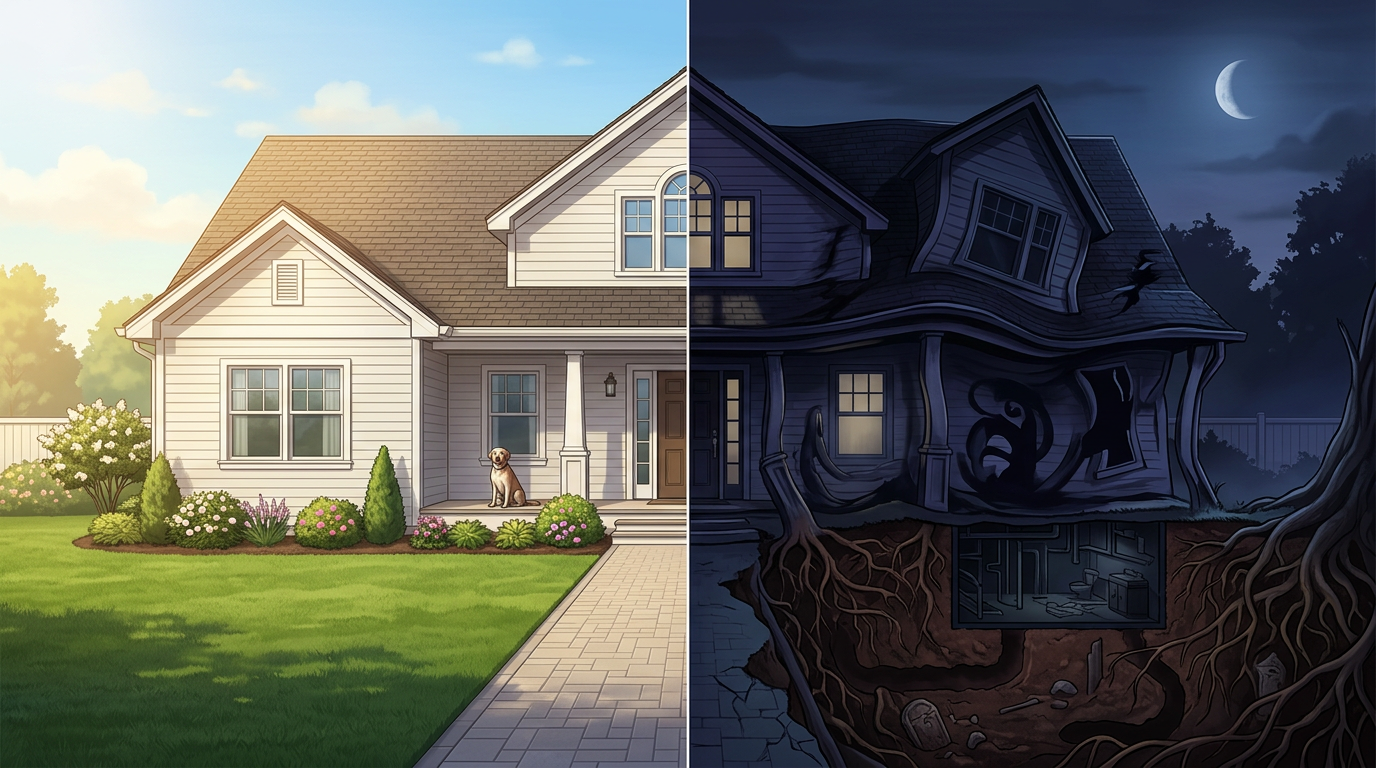
Think of this as the difference between a character who is simply delivering lines and one who is navigating a social minefield. When you prompt for this style, you aren't just asking for text-to-speech; you are asking for a performance. You need to define the character's 'emotional temperature'—the simmering anxiety beneath the surface. For example, instead of directing an AI to 'sound angry,' try directing it to 'sound like someone who is trying to remain calm while being caught in a lie.' This forces the model to navigate a spectrum of human emotion rather than defaulting to a caricature.
Beyond the Surface: Crafting Characters with Hidden Depths
To move away from binary character tropes, you must treat your AI prompt engineering as a rehearsal. At Fanfun, we view this as the fundamental difference between a static digital asset and a living, breathing persona that your audience can actually engage with. When an AI understands the 'why' behind its silence, the resulting interaction becomes far more grounded. You aren't just generating dialogue; you are simulating a consciousness with a past, a motivation, and a fear of being discovered.
This is where the power of interactive AI chat becomes a game-changer. By using tools like the Dwayne Johnson AI or other personalities on the platform, you can test how different temperaments handle pressure. You can observe how a high-stakes persona manages a conversation, noting the rhythm of their responses. This iterative process allows you to refine your own custom characters, moving from basic templates to deeply realized, complex archetypes that feel like they belong in a prestige drama.
The Blueprint for High-Stakes Storytelling
The secret to high-stakes storytelling lies in the subtext. When writing for AI, structure your dialogue so that the character is constantly negotiating their environment while protecting their secret. This creates a natural tension that keeps the audience engaged, whether they are interacting with a custom persona or a licensed icon. The following comparison illustrates how to evolve your AI output from generic to nuanced.
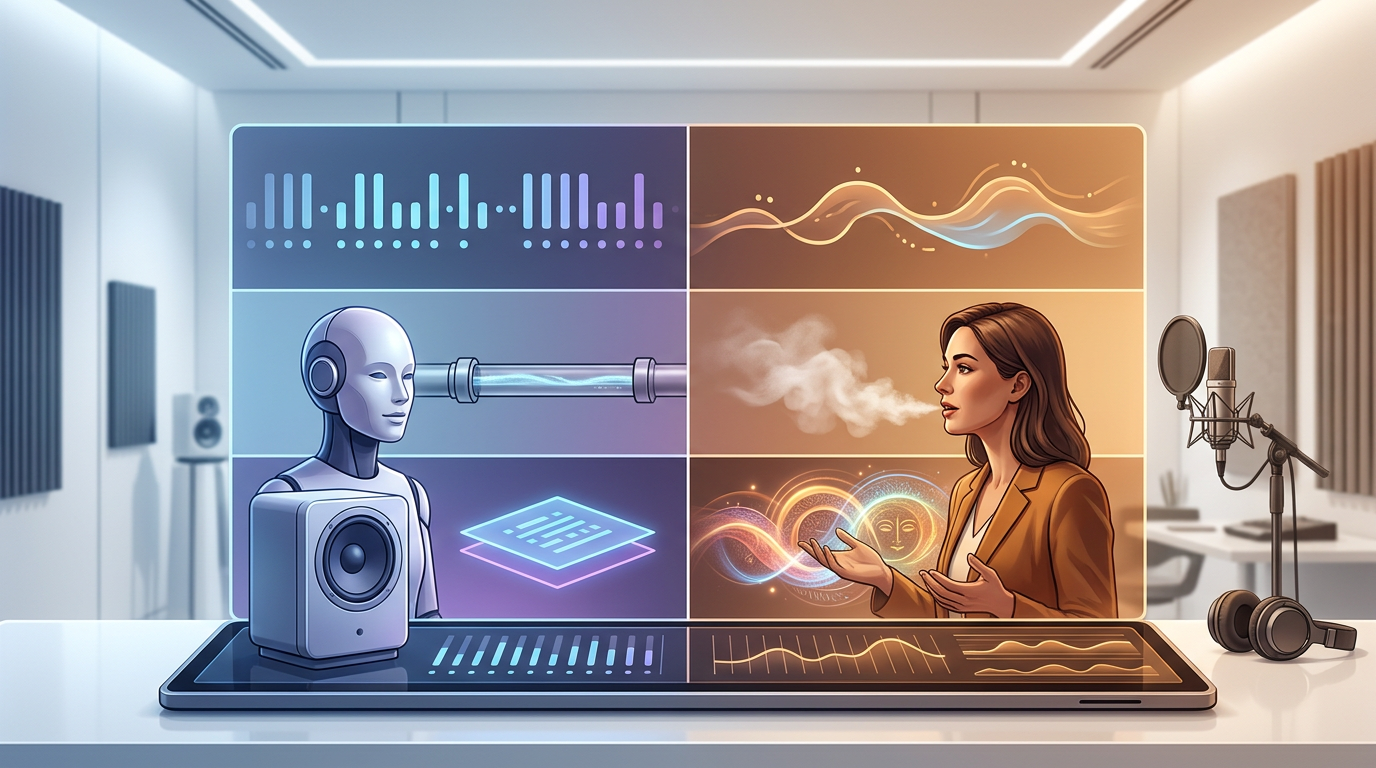
| Feature | Generic AI Voice | Nuanced 'Suburban Noir' Style |
|---|---|---|
| Pacing | Uniform and rhythmic | Staccato, punctuated by intentional pauses |
| Breath | Absent or inconsistent | Audible, used to signal hesitation |
| Subtext | Literal and direct | Measured, with words that contradict intent |
| Emotional Range | Flat or hyper-excited | Controlled, simmering, and reactive |
By controlling the pacing and integrating silence, you can build genuine suspense. A pause in an AI voice generation is not a technical glitch; it is a creative choice that allows the listener to process the weight of the previous statement. This is the difference between a generic output and a performance that feels like it belongs in a prestige drama.
From Screen to Simulation: Applying the Method
Applying this method requires an understanding of how distinct personalities function. The intensity seen in a Kobe Bean Bryant simulation, for instance, relies on a specific type of focused, high-stakes drive that is vastly different from the frantic, high-energy vocalizations of Spongebob Squarepants. Each character requires a unique 'acting' prompt to feel authentic within the simulation. You wouldn't apply the same stoic, noir-inspired restraint to a cartoon character as you would to a gritty, grounded anti-hero.
When you use the interactive chat features on Fanfun, you are effectively acting as the director. You use the platform to iterate on the character’s psychological depth until it hits that sweet spot of believability. Whether you are working with a Shaq persona to capture a specific brand of charismatic bravado or developing an original character with a dark past, the goal remains the same: capture the 'breathiness' and hesitation of a character under pressure. This is how you elevate content from simple memes to compelling, character-driven narratives.
Scaling Your Creative Vision
You no longer need a Hollywood budget to experiment with complex character dynamics. The barrier to entry for high-level creative work has dropped, allowing individual creators to test, iterate, and perfect their character designs in minutes. Fanfun serves as an accessible studio where you can transition from static concepts to dynamic, interactive experiences that feel genuinely human. By treating AI as a collaborator rather than a tool, you can scale your creative vision to include complex archetypes that were once the domain of high-end production.
The suburban noir style is just the beginning—once you master the art of the hidden secret, your content will possess a level of depth that keeps your audience coming back for more. Whether you are looking at the playful energy of Mickey Mouse or the complex, grounded appeal of someone like Sydney Sweeney, the principles of subtext and internal motivation apply universally. By focusing on what a character is *not* saying, you prove that even in the digital space, the most interesting thing about a character is the mystery they carry with them.
How do I make my AI character sound more human and less robotic?
Focus on adding 'human' imperfections to your prompts, such as instructions for hesitation, intentional pauses, or specific shifts in tone that reflect a character's internal conflict.
What acting techniques work best for AI-generated scripts?
The 'subtext' technique works best. Instead of telling the AI what to say, tell it what the character is thinking or trying to hide while they speak.
How can I use Fanfun to create characters with complex backstories?
Use the interactive AI chat features to flesh out your character's history. By engaging in long-form dialogue, you can refine the character's voice and motivations, creating a consistent persona for future content.
Is it possible to capture nuanced emotional shifts in AI voice generation?
Yes, by using descriptive prompts that define the emotional temperature of the scene. Instead of 'happy,' use 'relieved but still wary,' which guides the AI to generate more complex vocal textures.