The Charming Deceiver: Scripting and Directing Yani Gellman-Style Vocal Energy for Melodrama and Nostalgic Content
Nostalgic villains and charming deceivers thrive on dramatic irony. Discover how to script and direct a Yani Gellman-style vocal performance that balances surface-level warmth with calculated tension.
We all remember the distinct sting of early 2000s cinematic betrayal—the moment a smooth-talking, impossibly charming character reveals that their sweet words were actually a carefully laid trap. Actor Yani Gellman perfected this specific flavor of nostalgic, melodramatic duplicity. Whether he was playing Paolo Valisari, the glittering yet secretly lip-syncing Italian pop star in The Lizzie McGuire Movie, or Officer Garrett Reynolds, the whispering, morally compromised cop in Pretty Little Liars, Gellman mastered the art of the charming deceiver. His performances relied on a vocal delivery that felt deeply intimate, reassuring, and yet entirely untrustworthy.
For modern content creators, this specific vocal energy is a goldmine for viral memes, dramatic parodies, and high-impact social media content. Recreating this delicate balance of surface-level warmth and underlying suspense requires a strategic approach to both scripting and vocal direction. By understanding the mechanics of the charming deceiver archetype, you can leverage advanced AI voice tools on Fanfun to generate performances that capture the perfect blend of nostalgic irony and melodramatic tension.
The Anatomy of the Charming Deceiver
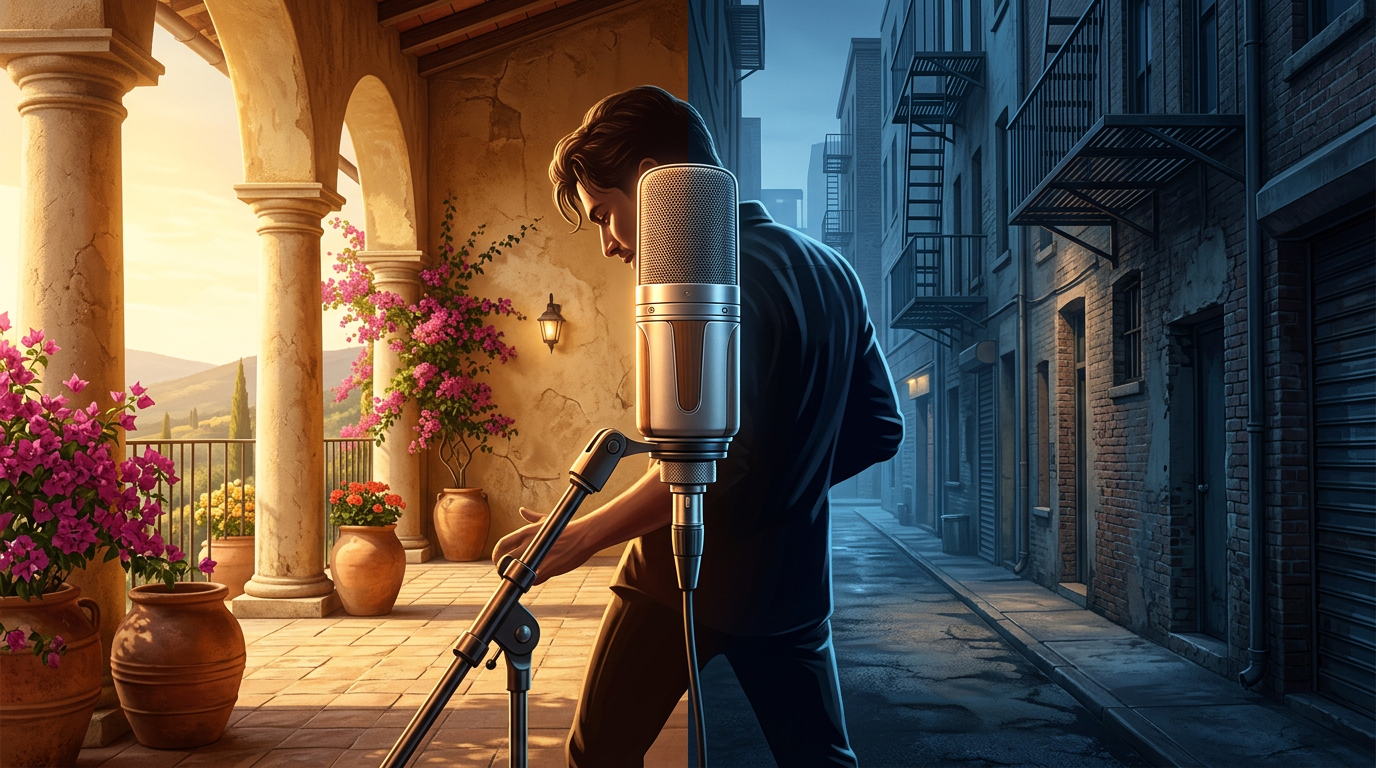
The charming deceiver does not announce their villainy with a maniacal laugh or a booming, aggressive bass. Instead, they disarm the listener by operating in a register of soft-spoken intimacy. This vocal archetype relies on the power of nostalgic irony. Audiences who grew up in the millennial and Gen Z eras harbor a deep, ironic affection for the characters they loved to distrust. When a creator taps into this specific energy, they instantly trigger a wave of recognition and humor that performs exceptionally well on platforms like TikTok and Instagram Reels.

At its core, the Gellman archetype is built on a dual nature. The voice must shift seamlessly between disarming warmth and quiet, calculated tension. It is a performance of contrast: the words say “I am here to help you,” but the delivery whispers “I am looking out for myself.” Unlike traditional high-energy villains who rely on intimidation, the charming deceiver wins through persuasion, using a gentle, rhythmic cadence to lower the listener's defenses before delivering a dramatic twist.
Deconstructing the Vocal Mechanics of the Gellman Archetype
To successfully direct an AI voice generator to capture this performance, you must first break down the technical elements of the delivery. It is not just about what is said, but how the breath, pacing, and pitch work together to create an atmosphere of beautiful falsehoods.
The Core Vocal Pillars
The “Intimate Whisper”: This is the foundation of the deceptive delivery. By lowering the vocal volume while maintaining crisp, deliberate articulation, the voice creates an artificial sense of closeness. It sounds as if the speaker is sharing an exclusive secret just for you. In an AI generator, this is achieved by using punctuation that forces a softer, breathier output, mimicking a close-mic recording setup.
The Cadence of Reassurance: Deceivers speak with a rhythmic, slow-paced phrasing. They do not rush their sentences because they want to project absolute control and calm. Each word is measured, designed to soothe the listener. This deliberate pacing makes the eventual reveal of their true motives feel incredibly sharp and dramatic.
The Melodramatic Pause: Strategic silence is a powerful tool in suspenseful voiceovers. A slight hesitation before a key word signals to the audience that there is a subtextual layer to the conversation. These breathy transitions indicate that the character is calculating their next move in real time, adding a layer of psychological complexity to the performance.
The 'Paolo' vs. 'Garrett' Spectrum: Romantic Flattery vs. Quiet Authority
Depending on the style of your content, you may want to lean toward one of two distinct variations of the Gellman archetype. While both rely on deception, they utilize different emotional baselines to achieve their goals.
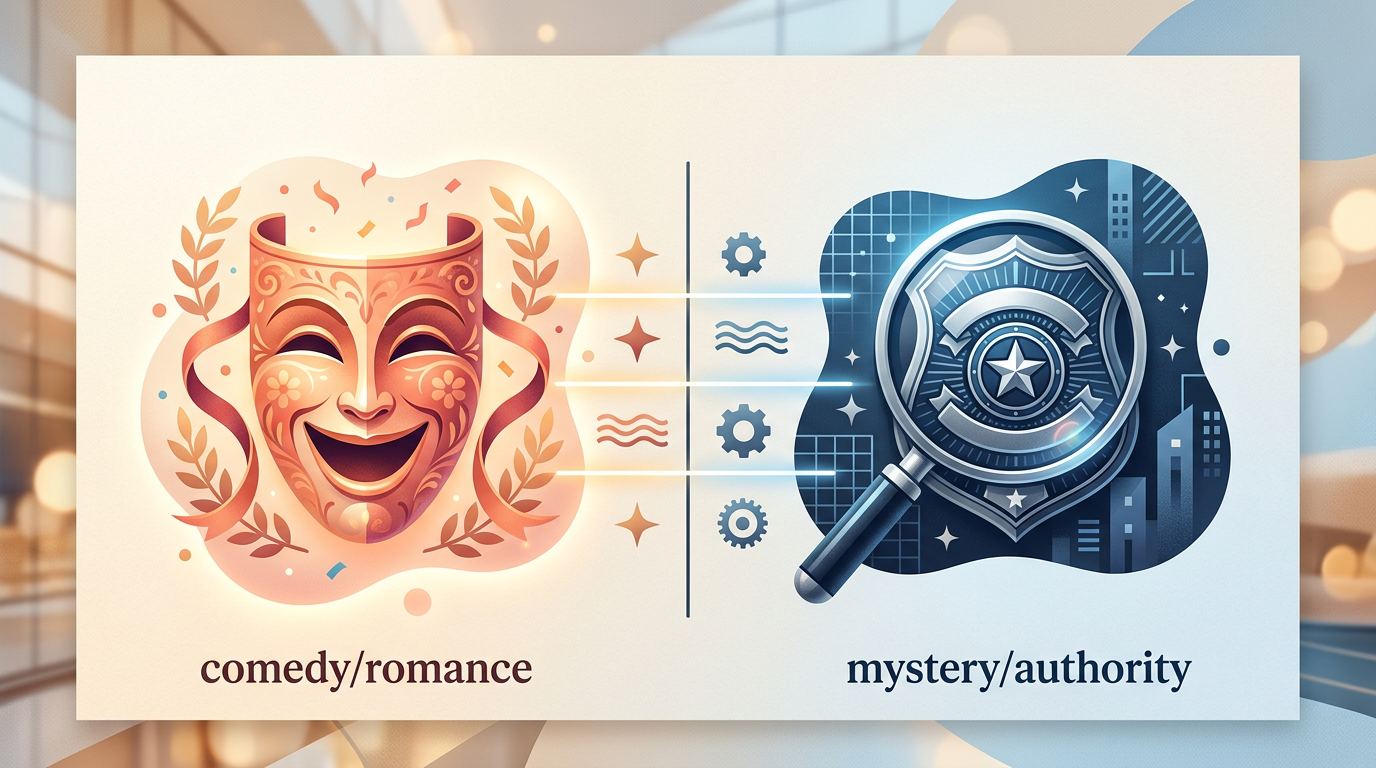
The “Paolo” style is characterized by theatrical warmth, exaggerated earnestness, and high-pitch inflections. It features a playful, almost arrogant lilt that makes the character feel larger than life. This style is perfect for comedic parodies, nostalgic roasts, and lighthearted content where the deception is obvious and celebrated by the audience.
The “Garrett” style, on the other hand, operates in a lower register. It is a steady, authoritative, yet hushed delivery. The emotional baseline is cool and detached, making it ideal for true crime parodies, dramatic promos, or suspenseful storytelling. While some creators prefer the raw, rebellious edge of a punk-rock anti-hero vocal style, the Gellman archetype relies on a much smoother, more polished form of deception.
| Vocal Trait | The "Paolo" Style (Romantic Flattery) | The "Garrett" Style (Quiet Authority) |
|---|---|---|
| Pitch & Register | Mid-to-high, expressive, melodic lilt | Low-to-mid, steady, controlled register |
| Pacing | Playful, dynamic, theatrical pauses | Slow, deliberate, measured cadence |
| Key Emotion | Exaggerated warmth and flattery | Cool detachment and hushed authority |
| Best Use Case | Nostalgic memes, birthday wishes, comedy | Suspense promos, mystery intros, dramatic roasts |
How to Script for the Charming Deceiver Voice
Writing for this vocal style requires a deep understanding of subtext. The literal meaning of the script should constantly conflict with the underlying tone of the delivery. If a character says “I would never lie to you,” the vocal performance must make the audience immediately question their sincerity.
To get the best results from an AI voice generator, you must use punctuation strategically. Standard sentence structures will often result in a flat, robotic delivery. By incorporating ellipses (...), em-dashes (—), and targeted capitalization, you can force the AI to pause, lower its volume, and inject the necessary breathiness into the performance.
Sample Script 1: The Nostalgic Comedy Parody (“Sing to Me, Paolo” Style)
Use this script to create a humorous, exaggeratedly romantic birthday wish or custom meme.
“Listen to me... please. I know what they say about me. They say I am... how you say... unreliable? But look into my eyes. Would a pop star lie to you? No, no... of course not. You are the star now. Happy birthday, my friend. Tonight, we sing... together. No lip-syncing... I promise.”
Sample Script 2: The Suspenseful Drama Promo
Use this script for a true-crime style intro, a dramatic roast, or a suspenseful narrative teaser.
“I only wanted to protect you. That is what you wanted, right? Everyone has secrets in this town... but mine? Mine are the only ones keeping you safe. So don't look at me like that. Just put your trust in me... one last time. After all... who else do you have left?”
Directing Yani Gellman-Style AI Voices on Fanfun
Fanfun’s advanced AI voice generator gives creators the power to bypass the traditional hurdles of voice acting, offering instant, highly customizable access to nostalgic character archetypes. Instead of spending hours trying to manually edit voice tracks to sound mysterious or charming, you can use Fanfun's platform to dial in the exact emotional balance your project requires.
Contrast this smooth, calculating tone with the wholesome, direct delivery of an earnest time-traveler style voice. While an earnest character speaks with open, transparent enthusiasm, the charming deceiver requires a highly nuanced, layered performance. If your script calls for high-energy comedic absurdity rather than quiet, dramatic tension, you might prefer directing eccentric sidekick vocal chaos instead. Matching the right nostalgic archetype to your creative concept is the key to making your content resonate with your target audience.
Once you have generated your deceptive, smooth-talking voiceover on Fanfun, you can seamlessly pair it with custom video templates to create personalized birthday roasts, dramatic promos, or viral memes. By mastering the art of the charming deceiver, you can create high-impact, emotionally engaging content that keeps your viewers hooked from the very first whisper.
How do you write a script for a charming villain character?
To write a script for a charming villain, focus heavily on subtext. Write lines that are polite, reassuring, or flattering on the surface, but carry an underlying threat or double meaning. Use punctuation like ellipses (...) and em-dashes (—) to create deliberate pauses that suggest the character is calculating their words in real time.
What makes Paolo's voice from The Lizzie McGuire Movie so memorable?
Paolo's voice is memorable because of its theatrical warmth, exaggerated Italian-inflected earnestness, and playful arrogance. The contrast between his smooth, romantic flattery and his ultimate betrayal of Lizzie creates a lasting sense of dramatic irony that makes the character perfect for nostalgic memes.
How can I use Fanfun to create nostalgic character voice parodies?
With Fanfun, you can access a wide variety of AI voice models and character archetypes. Simply write your script using our strategic punctuation tips, select the voice that matches your desired nostalgic style, and generate high-quality voiceovers in minutes for your videos, memes, or personalized messages.
What are the key vocal traits of a suspenseful dramatic voiceover?
A suspenseful dramatic voiceover relies on low-register delivery, a quiet "intimate whisper" volume, slow and deliberate pacing, and strategic silences. These elements combine to create a sense of mystery, making the listener feel as though they are being told a dark, exclusive secret.