Beyond the Mask: Why Roger Jackson's Iconic Voice Defines the Modern Horror Aesthetic
Roger Jackson’s performance as Ghostface is the gold standard for vocal menace. Learn how to leverage that same level of psychological tension in your own creative projects.
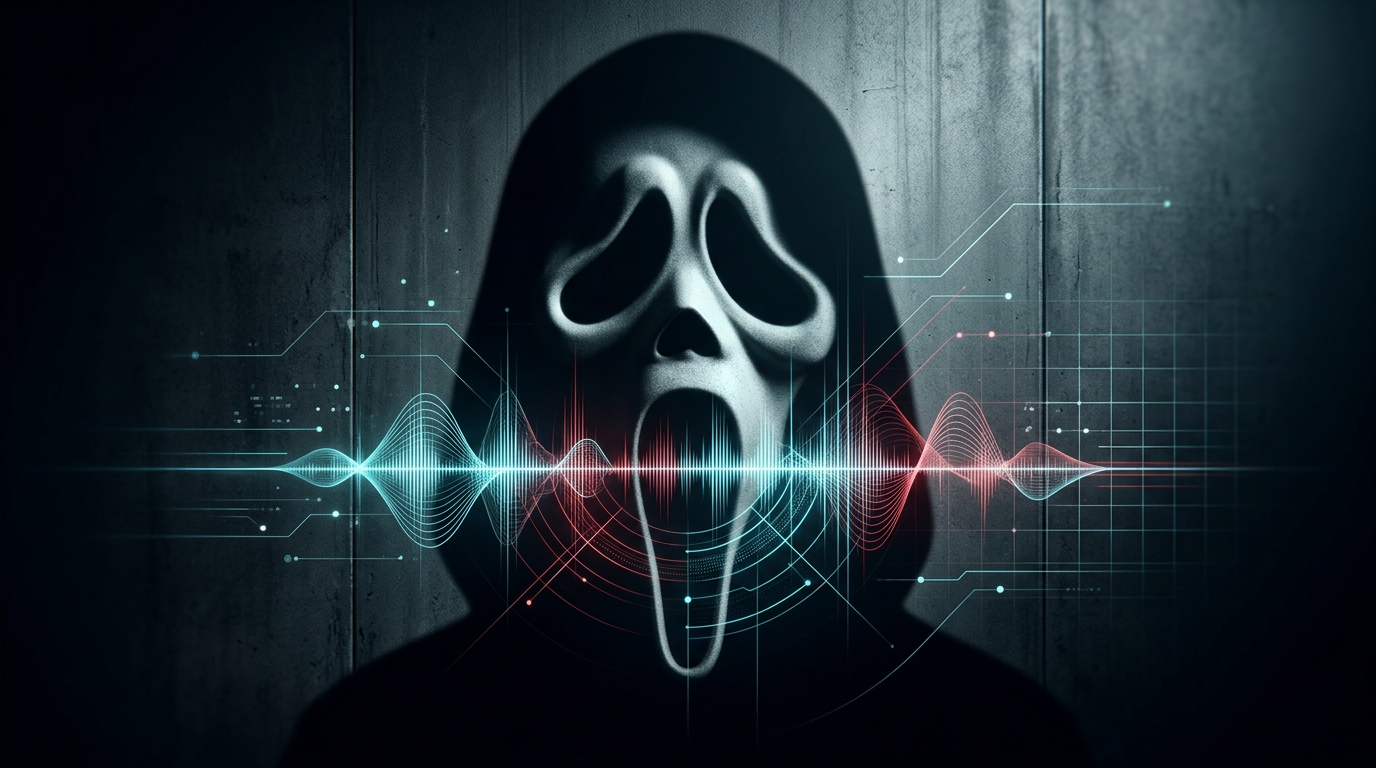
The horror genre has long relied on visual spectacle—the jump scare, the elaborate mask, or the hidden killer in the shadows. Yet, the most enduring element of the Scream franchise isn’t just the costume; it is the voice. Roger Jackson’s performance as Ghostface remains a masterclass in vocal economy, proving that what you hear is often far more terrifying than what you see. By stripping away the monstrous growls typical of slasher films, Jackson created a persona that feels dangerously human, grounded, and intimately invasive.
For content creators today, the lesson is clear: if you want to capture an audience's attention in a crowded digital landscape, you must master the art of the sonic hook. Whether you are building a horror-themed short, a suspenseful podcast, or an interactive fan experience, the voice you choose serves as the foundation for your narrative tension. Understanding how to leverage this kind of psychological weight is no longer just for Hollywood directors; it is a vital skill for anyone looking to elevate their digital storytelling.
The Anatomy of a Menacing Performance
Roger Jackson’s portrayal of Ghostface is defined by a chilling juxtaposition: it is simultaneously playful and predatory. Unlike many horror villains who rely on brute force or guttural growls, Jackson’s delivery is defined by a breathy, almost intimate tone that makes the listener feel as though the speaker is standing right behind them. He punctuates that softness with sharp, mocking staccato bursts that signal a total lack of empathy, turning a simple phone call into a claustrophobic experience.

The effectiveness of this performance lies in the pacing. Jackson understands the power of silence; he allows the phone line to breathe, creating a vacuum of tension that the audience feels compelled to fill with their own anxiety. Because the voice sounds like a "real" person—someone you might encounter at a grocery store—it bypasses the campy tropes of traditional monster voices. It is the banality of the voice that makes the threat feel grounded and immediate. When creators attempt to replicate this, they often fail by over-acting. The secret is not in the volume, but in the restraint.
The Psychological Power of Uncanny Audio
Why do we respond so viscerally to a voice that feels "off"? It is the uncanny valley of audio. When a voice sounds human but lacks the standard social cues of warmth or empathy, our brains trigger an alarm response. This is why AI voice generators have become such a powerful tool in the horror creator's kit. By using an AI voice generator to craft a persona that is just slightly removed from reality, you can induce a state of psychological discomfort that keeps viewers glued to their screens. It is about creating a character that feels like a glitch in the system.
Why Horror Content Needs More Than Just a Jump Scare
Modern audiences have become desensitized to the "loud bang" jump scare. To truly capture attention today, content creators must lean into immersive, audio-led storytelling. The shift is moving away from visual tricks toward psychological discomfort, where the audio track does the heavy lifting to establish a mood before a single frame of action occurs. Using distinct, character-driven voiceovers allows creators to build a narrative identity that sticks. Generic sound effects are easily ignored, but a voice with a specific cadence, inflection, and personality creates an instant hook.
At Fanfun, we see this evolution daily. Creators are moving away from passive video consumption and toward interactive, character-led experiences. Whether you are experimenting with the authoritative presence of a Shaq-style promo or the playful, iconic cadence of Spongebob Squarepants, the goal is to create a digital avatar that feels alive. By moving toward curated vocal personas, you can build a consistent "brand" of fear or fun that keeps followers coming back for more. The ability to pivot between genres—from the high-octane energy of a Dwayne Johnson AI to the eerie, calculated tone required for horror—is what separates top-tier creators from the rest of the pack.
Applying the 'Ghostface' Energy to Your Own Content
Applying this level of intensity requires a shift in how you approach video editing. You aren't just adding a voiceover; you are layering a performance. If you are aiming for a high-energy, motivational tone, you might look toward the presence of a powerful figure, but when pivoting to horror, the goal is to strip away that volume and replace it with calculated, eerie precision. Consider these techniques for your own edits:
- The Pause Factor: Don't rush your dialogue. Insert micro-pauses between sentences to force the listener to lean in.
- Breath Control: Use software to emphasize the intake of breath, making the character feel physically present in the space.
- Pitch Manipulation: A slight shift in pitch can make a voice feel "off" or uncanny, which is essential for building horror-themed tension.
- Layered Ambience: Always pair your vocal performance with low-frequency drones or environmental sounds that mimic the "phone line" aesthetic.
The Future of Fandom: From Passive Listening to Interactive Dialogue
Fandom has evolved from passive consumption to active participation. Fans no longer want to just watch a character; they want to engage with them. This is where platforms like Fanfun are changing the landscape. While a static clip of a character provides a recognizable experience, the ability to interact with AI-driven personas allows creators to build deep, personalized connections that traditional media cannot match. The limitation of the old "celebrity cameo" model is its rigidity—you pay for a one-way message and wait for the delivery. With AI-powered personas, the interaction is instant, scalable, and dynamic.
Whether you are building a horror narrative or a comedic interaction, the barrier between the creator and the iconic voice is disappearing. You can now integrate the gravitas of a Kobe Bean Bryant persona or the recognizable charm of Mickey Mouse into your projects, allowing for a new era of collaborative storytelling. If your narrative requires a touch of modern allure, you might even explore the specific vocal aesthetic of a Sydney Sweeney-inspired persona to ground your content in current pop culture trends. This versatility allows you to test different "hooks" on your audience, seeing which vocal textures drive the most engagement before committing to a long-form series.
Strategic Implementation: A Checklist for Character-Driven Content
To consistently produce high-quality, character-driven audio, follow this framework to ensure your sonic branding remains consistent and effective:
| Step | Action | Goal |
|---|---|---|
| 1. Define Profile | Identify if your character is authoritative, playful, or menacing. | Establish the emotional baseline. |
| 2. Select Voice | Choose an AI voice generator that aligns with the output. | Ensure vocal authenticity. |
| 3. Test Pacing | Sync your audio against the visual pacing. | Create psychological tension. |
| 4. Layering | Add subtle background noise or echoes. | Increase immersion. |
| 5. Iterate | Adjust pitch, speed, or inflection based on feedback. | Refine the performance. |
By treating every piece of content as a performance rather than just a post, you elevate your work from mere filler to a memorable experience. The tools are ready; the question is, how will you use them to haunt your audience?
How does Roger Jackson achieve the Ghostface voice?
Roger Jackson uses a combination of breathy, intimate vocal textures and unpredictable pacing. By balancing a conversational tone with sudden, mocking shifts in inflection, he creates the illusion of a human threat rather than a cartoonish monster.
Can I use AI voice generators for horror storytelling?
Yes. AI voice generators are excellent for horror because they allow you to experiment with vocal uncanny valley—subtle imperfections in pitch or timing that make a voice feel slightly unnatural and unsettling.
What are the best alternatives to Cameo for character-based content?
Fanfun offers an instant, interactive alternative that moves beyond static video messages. By using AI-powered personas, you can generate personalized content in minutes without the scheduling constraints of traditional talent bookings.
How do I create interactive character experiences for my audience?
Focus on creating content that invites engagement, such as using AI personas to answer fan questions or participate in skits where the audience feels like they are part of the conversation rather than just passive observers.