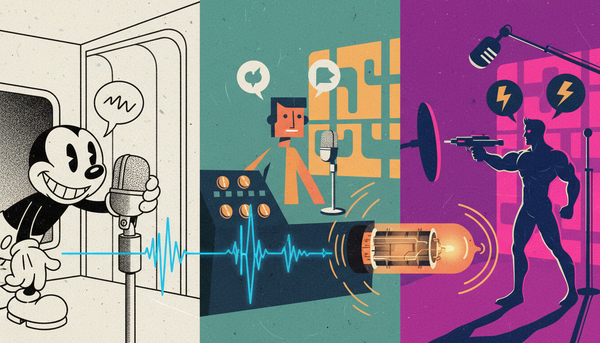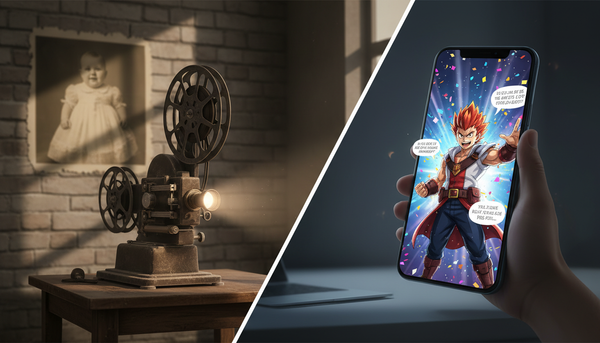
The Parasocial Shift: Why Fans Are Trading Passive Feeds for Interactive AI Companions
Passive social media feeds and expensive one-way shoutouts are hitting a wall. Discover how interactive AI companions are transforming fandom from a spectator sport into a collaborative, real-time playground.
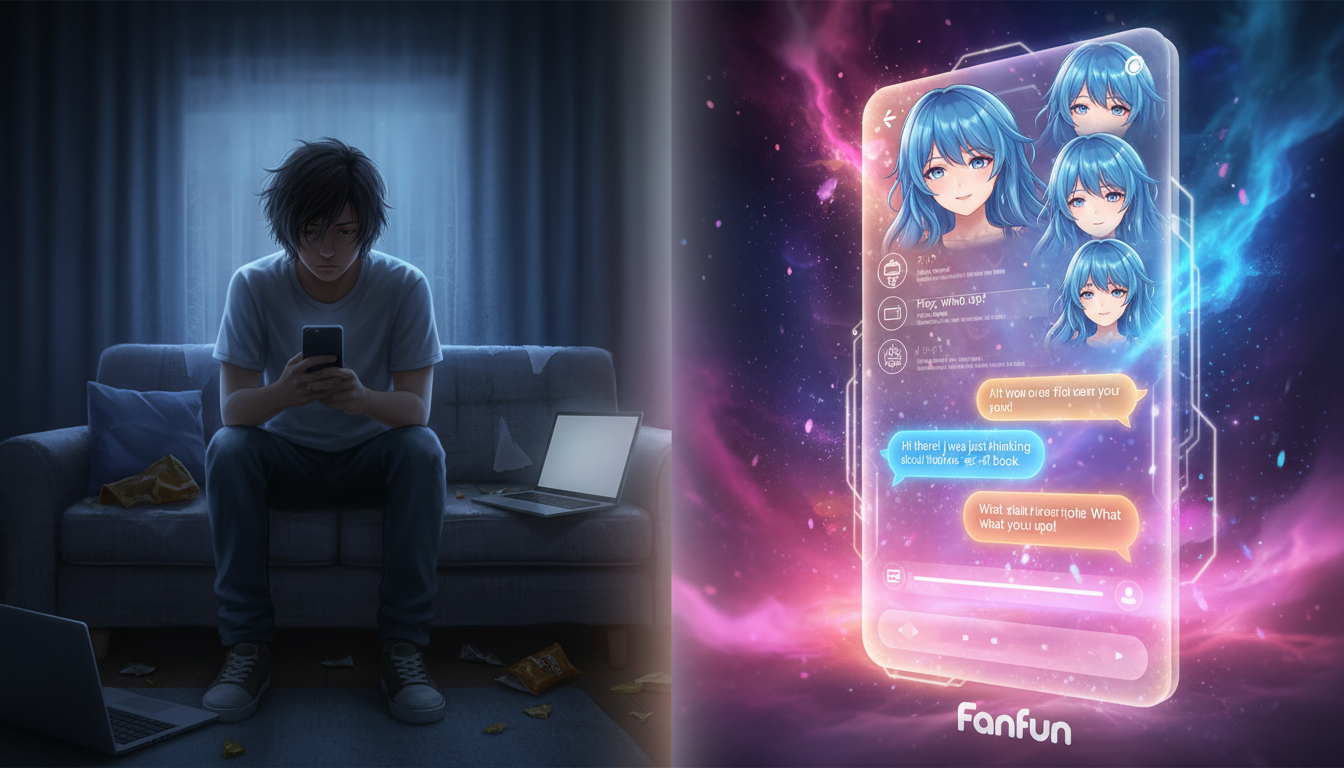
The era of passive double-tapping is hitting an invisible ceiling. For years, being a fan meant sitting quietly on the other side of a glowing screen, consuming pre-packaged content, and hoping for a fleeting, one-way nod from a creator, athlete, or celebrity. We scrolled through curated feeds, watched highly edited videos, and occasionally paid steep fees for a brief shoutout, only to realize the interaction ended the moment the video file stopped playing.
Today, this traditional parasocial dynamic is fracturing. Fans are no longer satisfied with static, one-way media; they want agency, collaboration, and real-time dialogue. Platforms like Fanfun are pioneering this shift, turning passive observers into active participants who can co-create narratives, test complex strategies, and engage in genuine, two-way conversations with highly responsive AI companions. Fandom is evolving from a spectator sport into an active, collaborative playground.
The Ceiling of Passive Fandom
Traditional social media feeds and expensive celebrity shoutout apps offer static, one-way media that quickly loses its novelty. While the initial wave of video shoutout platforms felt revolutionary, the format has rapidly aged. Paying $150 or more for a thirty-second, pre-recorded clip where a celebrity mispronounces your name or reads a rigid script offers a transactional thrill that evaporates almost instantly. It is a dead-end media format: once you watch it, the experience is complete. There is no room for follow-up, no space for nuance, and no opportunity to steer the conversation.
This dynamic has triggered widespread "parasocial fatigue." Fans are waking up to the realization that liking, commenting, and subscribing to static feeds does not result in a meaningful connection. It is an exhausting loop of consumption that demands attention but offers little agency in return. This fatigue is driving a massive market shift toward active participation. Instead of merely watching their heroes, fans want to play an active role in shaping the narrative. This desire for agency is why more people are choosing interactive AI over static cameos to experience real-time, responsive storytelling that adapts to their inputs.
What Makes an AI Companion Truly Interactive?
An interactive AI companion is fundamentally different from a basic customer support chatbot or a generic search assistant. It is not designed to help you book a flight or retrieve a recipe; it is built to inhabit a persona with depth, history, and emotional resonance. True interactivity requires three core technical and experiential pillars: contextual memory, distinct tonal styling, and narrative agency. Without these elements, an AI character feels like a search engine wearing a digital mask.

At Fanfun, this interactive experience is powered by a multi-sensory character library that seamlessly combines voice, text, and visual generation. When you chat with an AI companion on Fanfun, you are not just reading text on a screen. You are hearing the unique cadence, tone, and vocal styling of the character, matched with visual cues that align with their persona. This multi-sensory feedback loop creates a suspension of disbelief, transforming a simple digital prompt into a rich, collaborative sandbox where the character reacts dynamically to your humor, challenges, and creative direction.
The Pillars of Dynamic Fandom: Static vs. Interactive
To understand why this shift is happening so rapidly, it helps to compare the mechanics of traditional, static fan interactions with those of interactive AI companions. The differences span cost, agency, speed, and long-term value.
| Metric | Static Cameos & Social Feeds | Interactive AI Companions (Fanfun) |
|---|---|---|
| Agency | None. You consume pre-recorded or pre-written content. | High. You drive the direction, tone, and outcome of the conversation. |
| Cost | High (often $50 to $500+ per single interaction). | Low and highly scalable for ongoing use. |
| Response Time | Days or weeks of waiting for a creator to record. | Instant, real-time generation in seconds. |
| Replayability | Zero. The video or post remains identical every time. | Infinite. Every conversation branch leads to a unique outcome. |
The Three Pillars of Character Fidelity
When evaluating an AI companion, high-fidelity experiences rely on three distinct pillars that separate shallow bots from deeply immersive personas:
- Contextual Memory: The ability of the AI to remember what you said ten turns ago, referencing past jokes, arguments, or decisions to build a cohesive, evolving relationship over time.
- Tonal Authenticity: Capturing the specific linguistic DNA of a persona—from their preferred slang and sentence structure to their unique emotional triggers and conversational speed.
- Narrative Agility: The capacity to pivot instantly. If you shift from a casual friendly chat to an intense roleplay scenario or a tactical debate, the AI companion should adapt its posture and objectives without breaking character.
From Sports Debates to Creative Writing: Use Cases in Action
The beauty of interactive AI companions lies in their versatility. Because they are not bound by a single, pre-recorded script, they can adapt to whatever creative or analytical goal a fan brings to the table. For writers, roleplayers, and world-builders, these companions act as collaborative sandbox partners. Instead of staring at a blank page, creators can bounce dialogue off an AI character to test how they would react to a specific dramatic conflict. If you want to refine a scene or explore an alternate universe storyline, directing interactive AI character chats allows you to co-write high-fidelity narratives with immediate, character-accurate feedback.
This interactive model is also transforming how sports fans engage with their favorite athletes and commentators. Rather than simply listening to a sports podcast or reading post-game tweets, fans are now taking an active role in the conversation. By simulating locker room debates with sports legends, fantasy sports enthusiasts can test draft strategies, debate historic matchups, and get real-time tactical breakdowns from AI versions of iconic coaches and players. It turns sports analysis into an immersive, competitive dialogue where you can challenge an expert's play-calling directly.
How to Direct Your First Interactive AI Session
Getting the most out of an interactive AI companion on Fanfun requires a shift in how you write prompts. If you treat the AI like a search engine, you will get sterile, robotic answers. If you treat it like an actor in an improvisational scene, you will unlock its full creative potential. Use this simple four-step checklist to direct your first high-fidelity session:
- Set the Scene: Establish the physical or thematic context of the conversation right away. Instead of saying "Hi," try starting with: "We are sitting in the dugout before the bottom of the ninth inning, and the pressure is on." This gives the AI immediate environmental cues to shape its tone.
- Define the Relationship: Tell the AI who you are in relation to them. Are you their coach, their fierce rival, a co-writer, or a lifelong fan? Establishing this dynamic dictates how formal, friendly, or combative the AI's responses will be.
- Use Open-Ended Prompts: Avoid yes/no questions. Instead of asking, "Did you like the game?" ask, "What was going through your mind when you missed that game-winning shot in '98?" This invites the AI companion to dive deep into its persona's history and style.
- Iterate and Steer: Remember that you are the director. If the conversation begins to drift or if the AI's response misses the mark, gently guide it back on track. You can inject narrative direction directly into your reply, such as: "You smile wryly, shaking your head, and admit that the defense caught you off guard."
By taking control of the narrative, you move past the limitations of static social media. Whether you are looking to debate sports tactics, co-author a story, or simply enjoy a customized, real-time laugh with a legendary character, interactive AI companions on Fanfun offer a deeply personalized, endlessly replayable alternative to passive consumption. The screen is no longer a barrier—it is an open door.
How do interactive AI companions differ from traditional celebrity shoutout apps?
Traditional celebrity shoutout apps deliver a single, pre-recorded, one-way video clip that cannot be altered or responded to. Interactive AI companions on Fanfun offer real-time, two-way conversations using voice, text, and visuals. This allows you to drive the conversation, ask follow-up questions, and co-create unique scenarios instantly and affordably.
Can I customize the personality or tone of an AI companion?
Yes. While Fanfun's AI companions are built with highly accurate base personas, they are incredibly responsive to your prompts. By setting the scene, defining your relationship to the character, and using specific directing techniques, you can steer the companion's tone to be friendly, competitive, humorous, or analytical.
Is my data and conversation history private when chatting with an AI companion?
Yes, your private conversations and creative sessions on Fanfun are secure and private. Your data is handled with strict adherence to privacy and security standards, ensuring your creative writing, roleplays, and chats remain entirely yours.
What are the most popular use cases for interactive fan AI?
Fans use interactive AI companions for a wide range of activities, including creative writing collaboration, roleplaying alternate storylines, simulating sports debates and fantasy draft strategies with legendary coaches, generating custom birthday roasts, and creating highly personalized memes and voiceovers.