Beyond the Screen: Capturing the Melissa Vandella Aesthetic in Digital Content
The Melissa Vandella aesthetic is more than a look; it is a masterclass in modern, polished digital storytelling. Discover how to deconstruct this archetype and use AI tools to elevate your own creative output.
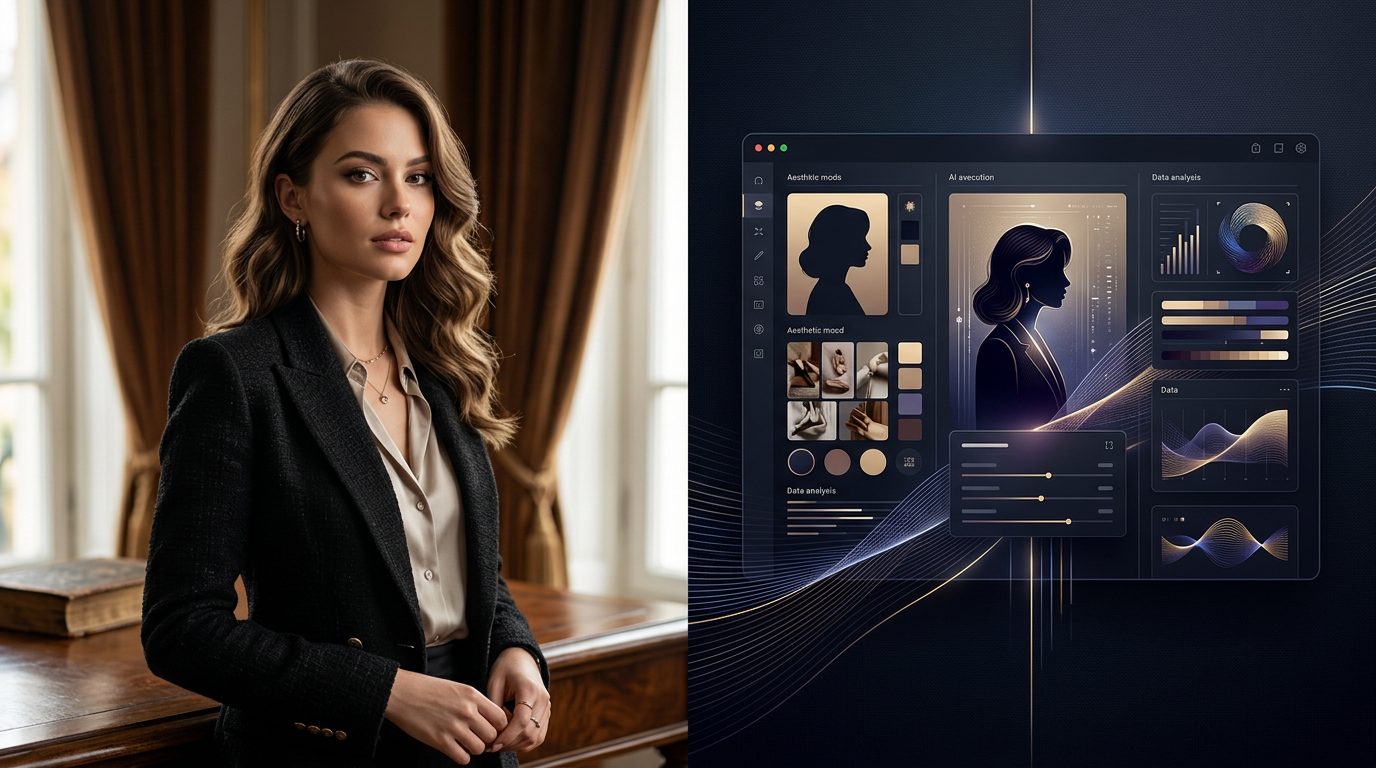
The Melissa Vandella aesthetic is defined by a precise tension: the balance between high-fashion detachment and an underlying, magnetic charisma. To replicate this energy, you must look beyond surface-level fashion cues and analyze the behavioral markers that make this persona so compelling. This archetype thrives on a deliberate, slow-burn delivery—where pauses are as significant as the spoken word. The vocabulary is typically sparse but intentional, favoring subtext over direct exposition. In a digital landscape saturated with high-octane, frantic energy, this cooler, more calculated approach stands out as a signal of luxury and control.
Modern audiences gravitate toward this archetype because it feels both aspirational and hyper-real. It mirrors the high-gloss production values of luxury media while maintaining a sense of intimacy that feels accessible via social platforms. The goal for any creator attempting to embody this vibe is to maintain that air of mystery without becoming unreadable. You are essentially crafting a digital portrait that invites the viewer to lean in rather than shouting at them to pay attention.
Deconstructing the Vandella Persona
To master this look, you must first understand the architecture of the persona. It is not merely about wearing the right clothes; it is about the 'gaze.' In digital storytelling, the Vandella aesthetic utilizes the camera as a confidant, not an audience. This requires a shift in how you frame your content. Instead of high-energy, direct-to-camera vlogging, your framing should be slightly off-axis, suggesting that the viewer is observing a private moment rather than being addressed directly. This creates a psychological distance that makes the eventual connection feel earned.
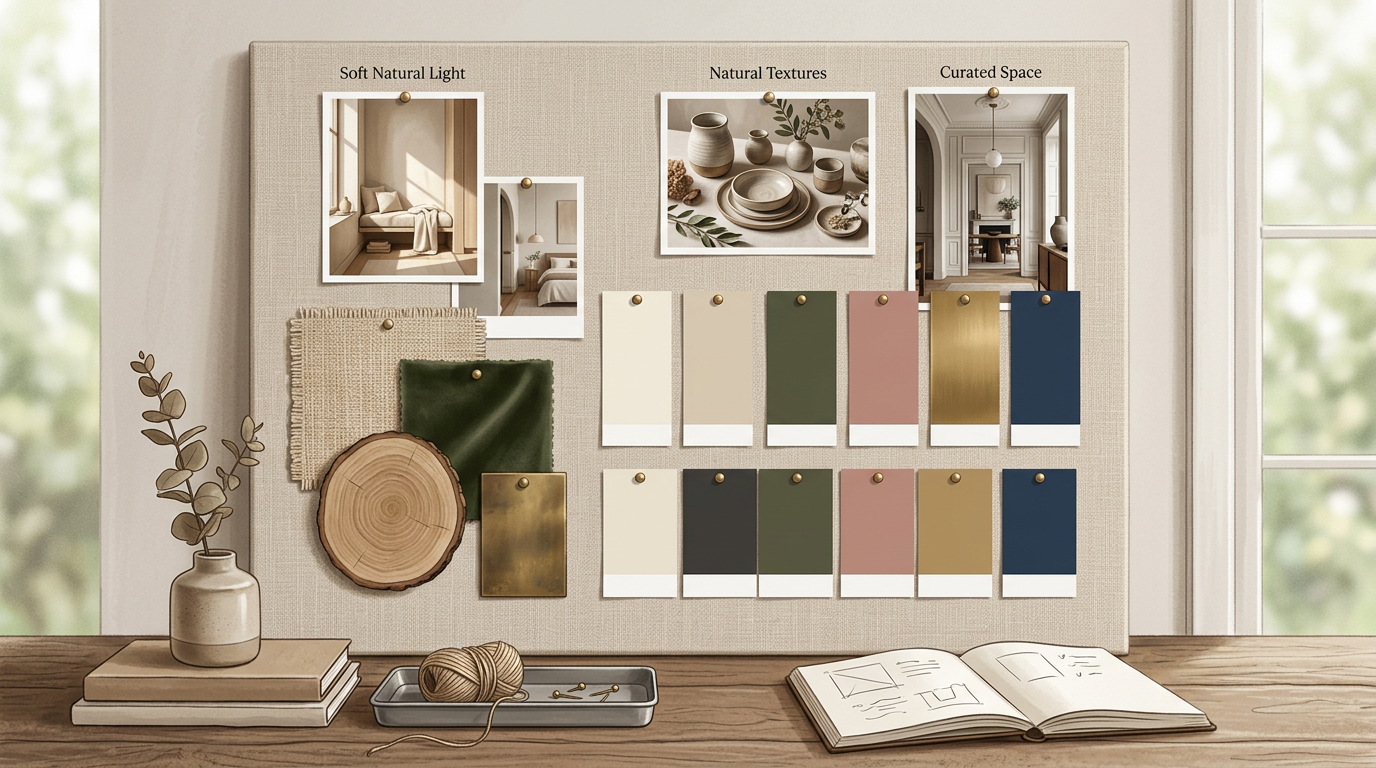
Lighting plays a non-negotiable role here. Harsh, overhead ring lights will shatter the illusion. Instead, prioritize soft, diffused, side-angled lighting that creates depth and shadow. This mimics the cinematic quality of high-end editorial photography. When you pair this visual style with a measured, steady vocal cadence, you create a cohesive, immersive experience that keeps viewers engaged through sheer atmosphere. Every frame should feel like a still from a film, not a raw clip from a phone.
The Role of Vocal Cadence in Character Design
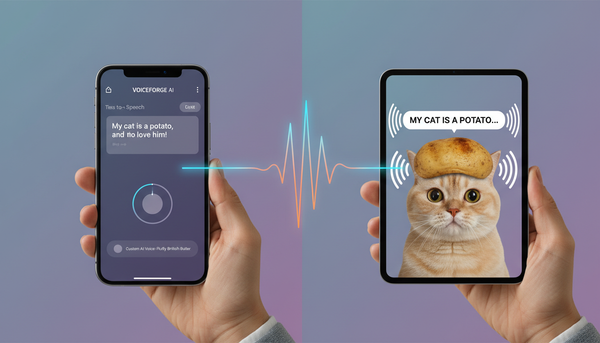
Voice is the most overlooked element of persona building. The Vandella vibe relies on a low-register, unhurried delivery. If you are producing voiceovers, avoid the temptation to 'perform' for the camera. The goal is to sound as though you are thinking aloud. This is where AI tools become essential for creators. By using an AI voice generator, you can fine-tune the pacing and tone of your scripts to match this specific archetype without the need for constant re-recording.
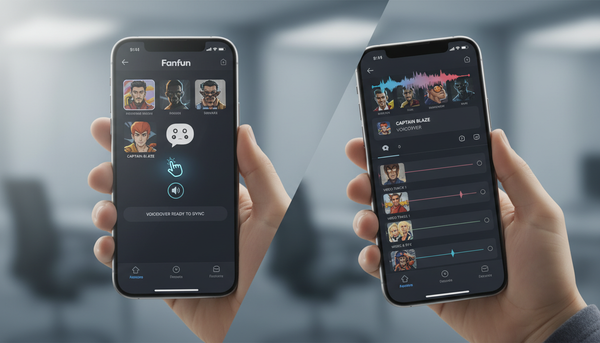
At Fanfun, we see creators leveraging this technology to experiment with different character archetypes. Whether you are aiming for the gravitas of a sports icon like Kobe Bean Bryant or the high-energy, recognizable charm of Spongebob Squarepants, the ability to iterate on your audio profile in minutes changes the entire production workflow. You aren't just making content; you are curating a specific frequency that your audience learns to associate with your brand. The precision of AI allows you to strip away the 'vlogger' inflection and replace it with the cool, collected tone required for the Vandella aesthetic.
Scaling Your Creative Output with AI
Maintaining a high-concept persona manually is labor-intensive, which is why modern creators are turning to AI to iterate on these archetypes. Using platforms like Fanfun allows you to maintain the essence of a specific character while producing content at scale. Whether you are generating a unique voiceover or a short-form video, you can experiment with different scripts to see how the persona reacts in various scenarios. This is the difference between a static image and a living, breathing digital entity.
Think of this as building a digital studio. Just as you might study the presence of a powerhouse like the Dwayne Johnson AI to understand how to project authority and energy, you can use similar tools to refine the specific, cooler tone of a Vandella-inspired project. By using AI to handle the heavy lifting of voice and delivery, you gain the freedom to focus on the creative direction and the narrative arc of your content. You no longer have to spend hours in a booth; you spend that time refining the subtext of your script.
The efficiency gain is not just about speed; it is about consistency. When you rely on AI to anchor your persona’s voice, you ensure that every piece of content—from a quick social media update to a longer, more involved narrative piece—feels like it comes from the same source. This consistency is what builds long-term trust with your audience. When they click on your content, they know exactly the 'frequency' they are tuning into, which is the hallmark of a professional digital brand.
Choosing Your Archetype: A Comparative Guide
Not every project calls for the same energy. While the Vandella aesthetic works for high-fashion or mysterious storytelling, other projects may require a different frequency. Use the following framework to decide which persona fits your current goal:
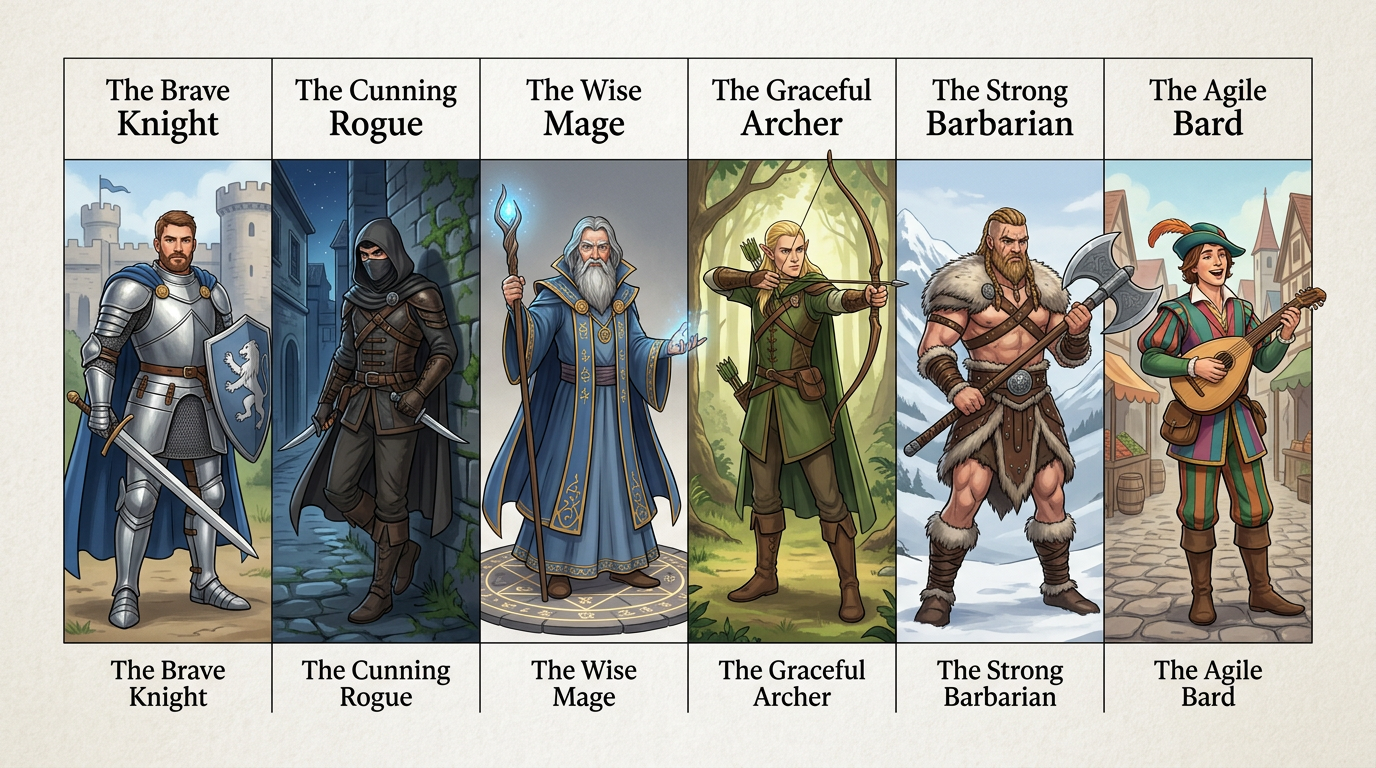
- The Vandella Archetype: High-glamour, detached, mysterious. Best for cinematic storytelling or luxury lifestyle content.
- The High-Energy Icon: Characters like Shaq offer a completely different utility, perfect for humor, memes, and fast-paced, engaging interaction.
- The Authority Figure: When you need to convey strength or professional intensity, look for archetypes that mirror the gravitas of a sports legend.
- The Relatable Star: For more grounded, approachable content, look to personalities like Sydney Sweeney, who bridge the gap between celebrity and peer.
- The Timeless Classic: Icons like Mickey Mouse provide a sense of nostalgia that can anchor a brand in long-standing cultural memory.
The key is to pivot effectively. Successful creators often maintain a signature style but aren't afraid to experiment with different character tropes to see what resonates best with their specific audience segments. The ability to switch between these modes is what separates a one-note creator from a versatile digital storyteller. By diversifying your character portfolio, you keep your audience intrigued and prevent your content from becoming stale.
The Ethics of Digital Impressionism
As you explore these digital personas, remember the importance of creative integrity. There is a fine line between a respectful homage and a hollow copy. The best content creators use these archetypes as a foundation to build something new, adding their own unique twist to the established aesthetic. When you use tools like Fanfun to explore these personas, you are participating in a new form of digital impressionism—one that celebrates the source material while pushing the boundaries of what is possible in fan-driven content. Always ensure your work adds value, maintains transparency, and respects the creative spirit of the icons that inspire you.
Ultimately, the technology is only as good as the vision behind it. Whether you are channeling the mystery of an aesthetic icon or the energy of a sports legend, the platform serves as your canvas. By focusing on the details—the lighting, the cadence, and the subtext—you can elevate your content from simple posts to a cohesive, high-substance digital experience that resonates with your audience on a deeper level. The future of content creation isn't about being more 'human' in the traditional sense; it's about being more intentional with the digital tools that allow us to express our creative vision at the speed of thought.
How can I create content that captures the Melissa Vandella vibe?
Start by focusing on measured, deliberate vocal cadences and soft, cinematic lighting. The aesthetic relies on subtext and a calm, high-fashion demeanor rather than high-energy, rapid-fire content.
Is it better to use AI to mimic a persona or create an original one?
Both have value. Mimicking a persona like Vandella helps you learn the mechanics of character-driven storytelling, while creating an original one allows you to build a unique brand identity. Many creators combine both approaches to iterate on their style.
How does Fanfun help creators build character-driven content?
Fanfun provides an instant, scalable way to generate AI voices and interactive character experiences. This allows creators to test scripts and personas without the time-consuming process of manual recording or hiring external talent, making it a powerful tool for rapid prototyping.
What are the best platforms for sharing persona-based digital art?
Short-form video platforms like TikTok and Instagram Reels are currently the best for persona-based content, as they allow for quick iteration and high engagement with character-driven narratives that rely on visual and auditory atmosphere.