Beyond the Chatbot: How to Choose and Master Interactive AI Roleplay Chat Platforms for Deep Fandom
Move past basic, transactional chatbots. Discover how to evaluate context memory, direct AI personas with narrative precision, and leverage multi-modal tools to bring your favorite fictional characters to life.
Fandom is no longer a spectator sport. For decades, fans and writers expressed their love for fictional universes through fan fiction, cosplay, and forum-based roleplay. Today, generative AI has introduced a highly interactive alternative: real-time, two-way conversations with AI-driven representations of beloved characters, historical figures, and original personas.
However, anyone who has tried to have a deep, dramatic conversation with a standard productivity chatbot knows the limitations of generic models. They lose track of the plot after a few exchanges, break character to apologize for minor misunderstandings, and speak with the clinical neutrality of a corporate assistant. True interactive roleplay is an art form that requires specialized platforms engineered for narrative depth, persistent memory, and multi-modal engagement.
The Evolution of Interactive AI Roleplay Chat Platforms
The journey of conversational AI began with transactional systems designed to resolve customer support tickets or answer factual queries. These early bots relied on rigid decision trees and pattern matching. If a user diverged from the pre-written script, the illusion shattered instantly. Modern interactive AI roleplay, by contrast, relies on relational AI—systems built to co-create narratives, understand subtext, and adapt dynamically to user input.
This leap forward is powered by Large Language Models (LLMs) that utilize advanced system instructions. Developers and creators can feed these models extensive background lore, dialogue examples, and psychological profiles. The AI then uses this data to adopt a specific persona, complete with distinct vocabulary, emotional biases, and behavioral quirks. Instead of merely retrieving information, the AI projects a living, breathing personality.
Despite these technical advancements, generic productivity chatbots remain poorly suited for deep roleplay. Their primary limitation lies in their safety filters and optimization goals. Designed to be helpful, harmless, and honest, these bots actively avoid conflict, suspense, and dramatic tension—the key ingredients of any compelling story. Furthermore, their memory windows are optimized for short-term tasks rather than multi-chapter story arcs, causing them to quickly forget established relationship dynamics and plot twists.
The Core Evaluation Framework: What Makes a Great Roleplay Platform?
To find a platform that supports genuine immersion, you must look beyond basic chat interfaces. Evaluating a platform requires analyzing how well its underlying technology supports the illusion of character presence over extended sessions. For a deeper look at this process, check out our comprehensive guide on evaluating and mastering virtual character text platforms.
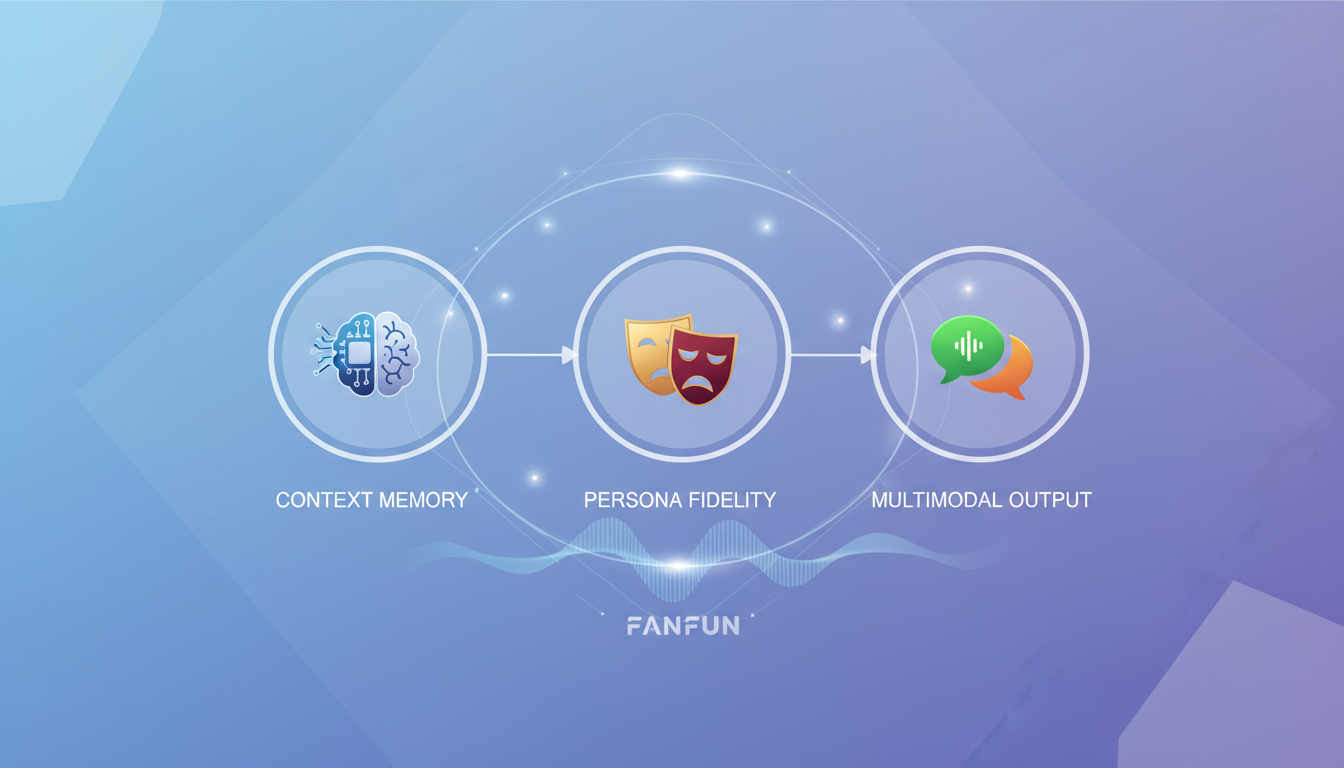
When grading any interactive AI roleplay platform, focus on these three pillars:
- Context Memory and Thread Continuity: A character must remember who you are, what you did five messages ago, and the emotional weight of previous decisions. Look for platforms that use advanced vector databases or custom memory management systems to keep key plot points and relationship milestones active in the character's memory window indefinitely.
- Persona Fidelity and Voice Consistency: The character should not sound like a generic assistant. They must maintain their unique cadence, slang, and cultural background. If an anime protagonist suddenly starts using formal corporate jargon, the immersion is broken. High-fidelity platforms enforce strict system instructions that preserve these stylistic boundaries.
- Multimodal Capabilities: The most immersive experiences transcend simple text boxes. A great platform integrates high-quality voice synthesis and visual generation, allowing you to hear the character's tone of voice, see their expressions, or even generate custom video clips based on your written interactions.
Matching Your Creative Goals to the Right Platform
Not all roleplay platforms are designed for the same use cases. Before choosing a tool, clarify what you want to build or experience. Your goals will dictate whether you need an open-ended narrative sandbox, a curated fandom hub, or a practical skill-building environment.
If you are a novelist, screenwriter, or hobbyist writer, you likely want a sandbox environment that lets you test out dialogue, subtext, and narrative pacing. This approach is highly effective for using an interactive sandbox to stress-test your creative writing, allowing you to see how your characters react when pushed into unexpected scenarios.
If your primary goal is fandom and character interaction, you will want a platform with a rich, pre-configured library of pop-culture icons, anime characters, and cultural figures. These platforms save you the trouble of writing complex system prompts, letting you dive straight into realistic conversations with your favorite characters. For creators and marketers, this interactive experience can also serve as a tool for generating unique social media content, custom fan dubs, or personalized video greetings.
A Side-by-Side Comparison of Platform Types
To help you decide which setup fits your workflow, this comparison table maps the three main categories of AI chat tools against key creative requirements:
| Feature / Capability | Generalist LLMs (e.g., ChatGPT) | Dedicated Roleplay Sandboxes | Fanfun Interactive Chat |
|---|---|---|---|
| Character Memory | Short-term / Task-focused | Deep, configurable memory | Persistent persona continuity |
| Dramatic Latitude | Low (Strict corporate safety) | High (User-defined boundaries) | High (In-character expression) |
| Voice & Video Generation | Basic text-to-speech only | Rarely integrated | Instant, high-fidelity video & voice |
| Setup Complexity | Requires custom prompt engineering | Requires writing JSON/lorebooks | Zero setup; curated character roster |
Interactive Roleplay Best Practices: How to Direct the AI
Even the most advanced platform requires clean direction from the user. Think of yourself not just as a conversationalist, but as a director, co-writer, and scene partner. By adopting a few structured communication habits, you can prevent character drift and maintain high narrative tension throughout your session.
First, embrace the "Show, Don't Tell" prompting method. Instead of simply typing dialogue, surround your character's actions, physical gestures, and internal thoughts with asterisks or brackets. For example, writing *takes a slow sip of coffee, staring out the rain-slicked window* "I didn't think you'd show up tonight," gives the AI rich contextual clues. The model will analyze these descriptive cues and mirror your formatting, resulting in a much more cinematic exchange.
Second, establish clear stakes in your opening message. Set the physical location, the existing relationship dynamic, and the immediate conflict. If you start with a generic "Hello," the AI has no narrative momentum to build upon. Instead, open with an active scenario: *We are standing in the dugout after a tough loss, the stadium lights dimming overhead* "We need to talk about that play in the ninth inning." This immediately grounds the AI in a specific setting and emotional state.
Finally, actively manage character drift. Over long chat threads, an AI may begin repeating specific catchphrases, losing its distinctive accent, or agreeing with you too easily. When this happens, do not hesitate to use edit buttons, swipe for alternative responses, or insert a brief, out-of-character (OOC) direction. Typing (OOC: Keep responses concise and maintain your sarcastic tone) helps recalibrate the model. By treating the AI character as a writer's sparring partner, you maintain control over the creative direction and keep the dialogue sharp.
The Fanfun Advantage: Elevating Roleplay Beyond the Text Box
While standard text-based sandboxes are excellent for writing drafts, Fanfun takes interactive roleplay to its logical conclusion by bridging the gap between passive chat and active content creation. Instead of leaving your favorite interactions locked inside a text log, Fanfun allows you to instantly transform your chats into high-fidelity, personalized video messages and custom voiceovers.
Fanfun's platform features a curated, growing library of licensed and original AI personas, ranging from legendary athletes and anime icons to pop-culture favorites. This eliminates the need for complex, manual prompt engineering. Every character is pre-tuned to maintain their signature vocabulary, emotional depth, and vocal cadence right out of the box. Whether you want to roleplay a high-stakes strategy session with an elite coach or generate a hilarious, customized birthday roast from a beloved cartoon character, the interaction feels authentic and immediate.
For content creators, gift-givers, and fans, this multi-format versatility is a game-changer. You can engage in a dynamic, two-way chat to brainstorm a script, refine the dialogue, and then instantly generate a polished video or voiceover using Fanfun's AI Voice Generator. It offers the creative freedom of an open-ended roleplay sandbox combined with the instant, high-quality production value of a professional media suite—all delivered in a matter of minutes.
What is the best AI platform for character roleplay?
The best platform depends on your creative goals. For writers who want to build complex, custom lore from scratch, dedicated roleplay sandboxes offer great flexibility. However, for fans and content creators who want instant, high-fidelity interactions without complex prompt engineering, Fanfun is the premier choice. Fanfun stands out by offering a curated roster of characters and the unique ability to instantly turn text chats into high-quality personalized videos and voiceovers.
How do I keep an AI roleplay character from forgetting the story?
To prevent memory loss, choose a platform designed with deep context memory and persistent threads. You can also help the AI by occasionally summarizing key events within your responses (e.g., "Ever since we escaped that laboratory last week, you've been quiet"). On open sandboxes, keeping your character lorebook updated is key, while on Fanfun, characters are pre-optimized to maintain their core identity and relationship context throughout your session.
Can I use AI roleplay platforms to write a novel or screenplay?
Yes, interactive AI roleplay is an exceptional tool for brainstorming, testing dialogue, and breaking through writer's block. By roleplaying key scenes with an AI character, you can discover natural dialogue rhythms and unexpected character reactions. You can then export these conversations to use as a foundation for your drafts, scripts, or story outlines.
Are AI roleplay chat platforms safe and private?
Reputable platforms prioritize user privacy and data security. When using high-quality platforms like Fanfun, your chats and generated media are processed securely. Always review a platform's privacy policy to understand how your data is handled, and avoid sharing sensitive personal information, such as passwords or financial details, during your creative roleplay sessions.