The Mary Scheer Blueprint: How to Channel High-Anxiety Comedy into Modern Content
Discover the comedic genius of Mary Scheer's high-strung characters like Marissa Benson. Learn how to write, act, and direct high-anxiety comedic energy for modern social media.

Short-form video creators have roughly three seconds to stop a user from scrolling. While many rely on high-production edits, flashing text, or loud background tracks, the most sustainable way to capture attention is through undeniable, magnetic character energy. When a character bursts onto the screen with high-stakes emotion, the viewer instantly wants to know why they are so intensely invested in the moment.
Nobody understands this high-octane energy quite like Mary Scheer. Best known as the hyper-vigilant, overprotective Marissa Benson on Nickelodeon's iCarly and a legendary alumna of MADtv, Scheer perfected the art of the high-anxiety authority figure. Her specific brand of comedic tension offers modern creators a masterclass in vocal performance, character writing, and rapid-fire audience engagement.
The Art of the Overbearing Archetype
The "anxious authority figure" is a classic comedic trope, but Mary Scheer elevated it to an art form. In her hands, characters like Marissa Benson are not merely annoying; they are hilarious because their hyper-vigilance is driven by an absurdly misplaced sense of love and duty. Scheer's characters operate under the permanent assumption that the world is a relentless death trap, and only their extreme intervention can keep their loved ones safe.
The genius of this archetype lies in the extreme contrast of her delivery. Scheer masterfully switches between intense, suffocating coddling and explosive, wild-eyed defensiveness. One second she is gently adjusting her son's posture, and the next she is brandishing a bottle of hand sanitizer like a loaded weapon. This rapid emotional whiplash keeps the audience off-balance, turning what could be a grating character trait into a source of constant, unpredictable laughter.
This archetype resonates deeply with Gen Z and Millennial audiences who grew up on early-2000s Nickelodeon sitcoms. These viewers have a profound appreciation for theatrical, live-audience-style character acting. This connection highlights a broader trend in content creation—one we see when exploring the Mary Sanderson effect and why iconic character voices are the future of digital storytelling. Distinct, theatrical voices cut through the digital noise because they carry pre-packaged emotional histories that audiences recognize instantly.
Vocal Tension and Physicality: Deconstructing the Scheer Delivery
To channel Mary Scheer's comedic energy, you must understand that her voice does not operate in a vacuum. It is a direct product of physical tension. In her performances, anxiety is a full-body experience. She maintains a rigid, bird-like posture, with shoulders pulled high and eyes wide with perpetual alarm. When her characters speak, the vocal strain sounds as though it is physically fighting its way past a throat tightened by sheer panic.

Scheer also masterfully manipulates pacing. Instead of delivering lines in a steady stream, she uses sudden volume spikes and dramatic, gasping pauses to disrupt the rhythm of a scene. She will start a sentence in a hushed, conspiratorial whisper, only to explode into a screech on the final syllable. This erratic rhythm mimics the unpredictable nature of a panic attack, amplifying both the tension and the comedy.
The "Freddie-My-Baby" Vocal Shift
At the heart of Scheer's vocal technique is what we call the "Freddie-My-Baby" shift. This is the micro-modulation in pitch that signals a character's sudden transition from maternal sweetness to manic panic. To execute this, a creator must practice shifting their vocal register mid-sentence. Start in a warm, melodic head voice, and then immediately drop into a strained, raspy chest voice on a single key word.
The comedic value here comes from treating minor, everyday inconveniences as life-or-death emergencies. When Marissa Benson warns Freddie about the dangers of unpasteurized cheese or a slightly damp draft, her vocal strain suggests she is shielding him from a falling meteor. For creators, mastering this vocal shift is the key to making mundane situations instantly hilarious in short-form videos.
The Creator's Guide to High-Anxiety Character Writing
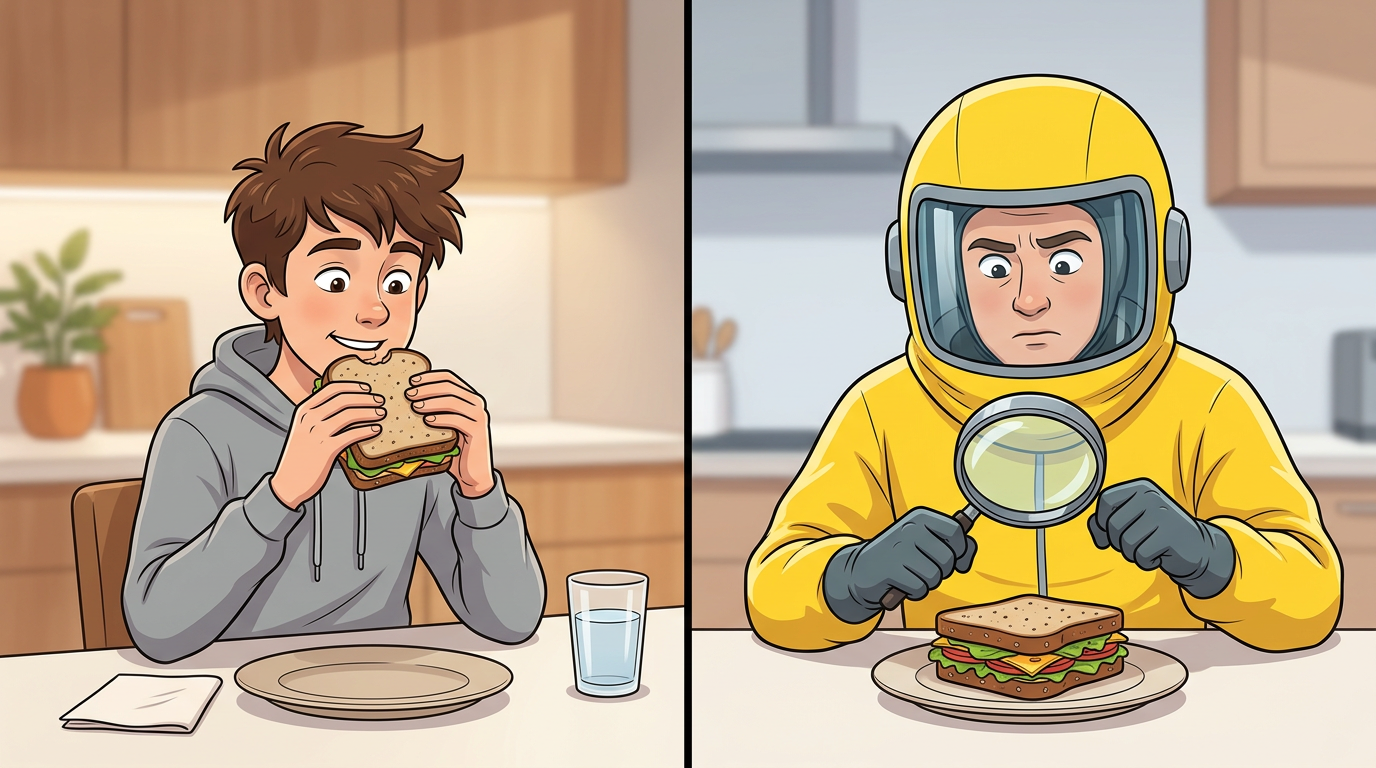
Writing a character inspired by Mary Scheer requires a commitment to absurd exaggeration. You cannot write reasonable reactions; you must filter every scenario through a lens of extreme, imaginative paranoia. To help you structure this style of writing, we have developed the Overprotection Matrix, which contrasts standard character reactions with Scheer-style comedic overreactions.
| Scenario | Standard Reaction | Scheer-Style Overreaction |
|---|---|---|
| A child wants to walk to the local park. | "Be back by dinner, and stay on the sidewalk." | "Absolutely not! The ultraviolet rays are peaking, and the squirrels have a shifty look in their eyes today!" |
| Someone eats a strawberry without washing it. | "You should probably rinse that off first." | "Stop! Drop the pesticide-laden berry of death! I need to get the stomach pump!" |
| An unexpected knock at the front door. | "I wonder who that is?" | "Take cover under the dining table! It's a home invasion! Nobody breathe!" |
When drafting dialogue for this archetype, keep this practical checklist in mind to ensure your script captures that signature frantic energy:
- Use Hyper-Specific Warnings: Instead of warning a character to "be careful," invent highly specific, absurdly detailed medical or physical threats (e.g., "spontaneous kneecap displacement").
- Deploy Rapid-Fire Rhetorical Questions: Fire off questions in quick succession without giving the other character room to answer (e.g., "Did you wear your galoshes? Did you sanitize the doorknob? Why are your pupils dilated?").
- Create Physical Obstacles: Have the character physically block exits, apply unnecessary safety gear (like putting a bicycle helmet on someone who is just sitting on the couch), or use measuring tapes to enforce safety distances.
To make this dynamic work in a sketch, you must pair your high-anxiety character with a completely rational, deadpan protagonist. The comedy arises from the friction between the two. The more calm and reasonable the protagonist remains, the more frantic and ridiculous the anxious foil becomes, escalating the scene to a fever pitch.
Directing High-Energy AI Voiceovers for Maximum Comic Effect
For modern digital creators, you do not always need to be in front of the camera to leverage this style of comedy. AI voice generators have made it possible to experiment with eccentric, high-energy archetypes instantly. However, getting an AI voice to deliver lines with the necessary manic energy requires specific, deliberate direction.
To translate physical acting cues into written text for an AI voiceover, you must break standard grammar rules. Standard punctuation tells an AI to speak smoothly, which is the exact opposite of what you want. Instead, use strategic capitalization, phonetic spelling, and punctuation to force dramatic shifts. For example, writing "Freddie, no!" will yield a standard warning. Writing "F-Freddie... NO! Absolutely NOT!" forces the AI to stutter, pause, and then deliver the final words with explosive emphasis. Just as we detail in our guide to learning how to direct celebrity voice AI like a professional showrunner, the secret lies in feeding the generator text that forces specific dramatic pacing.
At Fanfun, we specialize in helping creators bring these character-driven voices to life. Our AI tools allow you to generate highly expressive, customized voiceovers that capture the unique cadence, pitch shifts, and comedic timing of iconic archetypes. Whether you are creating a quick TikTok meme, a parody video, or a personalized audio roast, our platform gives you the creative freedom to direct high-energy voices without needing a professional recording studio.
Why Modern Audiences Crave Extreme Nostalgia Characters
We are living in an era where passive nostalgia is no longer enough. Audiences do not just want to rewatch clips of their favorite childhood sitcoms on YouTube; they want to interact with those worlds, remix them, and insert themselves into the narrative. They want to see how an overprotective mother figure from 2007 would react to modern trends like cryptocurrency, social media filters, or dating apps.
This shift is why audiences are moving beyond traditional, passive Cameo-style shoutouts to interactive media. Platforms like Fanfun empower users to generate personalized videos, custom roasts, and memes featuring these beloved, high-strung archetypes instantly. Instead of waiting days for a generic celebrity shoutout, creators and fans can instantly generate custom, context-specific content that perfectly fits their creative vision.
By mastering the Mary Scheer blueprint—whether through physical acting, sharp comedic writing, or directing expressive AI voices on Fanfun—you can tap into a rich vein of nostalgic humor that commands attention, stops the scroll, and keeps your audience coming back for more.
Who played Freddie Benson's mom on iCarly?
Freddie Benson's hilariously overprotective mother, Marissa Benson, was played by the talented comedic actress Mary Scheer in both the original Nickelodeon series and the Paramount+ revival.
What other famous roles has Mary Scheer played?
Beyond her iconic role on iCarly, Mary Scheer was a prominent cast member on the sketch comedy show MADtv from 1995 to 1998. She has also voiced characters in animated series like The Penguins of Madagascar and appeared in numerous sitcoms, including Bunk'd and The Suite Life on Deck.
How do you write a funny, overprotective character for a sketch?
To write a funny, overprotective character, use the "Overprotection Matrix": exaggerate everyday minor risks into life-or-death emergencies. Use highly specific, absurd safety warnings, rapid-fire rhetorical questions, and pair them with a calm, deadpan partner to highlight the absurdity of their anxiety.
Can I use AI voice generators to create funny character voices?
Yes! With platforms like Fanfun, you can generate custom voiceovers featuring iconic, high-energy archetypes. By using creative punctuation, capitalization, and phonetic spelling in your prompts, you can direct the AI to deliver lines with the perfect comedic timing and manic energy for your content.